



Antique Swiss Bear Sculpture
An antique swiss bear sculpture brings the unmistakable charm of the nineteenth-century woodlands straight into a traditional hallway or study.
Antique Swiss Bear Sculpture
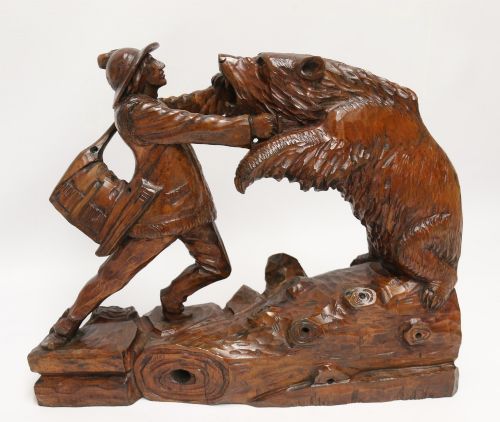
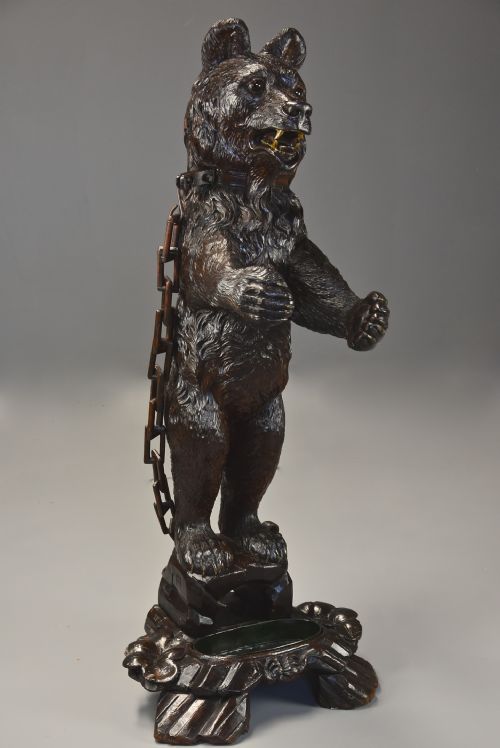
An antique swiss bear sculpture encompasses a fascinating variety of carved wooden objects created in the nineteenth and early twentieth centuries. These pieces emerge primarily from the Victorian and Edwardian eras, spanning diverse domestic forms such as hall stands, stick stands, humidors, inkstands, and decorative animal figures. The versions most commonly encountered on this page belong to the Black Forest style and Swiss folk art tradition, often depicting bears engaged in human activities.
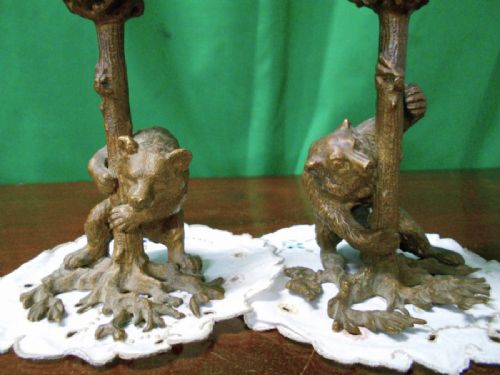
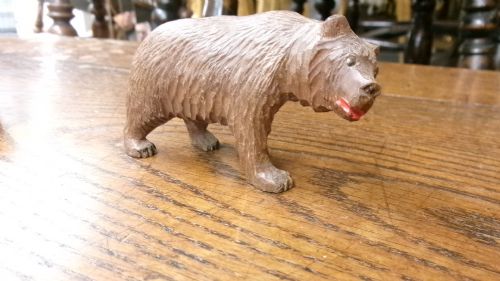
Makers utilised various functional designs alongside pure sculptures, blending utility with whimsical animal artistry. Larger examples serve as substantial furniture pieces including umbrella stands and oak tree hall stands, while smaller works include miniature carved bears and tabletop candlesticks. Linden wood and walnut dominate the material record, giving these sculptures their characteristic warm tones and tactile surfaces.
Materials and construction
The working process relied entirely on skilled manual labour rather than industrial production, resulting in distinct individual character across every sculpture. Craftsmen shaped dense timber blocks into complex multi-figure groups, functional furniture, and lidded tobacco boxes. This mastery of traditional woodworking techniques defined the Swiss folk art and Black Forest aesthetic.
Antique Swiss Bear Sculpture Retail Price Guide 2026
Typical asking prices for swiss bear sculpture among the pieces listed under this phrase on Sellingantiques today, from the lower quarter to the upper quarter. They describe what is for sale here now, not the wider market.
Listings span the Victorian and Edwardian periods, featuring carved wood, linden wood, walnut, bronze, and brass in forms ranging from miniatures to hall stands.
Evaluating craftsmanship and proportion
The standard of carving distinguishes superior examples from simpler production, visible in the articulation of the bear's fur and expression. Master carvers achieved lifelike anatomical proportions and convincing textures, whereas lesser items display rigid forms and generalized surface details. The complexity of the object type also influences distinction, with large multi-bear hall stands requiring significantly greater sculptural ambition than small singular figures.
Proportion and scale dictate the visual impact of each piece within a room, ranging from miniature sets to monumental umbrella stands. Condition and integrity of the original wood surface preserve the authenticity of the object, reflecting the careful hand of the nineteenth-century artisan.
The Antique Swiss Bear Sculpture Glossary
- Black Forest
- A regional designation for nineteenth-century carved wooden animals and furniture originating from central Europe. These pieces typically feature realistic depictions of bears and other wildlife.
- Linden Wood
- A pale timber commonly utilised by carvers for its fine, even grain and soft texture. It allows for deep undercut details and smooth finishing.
- Humidor
- A specialised box designed to keep tobacco moist, frequently modelled as a carved bear holding a honey jar or barrel in these collections.
- Hall Stand
- A large piece of hallway furniture integrating hooks, mirrors, and umbrella trays. In this context, the structure incorporates carved bears as supports.
- Folk Art
- Objects created by self-taught or traditional craftsmen outside academic fine art traditions. This style emphasises utility and local cultural motifs.
Antique Swiss Bear Sculpture: Frequently Asked Questions
How do I clean a wooden bear sculpture?
Dust the surface regularly with a soft, dry brush to prevent dirt accumulation in the carved fur details. Avoid water and modern chemical polishes, which can damage the historic timber finish.
Applying a minimal amount of microcrystalline wax periodically helps nourish the old wood without leaving a sticky residue.
What rooms suit a large bear hall stand?
Entrances and spacious hallways provide the traditional setting for substantial umbrella and stick stands featuring carved bears. Their practical function makes them ideal for greeting guests while displaying historic artistry.
Alternatively, studies and libraries accommodate large figural groups or umbrella stands as statement decorative elements.
Are these carvings genuinely from the nineteenth century?
The listings include pieces primarily dated to the nineteenth century, including specific decades like the eighteen-eighties and nineties. Victorian and Edwardian production methods are evident in the tool marks and timber ageing.
Examining the wood shrinkage and surface patina helps confirm the historical period of manufacture.
What is the difference between linden wood and walnut pieces?
Linden wood offers a lighter tone and a softer consistency that allowed carvers to achieve deep, complex detailing on figures. Walnut provides a darker, denser medium often chosen for robust furniture elements and substantial figure groups.
Both timbers were standard choices for Swiss and regional workshops during the peak of production.