

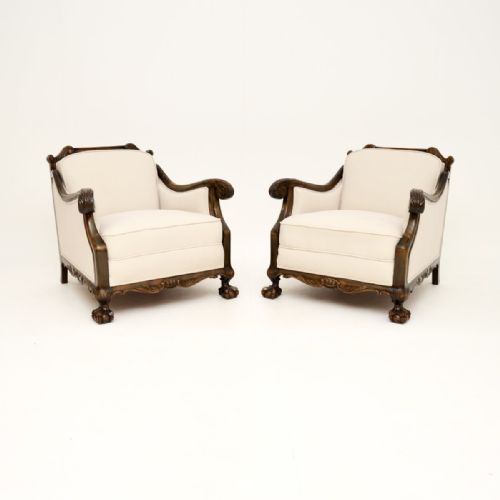
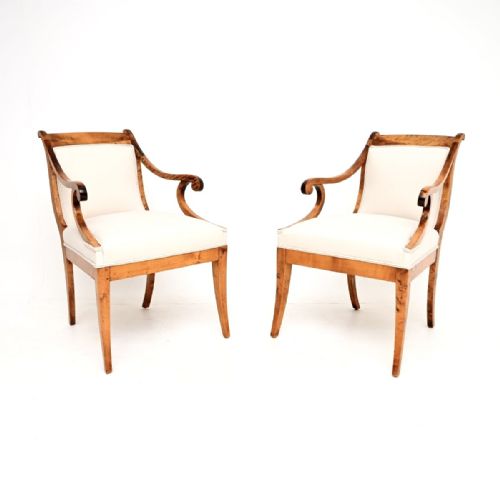

Antique Swedish Chairs
These antique swedish chairs offer a striking blend of rustic charm and refined neoclassical elegance that transforms any interior.
Antique Swedish Chairs
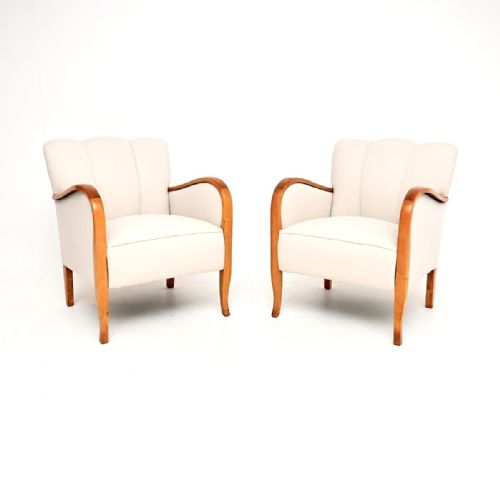
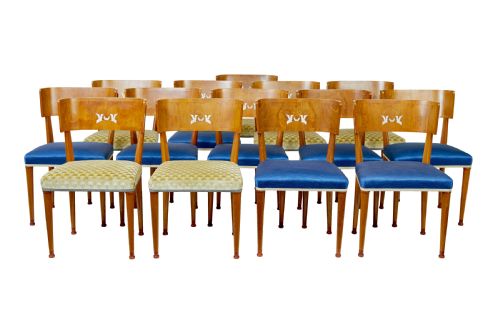
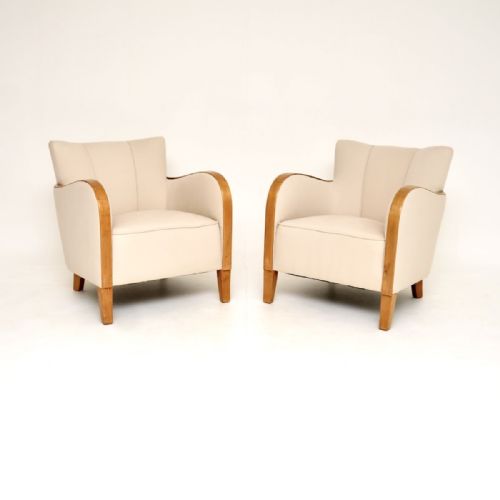
Antique swedish chairs encompass a diverse array of seating, ranging from utilitarian country pine items to sophisticated neoclassical and Biedermeier armchairs. Buyers exploring this selection will frequently encounter nineteenth-century pieces alongside early twentieth-century examples shaped by Art Deco and Empire revivals.
How They Were Made
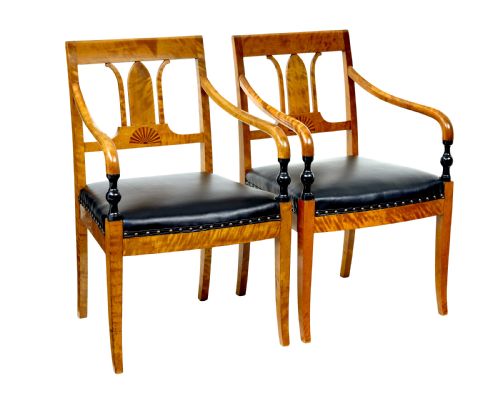
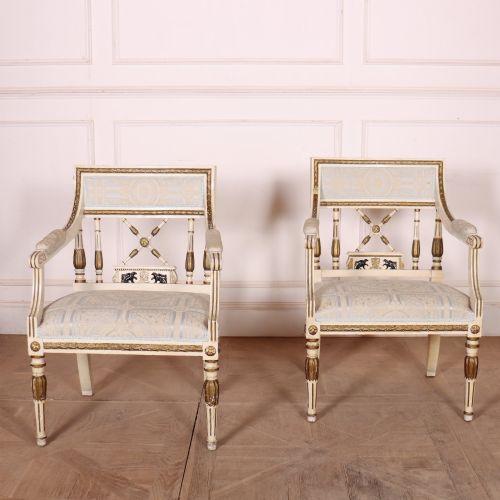
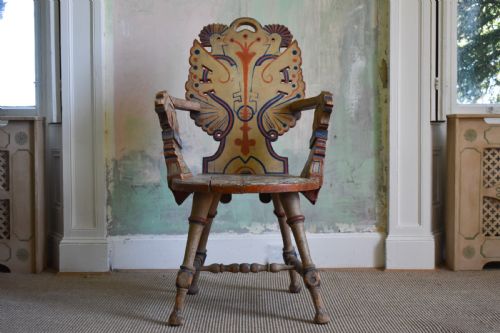
Cabinetmakers utilised native timbers such as birch, pine, and elm alongside imported mahogany, often applying painted finishes or ebonised details to achieve desired aesthetic effects. Construction frequently combined traditional joinery with turned elements, carved ornamentation, and upholstery finished in leather, fabric, or cane.
Makers adapted international design vocabularies like French Empire and Neoclassical styles into local idioms, resulting in distinctive regional interpretations. Surface treatments range from original historic paint to polished wood grains that highlight the natural figure of satin birch.
Listings feature periods from the nineteenth century through the 1930s, utilising materials including pine, mahogany, and painted wood.
What Varies in Quality
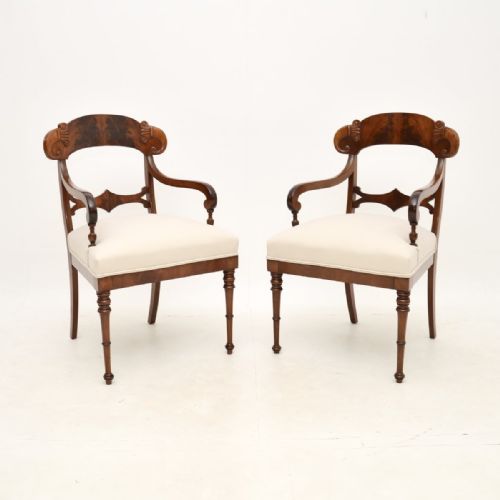
The distinction between standard examples and finer pieces often lies in the sophistication of the carving, the selection of timber veneers, and the preservation of original surfaces. Pieces featuring figured satin birch or detailed neoclassical motifs demonstrate superior craftsmanship compared to simpler utilitarian counterparts.
Structural integrity, the retention of original upholstery methods, and authentic period finishes heavily influence the standing of an item. Consistency within matched sets or pairs also elevates the desirability of the seating.
The Antique Swedish Chairs Glossary
- Gustavian
- A light, restrained Swedish neoclassical style popularised during the late eighteenth century. It takes inspiration from French design but adopts a simpler, brighter palette.
- Biedermeier
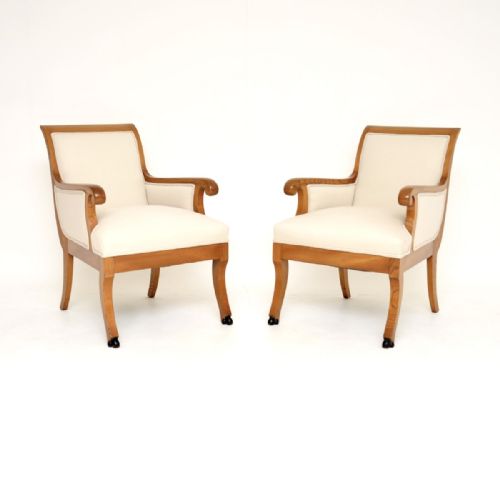
- A central European and Scandinavian style spanning the nineteenth century focusing on utility, comfort, and clean lines. It frequently showcases richly grained woods like birch.
- Bergère
- An enclosed upholstered armchair with wooden framing exposed around the sides and back. This form often appears paired with woven cane panels in historical pieces.
- Dug-out
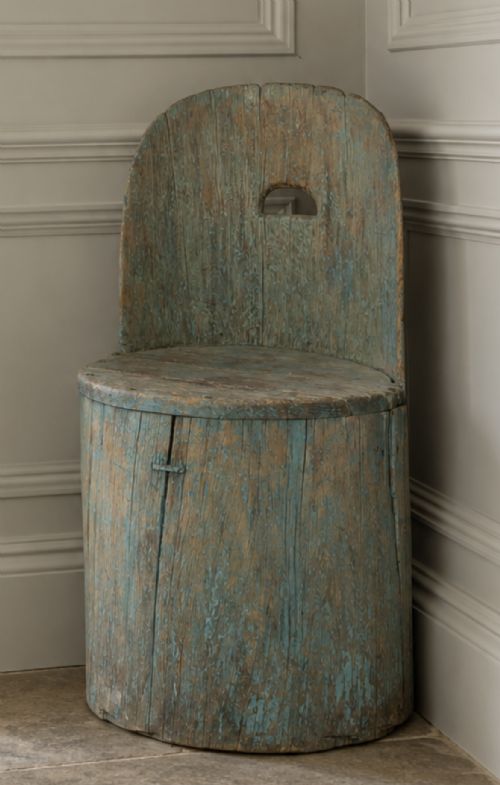
- A primitive form of seating carved directly from a single solid log of timber. These rustic items typify early country craftsmanship.
- Karl Johan
- A Scandinavian neoclassical style influenced by the French Empire period during the early nineteenth century. It typically incorporates dark veneers and restrained classical ornamentation.
Antique Swedish Chairs: Frequently Asked Questions
How do I identify Gustavian style chairs?
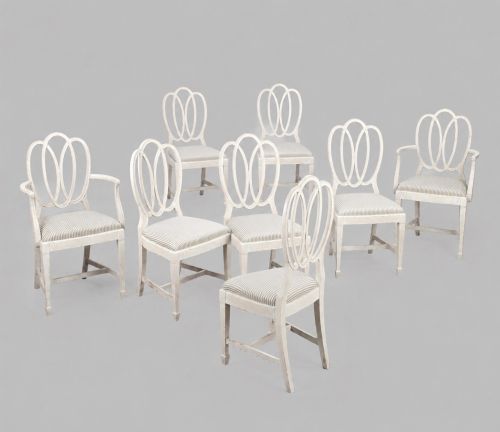
Gustavian chairs are characterised by straight tapered legs, carved fluting, and pale painted finishes. They reflect a Swedish interpretation of French neoclassical design.
Look for symmetrical forms and restrained classical motifs such as rosettes or laurel wreaths carved into the wooden frame.
Were these chairs used primarily for dining?
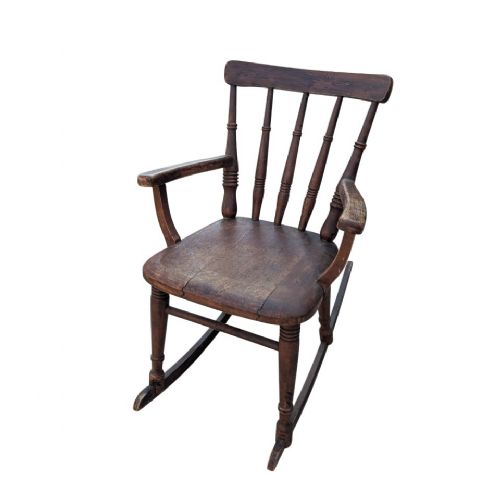
While many sets were built specifically for dining rooms, the category encompasses a wide variety of domestic seating. Armchairs, rocking chairs, and club chairs served functional roles in sitting rooms, studies, and nurseries.
Utility pieces like dug-out chairs and highchairs filled specialised domestic needs in rural homes.
What is the difference between Biedermeier and Empire chairs?
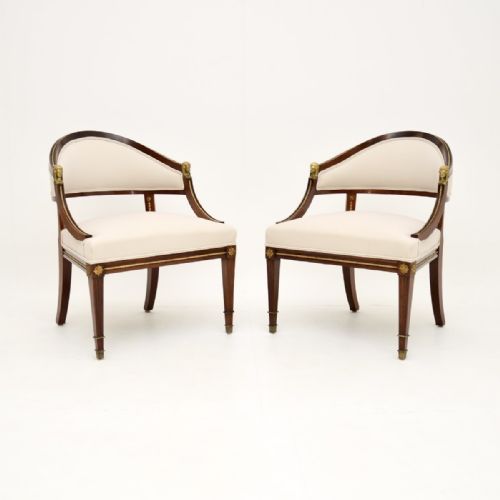
Empire chairs lean towards heavier classical grandeur with pronounced mahogany surfaces and gilt metal mounts. Biedermeier pieces soften these imperial traits in favour of domestic comfort and warm birch grains.
Both styles draw on classical antiquity but express different priorities in nineteenth-century interior design.
How should I care for antique painted wood?
Maintain painted wooden surfaces by dusting gently with a soft dry cloth and avoiding harsh chemical cleaners. Keeping furniture away from direct sunlight and extreme humidity fluctuations preserves historical paint layers.
Original paint finishes require minimal intervention to retain their historic character over time.