



Antique Sundial
An antique sundial marks the hours with the sun, bringing centuries of mathematics and garden design straight to your terrace.
Antique Sundial
An antique sundial is an instrument designed to tell time by the position of the sun, appearing in forms ranging from portable pocket compasses to large garden ornaments. When you search for an antique sundial, you encounter scientific instruments and architectural garden pieces spanning several centuries.
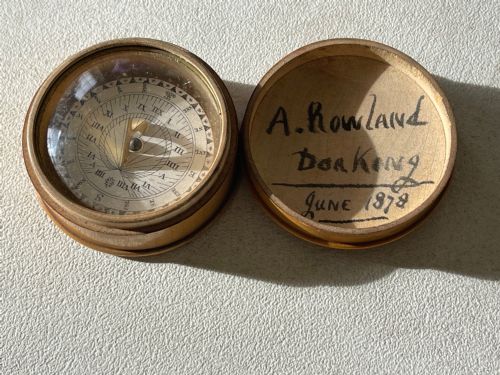
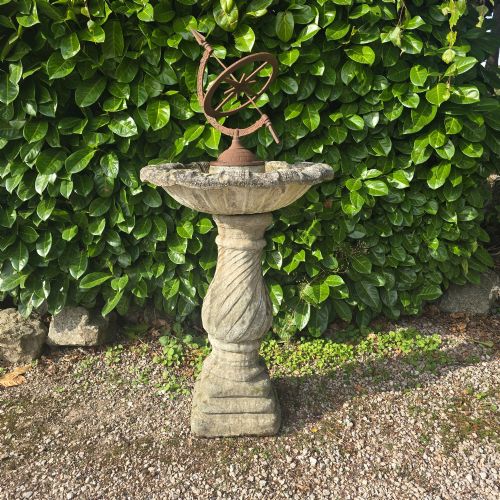
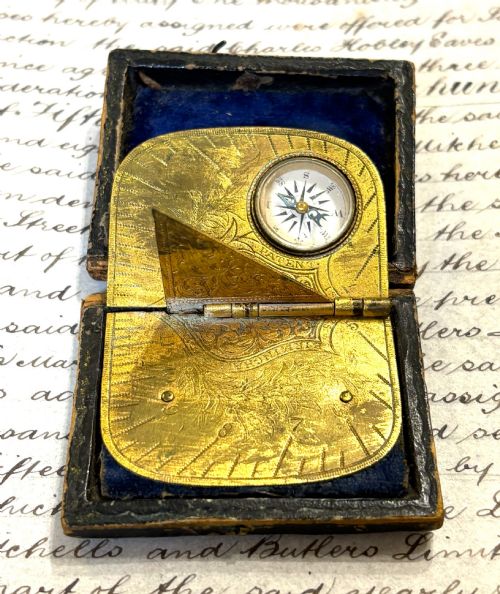
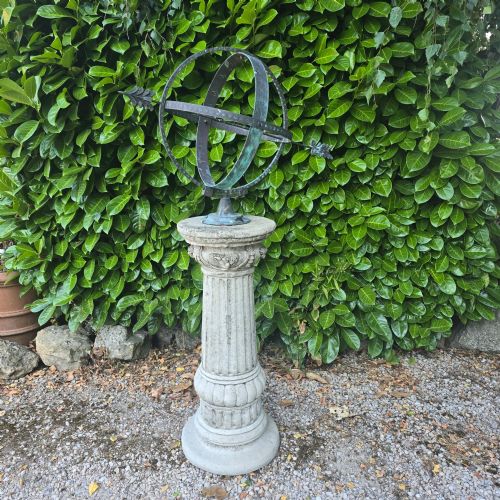
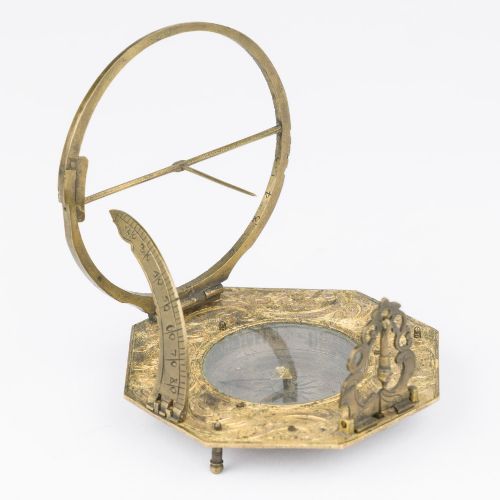
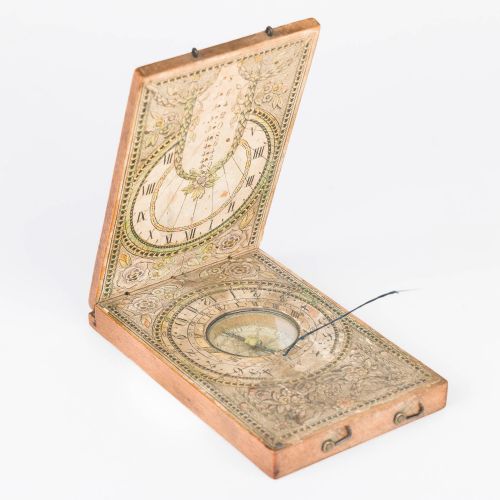
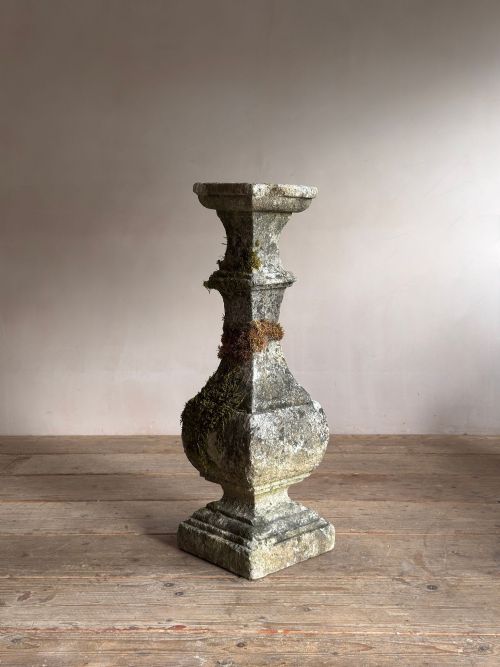
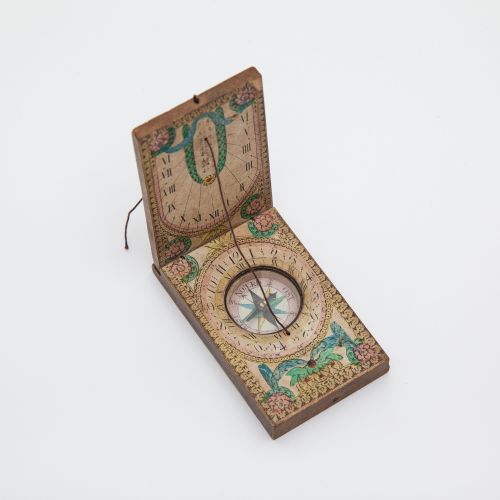
The domestic pieces include folding pocket sundials and diptych dials paired with compasses for travel, often housed in wood or leatherette cases. Larger examples take the form of bronze armillary spheres, stone plinths, and garden pedestals meant for permanent outdoor placement.
Georgian, Victorian, and Regency periods dominate the selection, alongside specific regional pieces such as Scottish bronze dials and German Augsburg creations. Buyers meet both functional scientific tools meant for navigation or travel and decorative stone or metal ornaments for the garden.
Materials and construction
Metals such as brass and bronze provide the durable foundations for both portable pocket instruments and heavy garden sundials. Casters and instrument makers shaped these alloys to withstand outdoor exposure or frequent handling during travel.
Stone, slate, and limestone serve as the heavy structural bases for garden sundials and plinths, anchoring the timekeeping plates firmly to the earth. Wood and treen form the protective folding cases for portable diptych dials, often lined with paper or velvet.
Scientific instruments integrate delicate glass covers to protect internal compass needles, while paper and parchment serve as the printed scale layers inside pocket dials. Each material reflects the specific purpose of the piece, balancing portability against the need for outdoor durability.
Antique Sundial Retail Price Guide 2026
Typical asking prices for sundial among the pieces listed under this phrase on Sellingantiques today, from the lower quarter to the upper quarter. They describe what is for sale here now, not the wider market.
One nineteenth century sundial spent its earlier life disguised as a Victorian chimney.
Judging quality and execution
The distinction between standard utility items and finer work lies in the precision of the engraved markings and the legibility of the scale. Sharp, deep calibration lines on brass plates and carefully printed paper compass cards indicate careful workshop production.
Material selection dictates longevity, with heavy cast bronze and dense limestone retaining crisp detail over centuries of weathering compared to softer stones. The presence of a named maker adds historical weight, as signed instruments from known workshops demonstrate higher standards of scientific accuracy.
Andreas Vogler·Samuel Porter·Miller and Adie
The Antique Sundial Glossary
- Armillary sphere
- A model of the celestial sphere featuring rings centered on the sun or earth, often mounted as a garden sundial. This form translates complex astronomical measurements into a sculptural ornament.
- Diptych-dial
- A portable pocket sundial consisting of two small hinged leaves that fold together like a book. They typically combine a horizontal or vertical sundial with a magnetic compass.
- Gnomon
- The projecting piece of a sundial that casts the shadow onto the dial plate. Its angle must match the geographical latitude of the location to tell time accurately.
- Treen
- Small handmade wooden objects produced from turned or carved wood. Pocket compass and sundial cases from the nineteenth century often fall into this category.
- Butterfield dial
- A specific type of horizontal pocket sundial featuring a bird-shaped gnomon and multiple hour scales for different latitudes. Named after a prominent seventeenth and eighteenth century instrument maker.
Antique Sundial: Frequently Asked Questions
How do pocket sundials work?
Pocket sundials rely on an integrated magnetic compass to orient the instrument toward true north before use. The hinged gnomon then casts a shadow across the calibrated plate to indicate the solar time.
Because solar time differs from standard clock time, users apply mathematical equations or conversion tables found on the instrument to determine the exact hour.
Where were garden sundials placed?
Garden sundials traditionally sat upon stone plinths, pedestals, or architectural elements positioned in open sunny areas of grounds and courtyards. They served both a practical timekeeping function and a decorative focal point in landscape design.
Heavier bronze and stone versions remained fixed outdoors year-round, weathering naturally through the seasons.
How do I date an antique sundial?
Dating relies on examining the materials, engraving styles, and any maker signatures stamped or inscribed upon the metal plates. Portable instruments often include style cues from the Georgian or Victorian eras in their case construction and typography.
Architectural garden pieces utilise the surrounding stone plinth style, such as Gothic revival or Regency detailing, to establish their period of origin.
Are portable sundials accurate?
Pocket sundials offered functional timekeeping for travellers when adjusted correctly for local latitude and magnetic variation. Their accuracy depended entirely upon the precision of the engraved scale and the reliability of the paired compass.
Over time, magnetic north shifts and mechanical wear can affect their modern timekeeping performance.