


Antique Sultanabad Carpet
An antique sultanabad carpet brings large-scale Persian design into a room, offering roomsize proportions and traditional West Persian wool work.
Antique Sultanabad Carpet
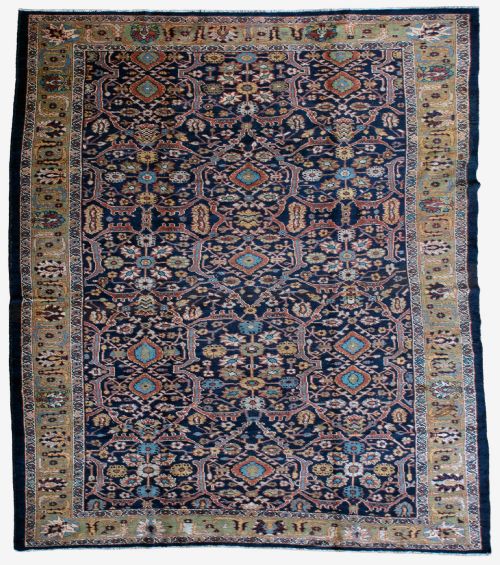
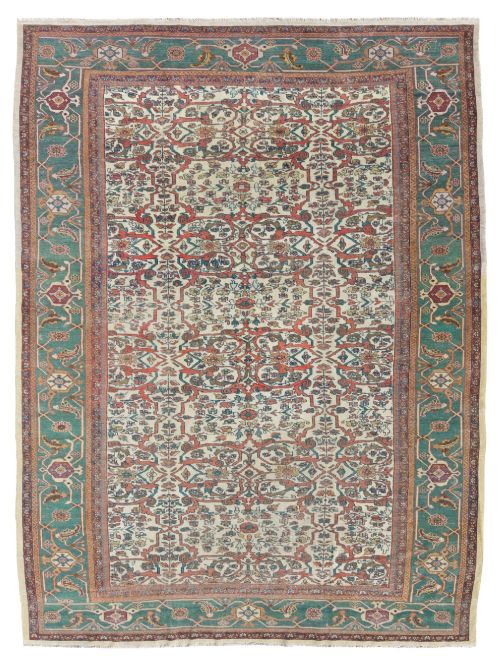
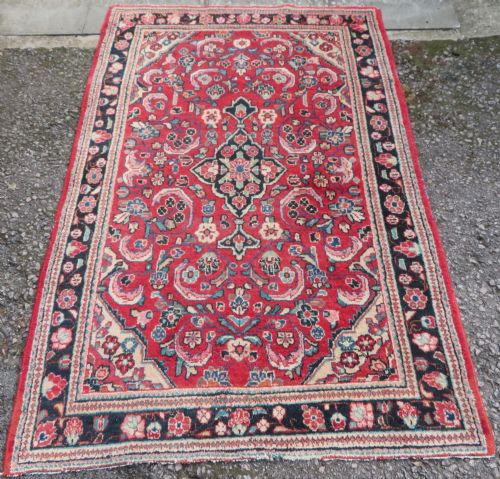
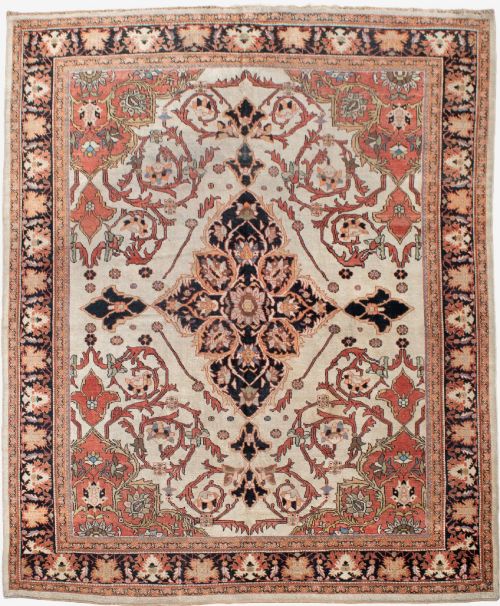
An antique sultanabad carpet forms a distinct group of large floor coverings originating from West Persia, frequently associated with the Ziegler style and Mahal production. These pieces emerge in roomsize formats, country house proportions, and smaller area rug dimensions.
The objects seen here date across the late nineteenth and early twentieth centuries, specifically spanning periods around 1880, 1890, and 1900. Buyers encounter square proportions alongside grand rectangular formats intended for expansive floor spaces.
The marketplace listings show these floor coverings under classifications such as Persian Ziegler, Sultanabad, and Mahal. Each designation points to regional West Persian workshop output designed for both domestic use and export.
How they were made
Production relies upon a foundation of cotton threads that form the warp and weft, providing structural stability for the heavy floor coverings. Weavers knot pile yarns directly onto this cotton grid.
The pile consists of wool, selected for resilience and depth of colour absorption. Artisans tie these woollen knots by hand across the cotton foundation to build the dense surface.
Antique Sultanabad Carpet Retail Price Guide 2026
Typical asking prices for sultanabad carpet among the pieces listed under this phrase on Sellingantiques today, from the lower quarter to the upper quarter. They describe what is for sale here now, not the wider market.
Some carpets arrive with large square proportions, built for rooms that refused to be rectangular.
What varies in quality
The distinction between standard examples and finer pieces rests in the handling of scale, proportion, and regional attribution. Master workshops achieved greater balance in roomsize and square formats, whereas ordinary weaving shows less refined composition.
Material selection also defines the tier of a piece, where tighter wool knotting on cotton foundations separates country house carpets from smaller area rugs. The nuance lies in the integrity of the weave and the clarity of the West Persian design traditions.
The Antique Sultanabad Carpet Glossary
- Sultanabad carpet
- A West Persian floor covering produced for export and domestic markets, known for grand scale and floral patterns. These pieces date from the late nineteenth and early twentieth centuries.
- Ziegler
- A commercial style associated with West Persian weaving, often sharing characteristics with Sultanabad production. Pieces in this style utilise balanced roomsize proportions.
- Mahal
- A related West Persian carpet designation often grouped with Sultanabad output from around 1900. These rugs share similar wool and cotton material construction.
- Warp
- The vertical cotton threads stretched tightly on the loom before knotting begins. It forms the skeleton of the carpet.
- Weft
- The horizontal threads passed between warp threads to lock the wool knots in place. This material secures the structure of the rug.
Antique Sultanabad Carpet: Frequently Asked Questions
What is an antique sultanabad carpet?
An antique sultanabad carpet is a hand-knotted West Persian floor covering dating from the late nineteenth or early twentieth century. These pieces are known for roomsize and square proportions.
They incorporate wool pile on cotton foundations, reflecting regional production styles that include Ziegler and Mahal classifications.
How do I date an antique sultanabad carpet?
Dating relies upon stylistic comparison with documented pieces from periods around 1880, 1890, and 1900. Structural analysis of the wool and cotton materials also guides attribution.
Workshop traditions and design shifts across the late nineteenth century help narrow the timeframe of manufacture.
Where were sultanabad carpets made?
These carpets originated in the Sultanabad region of West Persia, a major hub for carpet production and export. Local workshops catered to both domestic demand and European markets.
Weavers in this area produced formats ranging from small area rugs to large country house carpets.
How do I maintain an antique sultanabad carpet?
Maintenance requires gentle vacuuming without rotary brushes to protect the wool pile and cotton foundation. Professional cleaning suited for antique textiles preserves the material.
Placing the rug out of direct sunlight prevents fading of the dyed wool fibres across large roomsize formats.