
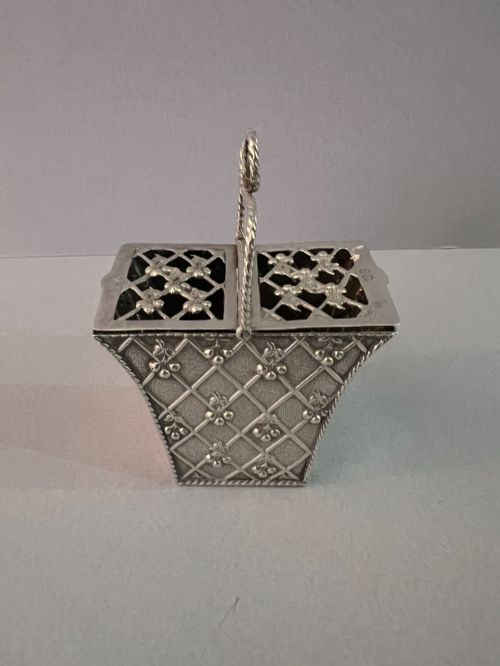


Antique Sugar Box
An antique sugar box holds the sweetness of another century, taking many forms from porcelain sucriers to figural silver containers.
Antique Sugar Box
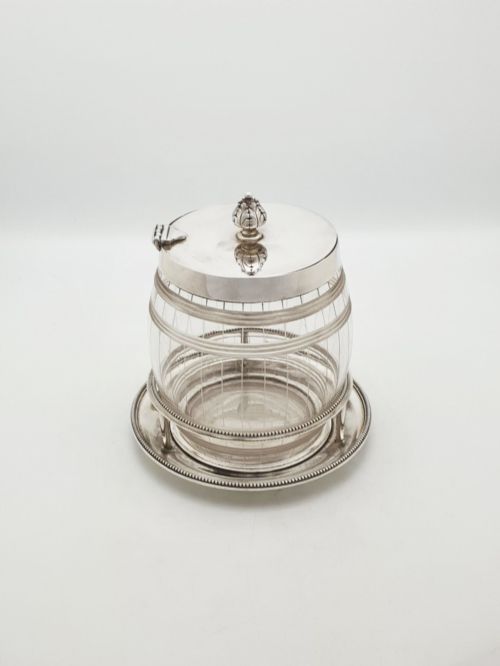
When you search for an antique sugar box, you meet vessels designed to hold sugar back when it was a precious commodity served at the tea table. The forms range widely across this page, taking shape as lidded porcelain sucriers, fitted tea caddies, glass biscuit barrels, and novelty silver boxes modelled as animals.
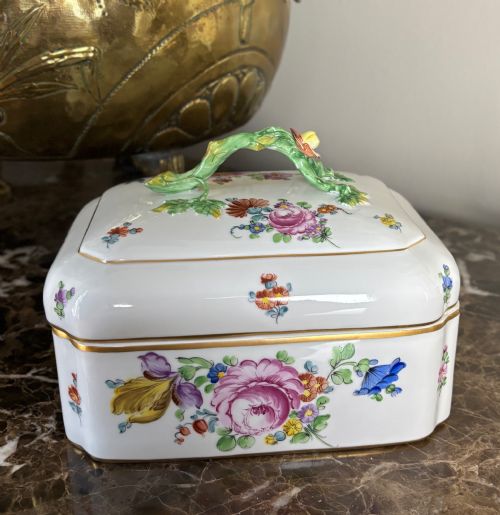
Porcelain examples appear from factories like Dresden, Meissen, Coalport, Minton, and Worcester, often featuring covers and painted details. Sterling silver and silver-plated containers arrive from Victorian, Edwardian, and Regency periods, alongside continental European silver pieces fashioned into creatures such as owls, goats, squirrels, and stags.
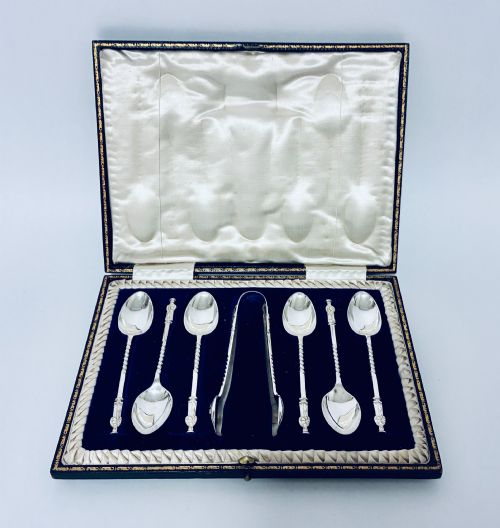
The domestic tea service also generates related dining pieces listed here, including sugar bowls, tongs, teaspoons, and complete boxed sets. Buyers find both English work and continental imports, spanning the eighteenth century through the Edwardian era and into the early twentieth century.
Materials and Techniques
Makers shaped these pieces from sterling silver, silver plate, and various porcelains, frequently combining them with glass, velvet, silk, leatherette, and enamel. Silver boxes required skill in smithing, casting, and repoussé work, particularly for figural containers formed as animals or fitted with engraved decoration.
Porcelain sucriers and sugar boxes relied on throwing or moulding clay, followed by hand-painting and high-temperature glazing. Glass biscuit barrels and sugar containers utilised mould-blown or cut glass fitted with hinged metal mounts and swing handles.
German silversmiths shaped solid silver sugar boxes into complete owls, goats, squirrels, and stags with removable heads for access.
Assessing the Pieces
The standard of a piece rests upon the crispness of its modelling and the preservation of its original surface. In silver figural boxes, finer work shows distinct feather or fur texture and a secure, tight-fitting lid closure.
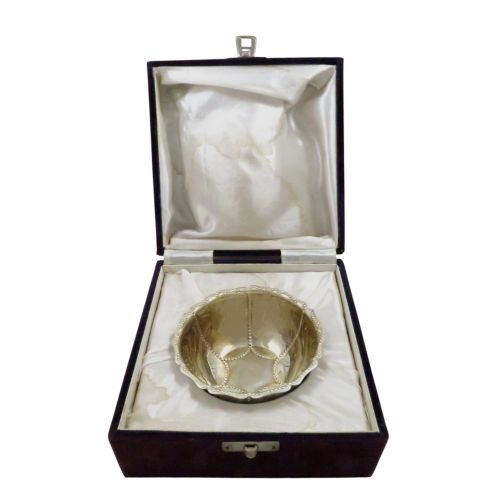
For porcelain, quality depends on the clarity of the painted decoration, the survival of the glaze without hairline cracks, and the presence of a matching original cover. Fitted interiors with intact silk, velvet, or leatherette lining also elevate the standing of a box.
Elkington·Richard Ginori·Meissen·H and R Daniel·Robert Stebbings·Harry Atkin
The Antique Sugar Box Glossary
- Sucrier
- A covered sugar bowl or sugar box used in tea service. Porcelain examples from factories like Worcester and Minton frequently use this term.
- Tea caddy
- A box or jar used to store tea leaves, often found grouped in sets or sharing fitted boxes with sugar compartments.
- Repoussé
- A metalworking technique where the artisan hammers the design from the reverse side to form a raised relief on the front. Continental silver boxes often display this method.
- Hallmark
- An official stamp applied to precious metals indicating the standard of purity, the maker, and the year of testing. English silver pieces frequently bear these marks.
- Treen
- Small domestic objects made of wood. Boxwood sugar mallets and chisels represent this category.
Antique Sugar Box: Frequently Asked Questions
What is an antique sugar box?
An antique sugar box is a container built to hold sugar for the table during the eighteenth, nineteenth, and early twentieth centuries. These vessels protect and present sugar in various forms, including lidded porcelain sucriers, silver tea caddies, and figural silver animals.
Craftsmen produced them across Europe in materials ranging from sterling silver to soft-paste porcelain. They served a central role in formal tea rituals when sugar was kept under lock and key.
How were sugar boxes used?
These boxes sat upon the tea table or sideboard to dispense sugar into cups using tongs or spoons. Wealthy households locked their sugar boxes to secure the valuable contents from servants and guests.
Over time, the function shifted from secure storage to decorative tabletop presentation. Many pieces were housed in fitted wooden cases alongside matching tea spoons and cream jugs.
How do I date a silver sugar box?
Silver pieces generally rely on stamped hallmarks, maker marks, and duty marks that record the assay office and year of testing. English silver carries specific date letters that pinpoint the exact year of manufacture.
Stylistic clues also help determine age, such as the Rococo Revival curves of the nineteenth century or the clean lines of Edwardian and Art Deco designs. Continental pieces often rely on export marks and maker stamps rather than standard British assay letters.
How do I care for porcelain and silver sugar boxes?
Porcelain sucriers require gentle washing in warm water with mild soap, avoiding harsh scrubbing that might damage hand-painted overglaze decoration. Displaying them away from direct sunlight protects enamel and porcelain colours from fading.
Silver containers need occasional dusting and minimal polishing with a soft cloth to preserve the natural patina built up over decades. Storing them in dry conditions prevents tarnishing and protects any original velvet or silk linings.