
Antique Style Walnut Cabinet
An antique style walnut cabinet brings rich grain and period elegance into a room, spanning revival designs from the Victorian era through the 1930s.
Antique Style Walnut Cabinet
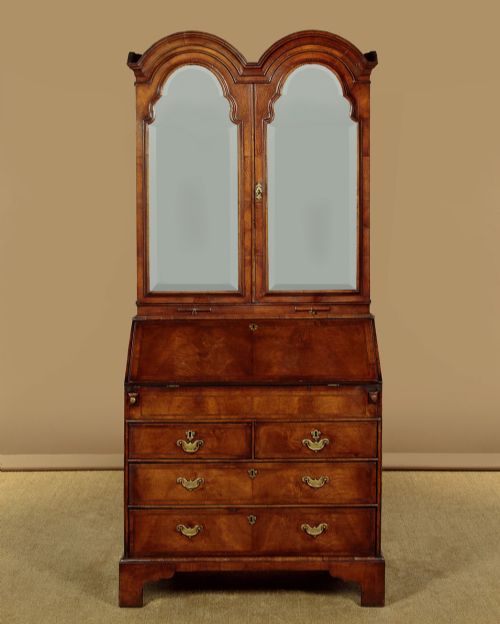
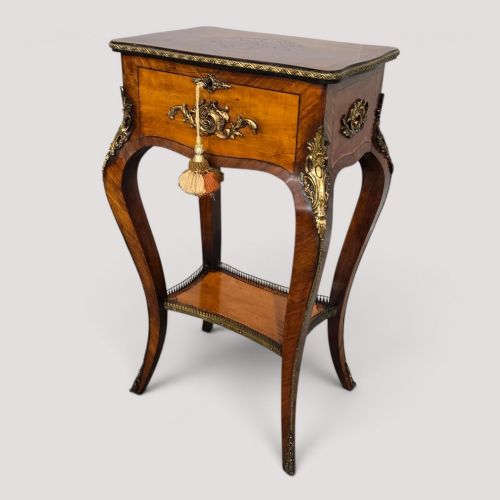
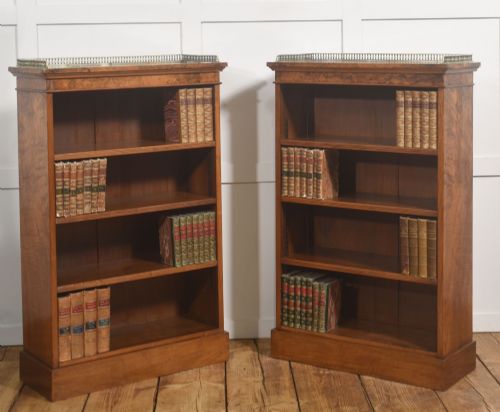
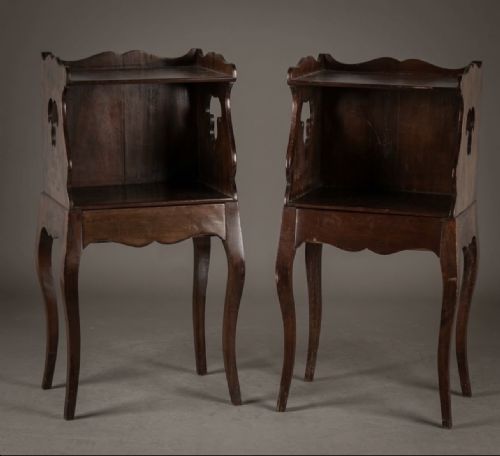
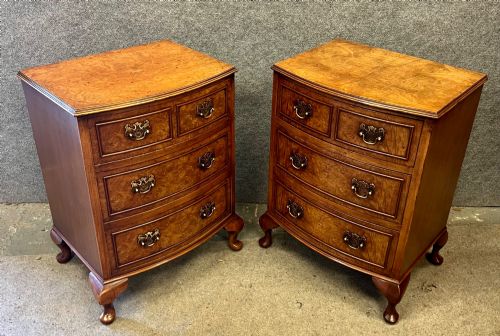
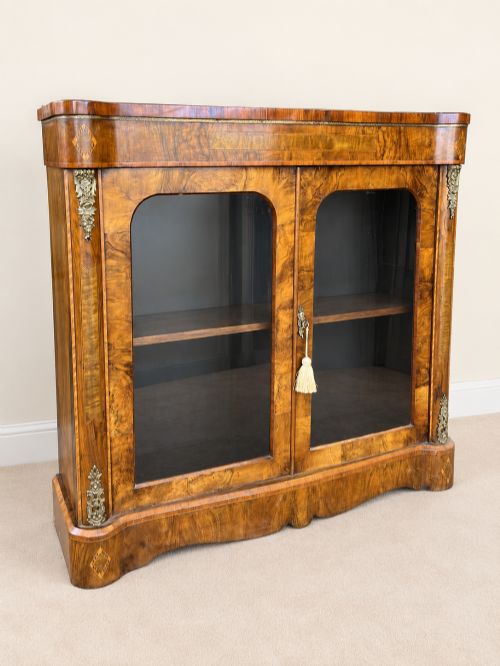
When searching for an antique style walnut cabinet, you encounter a wide selection of revival furniture spanning the nineteenth and twentieth centuries. These pieces encompass everything from display cabinets and cocktail cabinets to sideboards, bedside tables, and chest of drawers.
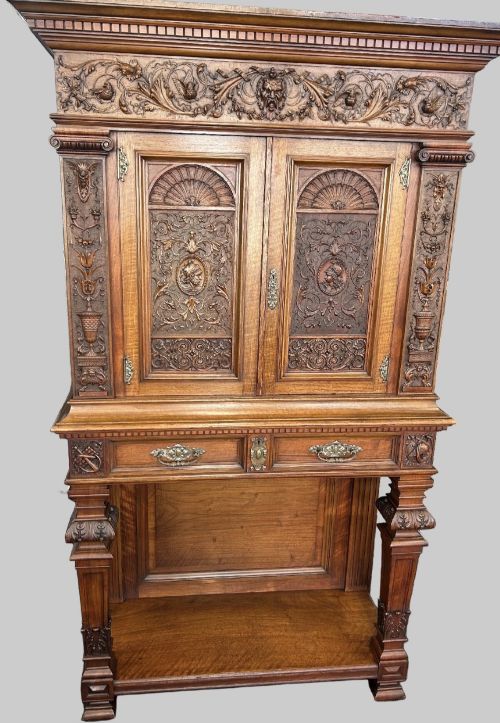
The dominant aesthetic draws heavily on earlier eras, most notably the Queen Anne style with its signature cabriole legs and pad feet. Pieces also channel French Louis XV, Louis XVI, and Georgian revivals alongside Art Deco interpretations.
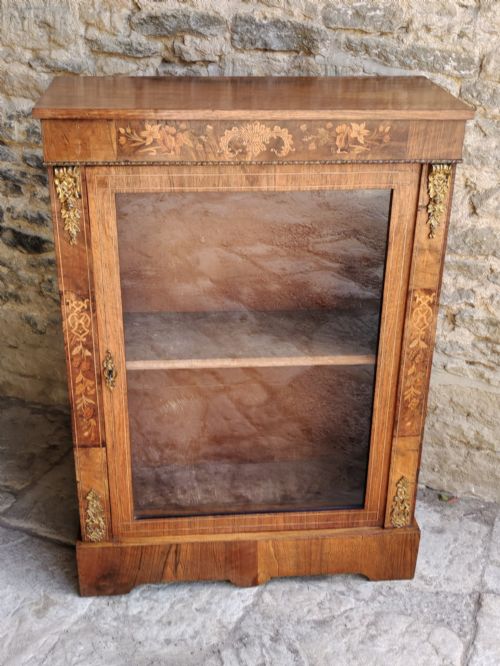
The archive and current listings demonstrate a strong preference for twentieth-century craftsmanship replicating seventeenth and eighteenth-century forms. Walnut and burr walnut dominate the selection, often enriched with marquetry inlay and brass mounts.
Materials and construction
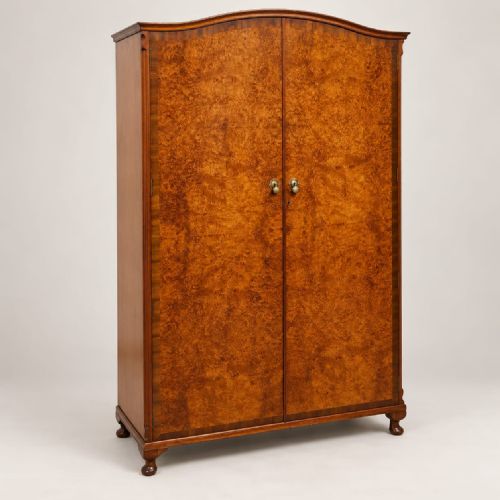
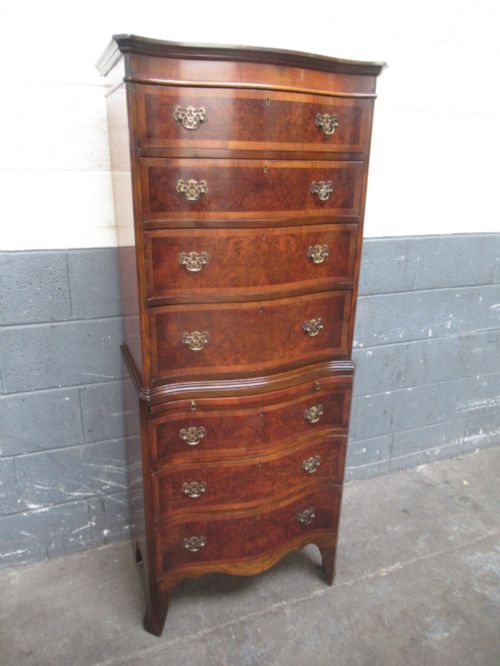
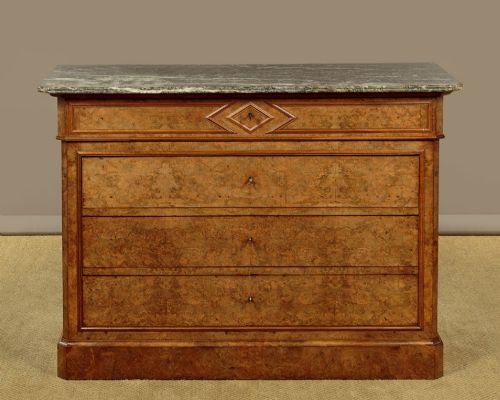
Cabinet makers utilised figured walnut and burr walnut veneers to create striking symmetrical patterns across doors and drawer fronts. Solid walnut provided the structural framework for carcases, legs, and mouldings.
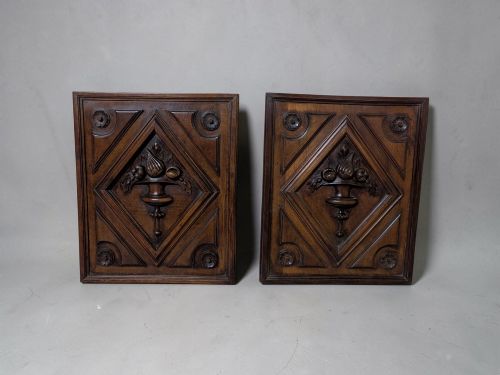
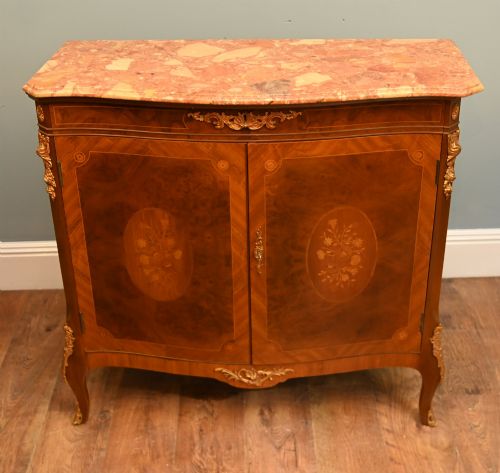
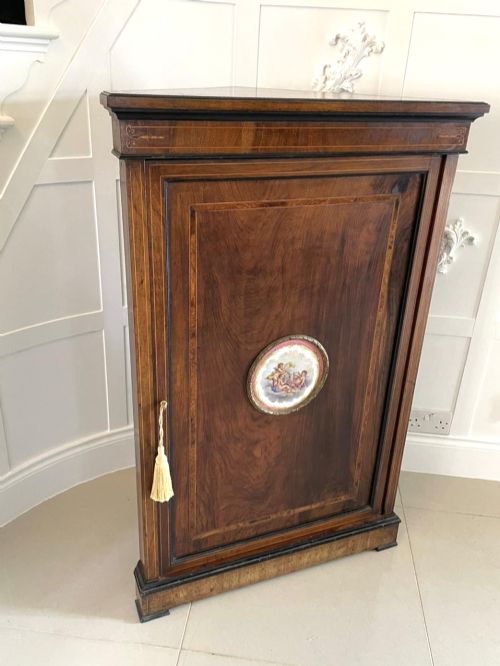
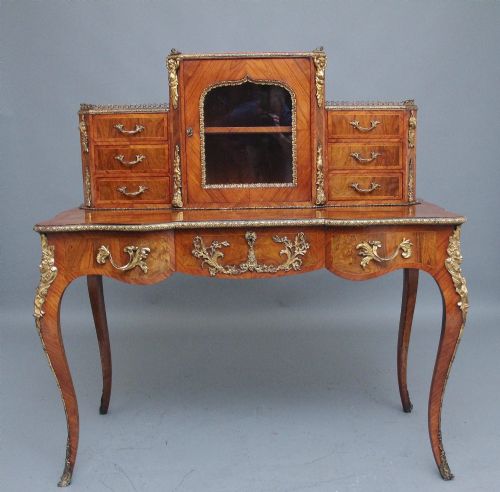
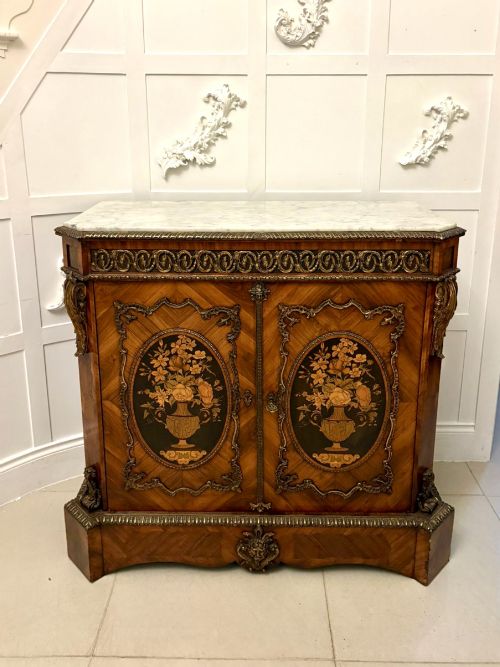
Decoration relied on marquetry inlay, brass handles, ormolu mounts, and occasionally porcelain plaques or marble tops. These decorative elements reflected the prevailing French and English revival styles of the period.
Joinery techniques combined traditional hardwood carcase construction with meticulous veneer work. Surfaces were French polished to highlight the deep amber tones and swirling figure of the timber.
Several cocktail cabinets from the 1930s still retain their mirrored interiors, ready for retro evening gatherings.
Assessing quality in walnut furniture
Quality rests primarily in the selection and matching of the walnut veneer across the facade. Superior pieces display continuous, book-matched burr walnut grain that flows seamlessly across doors and drawers.
The crispness of carved details, the weight and finish of brass or ormolu mounts, and the integration of marble tops distinguish finer examples from standard production. Interior fittings, such as adjustable shelving and well-fitted cocktail compartments, further elevate the piece.
Structural integrity depends on stable timber movement and precise drawer construction. Cabinets retaining original hardware and a deep, even patina command greater appreciation.
Gabriel Viardot·Gillows·Maple and Co·Hille
The Antique Style Walnut Cabinet Glossary
- Burr walnut
- A prized veneer sliced from the woody growths on walnut trees, yielding intricate, swirling grain patterns. It forms the decorative surface on many high-end revival cabinets.
- Marquetry
- The art of applying pieces of veneer to a structure to form decorative patterns and pictures. Floral motifs frequently appear on nineteenth-century credenzas and side cabinets.
- Ormolu
- Gilded bronze used for decorative mounts and furniture feet. It adds metallic contrast to dark walnut timbers on French-influenced pieces.
- Credenza
- A sideboard or display cabinet originating from the Victorian era. These low-profile storage pieces often feature glass doors and elaborate marquetry.
- Cabriole leg
- A furniture leg that bends outward and then tapers inward, finishing in a pad or claw foot. This shape is characteristic of Queen Anne revival pieces.
Antique Style Walnut Cabinet: Frequently Asked Questions
What is an antique style walnut cabinet used for?
These cabinets serve multiple domestic purposes, acting as display spaces for porcelain, sideboards for dining rooms, or dedicated cocktail cabinets for entertaining. Their internal shelving and drawer configurations adapt readily to modern storage needs.
In living areas or bedrooms, pieces such as tallboys, bedside chests, and credenzas offer enclosed storage while introducing decorative warmth through their figured timber.
How do I date a walnut revival cabinet?
Dating relies on examining the secondary timbers, construction methods, and stylistic cues of the revival period. While many pieces date from the Edwardian era through the 1930s, they often interpret seventeenth or eighteenth-century aesthetics.
Hardware styles, locking mechanisms, and the type of internal linings provide further clues to whether a piece originates from the Victorian period or later twentieth-century revivals.
How do I care for walnut veneer furniture?
Walnut furniture requires protection from direct sunlight and extreme humidity fluctuations to prevent the veneer from drying or lifting. Regular dusting with a soft, dry cloth maintains the polished surface without damaging the wood.
Occasional application of appropriate wax polish helps nourish the timber and preserve the rich patina developed over decades of use.
What is the difference between walnut and burr walnut?
Standard walnut timber displays a straight, rich brown grain with occasional darker streaks, used for structural elements and solid mouldings. Burr walnut comes from an irregular growth on the tree, producing a highly figured, swirling pattern.
Cabinet makers apply burr walnut as a veneer to prominent exterior surfaces to create striking visual contrast against simpler framing timbers.