
Antique Style Wall Hanging
These antique style wall hanging pieces bring period character to a room, ranging from carved gilt mirrors to wool tapestries.
Antique Style Wall Hanging
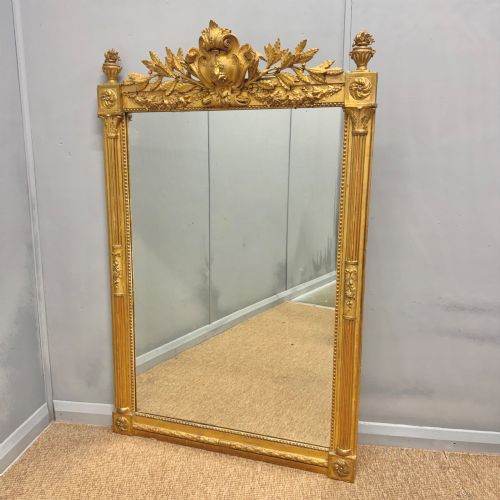
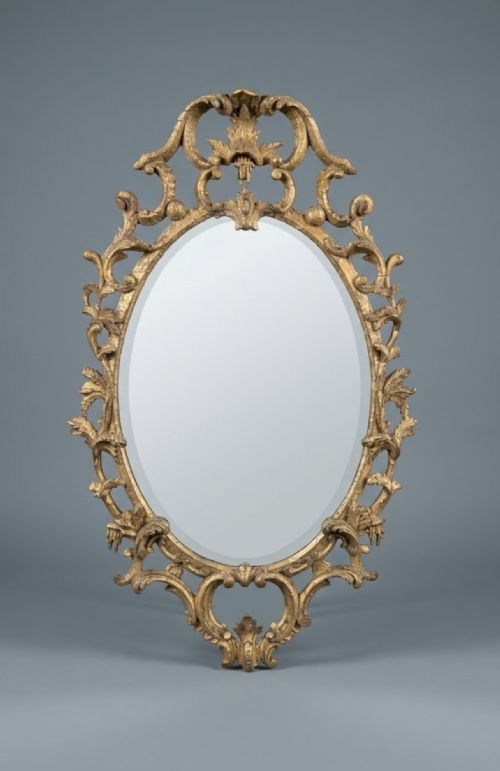
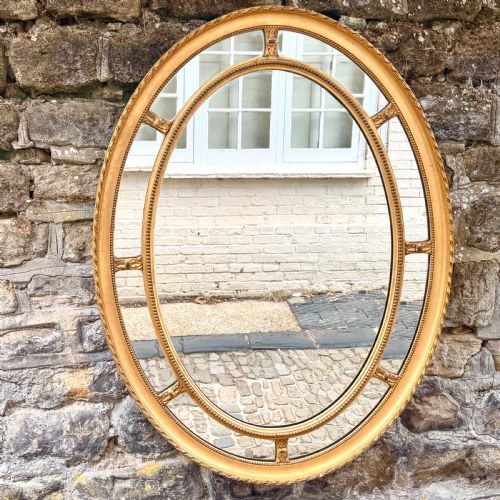
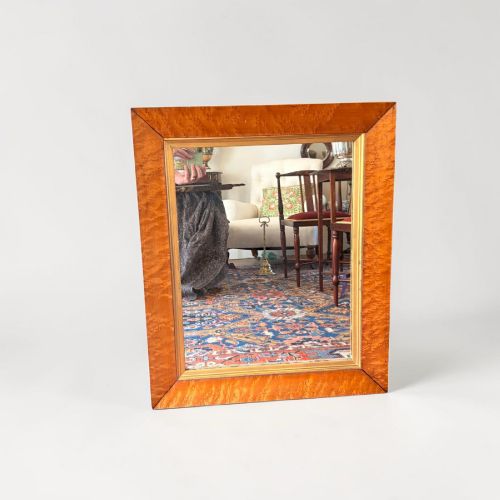
When searching for an antique style wall hanging, buyers encounter a diverse selection of decorative items designed to be mounted on interior walls, spanning multiple centuries from the Georgian era through to the 1920s.
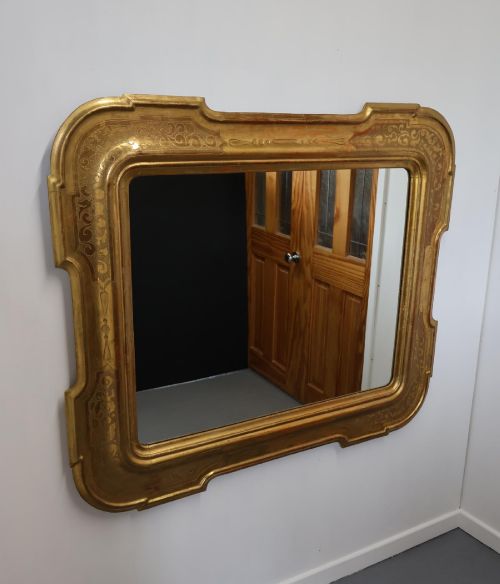
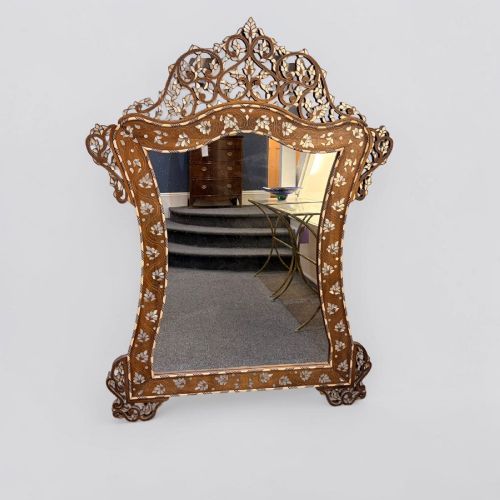
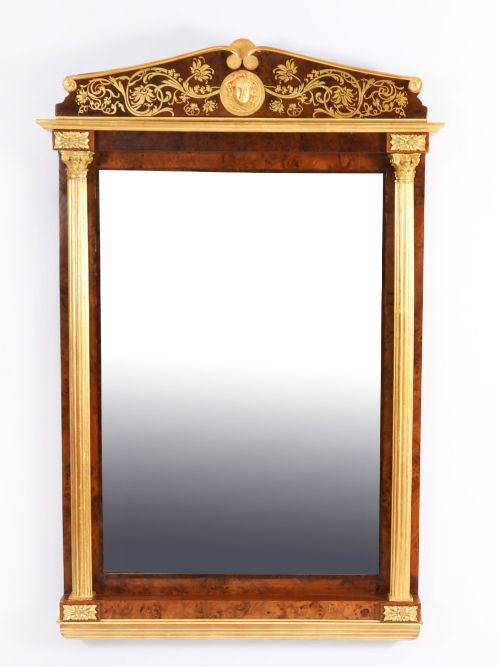
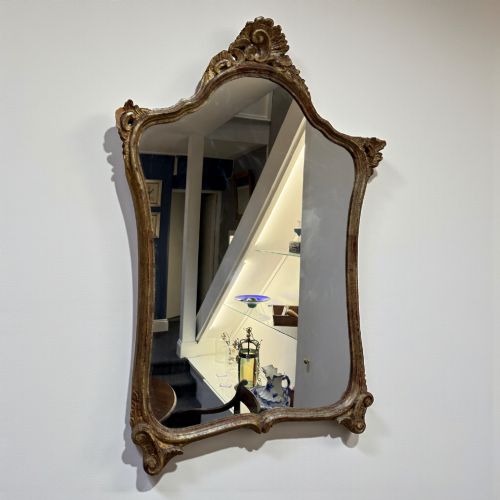
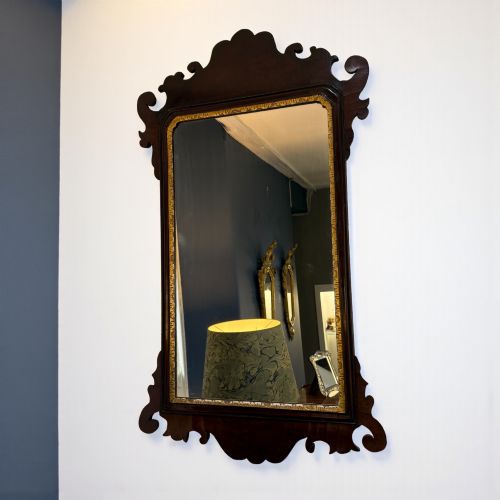
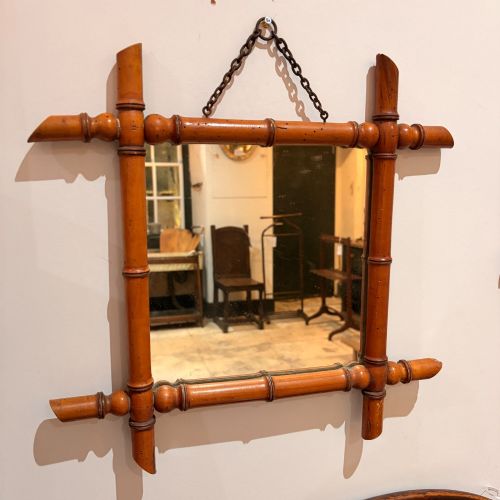
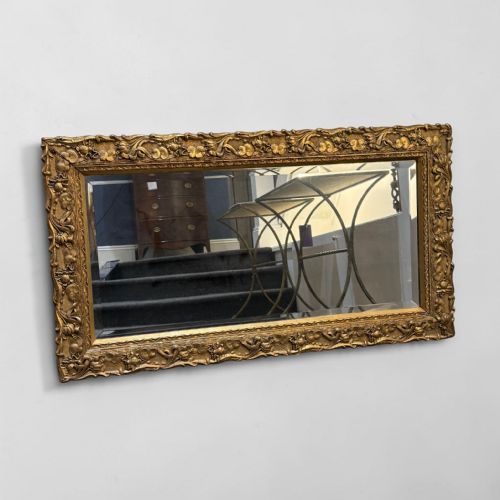
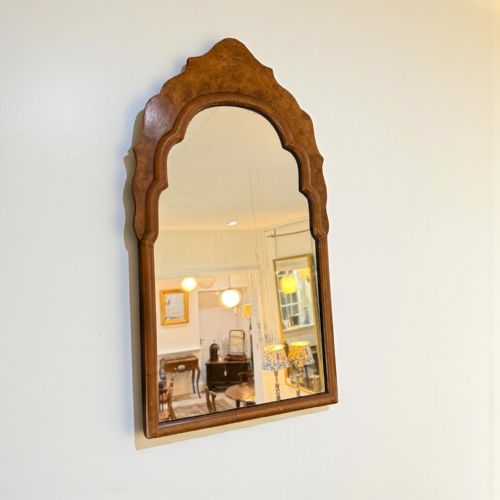
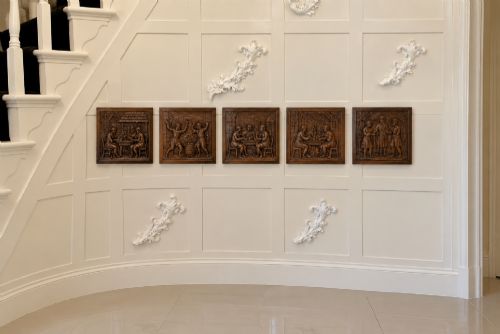
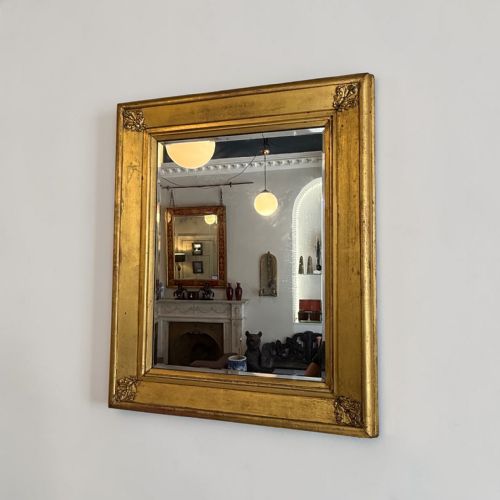
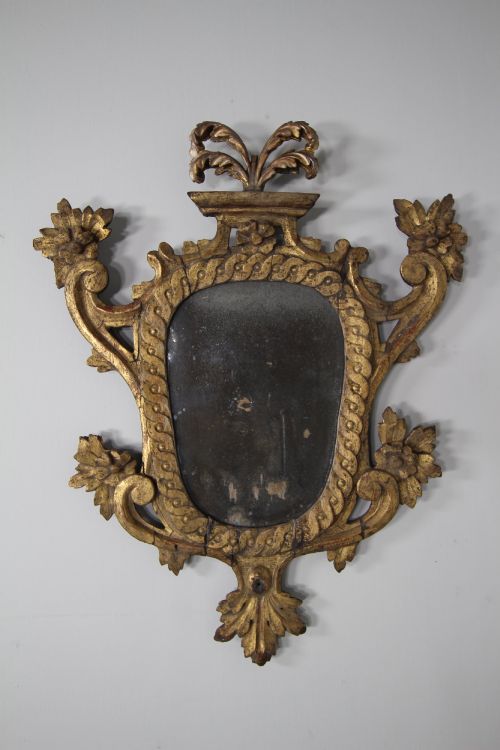
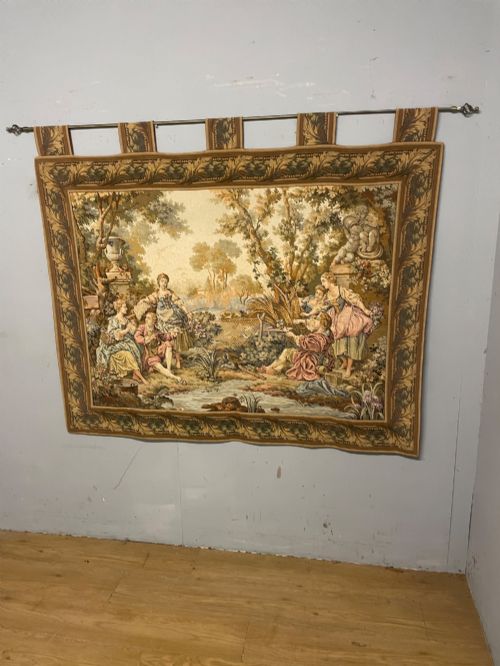
The objects themselves take many forms, most frequently appearing as giltwood and carved wooden wall mirrors, alongside framed textiles, tapestries, oak wall cabinets, decorative panels, and barometers.
Originating from British, French, and Italian traditions, these pieces reflect styles such as Rococo Revival, Gothic Revival, Chinoiserie, and Edwardian design.
Materials and construction methods
Giltwood, gesso, and plaster feature prominently on ornate mirror frames and decorative panels, often combined with applied silver-gilt or hand-painted details.
Textile wall hangings utilise wool, crewelwork embroidery, and hand-woven tapestries to create substantial decorative panels.
The inventory includes items spanning the 18th, 19th, and early 20th centuries, executed in oak, mahogany, walnut, glass, wool, and giltwood.
Distinctions in quality
Quality rests primarily in the depth and crispness of the hand-carving on wooden and gilt frames, where deep relief work denotes superior craftsmanship.
The integrity of the materials, such as the weight of the solid oak, the preservation of the original gilt layer, and the clarity of the glass plate, separates standard items from finer examples.
George Edmund Street
The Antique Style Wall Hanging Glossary
- Giltwood
- Timber that has been coated with fine gold leaf or gold paint. This technique creates the brilliant metallic sheen seen on many period mirror frames.
- Gesso
- A plaster-like mixture applied to wood surfaces as a base for gilding or painting. It allows craftsmen to mould intricate relief ornamentation before applying gold leaf.
- Chinoiserie
- European artistic style reflecting Chinese motifs and decorative techniques. It often appears on japanned cabinets and screens.
- Barometer
- An instrument used for measuring atmospheric pressure to forecast weather. Period versions are frequently housed in carved oak or inlaid timber wall cases.
- Crewelwork
- Embroidery executed with wool yarn on a heavy fabric foundation. This technique produces textured, colourful wall hangings and textile panels.
Antique Style Wall Hanging: Frequently Asked Questions
How do I hang a heavy giltwood mirror?
Heavy mirrors and wall cabinets require secure fixing directly into wall studs or solid masonry using appropriate brackets.
Professional mirror hangers often utilise a French cleat system to distribute the weight evenly across the wall surface.
Are these textile tapestries fragile?
Wool and embroidered textile panels need protection from direct sunlight to prevent the fibres from fading over time.
Gentle vacuuming with a low suction attachment through a mesh screen helps remove dust without damaging the weave.
What is a pier mirror?
A pier mirror is a tall, narrow glass designed specifically to hang on the wall space between two windows.
They often sit above small console tables and were traditionally used to reflect natural light deeper into period rooms.
How do I identify a Victorian barometer?
Victorian barometers usually feature carved oak or mahogany timber cases with visible mercury tubes and engraved brass dials.
Inlaid woodwork and turned wooden bezels are also common characteristics of weather instruments from this period.