

Antique Style Urn
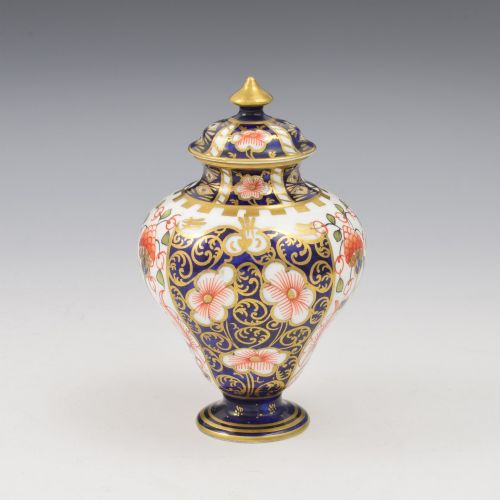
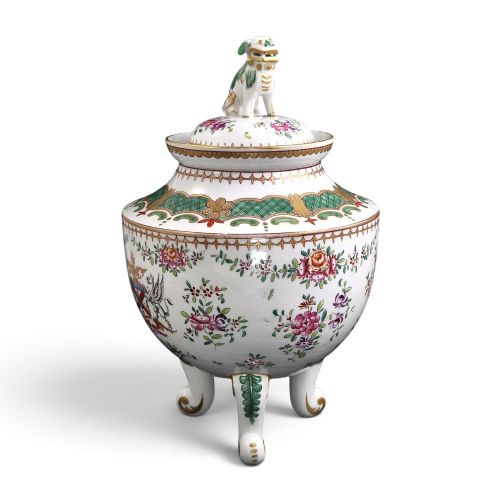
When you search for an antique style urn, you are looking at decorative vessels that borrow classical forms to bring architectural weight into a room.
Antique Style Urn
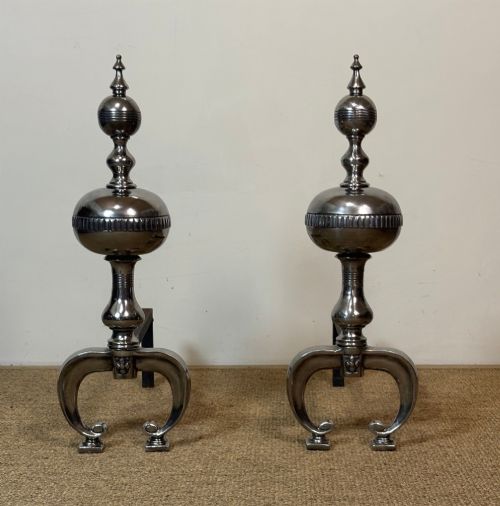
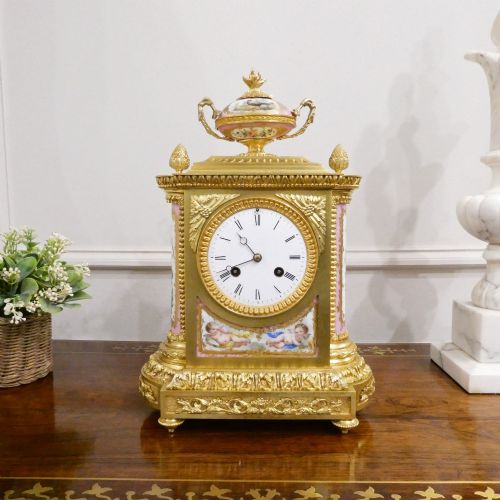
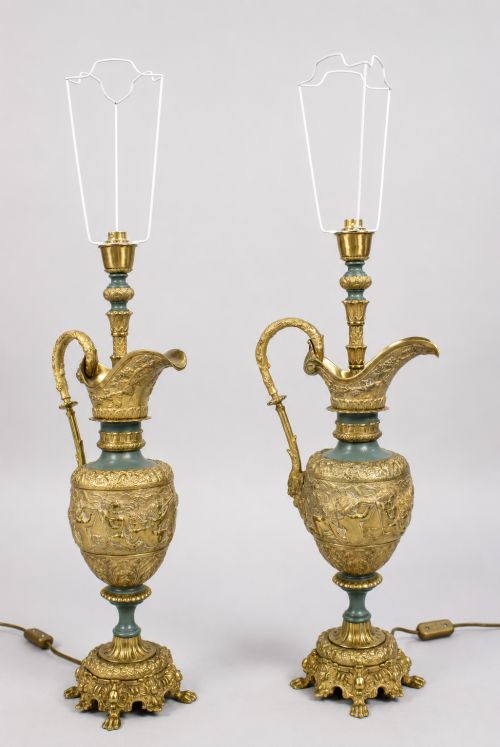
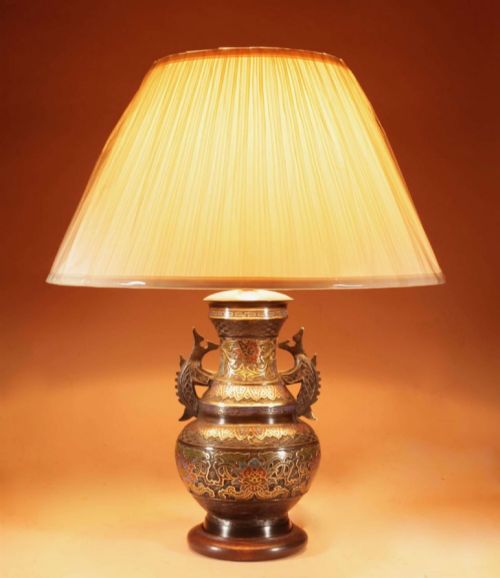
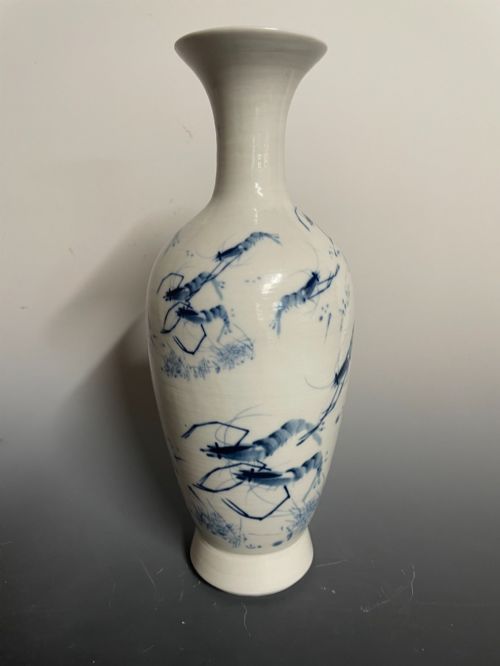
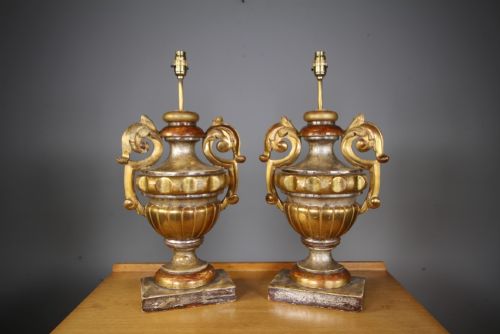
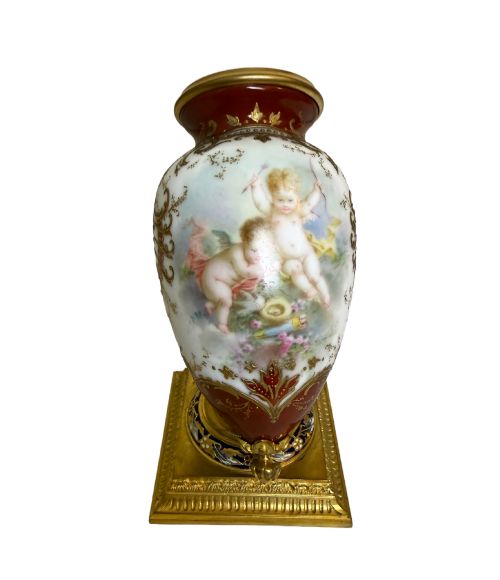
The phrase antique style urn covers a broad array of decorative vessels, table lamps, and mantel clocks drawing on classical European vocabularies.
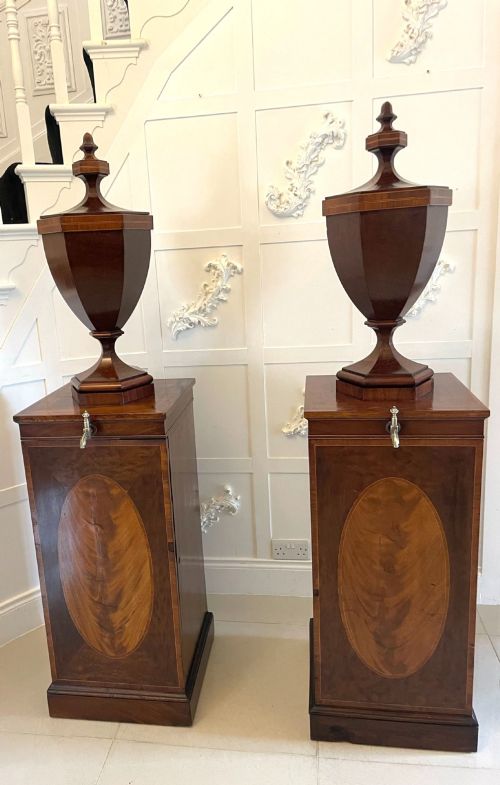
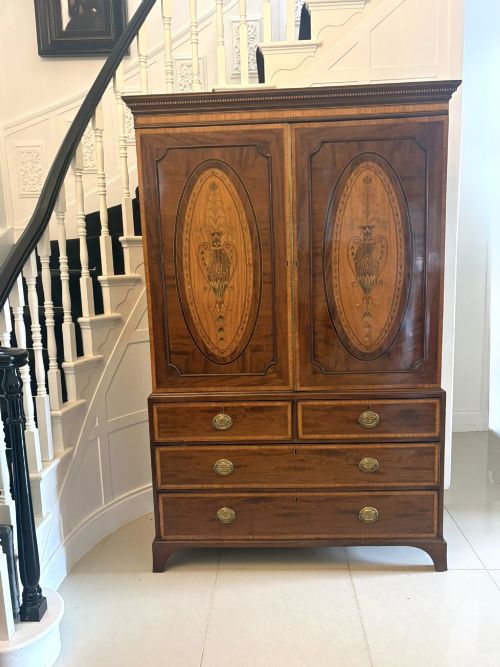
The pieces on this page span the nineteenth century and the Georgian era, encompassing forms ranging from porcelain vases to heavy bronze and marble compositions.
Buyers will encounter items influenced by Neoclassical, Rococo, and Renaissance Revival movements, often utilised as centrepieces or mounted as lighting.
Materials and construction
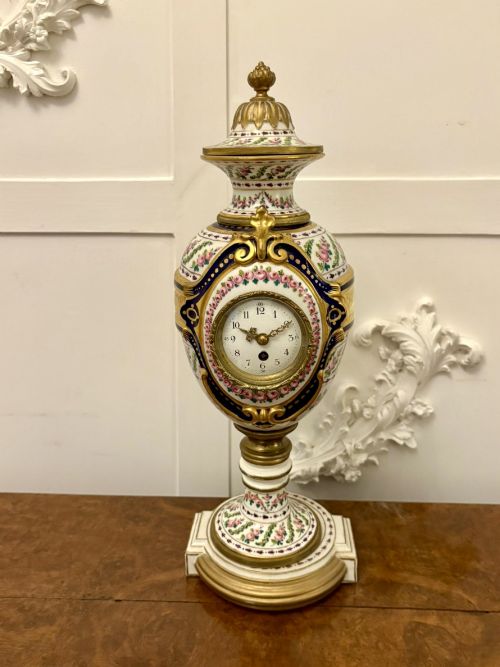
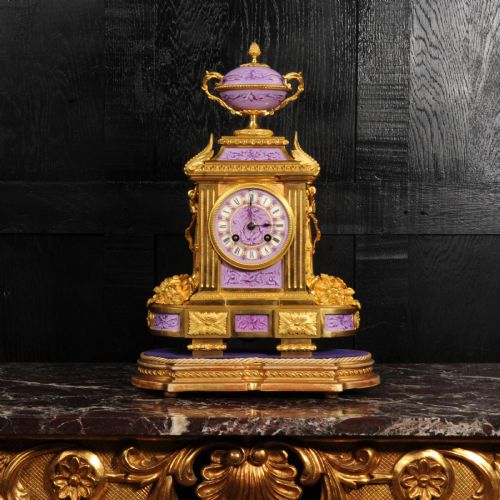
Maker construction frequently combines ceramic bodies such as porcelain or faience with cast metal mounts in gilt bronze, ormolu, or brass.
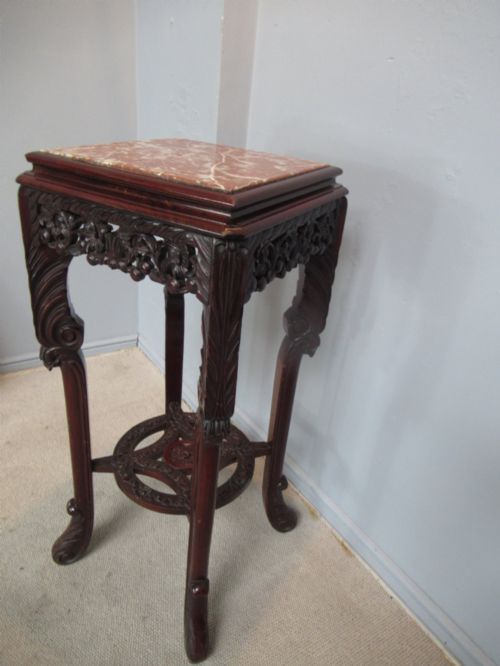
Cabinetmakers and bronze-founders employed hand-carved mahogany, giltwood, and patinated spelter, often finishing surfaces with hand-painted details and enamel highlights.
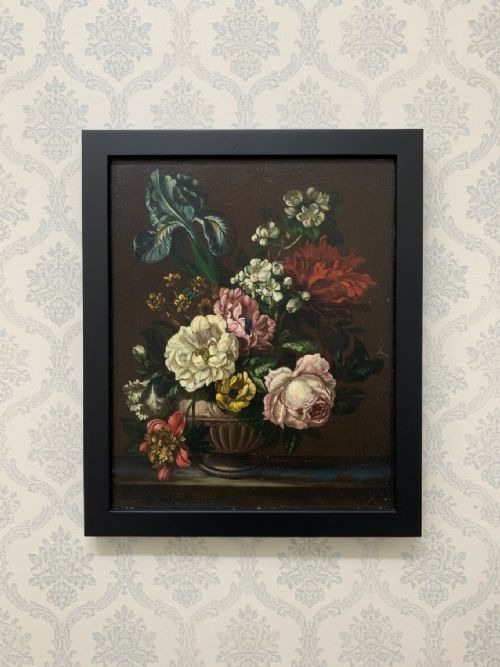
Several items combine tea caddies, stoves, and paintings within the broader urn category.
Assessing quality in decorative urns
Quality rests upon the crispness of the cast or carved detail and the depth of the finish, whether hand-painted porcelain or fire-gilt bronze.
Superior examples demonstrate careful integration between ceramic or stone bodies and their metal mounts, rather than hurried assembly.
Achille Brocot·Casier·Edmond Tetard·Fourmaintraux-Courquin·Gillows Of Lancaster
The Antique Style Urn Glossary
- Ormolu
- Gilt bronze mounted on decorative objects, created through an amalgam of mercury and gold. This technique produces a characteristic warm, dull lustre.
- Neoclassical
- A style rooted in classical Greek and Roman art. It relies on symmetry, restraint, and classical motifs such as urns and swags.
- Sèvres
- A French porcelain manufactory known for high-quality soft-paste ceramics. Pieces often feature rich blue grounds paired with heavy gilding.
- Spelter
- An alloy of zinc and lead used as a cheaper alternative to bronze. It takes patination well but lacks the weight of true bronze.
- Maiolica
- Italian tin-glazed earthenware dating from the Renaissance onwards. It typically displays bright painted colours on an opaque white background.
Antique Style Urn: Frequently Asked Questions
What periods do these urns come from?
The pieces span the nineteenth century, including Georgian and Edwardian revivals.
They reflect historical design movements rather than strict archaeological eras.
How were these decorative urns used?
Many served purely as decorative focal points or mantel garnitures in period interiors.
Others were later adapted as table lamps or utilised as tea caddies.
How do I style an antique urn at home?
Place heavy bronze or marble examples on side tables or architectural pedestals.
Pair porcelain or faience vessels with neutral backgrounds to highlight their hand-painted colours.
How can I tell a revival style apart?
Examine the material composition and mounting techniques used across the body.
Nineteenth-century makers often combined classical motifs with contemporary casting methods.