
Antique Style Side Table
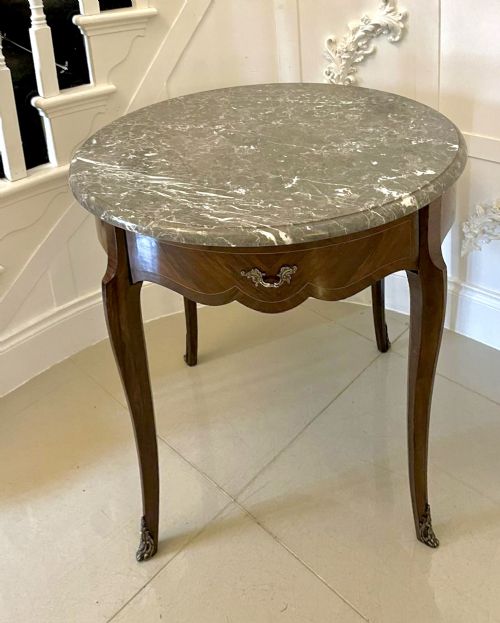
An antique style side table brings versatile surface space and period character into a room, spanning styles from Georgian mahogany to Louis XV revival marquetry.
Antique Style Side Table
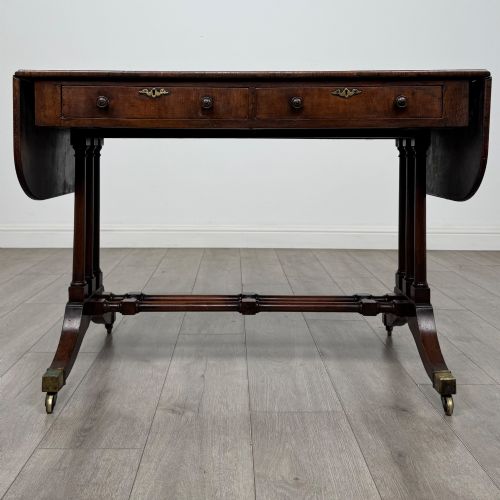
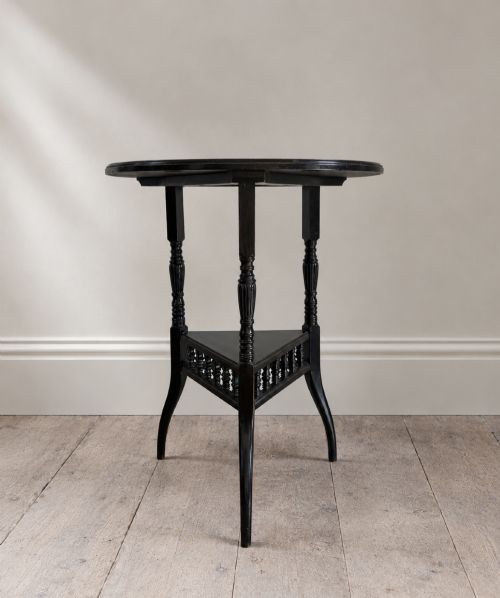
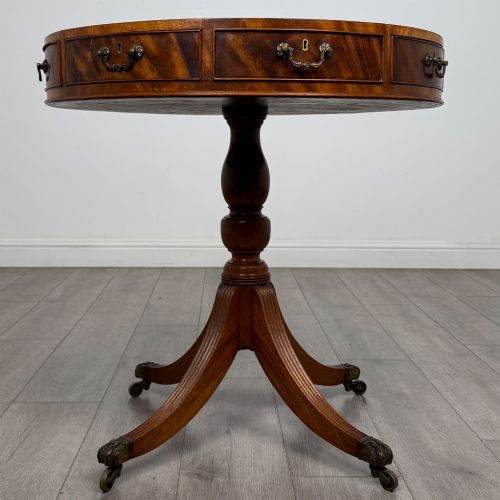
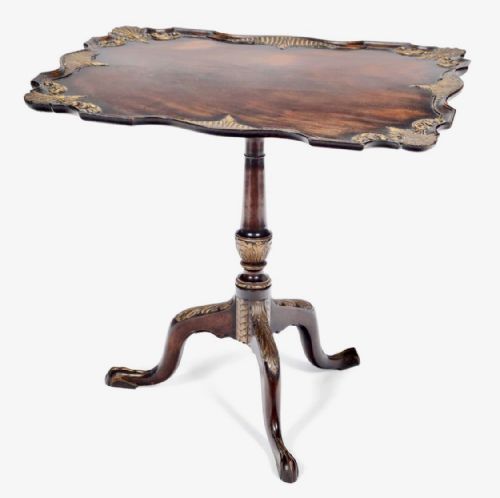
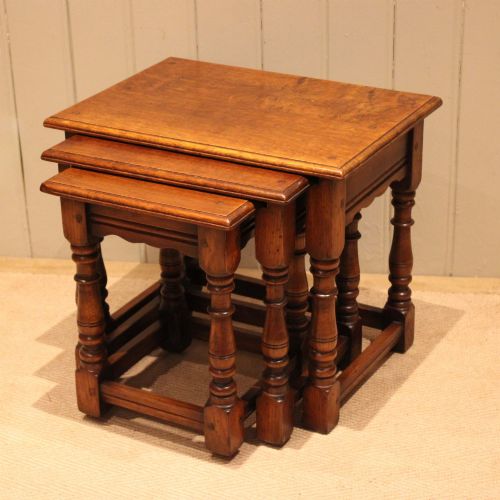
An antique style side table encompasses compact occasional furniture designed for practical placement beside seating or against walls, appearing in forms such as drum tables, tripod tables, and nests of tables.
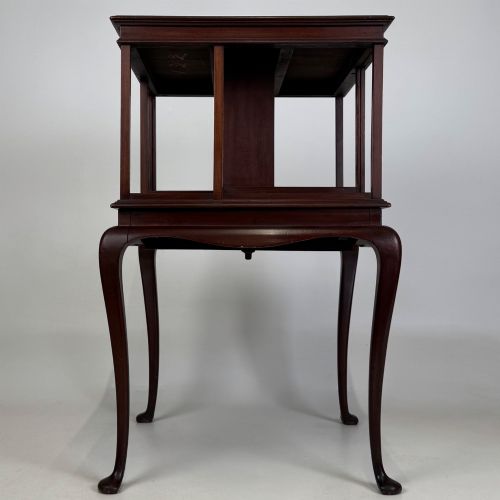
The pieces on this page draw on historical aesthetics spanning the eighteenth, nineteenth, and early twentieth centuries, reflecting revivals of Regency, Queen Anne, and Louis XV designs alongside Arts and Crafts craftsmanship.
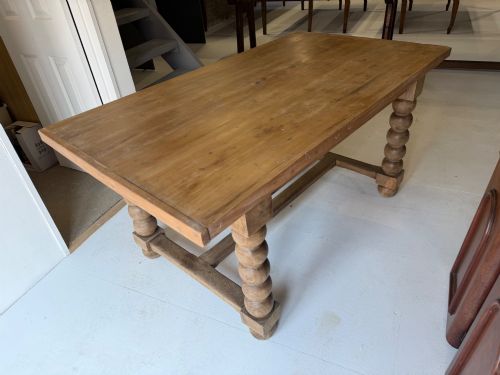
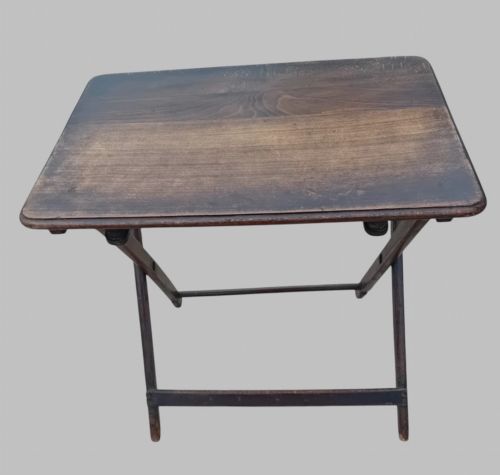
Buyers will encounter varied interpretations of these forms, ranging from solid oak vernacular pieces to finely inlaid satinwood and kingwood examples intended for formal drawing rooms.
How they were made
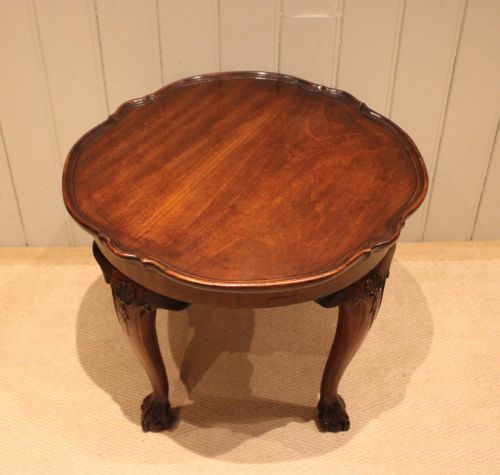
Cabinet makers utilised dense hardwoods such as mahogany, walnut, and oak as the structural foundation for these tables, often selecting figured veneers for table tops.
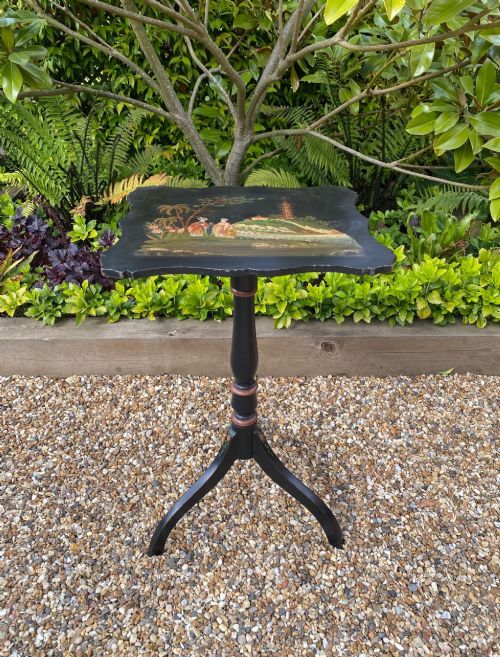
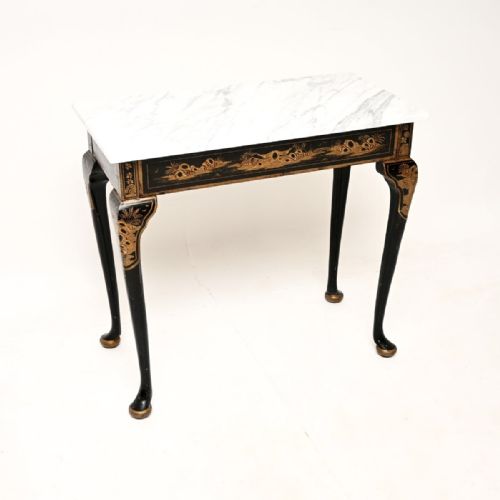
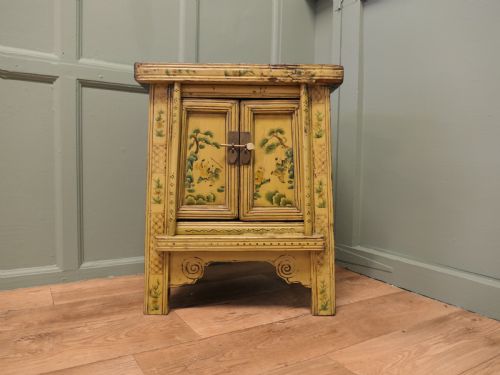
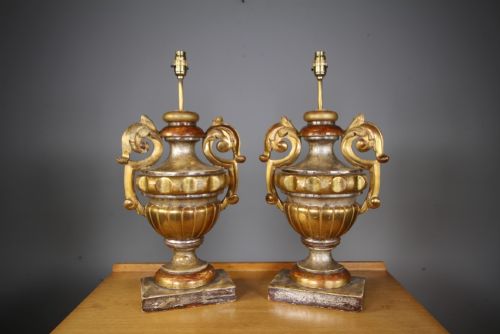
Decorative surface techniques include marquetry, parquetry, hand-painted Chinoiserie lacquer, and parcel gilding, which enhance the visual depth of the timber.
Mounts in ormolu and brass provide structural accents and decorative framing, particularly on French revival pieces.
Listings feature oak, mahogany, walnut, and kingwood alongside brass and marble.
What varies in quality
The standard of execution in timber selection and inlay determines the distinction between ordinary and exceptional tables, with figured mahogany and finely cut kingwood representing the upper tier.
Joinery execution dictates longevity and structural integrity, visible in the precision of drawer linings, the stability of tripod bases, and the seamless fit of parquetry patterns.
JAS Shoolbred·Liberty and Co
The Antique Style Side Table Glossary
- Marquetry
- Decorative veneer applied to furniture in patterns using different woods, metals, or shells. This technique creates pictorial or geometric designs on table tops.
- Ormolu
- Gilded bronze used for furniture mounts and decorative hardware. It adds metallic contrast to dark woods like kingwood and mahogany.
- Tripod table
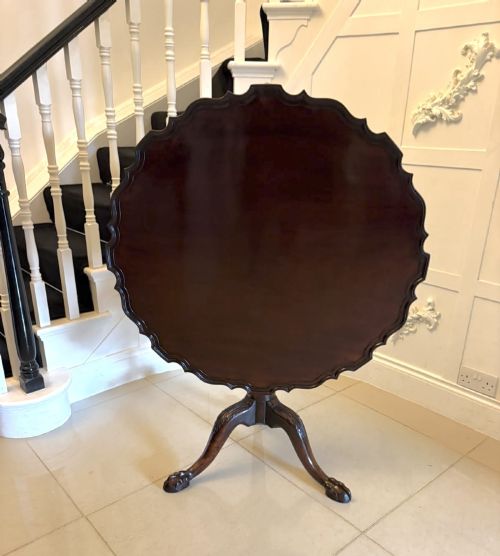
- A small freestanding table supported by a central pillar resting on three legs. These versatile tables frequently feature tilt-top mechanisms.
- Parquetry
- Geometric wood inlay forming mosaic patterns on surfaces. It differs from marquetry by strictly utilising angular, repeating shapes.
- Piecrust edge
- A raised, carved decorative rim shaped like pastry crust along the circumference of a circular table top. This detail is commonly found on tilt-top tables from the eighteenth century.
Antique Style Side Table: Frequently Asked Questions
Where should I place an antique style side table?
These versatile tables fit easily beside armchairs, sofas, or empty hallway walls where surface area is needed. Their compact footprints make them suitable for both large reception rooms and smaller bedrooms.
Consider the height of existing furniture to ensure the table surface remains accessible. Console and lamp variants work particularly well against blank walls paired with wall art or table lamps.
How do I identify different period styles?
Period identification relies on observing specific decorative motifs and structural proportions. Georgian pieces often display clean classical lines and mahogany timber, while Victorian items lean towards heavier carving and varied revival influences.
Later Edwardian interpretations frequently blend lighter satinwood inlays with simplified forms. Examining the secondary woods and construction methods underneath provides further clues to age.
Are these tables practical for daily use?
Solid construction in hardwoods like oak and mahogany ensures these tables withstand everyday placement of lamps, books, and cups. Regular dusting and occasional wax polishing maintain the timber finish.
Care should be taken with veneered surfaces around liquids and direct heat sources. Using coasters protects antique polish from water marks and heat rings.
What is the difference between a side table and a console table?
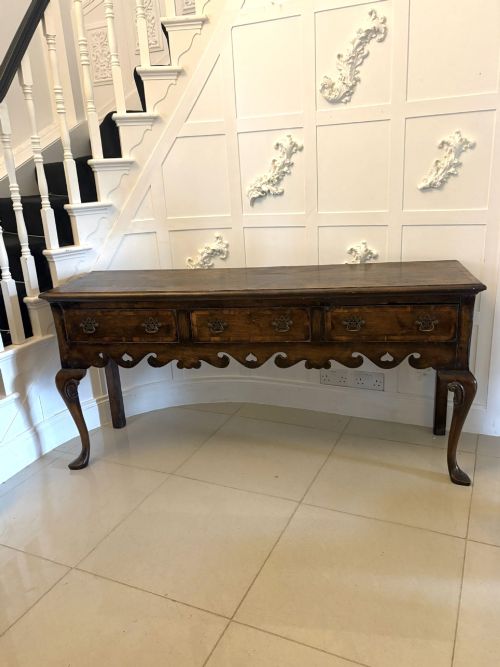
Side tables are typically freestanding items designed to be viewed from multiple angles within a room. Console tables are traditionally shallower and intended to stand flat against a wall, sometimes anchored for stability.
Console variations frequently serve as decorative sideboards or hall tables in entranceways. Both forms offer useful display surfaces but serve distinct spatial arrangements.