



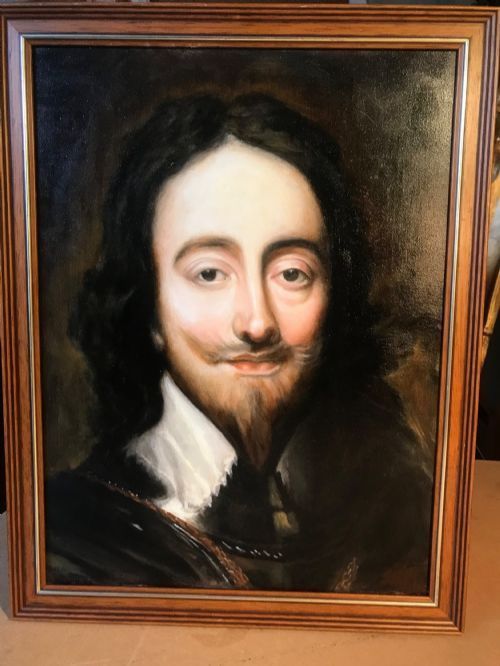
Antique Style Portrait Art
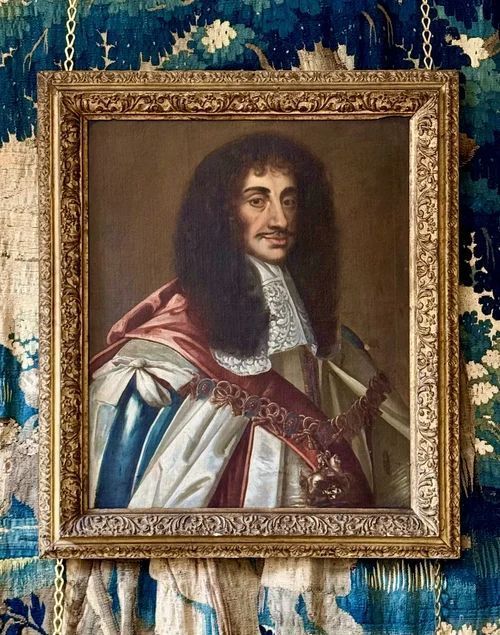
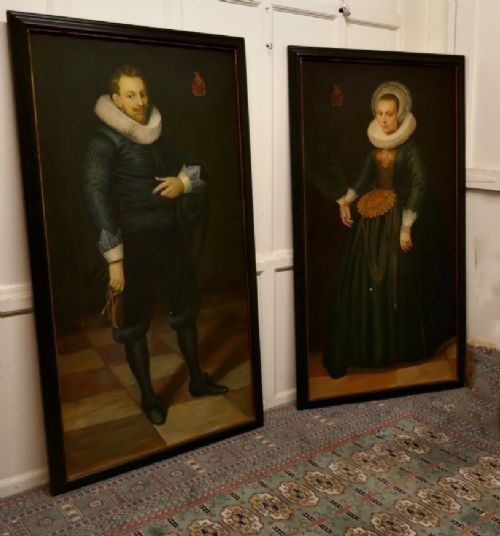
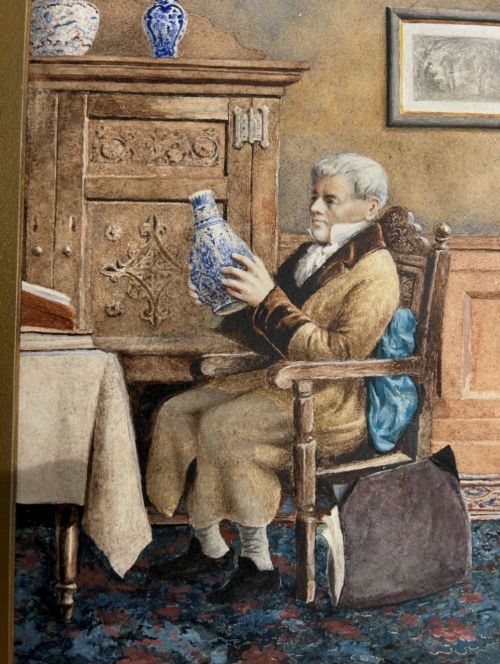
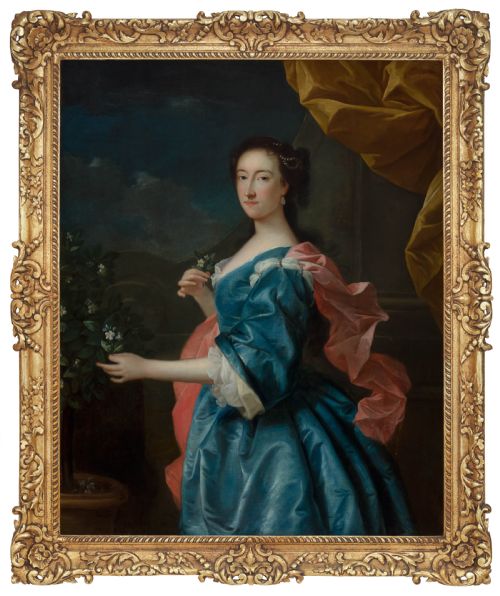
Antique style portrait art brings historical presence into a room through oil paintings, pastels, and framed prints after older masters.
Antique Style Portrait Art
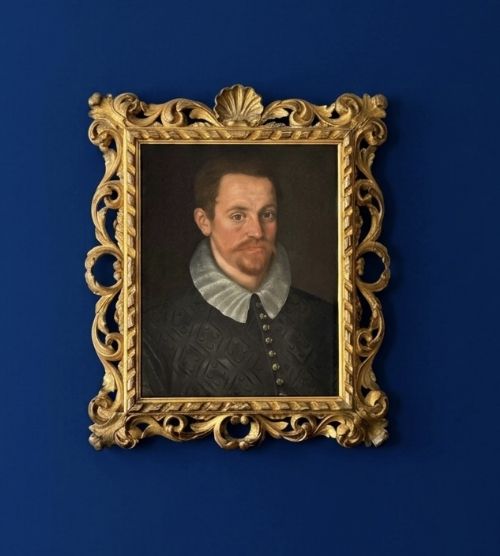
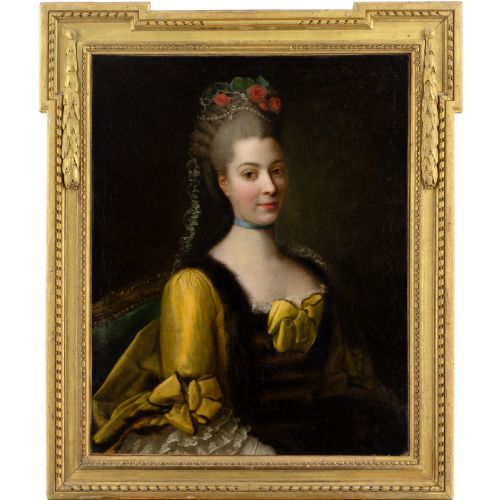
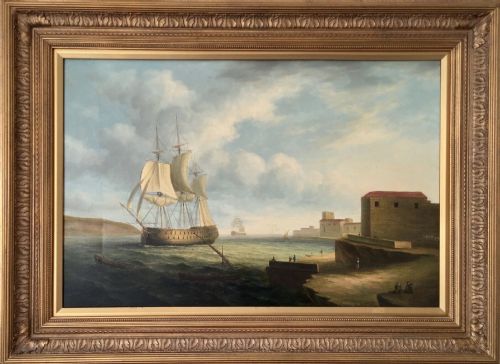
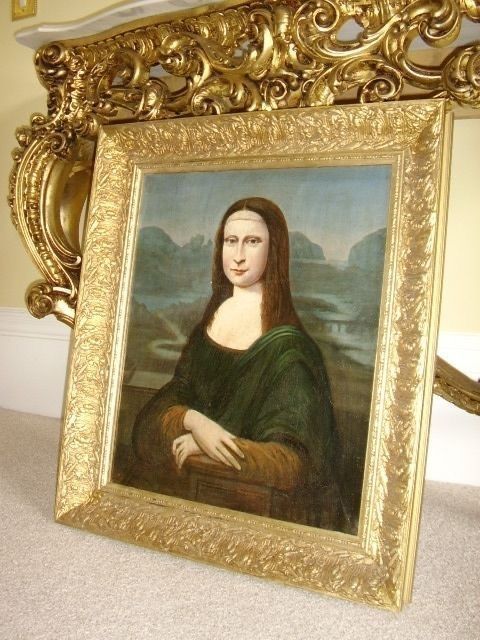
Buyers exploring antique style portrait art encounter works ranging from original seventeenth, eighteenth, and nineteenth century canvases to later reproductions and revival pieces. Many of these artworks represent copies after celebrated painters like Anthony van Dyck, Joshua Reynolds, and Sir Peter Lely.
Renaissance revival, Baroque, and Georgian styles dominate the offerings on this page. These pieces allow collectors to curate historic interiors without sourcing fragile museum-grade originals.
Materials and Techniques
Traditional oil on canvas and oil on panel form the primary medium for these portraits, applied with ground pigments and binders. Artists working in seventeenth and eighteenth century manners used layered glazes to achieve depth in skin tones and drapery.
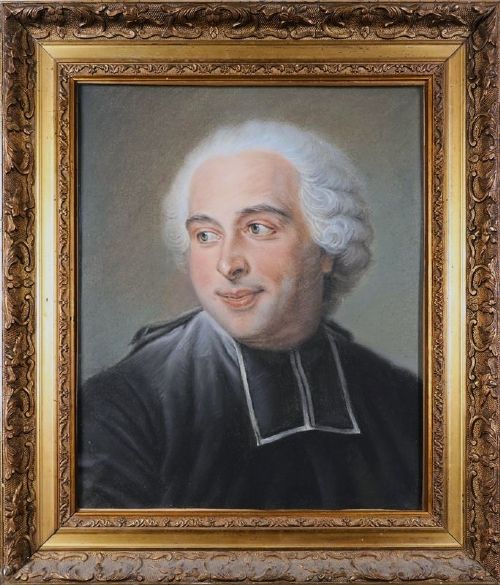
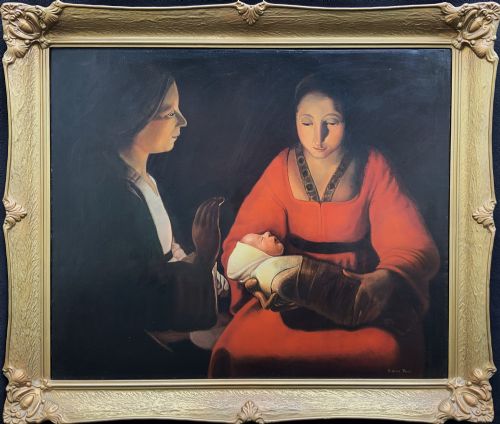
Frames play a structural and aesthetic role, frequently carved from wood and finished with gold leaf or giltwood. Ebonised finishes and swept mouldings also appear across Victorian and mid-century examples.
Listings span periods from the sixteenth century to the mid-twentieth century, recording materials such as oil on canvas, paper, glass, and gold leaf.
Quality and Execution
Quality rests in the fidelity of the brushwork and the anatomical proportion of the subject. Studio copies and works by followers of established masters display varying levels of draughtsmanship, from stiff derivations to fluid, confident character studies.
James Hardy·Maurice Quentin de la Tour·Georges de La Tour·Sir Anthony van Dyck·Sir Peter Lely·John Hayls·Jeremiah Davison·Pierre Mignard·Francisco Jose de Goya y Lucientes·Jean-baptiste Greuze·Sir Joshua Reynolds·John Wootton·Thomas Hudson·Leon Sprinck·Samuel De Wilde·Charles D'Agar·Bartholomeus van der Helst·Gian Paolo Pace·Sir Thomas Lawrence·Jonny Gaston·Allan Ramsay·Bernardino Luini·William Hogarth
The Antique Style Portrait Art Glossary
- Oil on Canvas
- A painting medium where pigments suspended in drying oil are applied to stretched woven fabric. This technique allowed artists to achieve rich tonal variations and smooth blending.
- Giltwood
- Wood carved and coated with a thin layer of gold leaf or gold powder. It provides reflective brilliance to period picture frames.
- After
- A term indicating that the work is a copy or derivative of a known composition by a specific master. It denotes homage or study rather than an original primary work.
- Renaissance Revival
- A nineteenth-century architectural and decorative arts style that drew inspiration from fifteenth and sixteenth-century European art. Works in this manner emulate the symmetry and humanist focus of the earlier epoch.
- Ebonised
- Wood treated with a chemical or stain to resemble expensive ebony. This dark finish was popular during the Victorian period for furniture and picture frames.
Antique Style Portrait Art: Frequently Asked Questions
What is an after portrait?
An after portrait is a painting executed by an artist who copied or reinterpreted an existing composition by a master painter. These works allowed patrons to own likenesses of famous subjects when the original was unattainable.
Such pieces range in date from the seventeenth century onward, demonstrating how later hands engaged with historical portraiture traditions.
How do I date a portrait frame?
Frame dating relies on the construction techniques, wood types, and moulding profiles used by the gilder or joiner. Swept giltwood frames often correspond to specific revival periods or mid-century Italian craftsmanship.
Examining the reverse of the frame frequently reveals age patination, tool marks, and fixings that corroborate the era of the artwork.
What does circle of mean?
The term circle of denotes an artist who worked in close association with a master, sharing a similar style and workshop environment. These painters produced works contemporaneous with the central figure without being direct signatories.
This attribution helps contextualise the regional and stylistic influences present in historical paintings.
How should I hang oil portraits?
Oil portraits on canvas require stable environmental conditions away from direct sunlight and excessive humidity. Wall placement should utilise secure fixings suited to the weight of heavy giltwood frames.
Pairing complementary pieces from similar periods creates a cohesive gallery display reminiscent of historic country house interiors.