


Antique Style Lighting
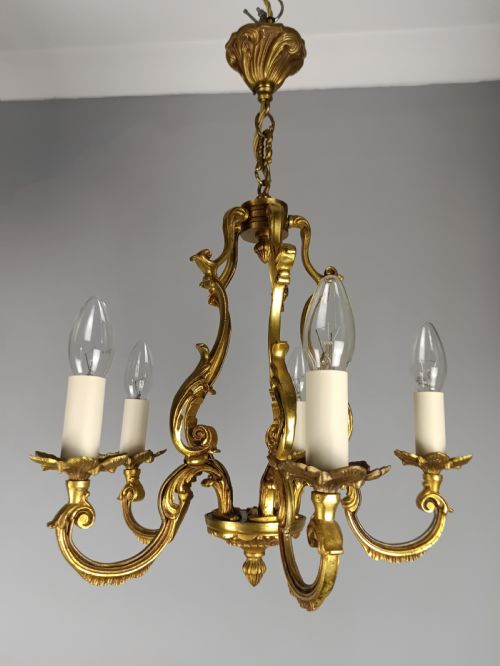
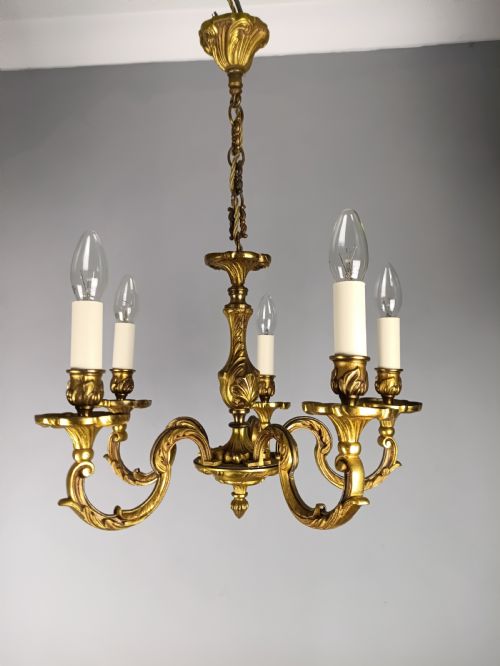
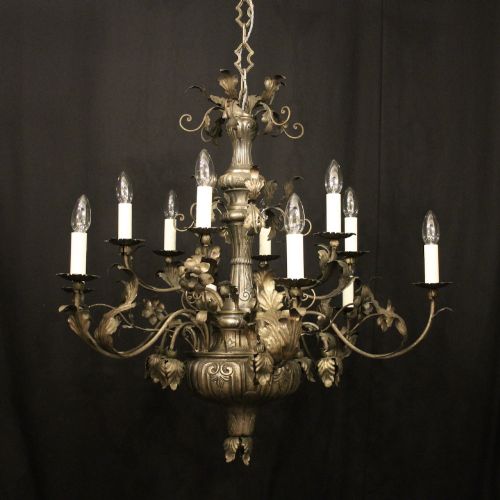
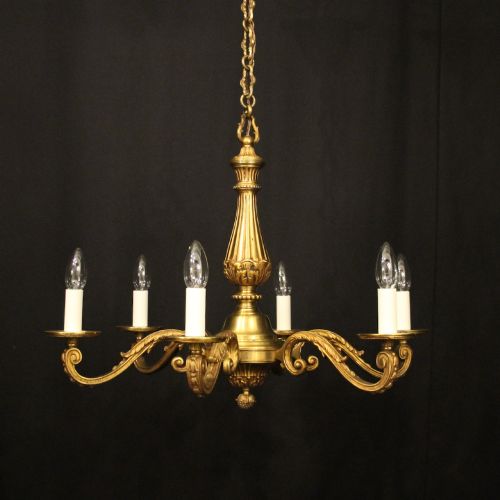
Antique style lighting brings character to a room through period chandeliers, sconces, and lamps cast in brass, bronze, and carved giltwood.
Antique Style Lighting
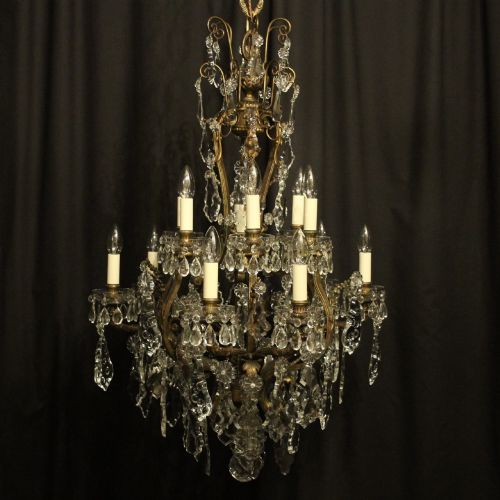
When buyers search for antique style lighting, they encounter period illumination spanning the eighteenth century through to the 1930s. The selection focuses heavily on hanging chandeliers, wall lights, and table lamps originating from French and Italian workshops.
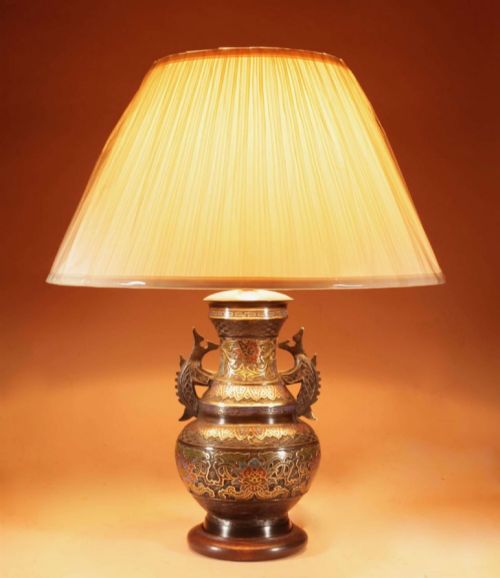
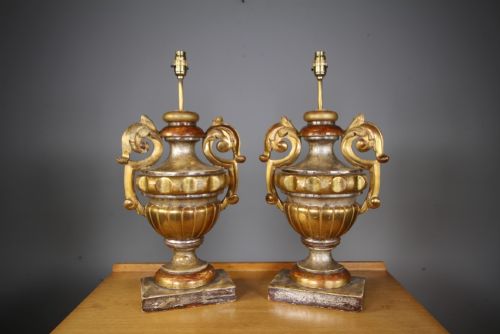
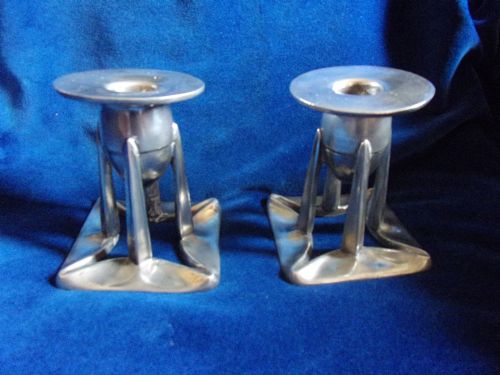
Table lamps and candlesticks provide smaller-scale options, including carved pine urn lamps, lacquered chinoiserie bases, and bronze figures. These domestic pieces draw on Neoclassical, Empire, and Arts and Crafts design vocabularies.
Materials and methods of construction
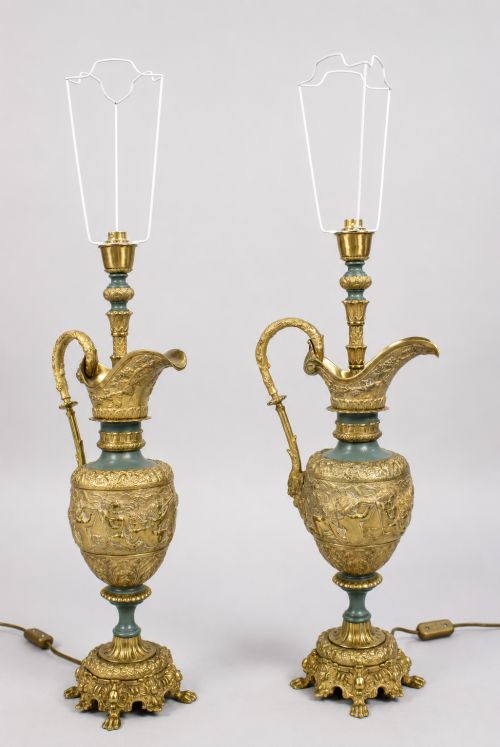
Metalworking forms the core of these pieces, utilising brass, bronze, gilt bronze, pewter, and silver plating shaped into complex arms and frames. Foundries cast metal components before applying mercury gilding, silvering, or patination.
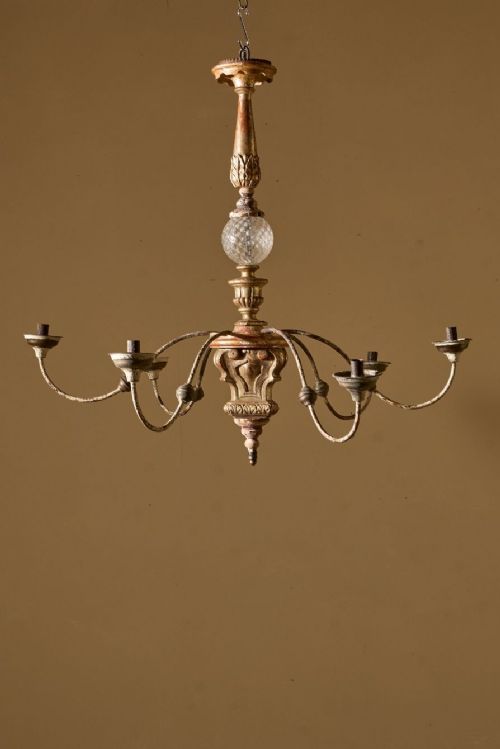
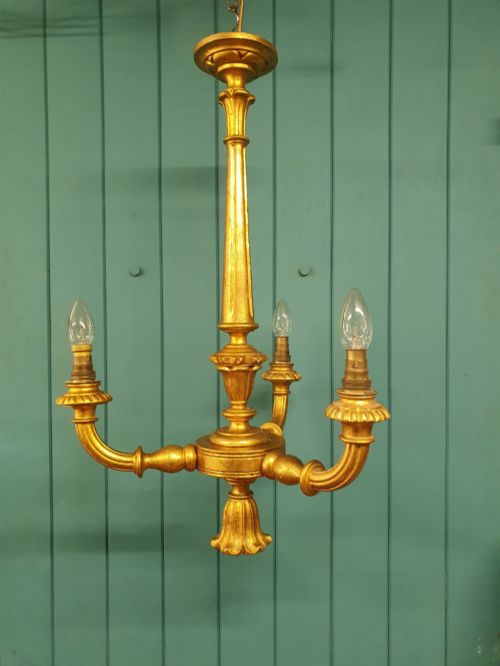
Woodcarving and lacquer work appear frequently in lamps, girandoles, and mirror frames. Artisans carved pine and giltwood, or applied layered ochre lacquer to create decorative Chinoiserie surfaces.
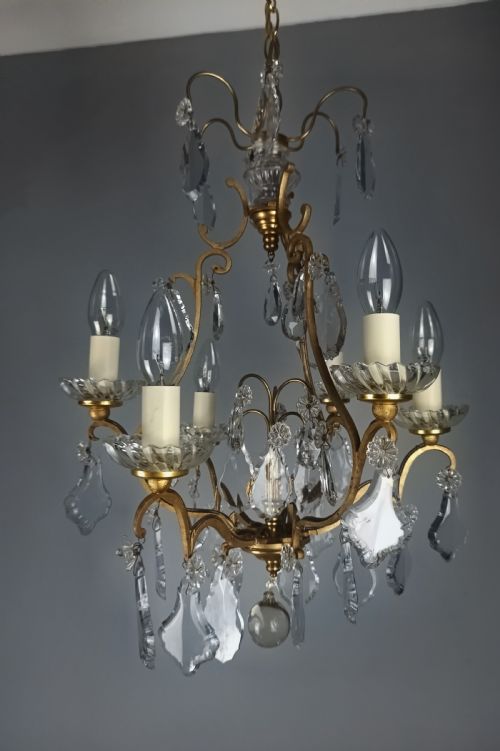
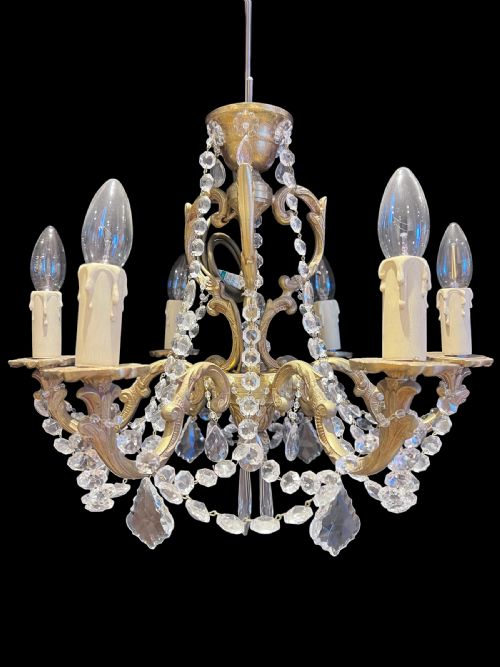
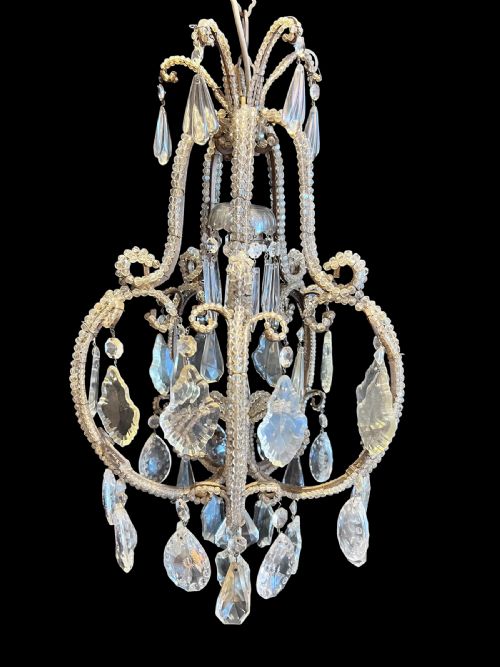
Glass and crystal elements complete many hanging fixtures, featuring cut glass lustres, beads, and moulded droplets wired to metal armatures.
Object types include chandeliers, table lamps, candlesticks, wall lights, wall sconces, candelabra, chests of drawers, and floor lamps.
Factors determining quality
The precision of metal casting and chasing dictates the crispness of foliage, figures, and architectural motifs on bronze and brass frames. Superior work exhibits sharp hand-finished details rather than soft, cast-over surfaces.
The application and retention of surface finishes separate standard examples from finer pieces. Rich fire gilding, deep patination, and intact silver plating indicate higher workshop standards during production.
The integration of decorative elements, such as hand-cut crystal lustres and accurately carved giltwood, demonstrates the overall ambition of the original maker.
Archibald Knox
The Antique Style Lighting Glossary
- Chandelier
- A branched suspended light fixture designed to hold multiple candles or bulbs. These fixtures often incorporate crystal drops and metal armatures.
- Girandole
- An ornamental wall-mounted bracket holding candles, usually featuring a mirrored backplate to reflect light. Florentine examples frequently use carved and gilt wood.
- Ormolu
- Gilt bronze produced by applying a mercury and gold amalgam to a bronze base and heating it. This technique creates a durable golden finish seen on French lighting.
- Tole Peinte
- Painted or enamelled sheet metal used for decorative lanterns and shades. It appears in nineteenth-century French lighting designs.
- Pricket
- A candlestick featuring an upright spike upon which a candle is impaled. This style reflects seventeenth-century ecclesiastical lighting forms.
Antique Style Lighting: Frequently Asked Questions
What is an antique style chandelier?
These hanging light fixtures replicate historical design periods like French Empire, Neoclassical, and Rococo. They use traditional materials such as gilt bronze, brass, and crystal.
Craftsmen constructed them to hold multiple light sources, often featuring decorative elements like birdcage frames or waterfall crystal drops.
How do I light a room with period wall lights?
Wall lights and girandoles mount directly to vertical surfaces to provide ambient or accent illumination. Pairs often flank mirrors, fireplaces, or architectural doorways.
Wiring allows these fixtures to function safely with modern electricity while retaining their historical aesthetic.
What materials were used for table lamps?
Table lamps in this category incorporate carved giltwood, lacquered Chinoiserie finishes, and cast bronze figures. Materials like mother of pearl and carved pine also appear.
Many examples convert earlier candlesticks, urns, or brush pots into functional lamp standards.
How can I tell the period of a light fixture?
Dating relies on stylistic clues, casting techniques, and material combinations associated with specific decades or centuries. Evidence points to designs from the seventeenth-century style up through the 1930s.
French and Italian decorative revivals provide distinct ornamental vocabulary that helps place items in their historical context.