
Antique Style Library Desk
An antique style library desk brings period timber and leather working surfaces into a study, offering structural presence and historical character.
Antique Style Library Desk
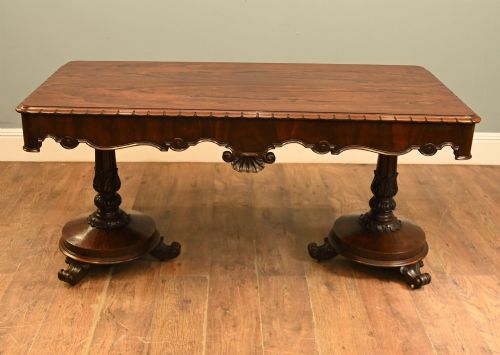
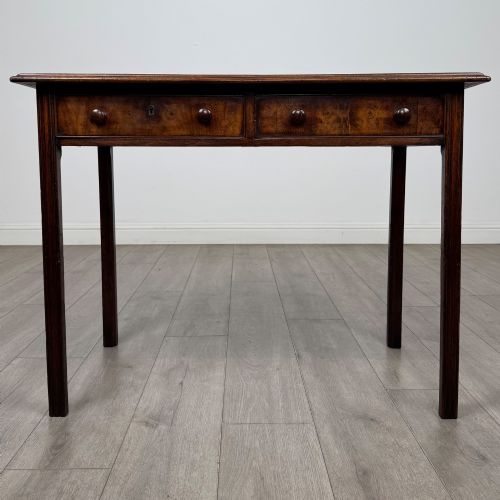
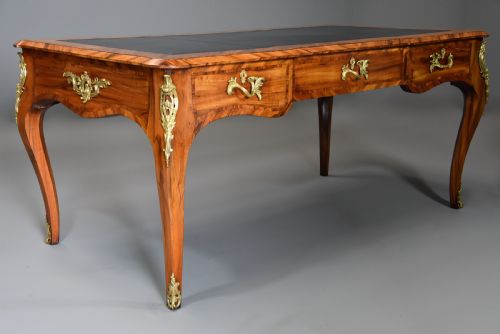
When you search for an antique style library desk, you encounter a selection of writing tables, partners desks, and bureau plats spanning the Georgian, Regency, and Victorian eras. These forms range from modest mahogany writing surfaces to large partner tables fitted with drawers on multiple sides.
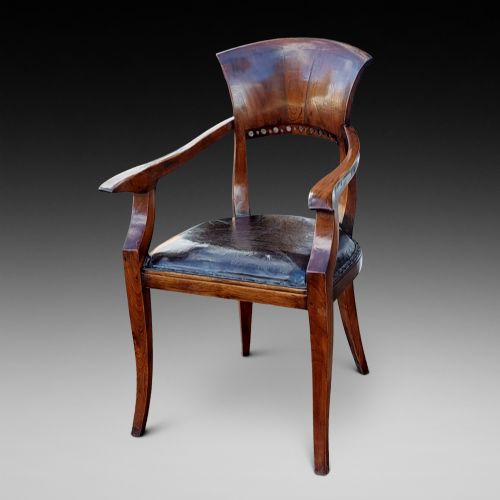
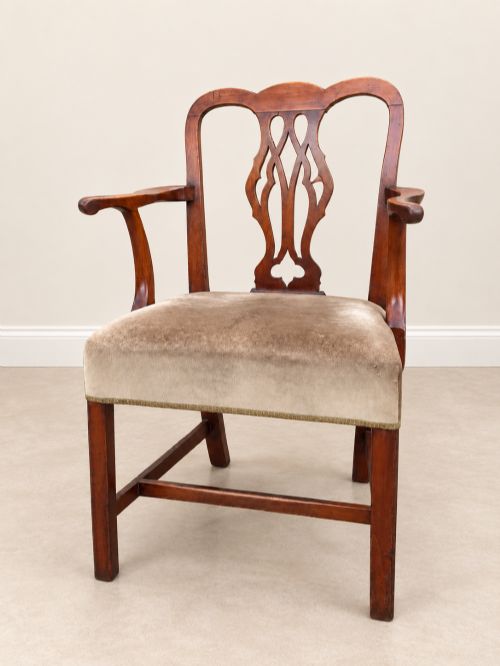
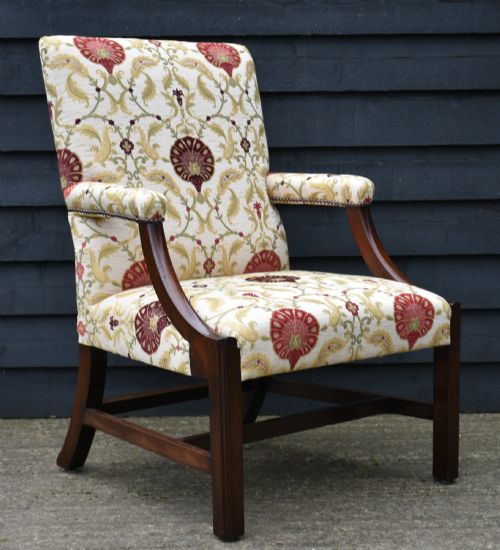
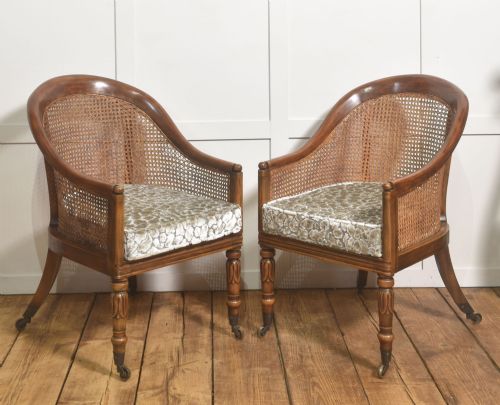
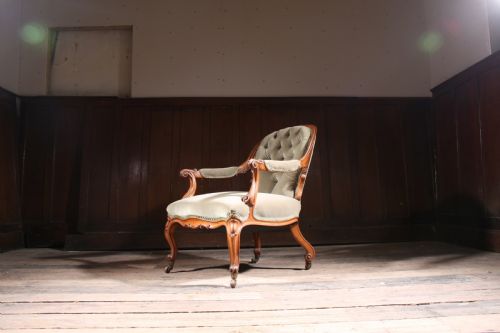
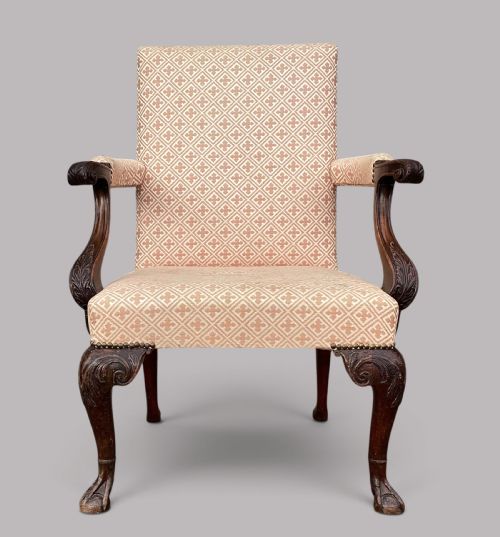
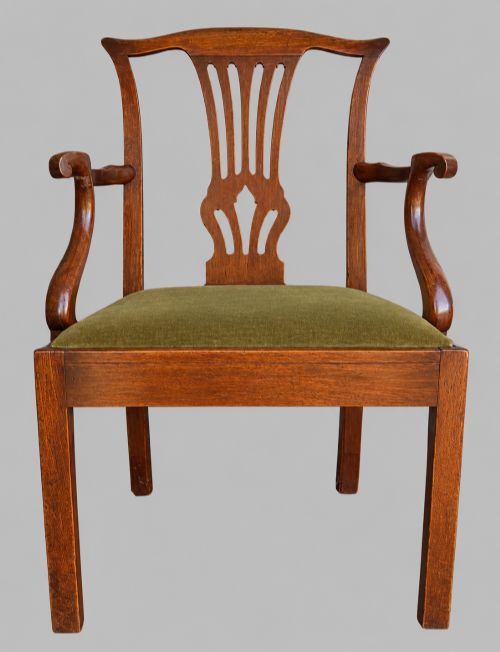
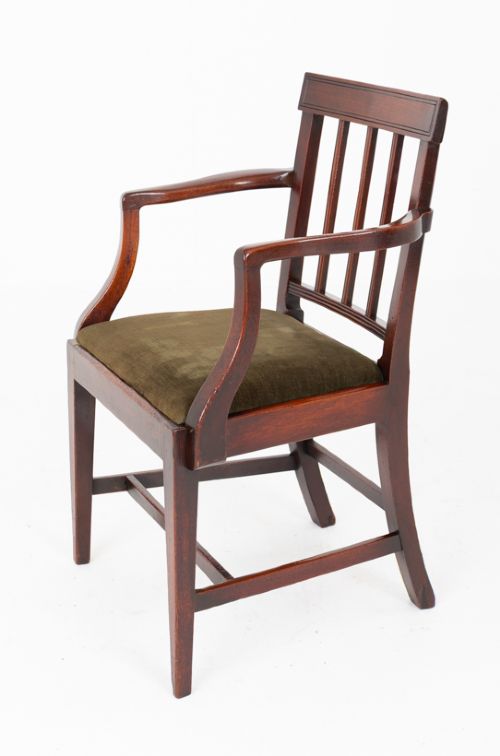
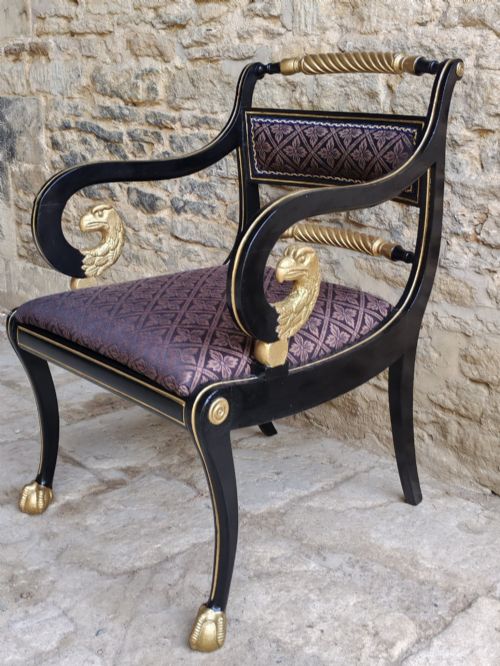
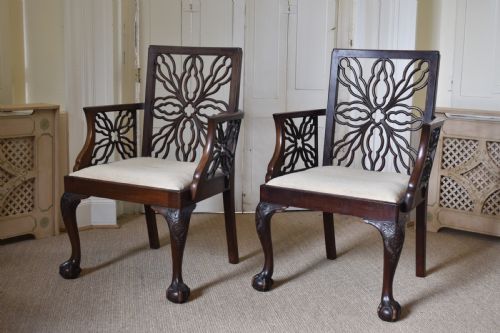
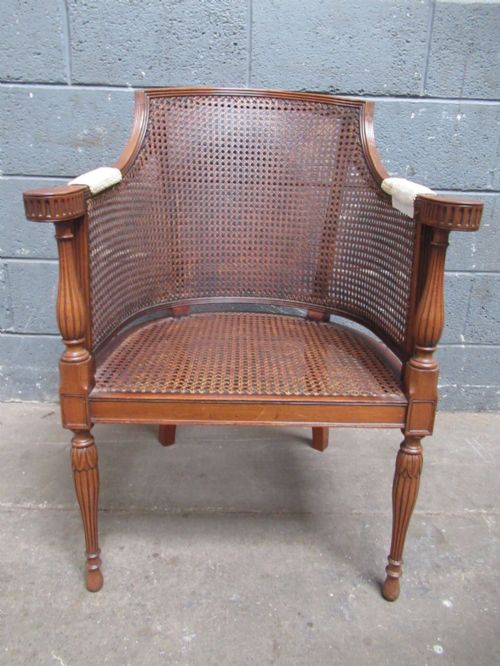
The pieces appearing on this page include both genuine period examples from the eighteenth and nineteenth centuries alongside later revival interpretations executed in similar traditional timbers. Alongside writing tables, the inventory incorporates associated seating such as Gainsborough chairs and library bergères designed to sit alongside them.
Assessing quality and execution
The standard of a desk rests upon the selection of timber grain, the crispness of hand-carved details such as blind frets or scroll arms, and the integrity of the original construction. Superior pieces demonstrate thoughtful proportion and careful matching of veneer timbers across large expanses.
Secondary factors include the retention of original brass fittings, the quality of the leather writing insert, and the smoothness with which drawers operate within their housings. Lesser examples may show heavy later alterations, mismatched replacement hardware, or compromised structural timber.
CH. Jeanselme & Co·Giles Grendey·Gillows·Mercier Freres
The Antique Style Library Desk Glossary
- Bureau plat
- A type of freestanding writing table featuring a rectangular top inset with leather and drawers arranged along the frieze. These tables originated in France and often display decorative ormolu mounts.
- Partners desk
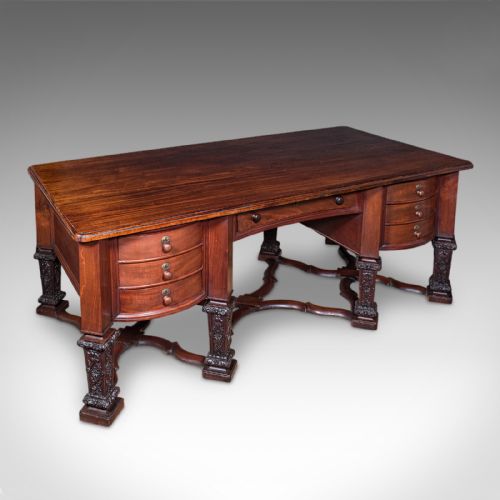
- A large double-sided desk designed for two people to work opposite one another, featuring banks of drawers and cupboards on both faces. They emerged in substantial libraries and institutional offices.
- Gainsborough chair
- A wide, upholstered armchair with an open wooden frame, low armrests, and padded back designed for sitting at a desk. They typically stand on square or carved cabriole legs.
- Bergère
- An enclosed upholstered armchair featuring cane or solid sides framed in wood. These seats provide a comfortable companion piece to library tables and writing desks.
- Ormolu
- Gilded bronze ornamentation applied to furniture, particularly French desks and cabinets of the eighteenth and nineteenth centuries. The technique involves applying a mercury and gold amalgam to cast bronze.
Antique Style Library Desk: Frequently Asked Questions
What is a partners desk?
A partners desk is a large writing table constructed with drawer space and cupboards accessible from both sides, allowing two people to work face to face.
Originally built for large country house libraries or administrative offices, these pieces provide substantial workspace and dominate the centre of a room.
How do I identify a bureau plat?
A bureau plat is a formal freestanding writing table, usually of French origin, distinguished by a leather-lined top and decorative metal mounts on the frieze drawers.
Unlike standard pedestal desks intended to sit against a wall, a bureau plat is finished on all sides so it can stand in the middle of a room.
What timber was used most often?
Mahogany remains the dominant wood found in these desks, valued for its strength, rich reddish-brown tone, and ability to take fine carved details.
Other timbers appearing in the selection include walnut, rosewood, yew wood, and kingwood, often utilised for decorative veneers on grander pieces.
How do I care for a leather desk top?
Leather writing surfaces require gentle cleaning with a slightly damp cloth followed by occasional applications of specialised leather balm to prevent drying and cracking.
Avoiding direct sunlight and excessive heat preserves both the supple texture of the hide and the gilt tooling applied around the edges.