

Antique Style Landscape Art
Antique style landscape art offers a window into historical scenery and pastoral life, prized for traditional craftsmanship and classical composition.
Antique Style Landscape Art
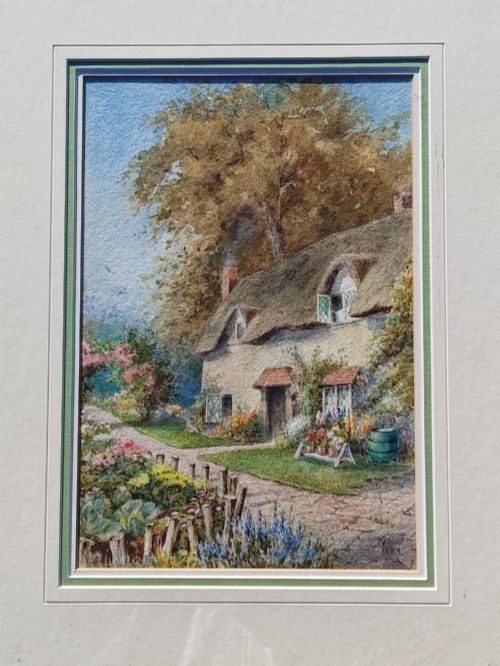
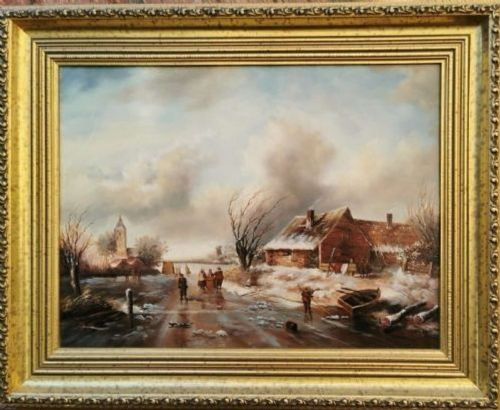
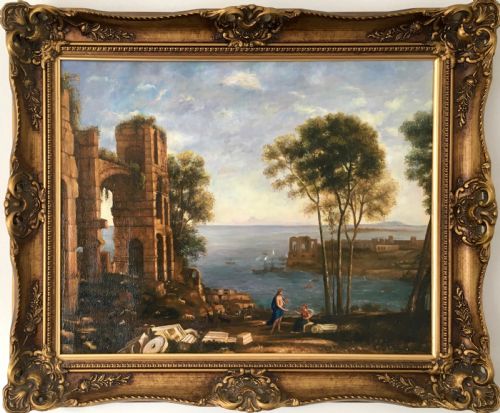
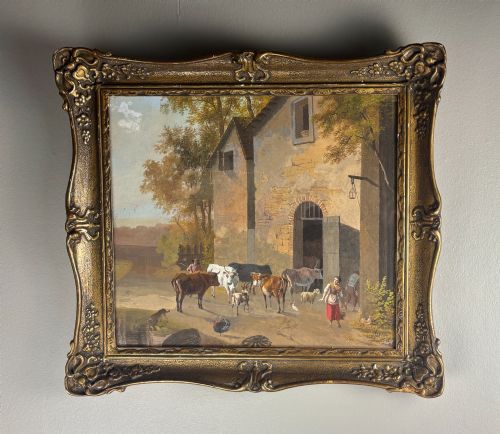
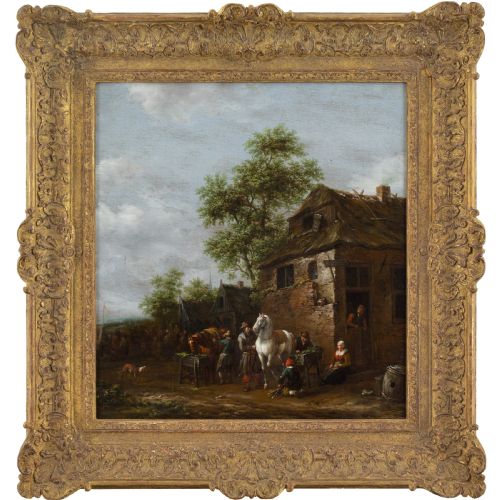
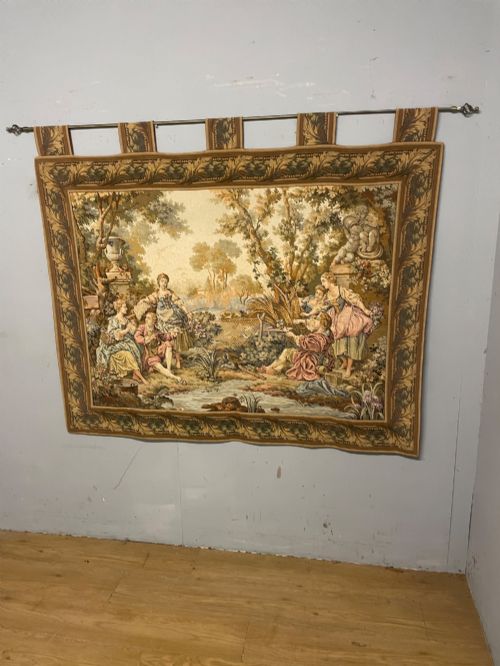
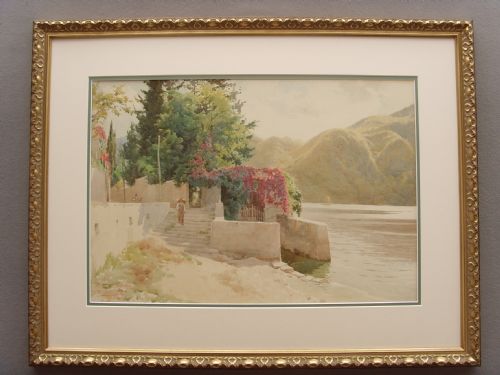
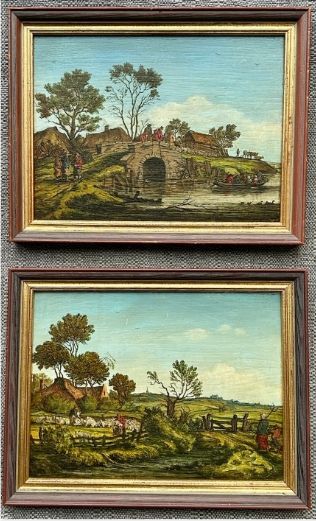
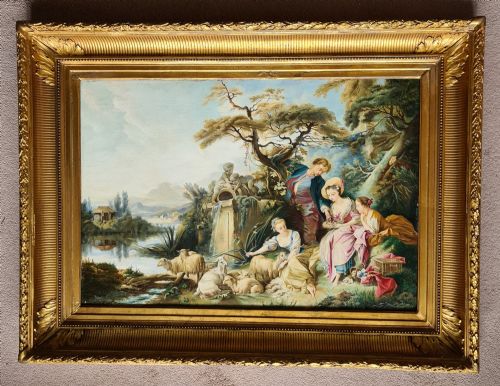
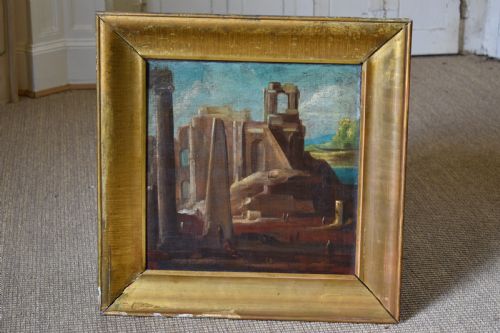
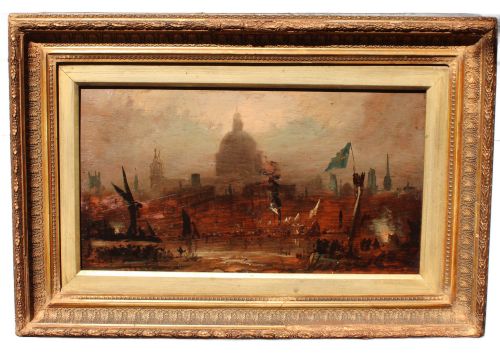
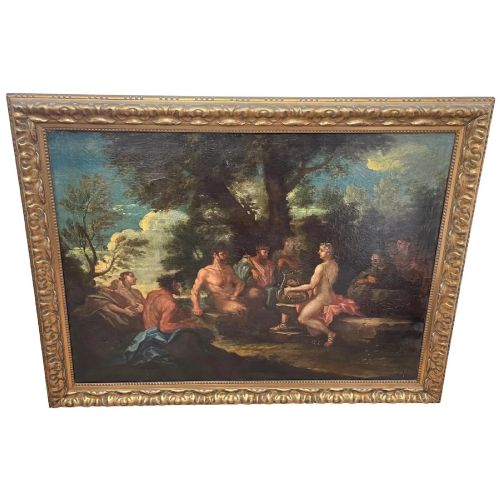
When you examine antique style landscape art, you encounter paintings, drawings, and wall hangings that evoke historical scenery, rural views, and classical vistas. These works draw upon traditional genres, including Dutch school winter scenes, English pastoral views, and Italianate compositions.
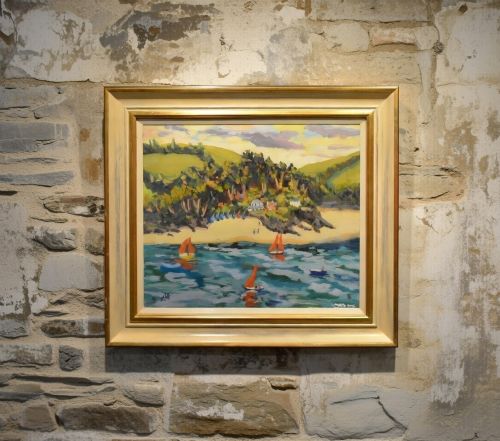
The selection on this page largely comprises nineteenth century oil paintings on canvas and wood panels, alongside charcoal drawings and framed tapestries. Many pieces reflect the influence of earlier European masters or specific regional schools, ranging from Flemish village views to British river landscapes.
How they were made
The physical construction of these works relies predominantly on oil paint applied to canvas, wood panels, or board. Artists also utilised charcoal on canvas and paper, alongside woven textile techniques for large wall hangings.
Framing plays a vital role in the presentation of these pieces, frequently employing giltwood, gesso, and gold leaf. The combination of traditional pigments, textured supports, and ornate frames defines the physical presence of each item.
Listings feature works spanning from the seventeenth century through to the mid twentieth century, utilising oil, charcoal, and giltwood.
What varies in quality
Quality in these works is dictated by the strength of composition, the handling of light and atmosphere, and the fidelity of the technique. Finer pieces demonstrate confident brushwork and tonal depth that draw the viewer into the landscape.
The integrity of the materials, from the stability of the wood panel or canvas to the craftsmanship of the original gilt frame, separates standard decorative pieces from finer historical examples.
Richard Sebastian Bond·Francois Boucher·Johannes Lingelbach·David Teniers II·Philip Richard Morris
The Antique Style Landscape Art Glossary
- Oil on Canvas
- Pigment mixed with drying oil applied to a stretched fabric support. This combination allows for rich colour blending and lasting durability.
- Giltwood
- Wood carved and coated with a thin layer of gold leaf or metallic powder. It provides an ornate and reflective border for traditional paintings and tapestries.
- Panel Painting
- Artwork executed on a flat piece of wood rather than fabric. Oak and mahogany were frequently utilised for stability.
- Barbizon School
- A nineteenth century French art movement focused on realism in landscape painting. Practitioners emphasised direct observation of nature and atmospheric effects.
- Grand Tour
- A traditional trip through Europe undertaken by upper class Europeans. Travellers frequently acquired local art and antiquities to document their journeys.
Antique Style Landscape Art: Frequently Asked Questions
How do I care for antique oil paintings?
Keep paintings away from direct sunlight and fluctuating humidity levels to protect the canvas and wood panels. Dust gently with a soft, dry brush without applying pressure to the paint surface.
Avoid using liquid cleaners or chemical solvents on the paint or the gilt frame. Professional conservation should be sought if the canvas requires cleaning or structural repair.
What is an oil study?
An oil study is a preliminary painting executed to capture light, colour, and composition before beginning a larger, finished work. Artists used these quick studies to record natural phenomena directly from life.
These pieces often display looser brushwork and immediate energy compared to formal gallery paintings. Collectors value them for revealing the artist's working process.
How can I identify the period of a landscape painting?
Examine the stretcher bars, canvas weave, and framing materials for clues regarding age and manufacture. Hand-carved giltwood frames and older methods of joining wood panels often point to specific centuries.
Compare the style of brushwork and subject matter to known regional schools and dated works by comparable artists. Pigment analysis and canvas stamps can provide further historical confirmation.
Where should I hang a large wall tapestry?
Hang tapestries on interior walls away from direct heat sources and strong sunlight to protect the textile fibres. Ensure the hanging weight is distributed evenly across a sturdy wooden batten or mounting rod.
Large panels suit substantial living spaces, stairwells, or dining rooms where historical textiles can be viewed without crowding.