
Antique Style Dresser
When you search for an antique style dresser, you uncover robust timber storage and display furniture rooted in historical revivals and vernacular traditions.
Antique Style Dresser
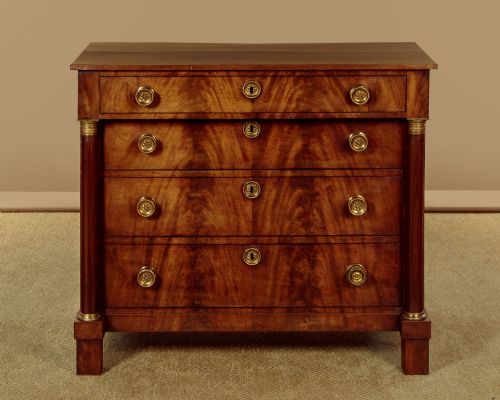
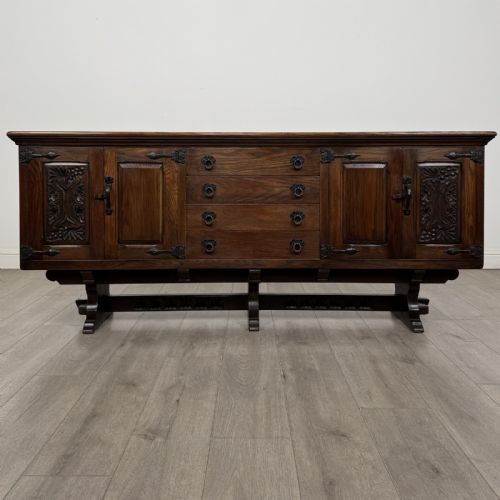
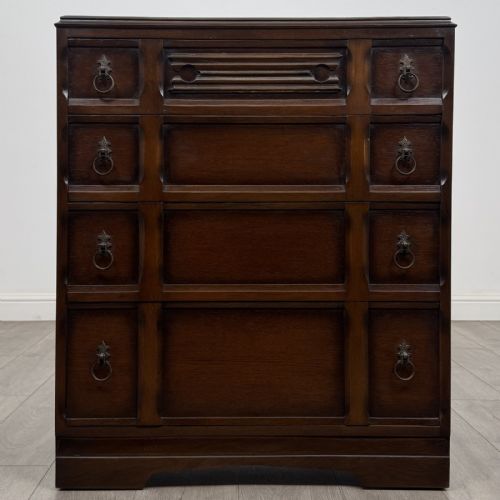
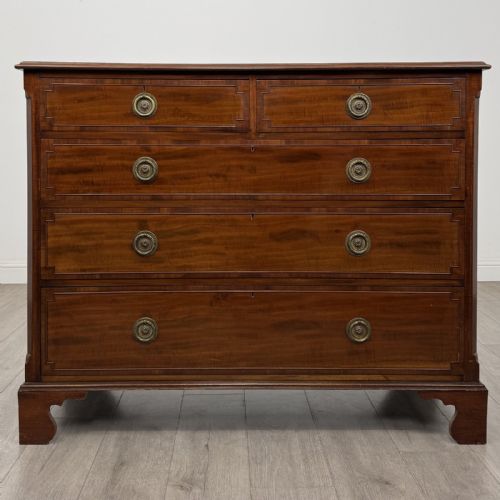
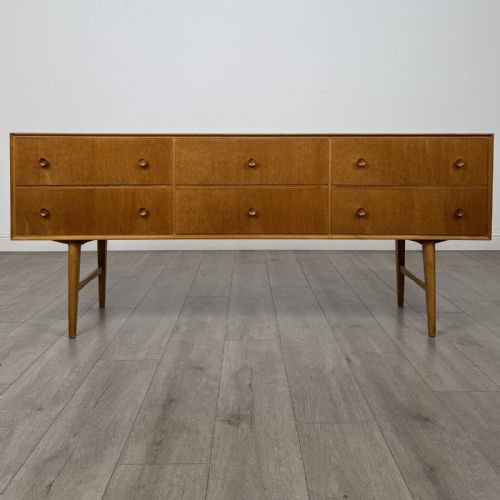
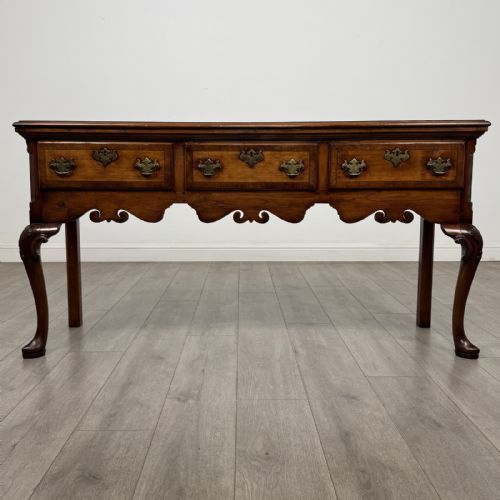
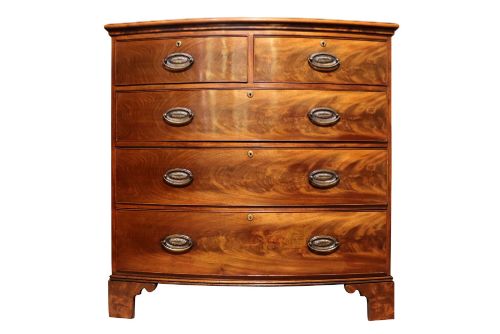
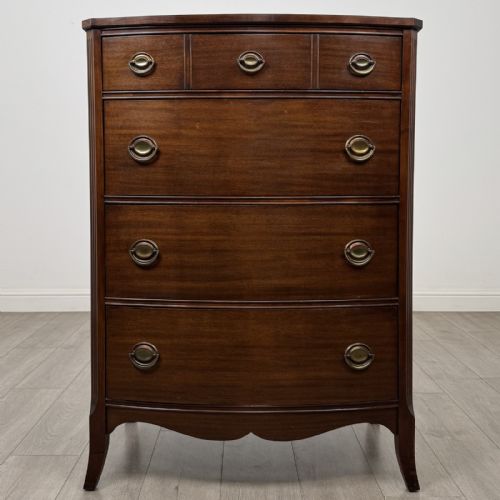
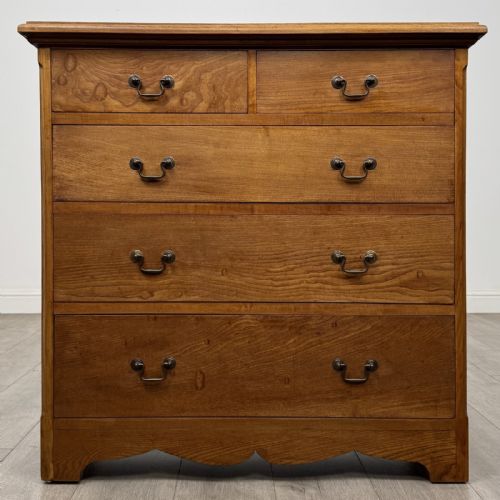
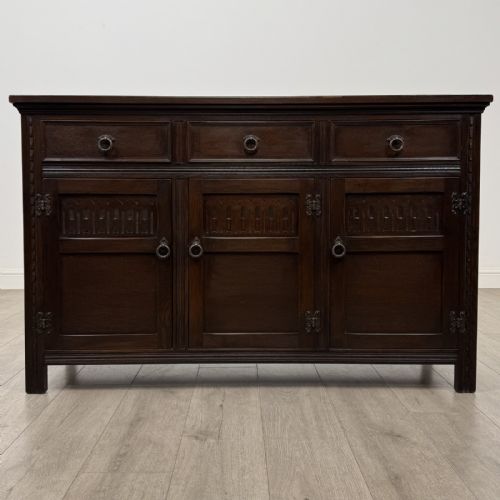
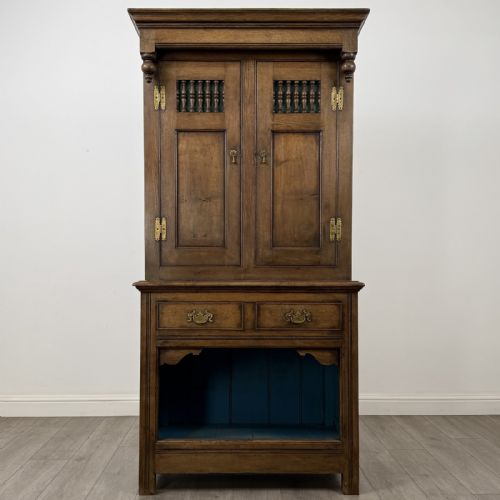
An antique style dresser encompasses sturdy oak dresser bases, fitted plate racks, and related storage forms inspired by earlier centuries. Pieces span robust Jacobean revivals, elegant Georgian interpretations, and later Edwardian workshop creations.
Buyers encounter everything from simple pine country sideboards to elaborate walnut and oak furniture built with regional character. The selection bridges formal dining room storage and rustic kitchen cabinetry.
Many examples channel historical proportions while incorporating the functional requirements of domestic spaces. The forms range from low console tables and server bases to towering cupboards and tiered display dressers.
Materials and construction methods
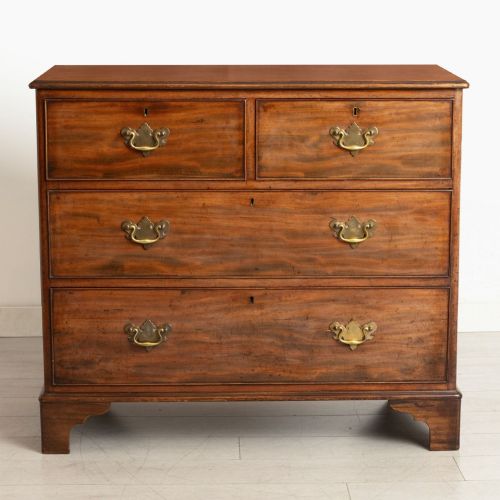
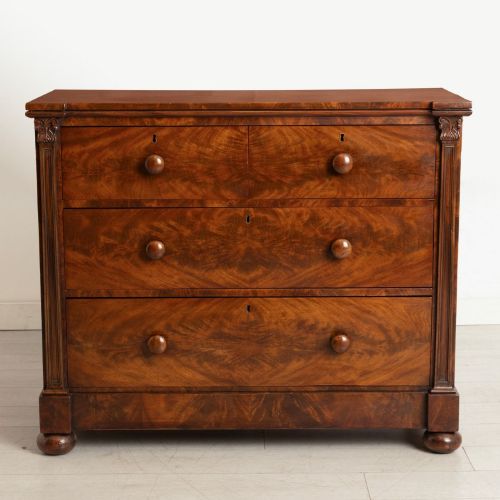
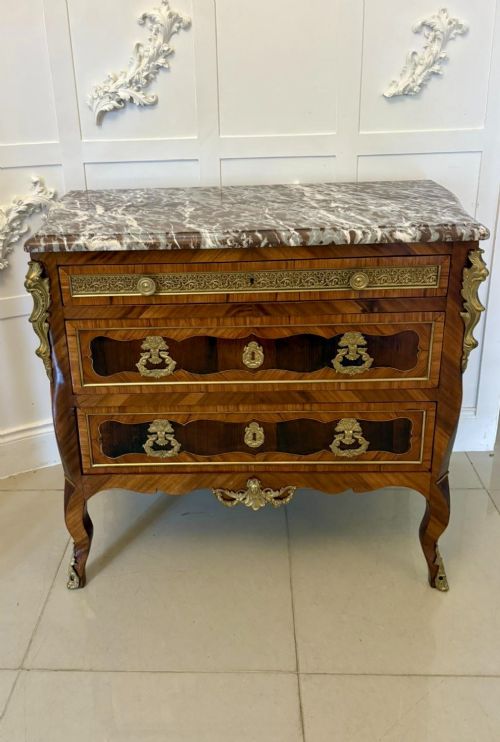
Cabinet makers relied primarily on native timbers such as oak, mahogany, and walnut, often accentuating grain patterns with burr veneers or geometric mouldings. Brass hardware, iron fixtures, and occasionally inlaid marquetry details complete the construction.
Traditional joinery techniques including dovetailing, mortise and tenon joints, and hand-carved panels ensure structural longevity. Surfaces received wax or polished finishes that protect the wood while highlighting natural colour variations.
Listings incorporate solid oak, mahogany, walnut, and pine across eras spanning the seventeenth century through the nineteen-thirties.
Assessing build quality and execution
The division between standard workshop items and superior pieces rests on timber selection and the precision of the joinery. Fine grain alignment, substantial drawer linings, and crisp hand-carved mouldings separate exceptional examples from simpler utilitarian builds.
Proportion and decorative restraint dictate visual success, where well-balanced hardware and harmonious timber matching elevate a piece. Secondary woods and structural integrity beneath the surface also reveal the maker's dedication to longevity.
Whytock And Reid·Liberty·Ambrose Heal·Heal And Son
The Antique Style Dresser Glossary
- Dresser base
- A low sideboard or cabinet featuring drawers and cupboards beneath a flat top surface, typically designed without an upper plate rack.
- Jacobean Revival
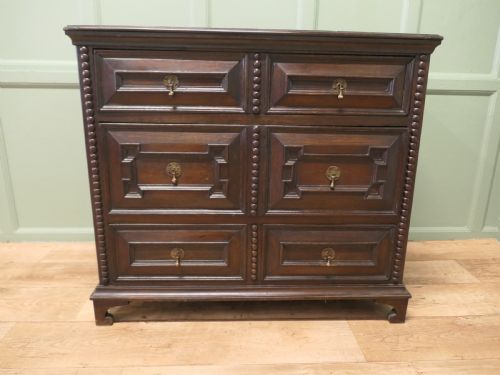
- A style popular in the nineteenth and early twentieth centuries that mimics seventeenth-century English furniture through heavy mouldings, geometric panelling, and turned legs.
- Serpentine front
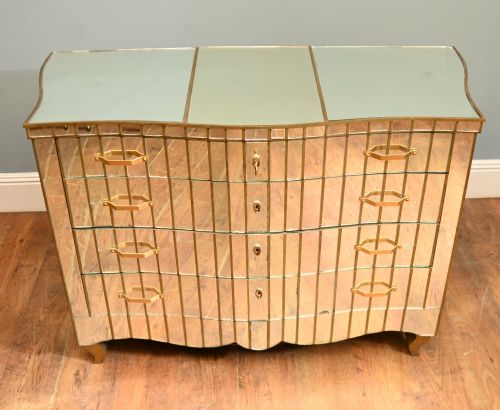
- A furniture facade curved in a wave-like shape, featuring a convex centre flanked by concave ends or vice versa.
- Pot board
- An open lower shelf built into traditional dressers, originally intended for storing heavy pots and cooking utensils.
- Marquetry
- The art of applying decorative pieces of veneer to a structural structure to form intricate pictorial designs or geometric patterns.
Antique Style Dresser: Frequently Asked Questions
What is a dresser base?
A dresser base is a low wooden storage unit equipped with drawers and cupboards, serving as the foundation for larger kitchen or dining room furniture.
These pieces functioned historically as preparation surfaces and storage hubs for domestic tableware.
How do I identify a revival piece?
Revival furniture often replicates seventeenth or eighteenth-century motifs, such as geometric drawer mouldings and heavy turned supports, using later nineteenth-century timber stocks.
Examining the interior secondary woods and construction marks helps distinguish original period items from later interpretations.
Where should I place a dresser?
These large timber units suit dining rooms, spacious kitchens, and hallways where they provide both display space and concealed storage.
Ensure placement avoids direct heat sources to prevent timber warping or veneer separation.
What timber was used most?
Oak remains the dominant material across vernacular and revival pieces, valued for its strength and rich grain texture.
Mahogany and walnut also appear frequently in finer formal designs, particularly from the Georgian and Victorian eras.