
Antique Style Desk Chair
When you search for an antique style desk chair, you encounter seating designed for writing tables and libraries across Georgian, Regency, and revival periods.
Antique Style Desk Chair
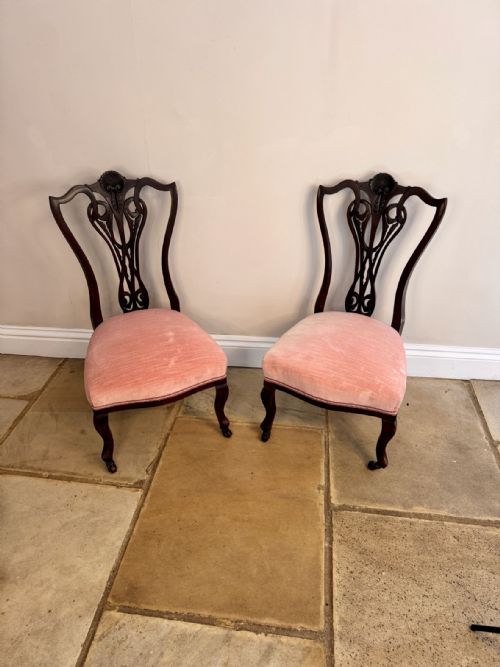
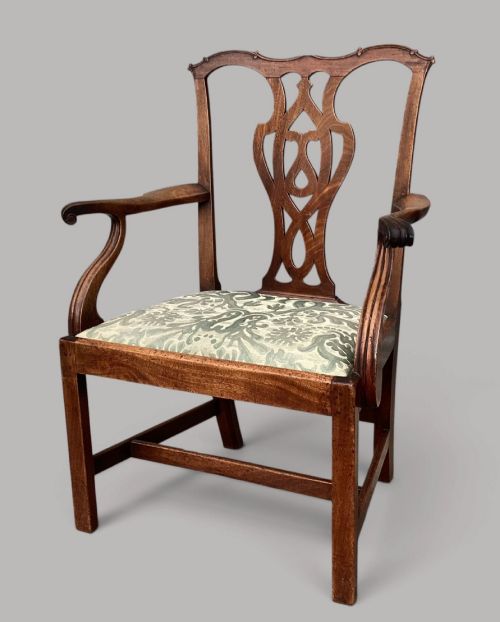
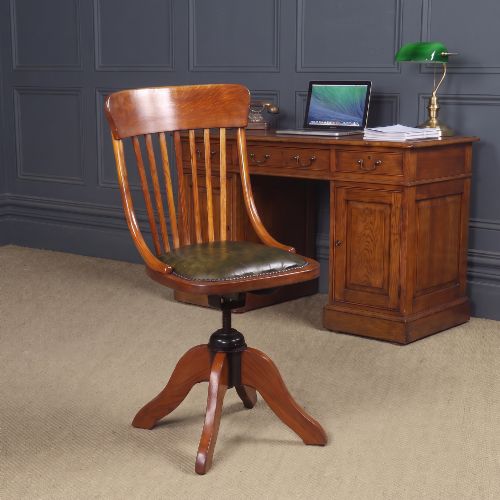
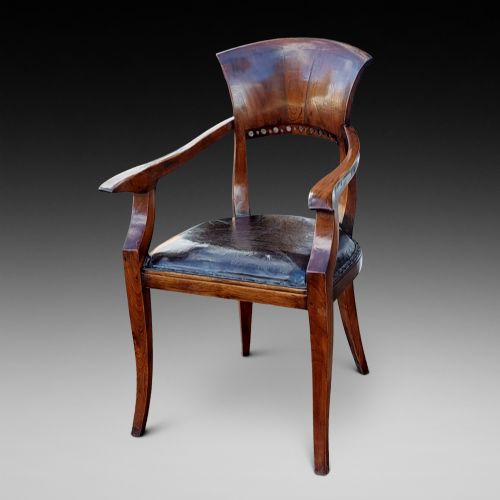
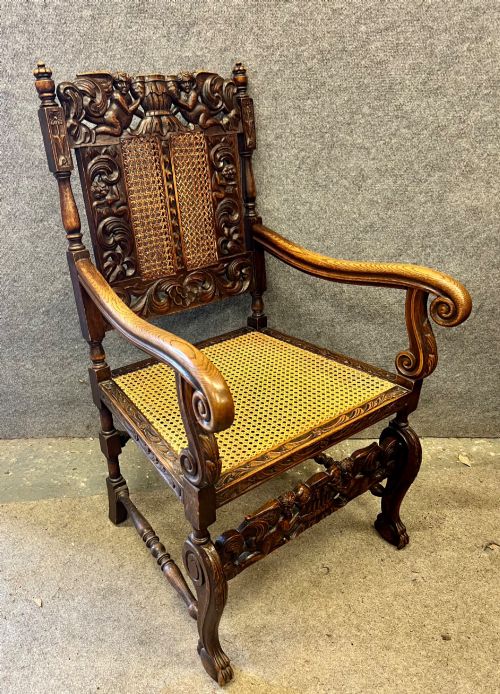
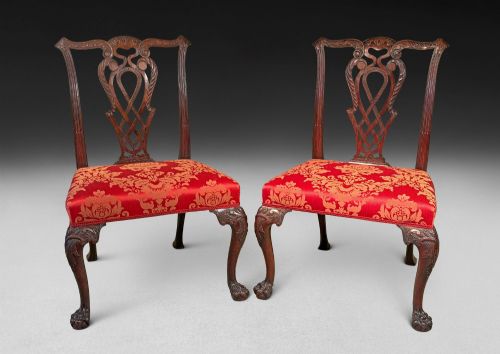
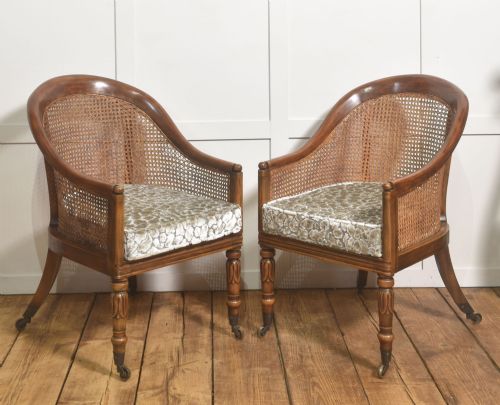
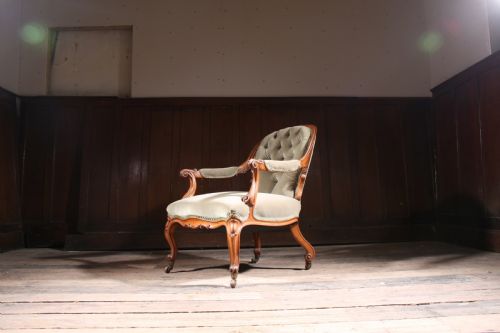
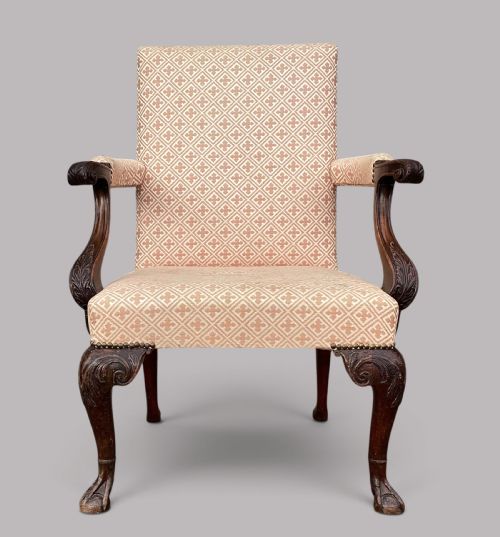
An antique style desk chair encompasses library armchairs, carvers, and elbow chairs constructed for study rooms and offices. You will regularly find mahogany and walnut examples featuring Chippendale, Sheraton, or Gainsborough styling.
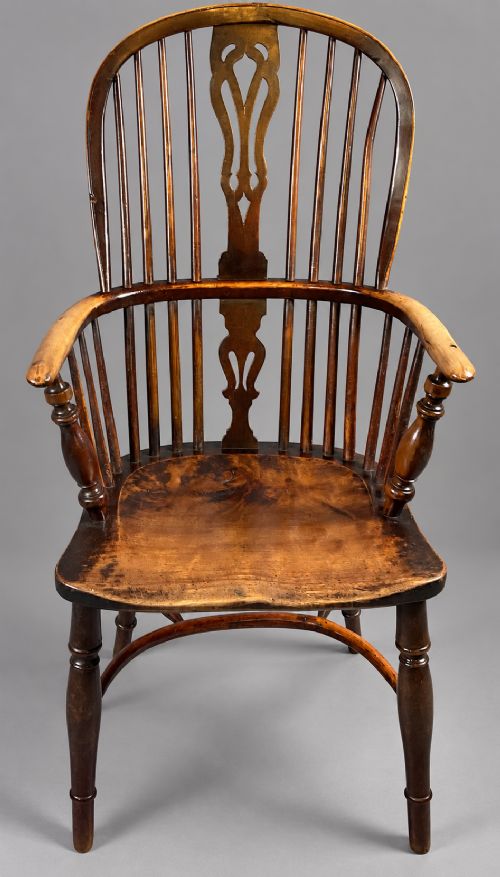
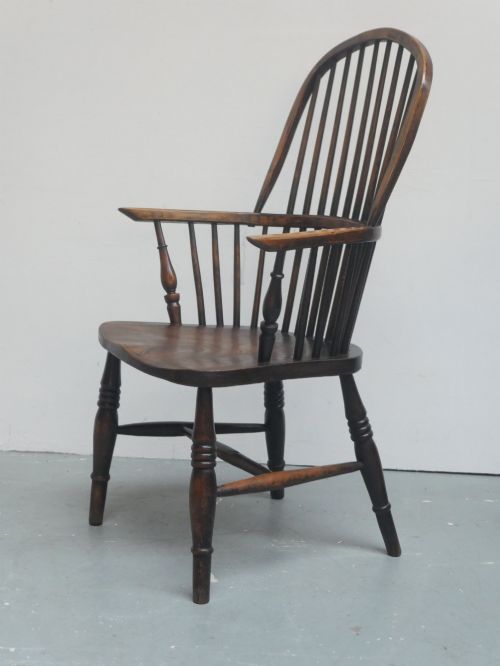
The selections span original 18th-century pieces from the Georgian and George III eras alongside later 19th-century and early 20th-century revival versions. These range from solid elm country armchairs to formal leather-upholstered library seats.
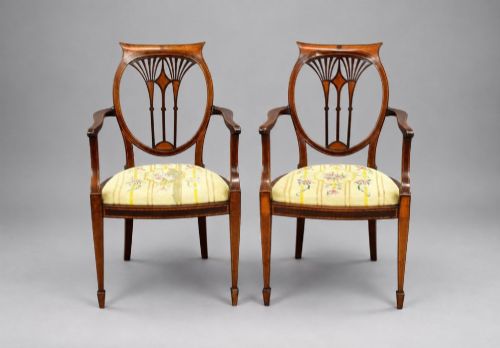
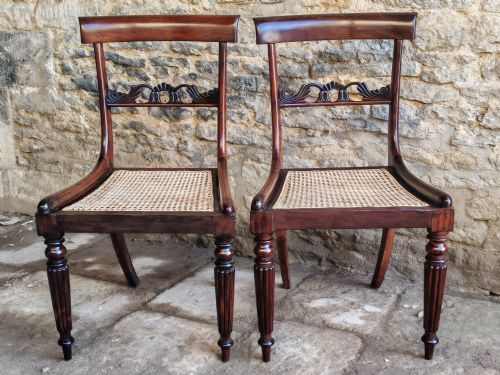
Many items recorded here function equally well as dining chairs, office seats, or bedroom chairs due to adaptable proportions. Armchairs and side chairs appear frequently in matching pairs or larger sets.
Materials and Technique
Cabinetmakers utilised dense hardwoods, predominantly mahogany, walnut, and fruitwoods like yew, elm, and ash, for structural integrity. Seat construction often incorporated cane inserts, webbing, and traditional upholstery fabrics or hand-dyed hide leather.
Joinery techniques relied on mortise and tenon frames, while decorative enrichment involved blind carving, ribbon backs, lyre motifs, and brass detailing. Painted surfaces and chinoiserie finishes also appear on specific Sheraton and Hepplewhite revival forms.
Mahogany and walnut dominate the listings, paired with leather, cane, and upholstery fabric across Georgian, Regency, and Victorian periods.
Design Integrity and Execution
Superior examples demonstrate crispness in carved details, such as cabriole legs, ball and claw feet, or interlaced ribbon splats. Finer iterations use high-grade timbers and incorporate original leather or meticulous hand-dyed hides rather than modern substitutes.
Proportion and structural balance dictate the distinction between ordinary utility seating and accomplished library armchairs. Workshop execution, visible in the precision of the joinery and the restraint of the ornamentation, separates standard production from exceptional pieces.
Charles Tozer·Alfred Allen of Birmingham·Gill and Reigate
The Antique Style Desk Chair Glossary
- Carver
- An armchair, typically designed with arms to match a set of smaller side chairs intended for a dining table or desk.
- Gainsborough chair
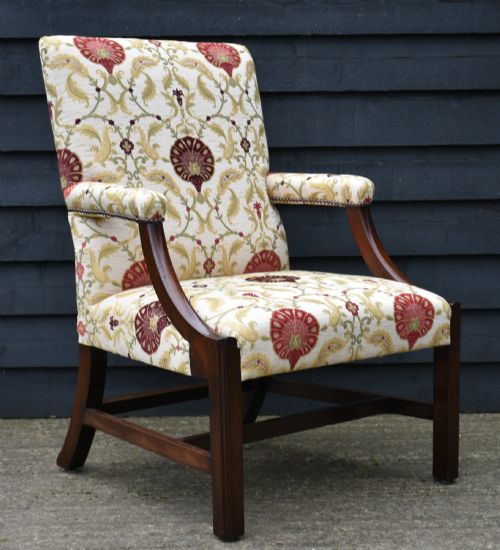
- A wide, upholstered armchair with open padded arms, low seat, and straight legs, originating in the mid-18th century for library use.
- Splat
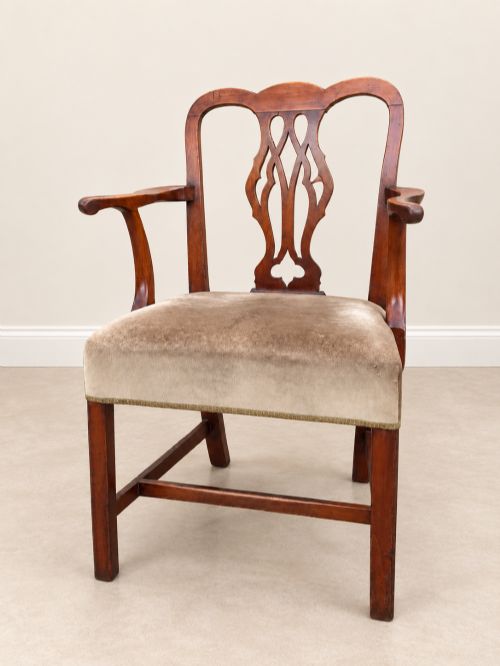
- The vertical wooden strip down the centre of a chair back, frequently pierced or carved in Chippendale and Hepplewhite designs.
- Elbow chair
- A traditional term for an armchair, often utilised in offices or morning rooms where movement and arm support are required.
- Cabriole leg
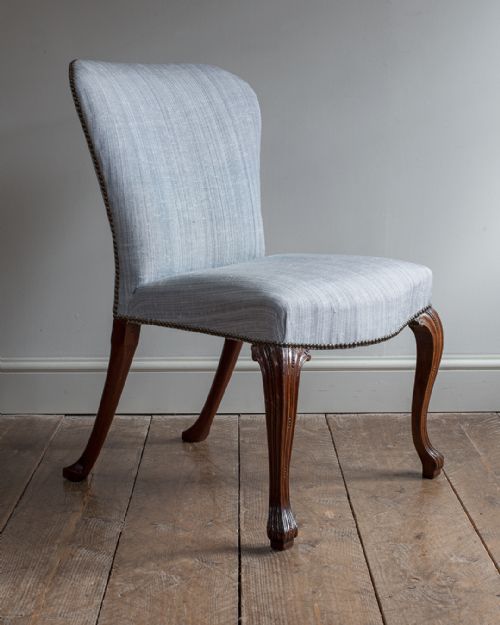
- A furniture leg that curves outward at the knee and tapers inward to an ankle, characteristic of Queen Anne and Georgian styles.
Antique Style Desk Chair: Frequently Asked Questions
How do I identify a Chippendale style chair?
Chippendale style seating is identified by intricate carving, often featuring ribbon backs, interlaced splats, and cabriole or straight legs with blind fretwork. The proportions are sturdy yet refined.
Original 18th-century pieces share aesthetic DNA with later Victorian and Edwardian revival interpretations, which replicated these distinct classical woodworking motifs.
Were these chairs originally used at desks?
Many of these seating forms served dual purposes in historic homes, moving between libraries, dining rooms, and writing desks as needed. Armchairs and carvers offered comfortable support for long hours of correspondence.
Today, buyers frequently repurpose these antique elbow chairs and library seats specifically for modern home office environments.
What materials were used for seats?
Historic desk chairs feature several distinct seat types, including woven cane, solid polished timber, and upholstered pads covered in leather or fabric. Hand-dyed English hide leather is a common feature on library models.
Country versions often utilise shaped elm or ash timber, while formal Georgian and Regency examples incorporate drop-in upholstered pads secured within the wooden frame.