

Antique Style Cocktail Table
An antique style cocktail table brings low, social surface space into a room, spanning revival designs and traditional forms.
Antique Style Cocktail Table
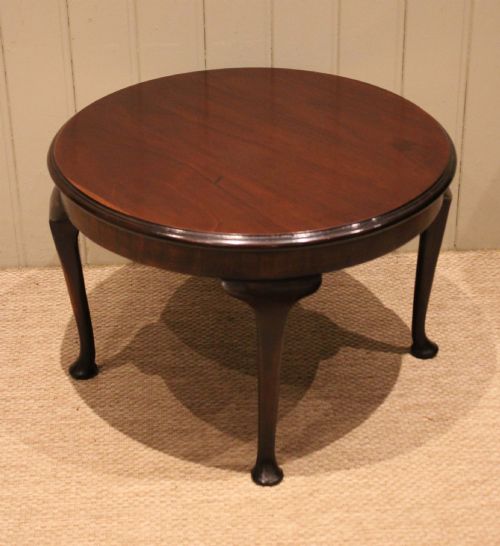
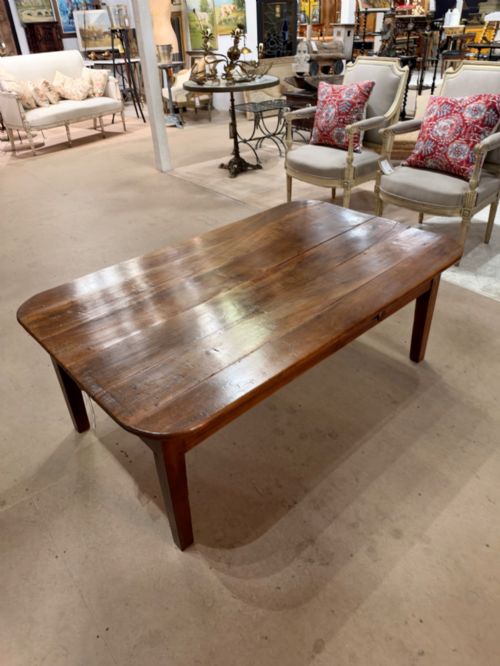
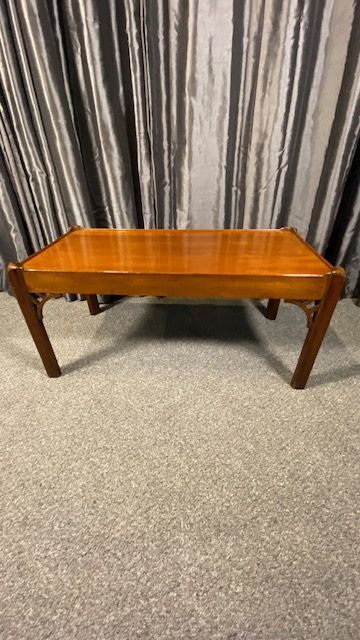
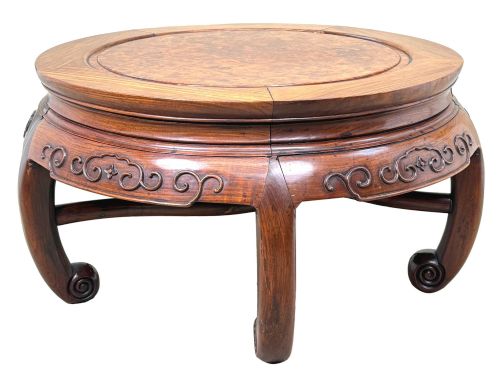
When searching for an antique style cocktail table, buyers examine low surface tables designed for drinks and gathering, frequently taking the form of coffee tables, tray tables, and low display pieces. These low tables emerge across various historical periods, including the Victorian era, the Edwardian period, and the 1920s and 1930s.
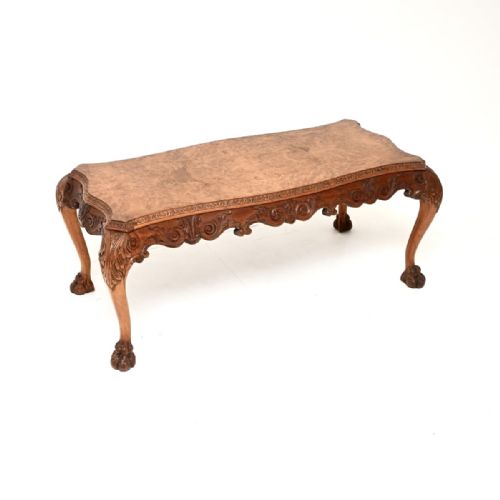
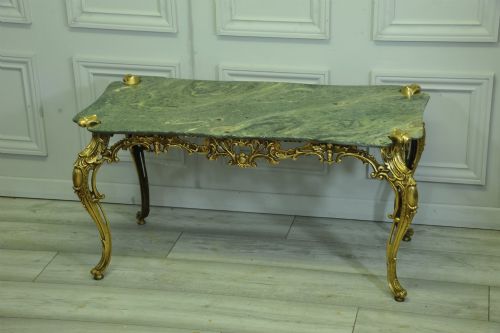
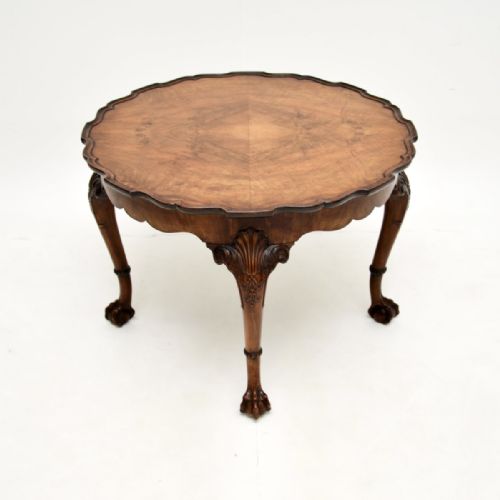
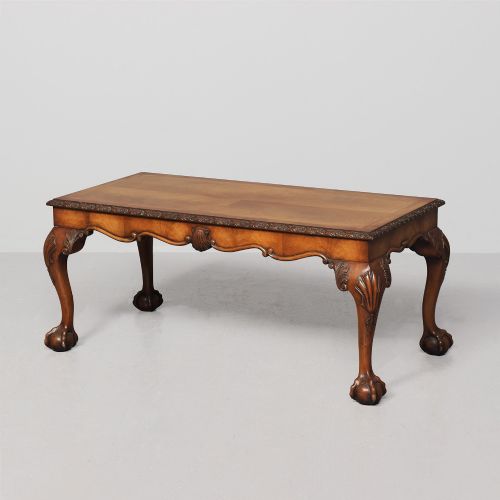
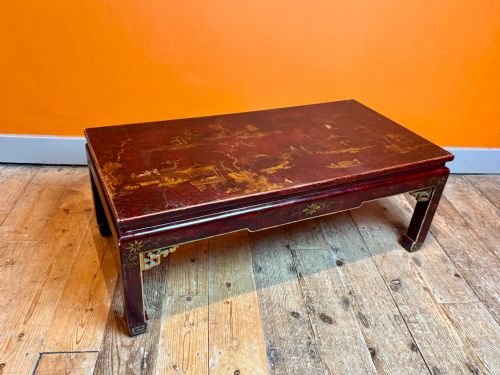
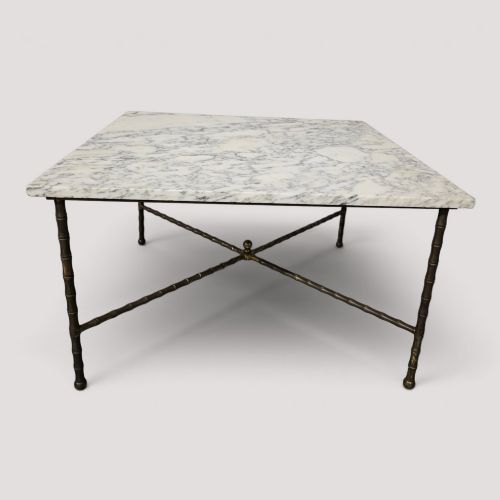
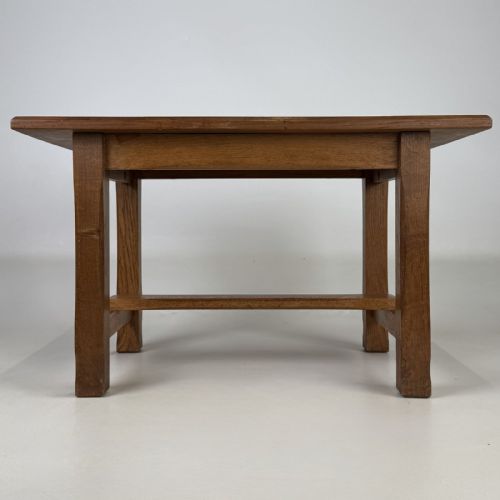
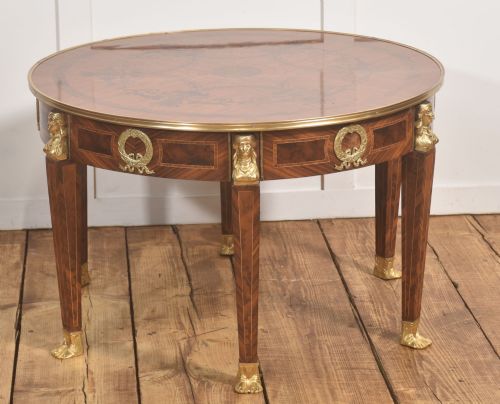
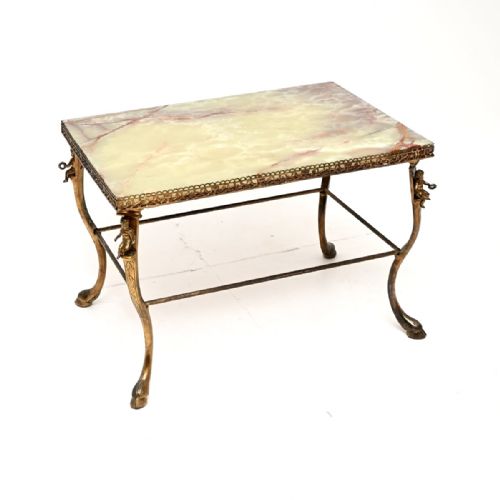
The versions most commonly met on this page include mahogany, walnut, and oak coffee tables, alongside decorative occasional pieces featuring marble tops, brass details, and painted Chinoiserie lacquer finishes.
Materials and construction methods
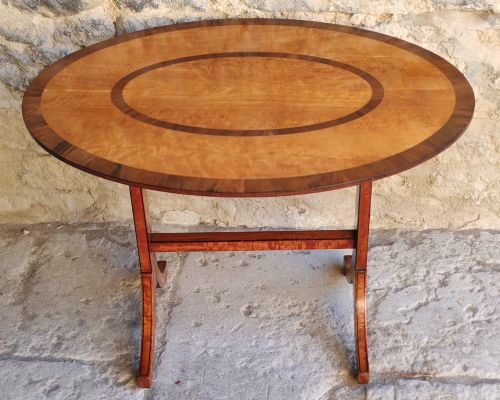
Construction relies heavily on traditional cabinet timbers such as mahogany, walnut, burr walnut, oak, and yew wood, often enhanced by decorative veneers like oyster veneers and parquetry. These woods provide the structural foundation for tables shaped in revival styles including Regency, Queen Anne, and Carolean.
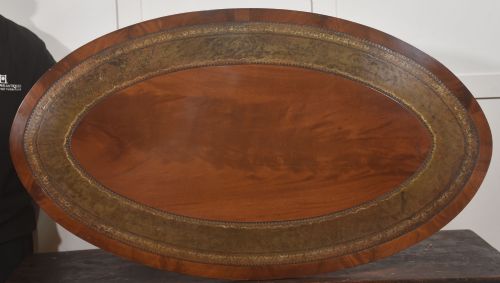
Surface ornamentation incorporates diverse techniques, ranging from hand-painted Chinoiserie and japanned scenes to inset marble slabs, tooled leather inserts, and carved giltwood details.
Antique Style Cocktail Table Retail Price Guide 2026
Typical asking prices for style cocktail table among the pieces listed under this phrase on Sellingantiques today, from the lower quarter to the upper quarter. They describe what is for sale here now, not the wider market.
Factors influencing quality
Quality in these low tables rests on the selection of timber and the precision of decorative work, such as figured burr walnut grain, fine oyster veneer patterns, or intricate parquetry inlay. Tables featuring genuine inset marble tops or hand-painted lacquer and japanned decoration demonstrate higher artisan input than plain timber versions.
Structural integrity also separates standard utility pieces from finer examples, visible in the execution of carved wood details, giltwood finishing, and the stability of tray tops and campaign table joints.
Epstein
The Antique Style Cocktail Table Glossary
- Chinoiserie
- European decorative style reflecting Chinese artistic traditions. It appears on lacquered and painted coffee and tray tables.
- Parquetry
- Geometric mosaic woodwork formed of veneer strips arranged on a surface. This technique decorates table tops.
- Japanned
- European imitation of Japanese and Chinese lacquering and varnishing. This finish appears on decorated 20th-century tables.
- Oyster veneer
- Circular veneer slices cut crosswise from small branches to show concentric growth rings. Yew wood tables utilise this pattern.
Antique Style Cocktail Table: Frequently Asked Questions
What is an antique style cocktail table?
An antique style cocktail table is a low surface piece designed for living spaces, drawing on historical designs from the nineteenth and twentieth centuries. These pieces encompass coffee tables, low display tables, and tray tables.
They replicate earlier stylistic periods such as Regency, Queen Anne, and French Neoclassical, using traditional materials like mahogany, walnut, and marble.
How do I identify the period of a table?
Dating relies on examining the timber, construction methods, and stylistic revival markers present in the piece. Pieces span Victorian, Edwardian, and 1920s or 1930s eras.
Specific clues include Edwardian Chinoiserie lacquer work, Victorian mahogany framing, and early twentieth-century burr walnut veneers.
Where were these tables used?
These low tables functioned primarily in reception rooms, libraries, and drawing rooms for serving drinks and holding decorative objects. Tray tables and opium tables offered portable or low-profile surface solutions.
Drinks cabinets and display tables also served social and entertaining functions in homes from the nineteenth century onwards.
How do I care for a marble top table?
Marble top tables require regular gentle cleaning with a soft cloth to protect the polished stone surface from staining and acid marks. Avoiding harsh chemical cleaners preserves the natural finish.
Ensuring the marble slab remains securely supported within its wooden or giltwood frame prevents shifting and structural strain.