

Antique Style Club Chairs
Antique style club chairs bring deep seating and substantial comfort into a room, spanning periods from Victorian to Art Deco.
Antique Style Club Chairs
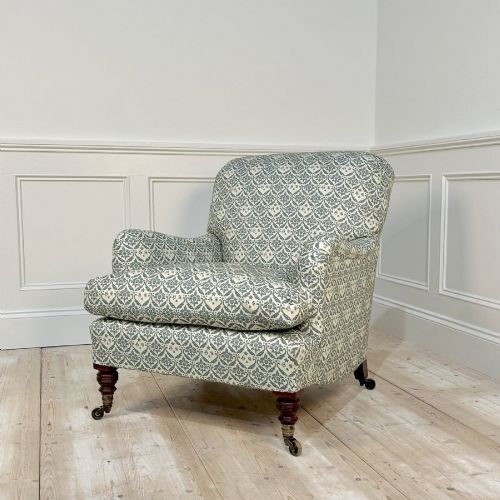
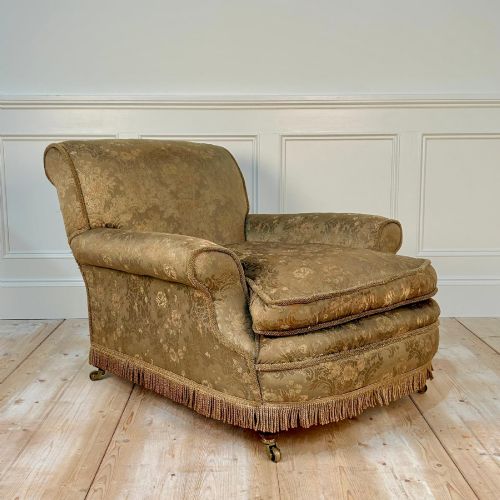
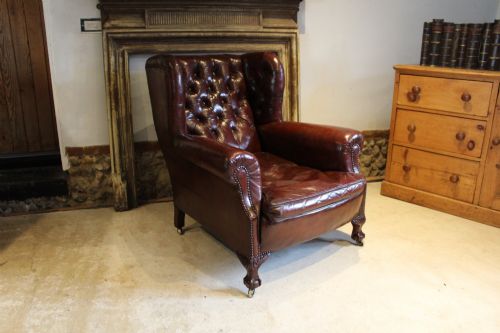
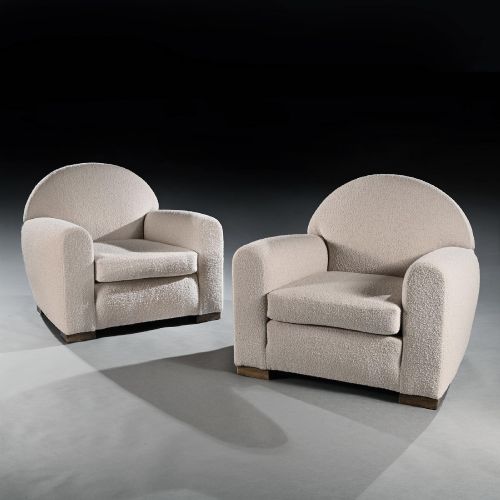
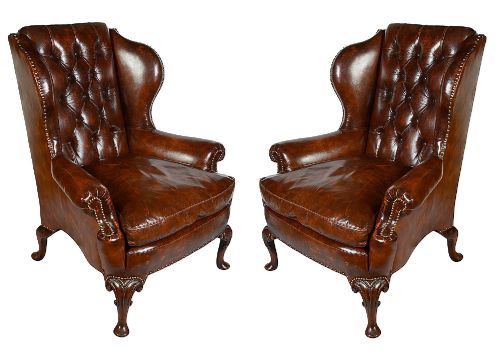
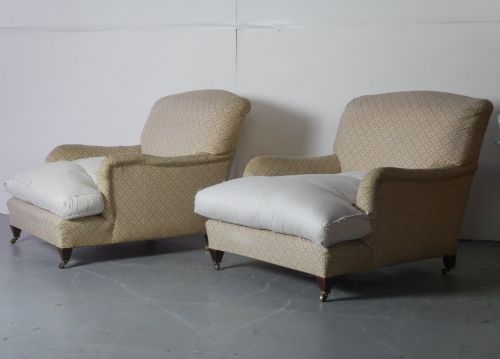
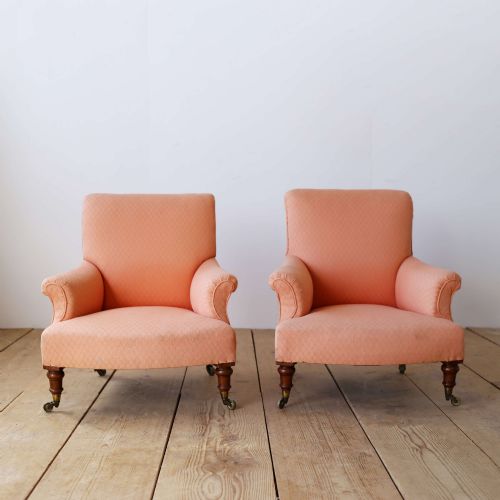
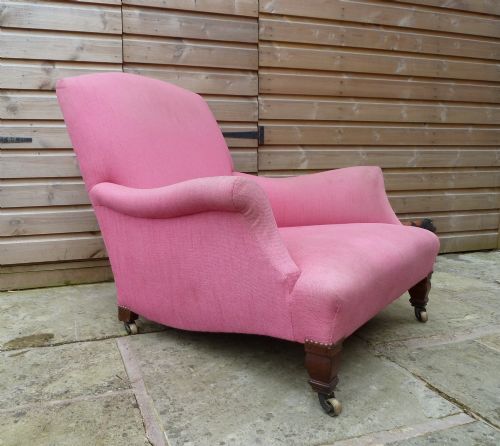
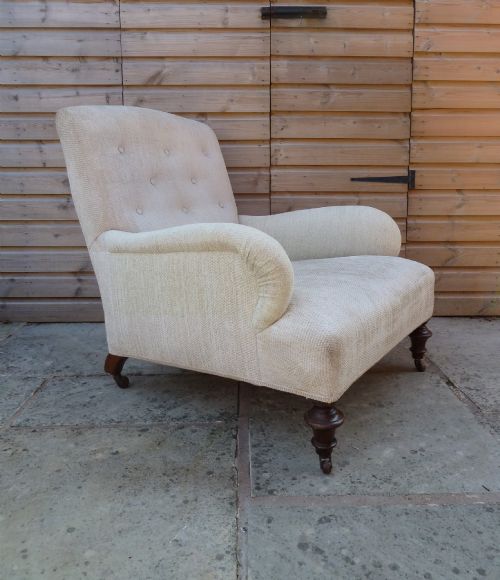
When you search for antique style club chairs, you encounter large upholstered armchairs designed for deep seating and substantial comfort. The selection on this page centres on pieces originating across the nineteenth and early twentieth centuries, including Victorian, Edwardian and 1930s examples.
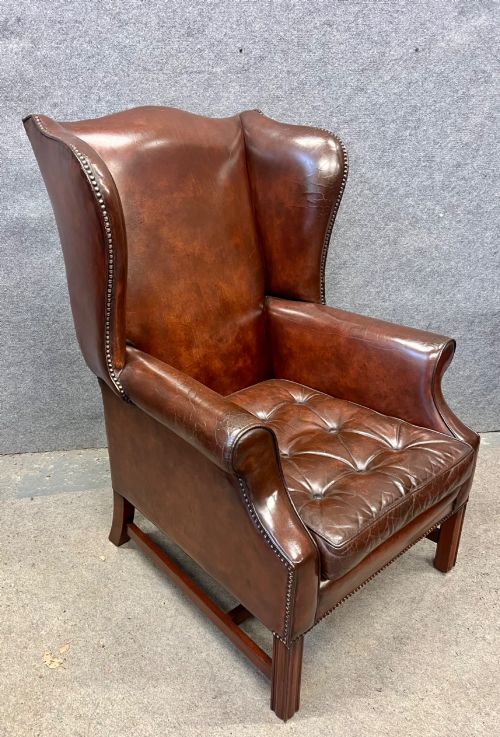
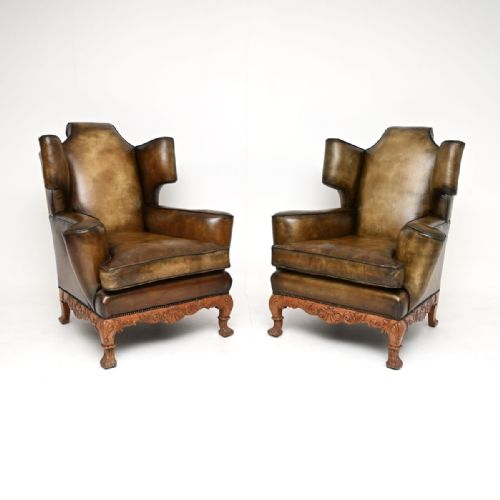
You meet various interpretations spanning classic English country house styles, Art Deco forms and French revivals. The forms range from low tub chairs and wing backs to oversized armchairs built for deep lounging.
How they were made
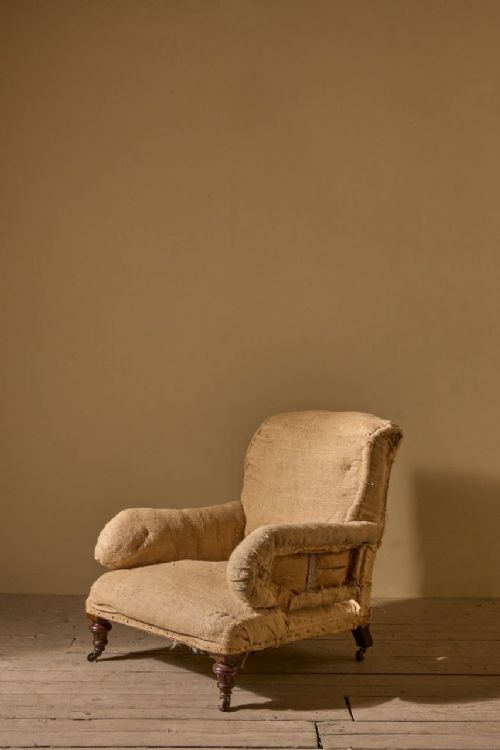
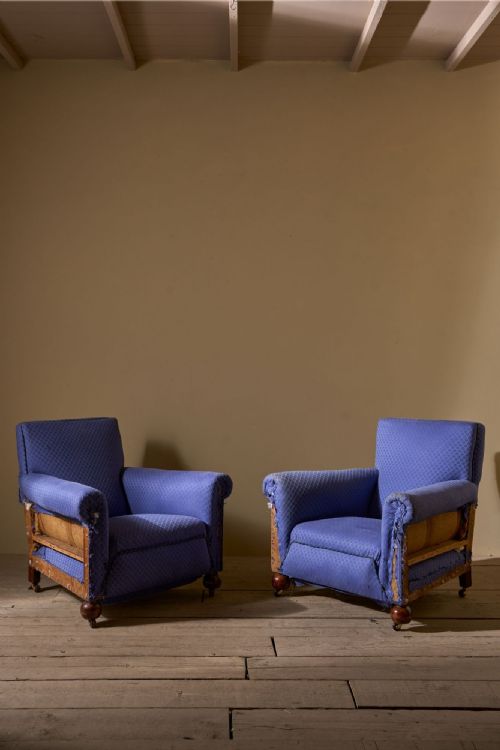
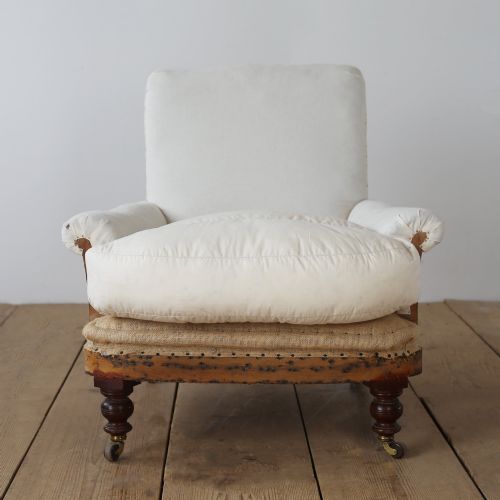
Frames rely on sturdy timbers such as mahogany, walnut, oak and satin birch, providing the structural foundation for heavy upholstery. Traditional construction incorporates internal support systems utilising hessian, calico and webbing.
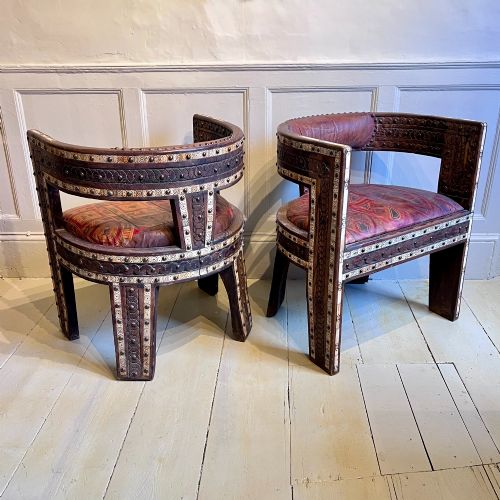
Outer surfaces finish in leather, velvet, silk and fabric, often detailed with brass tacks. Wood components receive carving or polishing depending on the prevailing style of the period.
Antique Style Club Chairs Retail Price Guide 2026
Typical asking prices for style club chairs among the pieces listed under this phrase on Sellingantiques today, from the lower quarter to the upper quarter. They describe what is for sale here now, not the wider market.
Some nineteenth-century armchairs include hidden castors beneath their feet, allowing heavy club chairs to glide smoothly across the library floor.
What varies in quality
Quality rests upon the integrity of the wooden frame and the depth of the internal stuffing. Pieces attributed to notable makers display superior joinery and more substantial proportions.
The choice of covering material and the precision of the hand-stitched upholstery distinguish standard workshop output from exceptional examples.
Whytock and Reid·Howard and Sons·Gillows
The Antique Style Club Chairs Glossary
- Bergere
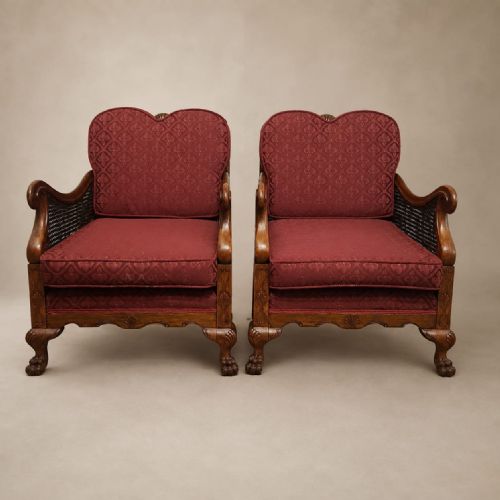
- An upholstered armchair with enclosed sides of wicker, cane or solid wood. These chairs typically feature exposed wooden frames in walnut or mahogany.
- Wing back
- An armchair with side panels attached to the arms and extending up to the back. This design originally served to shield the sitter from draughts.
- Tub chair
- A low-backed armchair where the arms curve continuously into the backrest. The enclosed shape resembles a traditional half-barrel.
- Chesterfield
- A heavily upholstered seating style characterised by deep buttoning and rolled arms of equal height to the back. Leather versions dominate this category.
- Split cane
- Woven material used for panels in chair frames, providing a flexible and decorative backing. It appears frequently in 1920s bergere chairs.
Antique Style Club Chairs: Frequently Asked Questions
How do I identify the period?
Dating relies on combining the wood species, upholstery methods and stylistic clues. Victorian examples often show carved mahogany and heavy velvet, while 1930s pieces lean towards Art Deco lines.
Maker stamps and structural hallmarks provide further evidence. Examining the interior webbing and secondary timbers clarifies the manufacturing era.
Where should I place one?
These armchairs suit studies, libraries and drawing rooms where deep seating complements traditional interior schemes. Their substantial scale requires adequate floor space to sit comfortably within a room.
Pairing oversized models with matching footstools creates a dedicated relaxation corner. They anchor larger seating arrangements effectively.
Are replacement coverings acceptable?
Upholstery often undergoes renewal over decades of use to maintain structural integrity and appearance. Many period chairs now feature modern fabrics, calico or replacement leather.
Original coverings remain scarce, so reupholstering with traditional materials preserves the usable life of the piece. The quality of the underlying frame matters more than the surface fabric.