
Antique Style Ceiling Light
An antique style ceiling light brings character to a room through cast metal and hanging crystal.
Antique Style Ceiling Light
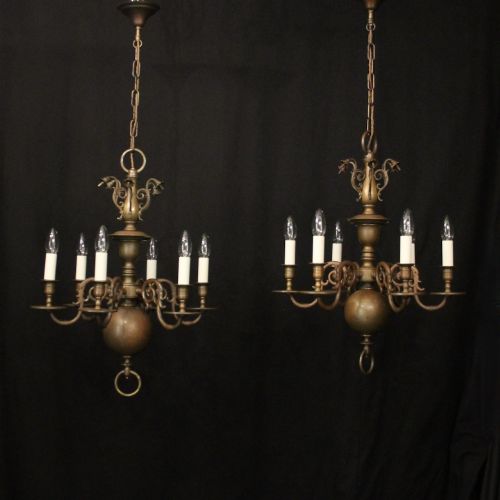
An antique style ceiling light encompasses multi-arm chandeliers, hall lanterns and pendant lighting designed to illuminate larger spaces from above. These fixtures draw upon historical forms ranging from the nineteenth century through the early twentieth century.
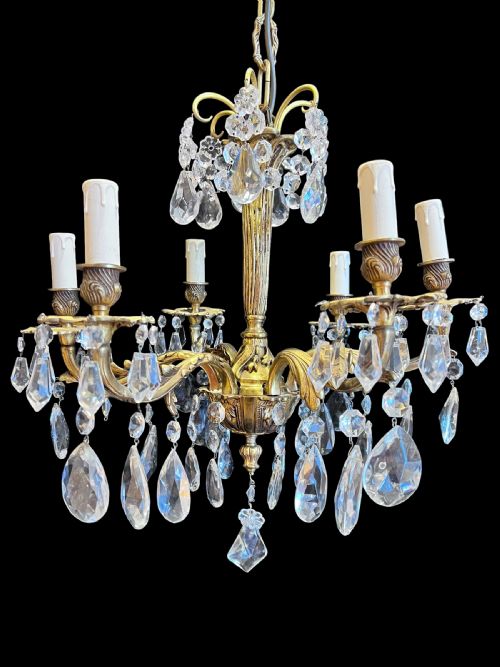
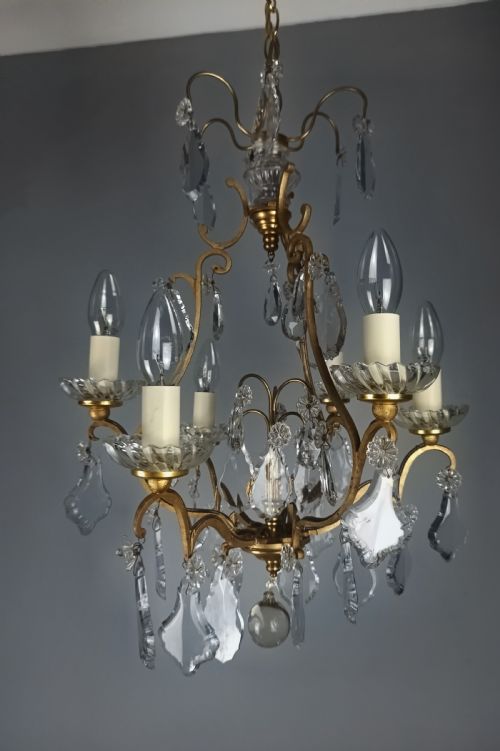
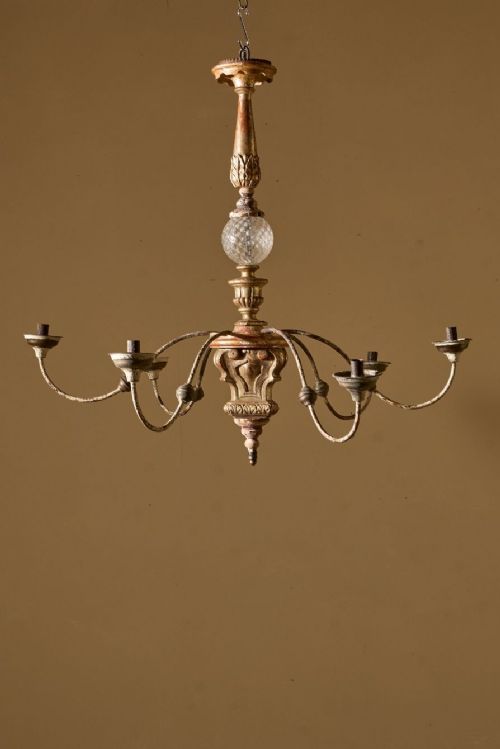
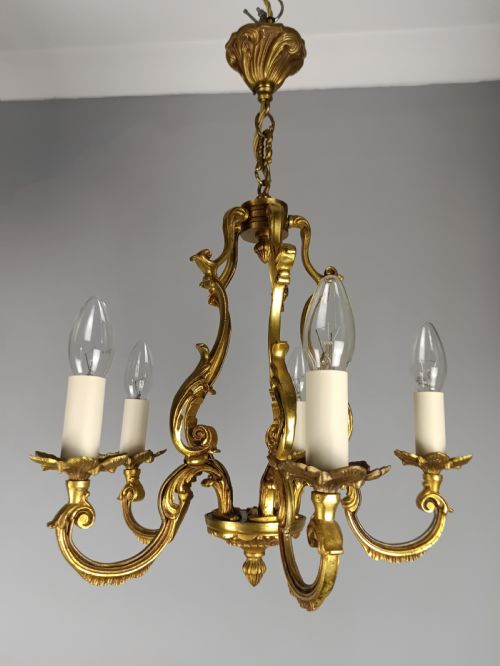
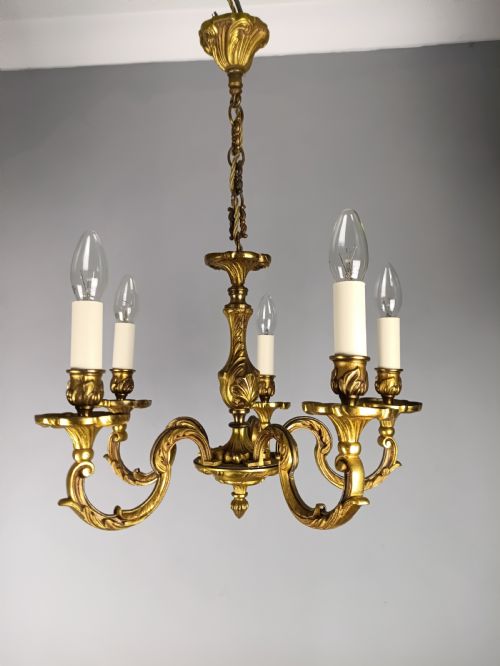
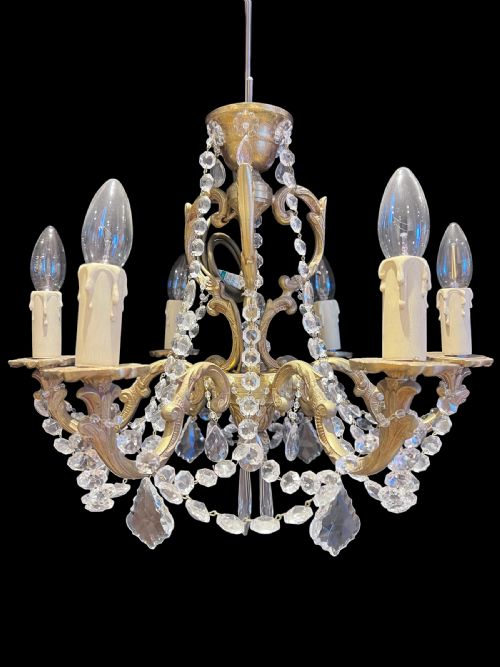
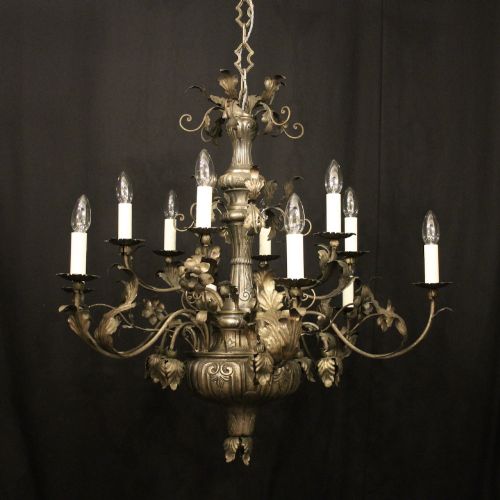
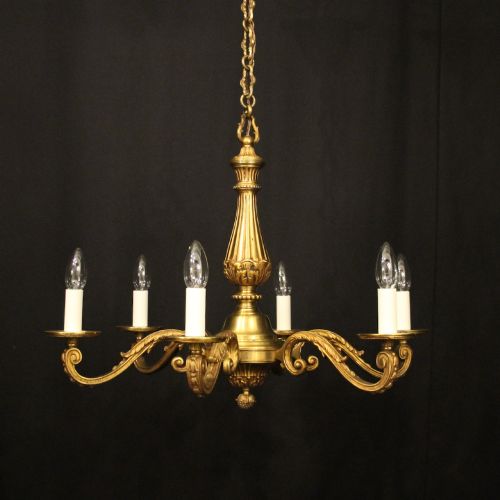
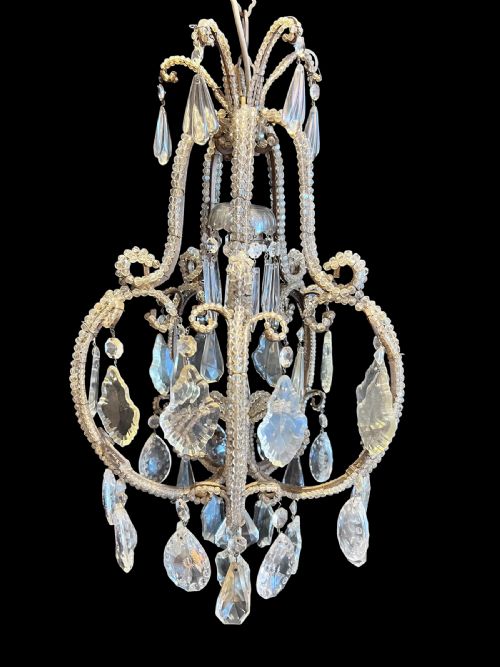
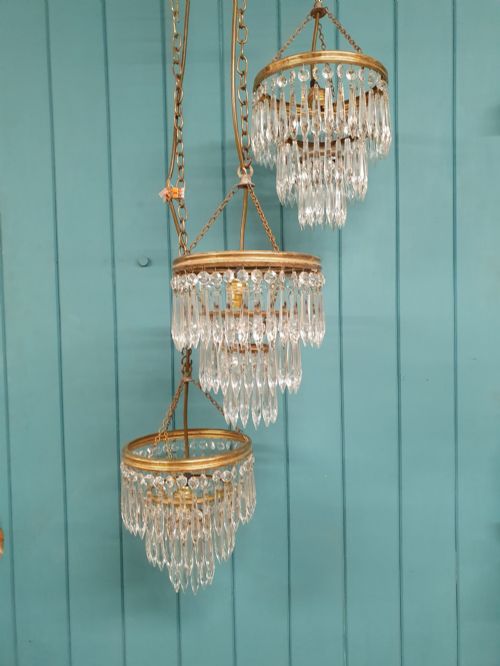
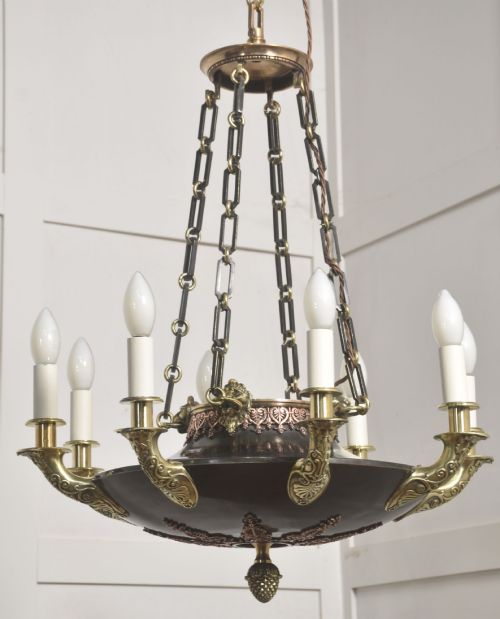
The pieces seen here heavily lean towards French and Italian designs, including intricate birdcage frameworks, tent and waterfall formations, and simpler brass lanterns. French chateau and empire styles dominate the selection alongside Edwardian and arts and crafts interpretations.
Buyers will find fixtures equipped for differing numbers of lights, spanning from single-bulb hall lanterns up to grand twenty-five light ballroom chandeliers. Brass and gilt bronze form the structural backbone for the majority of these overhead fittings.
Materials and construction methods
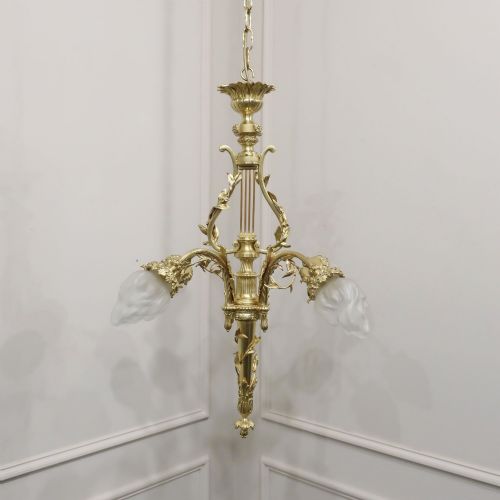
The primary structure relies heavily on cast and formed brass, bronze, and gilt bronze, providing a robust metal armature that supports multiple branches. Artisans frequently applied a gilded or silvered finish to these metal surfaces to enhance reflection.
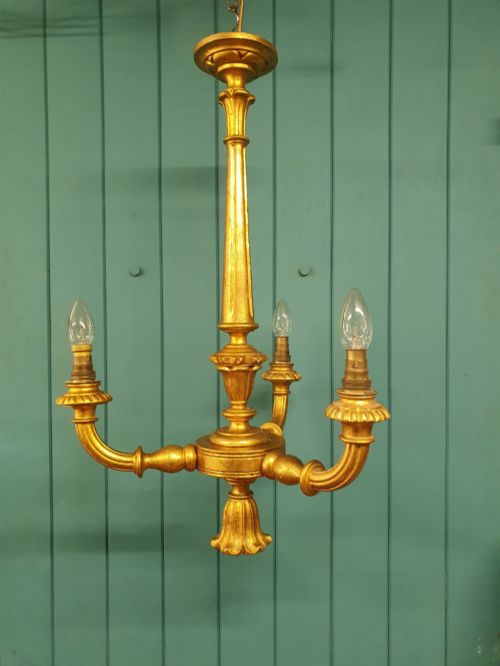
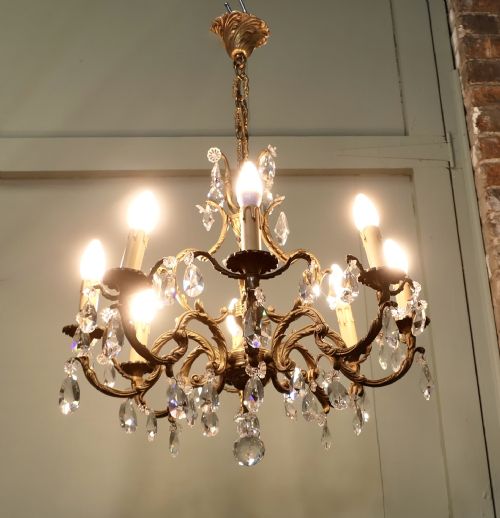
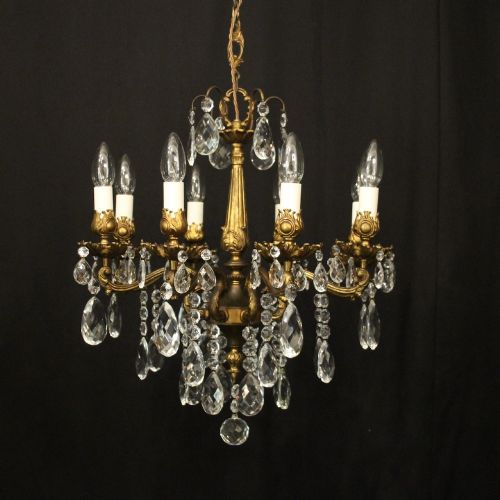
Cut glass and crystal lustres feature prominently, suspended from the metal frames in drops, beads, and waterfalls to catch and refract the illumination. Carved giltwood also appears in specific periods, adding warmth alongside the predominant metalwork.
Keep an eye out for gilded winged cherubs hovering overhead, quietly guarding the room from the centre of the ceiling.
Distinctions in craftsmanship
Quality rests in the crispness of the metal casting and the precision of the hand-chased detail on gilt bronze mounts and figural elements like winged cherubs. Heavier gauge brass and deeply cut crystal prisms create a more substantial presence than pressed metal and moulded glass.
The integration of the electrical conversion and the completeness of the hanging crystal lustres dictate the harmony of the finished piece. Original patination on bronze and brass surfaces preserves depth that modern polishing obscures.
The Antique Style Ceiling Light Glossary
- Chandelier
- A branched ceiling-mounted fixture designed to hold multiple light sources and distribute illumination across a room. These fixtures often incorporate decorative drops of glass or crystal.
- Hall Lantern
- An enclosed ceiling light, frequently convex or cylindrical, designed for narrow spaces like corridors and entrance halls. They typically feature glass panels held within a brass or bronze framework.
- Tent and Waterfall
- A lighting configuration where strings of crystal beads form a conical tent shape above a cascading cluster of further glass drops. This style gained particular popularity during the empire and revival periods.
- Gilt Bronze
- Bronze metal coated with a thin layer of gold or gold-coloured alloy, frequently utilised in French decorative lighting to provide a rich surface sheen.
- Crystal Lustre
- A cut glass pendant or drop hung from the arms and crown of a light fixture to refract light and add visual sparkle.
Antique Style Ceiling Light: Frequently Asked Questions
How do I choose the right size ceiling light?
Consider the floor area and ceiling height of the room where the fixture will hang. Larger multi-arm chandeliers require adequate clearance below, while compact lanterns suit smaller hallways and lower ceilings.
Proportion remains key when matching a heavy multi-light fixture to the scale of surrounding furniture and architectural details.
Are these lights wired for modern electricity?
Most antique style ceiling lights have been adapted for contemporary electrical wiring during their history. Rewiring is often undertaken to meet modern safety standards while retaining the original appearance of the brass or bronze arms.
Buyers should consult a qualified electrician to ensure compatibility with domestic circuits prior to installation.
How do I clean a crystal chandelier?
Cleaning requires patience and a gentle cleaning solution applied by hand to individual glass drops and metal arms. Many owners remove accessible crystal lustres for separate washing in warm soapy water.
Harsh chemical sprays should be avoided to protect the underlying gilt bronze or brass patination.
What is the difference between empire and rococo styles?
Empire style lighting draws on classical proportions, featuring symmetrical arrangements, military motifs, and tent-and-waterfall crystal formations. Rococo designs embrace asymmetrical scrolling foliage, naturalistic curves, and ornate shell-like motifs.
Recognising these decorative vocabularies helps date the period and origin of the metalwork.