

Antique Style Bedroom Chair
An antique style bedroom chair brings period form and decorative detail to a private room.
Antique Style Bedroom Chair
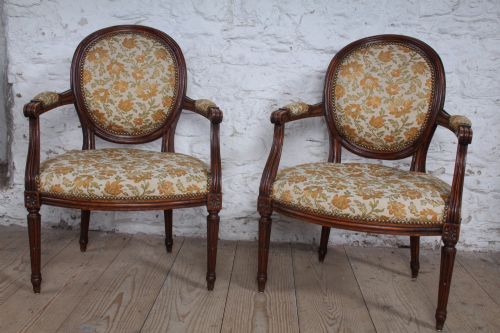
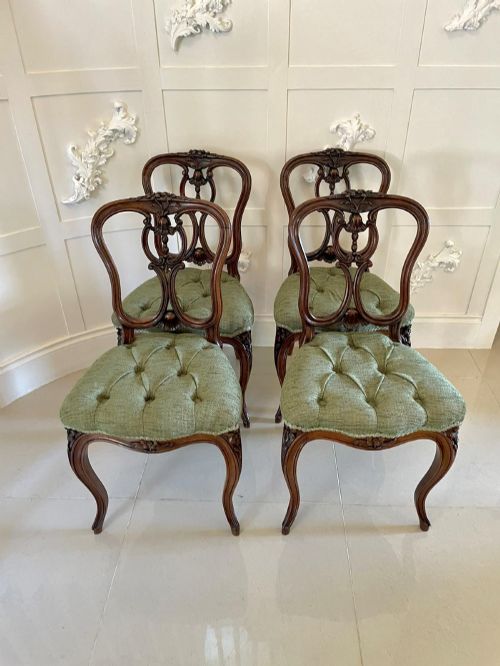
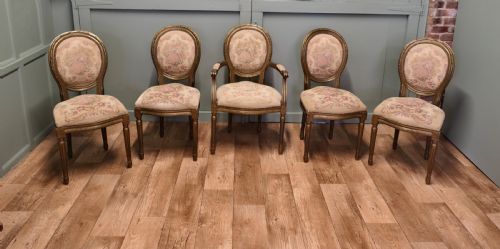
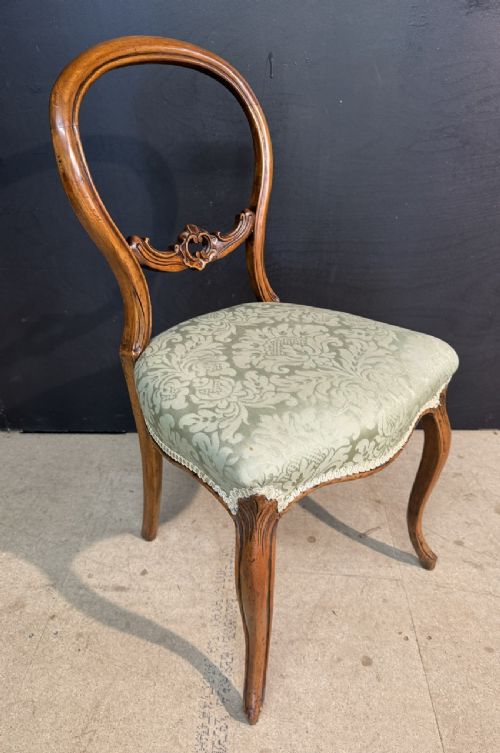
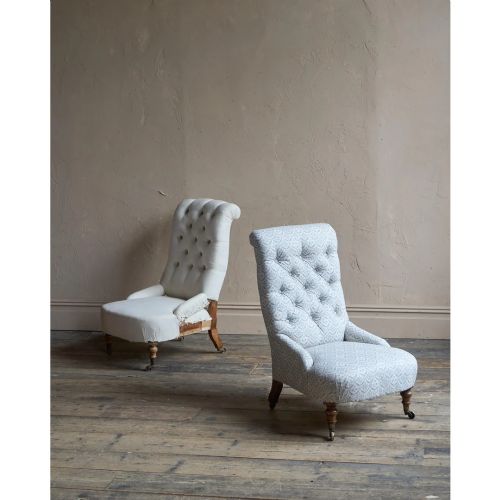
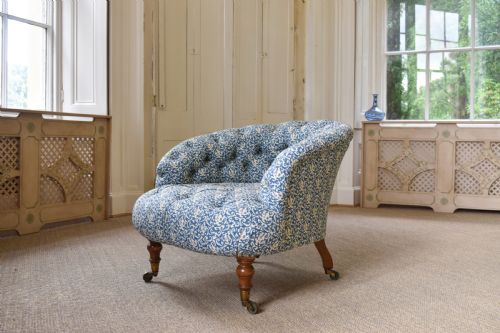
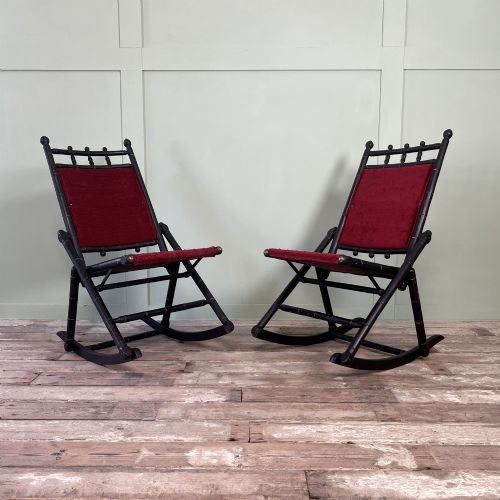
An antique style bedroom chair encompasses diverse seating forms including slipper chairs, armchairs, salon chairs, and rocking chairs designed for personal chambers. These pieces span multiple periods from the eighteenth century through the Edwardian era, showing both English and continental European influences.
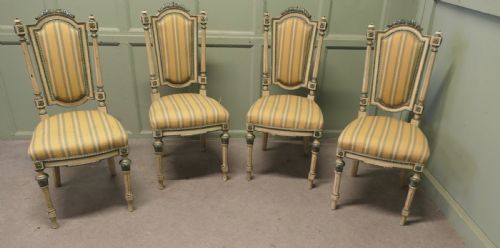
The nineteenth century yields a high concentration of revival designs, featuring Louis XV and Louis XVI styles alongside Victorian interpretations. Walnut, mahogany, and painted wood provide the primary structures for these bedroom and salon seats.
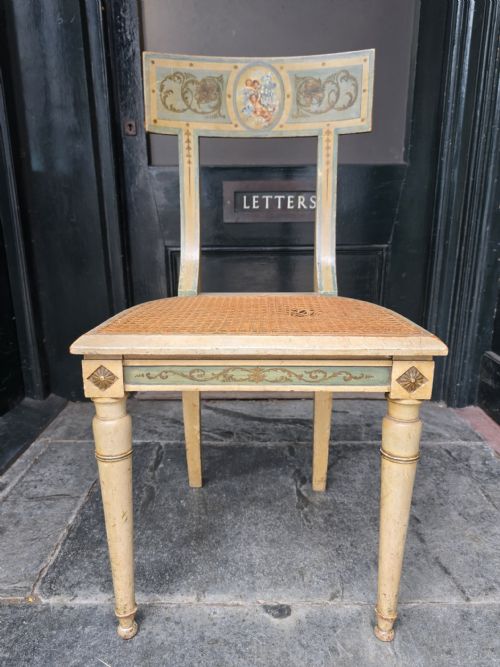
Craftsmanship adapts historical idioms for domestic comfort, ranging from compact desk chairs to elaborately carved giltwood armchairs. Makers utilise traditional upholstery, cane seating, and decorative paintwork to achieve distinct regional aesthetics.
Materials and Construction
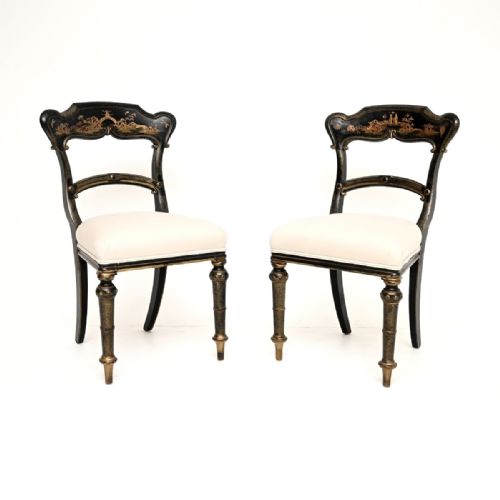
Timbers such as walnut, mahogany, fruitwood, and satinwood form the rigid frames of these chairs, shaped through joinery and carving techniques. Giltwood and painted finishes provide decorative surfaces, sometimes complemented by ormolu mounts or faux bamboo turning.
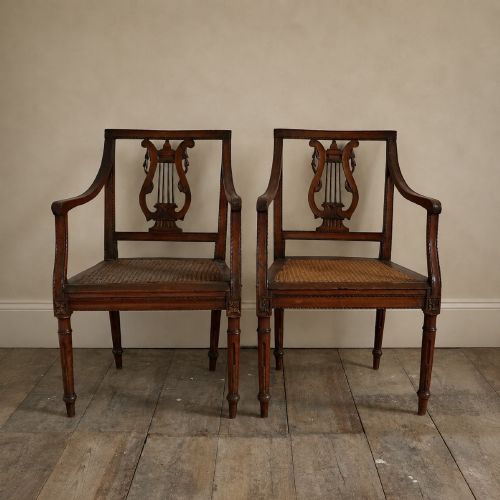
Upholstery methods incorporate fabric, needlepoint, and velvet panels, while alternative supports utilise woven cane. Brass details and fringe trim frequently finish the decoration on nineteenth-century slipper chairs and armchairs.
The listings show pieces spanning the eighteenth century, the Victorian period, and the Edwardian era in walnut, mahogany, and giltwood.
Distinguishing Quality
The refinement of carved detail and the integrity of the timber frame separate standard examples from finer pieces. Original surface treatments, such as early paint finishes or period gilding, elevate the standing of a chair.
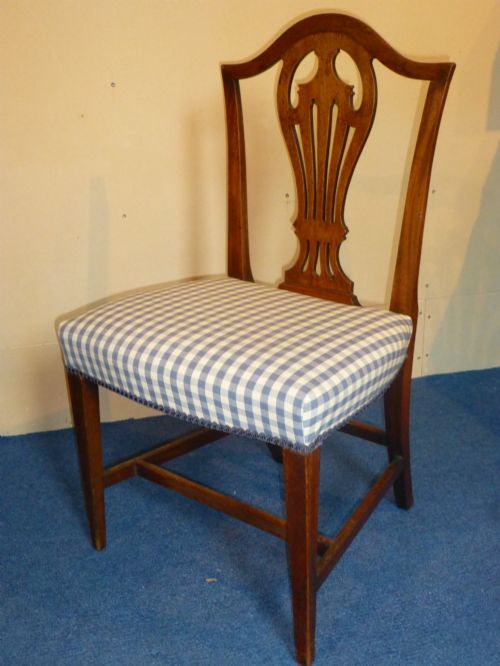
Coherence in revival styling, whether following a Chippendale, Hepplewhite, or Louis XVI model, indicates skilled workshop execution. The survival of original upholstery materials and supportive cane work also contributes to an item's standing.
Howard and Sons·Gillows·Blaise Maucuy
The Antique Style Bedroom Chair Glossary
- Bergere
- An enclosed upholstered armchair with wooden framing, popular in French eighteenth-century design and later revivals. These seats usually feature padded armrests and a loose seat cushion.
- Fauteuil
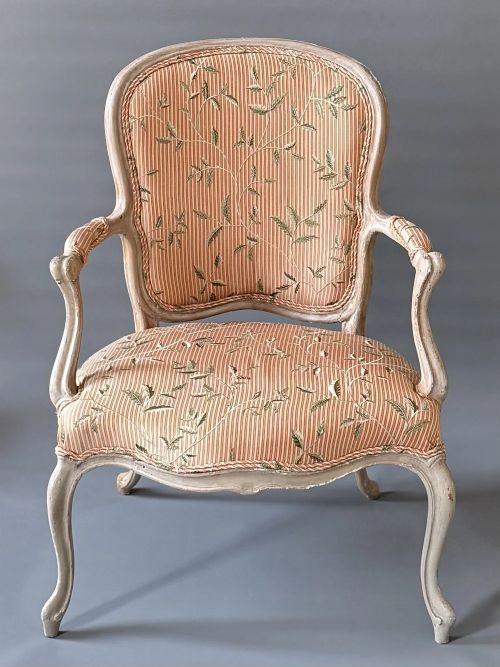
- An open-arm armchair with an exposed wooden frame, originating in France. The arms typically have upholstered pads where the wood curves outward.
- Caned seat
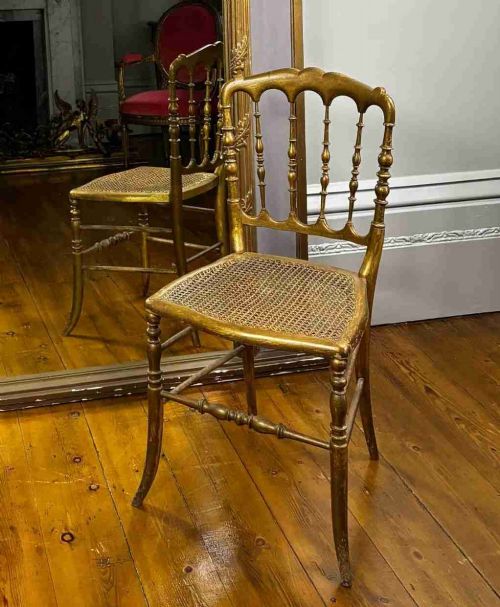
- A seating surface woven from peeled rattan or cane strips. This technique provides a lightweight, flexible grid pattern found on various salon and side chairs.
- Ormolu
- Gilt-bronze mounts applied as decorative ornaments to furniture frames. This metalwork appears frequently on nineteenth-century revival pieces.
- Slipper chair
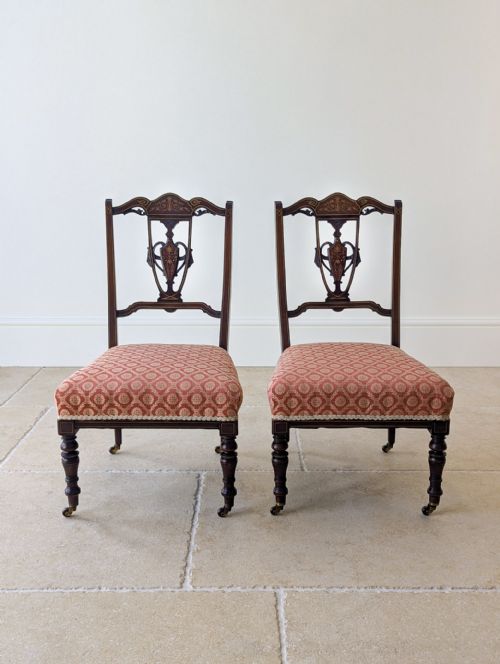
- A low-seated upholstered chair originally designed for a bedchamber to assist with dressing. The low profile distinguishes it from standard parlour seating.
Antique Style Bedroom Chair: Frequently Asked Questions
What defines a bedroom chair?
A bedroom chair is a smaller-scale seat designed for personal chambers, dressing rooms, or boudoirs rather than formal reception spaces.
These pieces include slipper chairs, low armchairs, and vanity seats created to fit comfortably in private quarters.
How do I identify French revival styles?
French revival pieces incorporate characteristic elements like cabriole legs, carved giltwood frames, and symmetrical rococo or neoclassical ornamentation.
Craftsmen in the nineteenth century reproduced these eighteenth-century motifs using contemporary woodworking and gilding techniques.
Where were cane seat chairs used?
Cane seat chairs served primarily in salons, bedrooms, and drawing rooms where lighter furniture was preferred.
The woven rattan provides a breathable surface that suits domestic chambers and warmer climates.