



Antique Study Cabinet
When you search for an antique study cabinet, you find writing furniture and small bookcases built for serious work.
Antique Study Cabinet
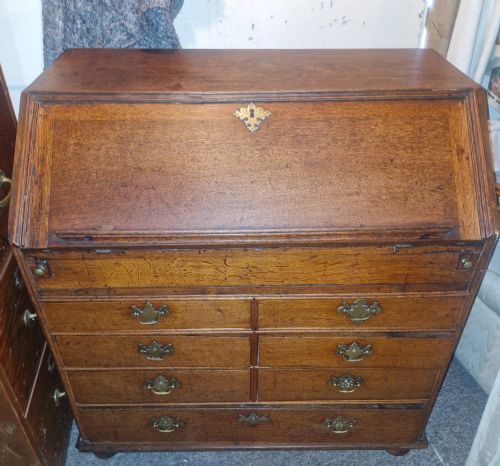
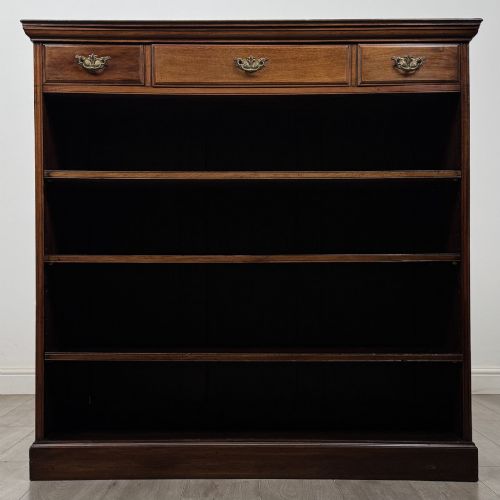
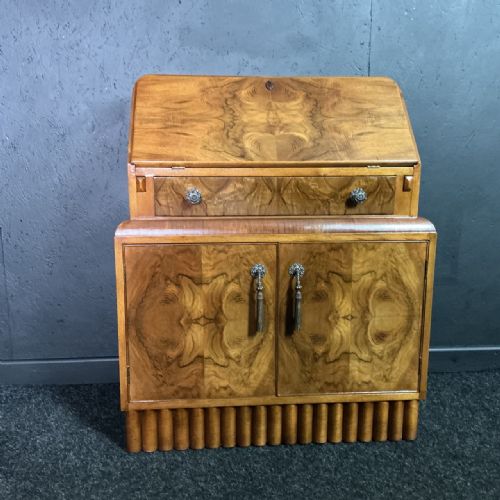
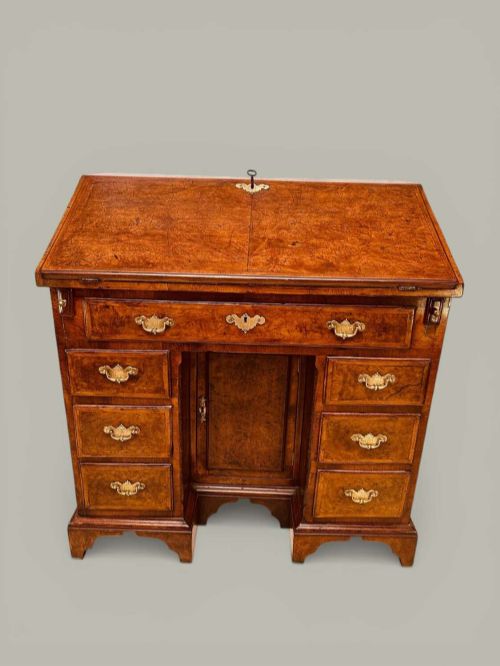
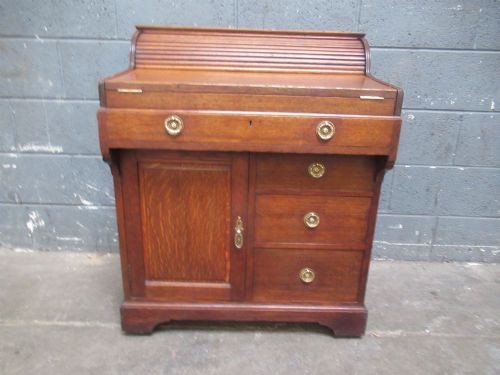
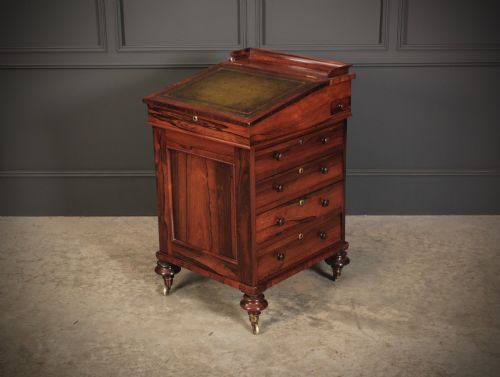
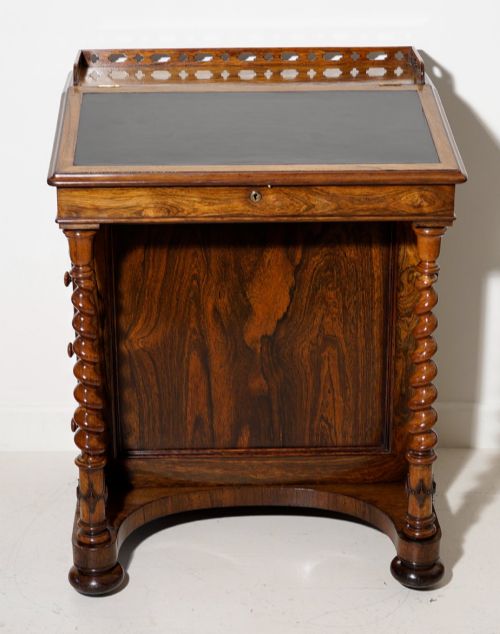
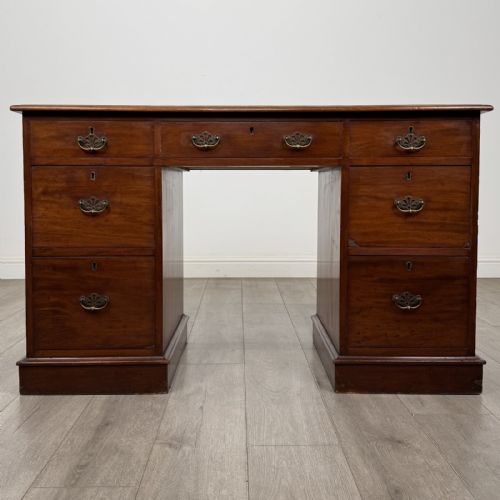
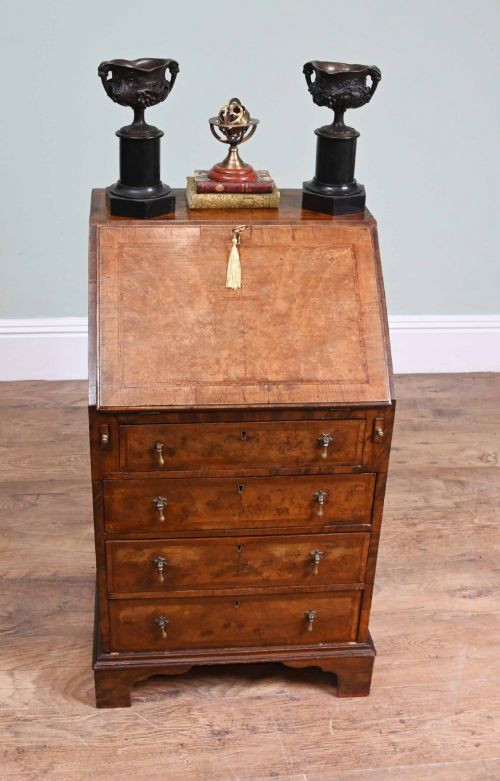
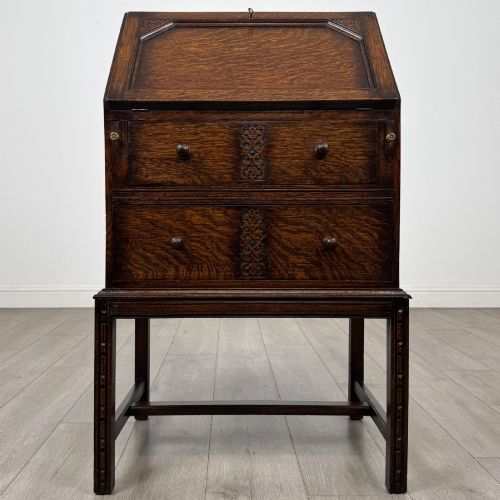
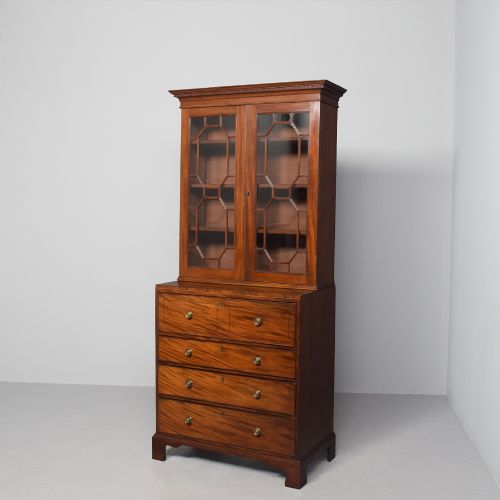
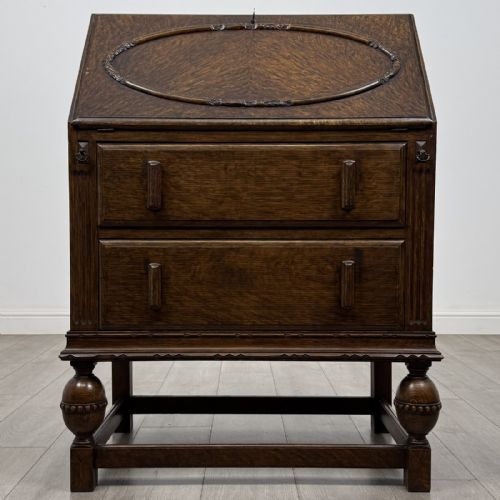
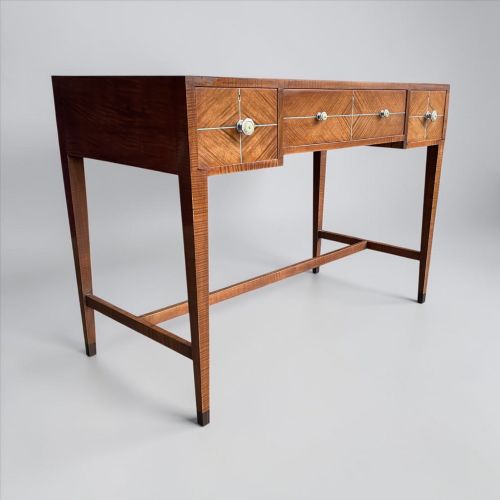
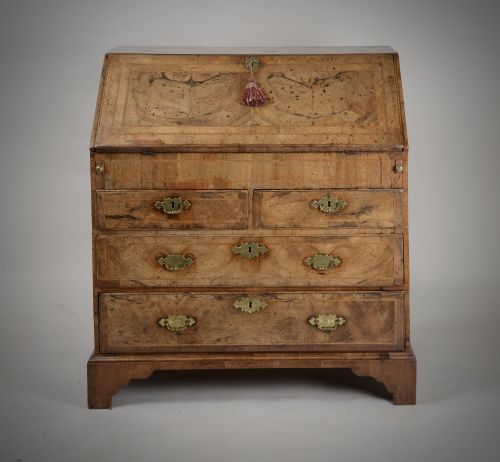
The term antique study cabinet encompasses desks, writing tables, bureaus, and bookcases that furnished private studies, libraries, and offices. These pieces range from compact walnut and mahogany Davenport desks to large oak bookcases and fitted kneehole desks.
On this page, the pieces you meet most often date from the 18th century through to the early 20th century, covering Georgian, Victorian, and Edwardian periods. Many incorporate specialised writing compartments, drawers, and display space designed for organising papers and books.
Makers such as Gillows and Mercier Frères appear alongside simpler vernacular pieces like Welsh oak writing bureaus. The selection also includes related items historically kept in studies, such as framed prints, specimen collections, and cabinet plates.
Materials and construction
Cabinet makers built these pieces using solid timbers and decorative veneers, relying heavily on mahogany, oak, walnut, and burr walnut. Finer surfaces often feature flame mahogany or marquetry inlay, sometimes accented with brass hardware and leather writing surfaces.
Construction techniques include traditional dovetailing for drawer construction and tambour mechanisms for sliding desk tops. Heavier pieces combine structural oak frames with glass doors for bookcases and specialised internal pigeonholes for stationery.
Antique Study Cabinet Retail Price Guide 2026
Typical asking prices for study cabinet among the pieces listed under this phrase on Sellingantiques today, from the lower quarter to the upper quarter. They describe what is for sale here now, not the wider market.
A bronze study entitled "Whip Girl" by Bruno Zach stands ready to crack the whip over any dusty paperwork.
Judging quality and craftsmanship
Quality in these pieces rests on the selection of timber veneers and the precision of the internal fittings. Desks with smoothly operating mechanical pop-up sections, tambour lids, and original leather inserts sit at the higher end of the range.
The integrity of the secondary woods, the retention of original brass fittings, and the crispness of any carved details or marquetry separate standard production pieces from workshop-attributed furniture.
Gillows·Mercier Frères·Royal Worcester·Bruno Zach·William Bird
The Antique Study Cabinet Glossary
- Davenport
- A small compact desk featuring a sloping writing surface above a pedestal of drawers. Originating in the Regency period, it often includes a stationary compartment on top.
- Bureau
- A desk with a hinged sloping flap that opens to reveal a fitted interior of small drawers and pigeonholes. They appear in oak, walnut, and mahogany across various centuries.
- Kneehole desk
- A flat-topped desk with a recessed space for the legs flanked by pedestals of drawers. Georgian and Victorian examples often feature central cupboard doors beneath the writing surface.
- Marquetry
- Decorative veneer work formed by fitting together thin pieces of wood, shell, or ivory to create pictorial designs. It appears on the surfaces of fine Victorian and Georgian writing desks.
- Secretaire
- A piece of furniture containing a drawer or compartment that pulls out to form a writing surface. These are frequently integrated into larger bookcases or chests of drawers.
Antique Study Cabinet: Frequently Asked Questions
What is a Davenport desk?
A Davenport is a compact form of writing desk featuring a sloped, leather-inset top with a set of drawers opening to one side. They gained popularity during the Regency and Victorian periods for use in smaller drawing rooms and studies.
Many examples include a stationery box mounted on top and concealed casters underneath for easy movement around a room.
How do I date an oak bureau?
Dating an oak bureau involves looking at the construction of the interior drawers, the type of hinges, and the overall proportions. Earlier 18th-century pieces often feature hand-cut dovetails and solid board backs, while Edwardian versions tend to display machine-sawn elements and standardised hardware.
The presence of linenfold panels usually points towards an Edwardian revival style rather than an authentic Tudor date.
Where were study cabinets placed?
Study cabinets and writing desks were traditionally housed in private libraries, dedicated home offices, or quiet corners of large drawing rooms. They served as personal workstations for corresponding, managing estate accounts, and storing reference books.
Bookcases with glass doors protected valuable leather-bound volumes from dust and soot in coal-heated rooms.