



Antique Studio Stand
An antique studio stand anchors a workspace with practical utility, offering adjustable mechanisms and robust timber construction that serious artists and collectors value.
Antique Studio Stand
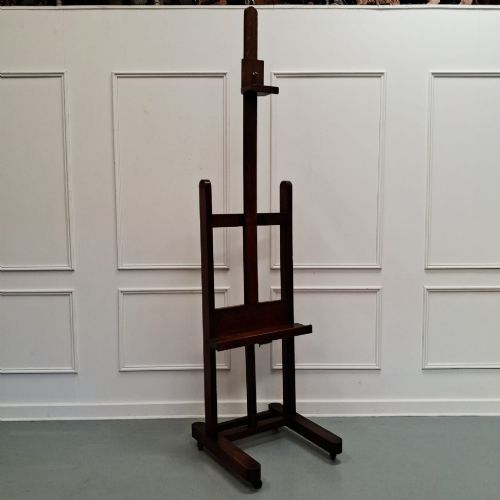
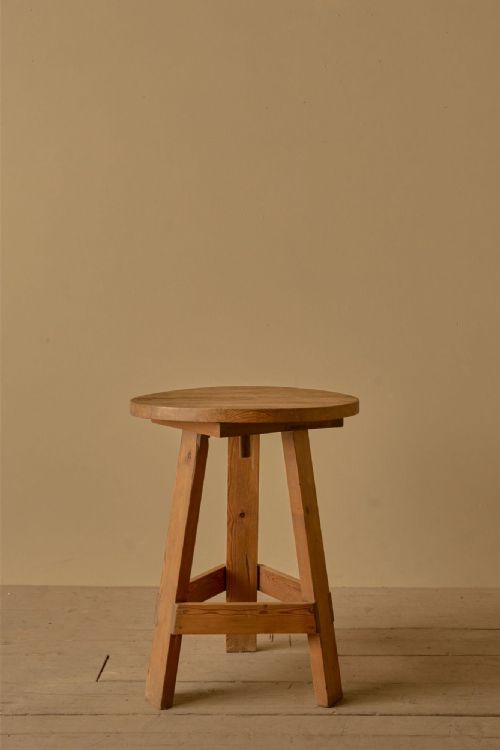
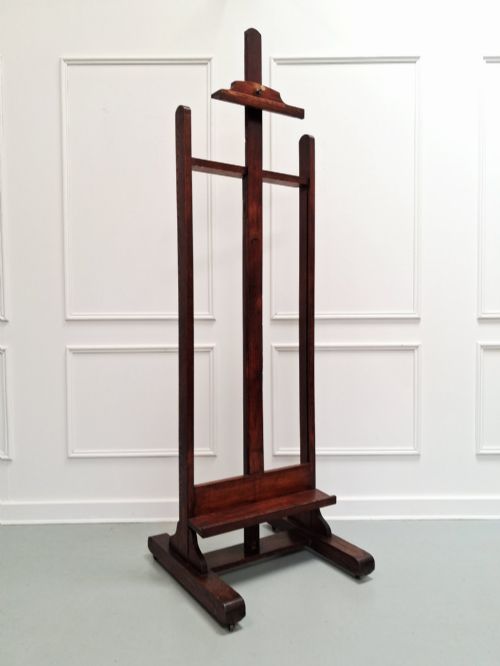
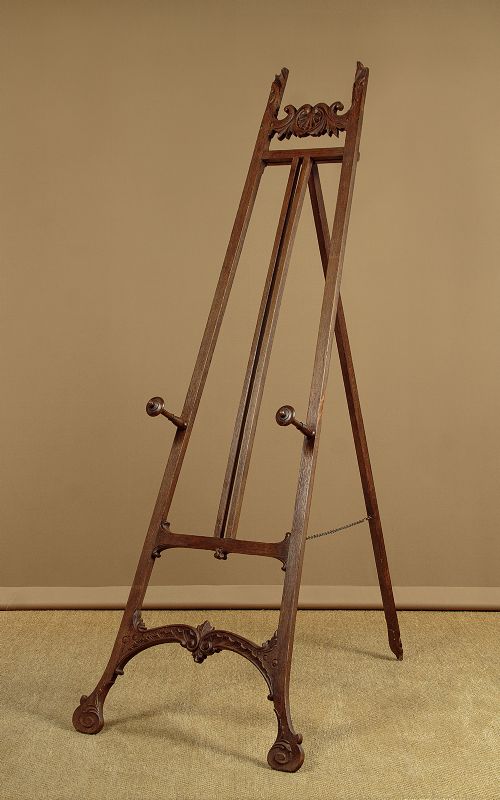
When you search for an antique studio stand, you encounter pieces designed primarily for artistic creation and display, spanning easels, sculptors stands, and display supports. These objects range from heavy nineteenth-century oak floor models to smaller tabletop versions made of pine or mahogany.
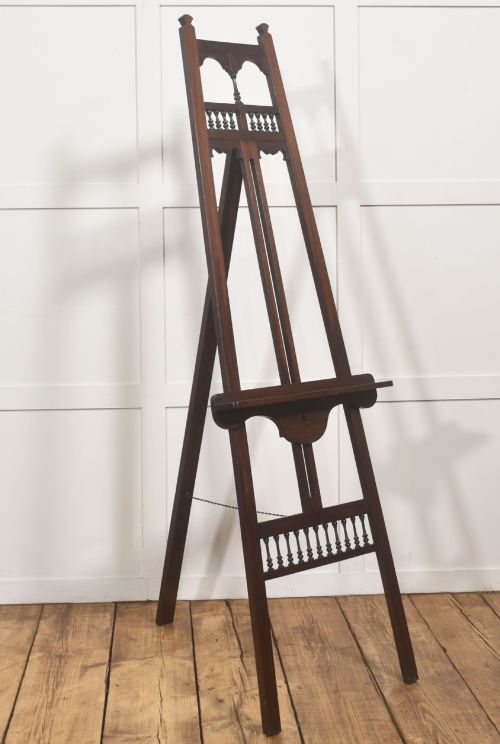
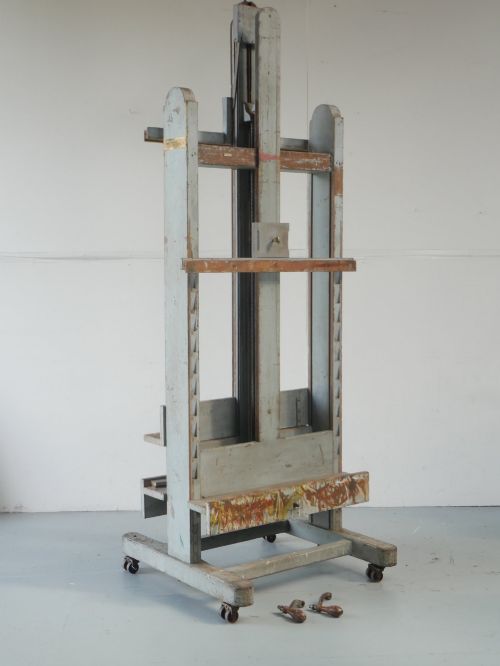
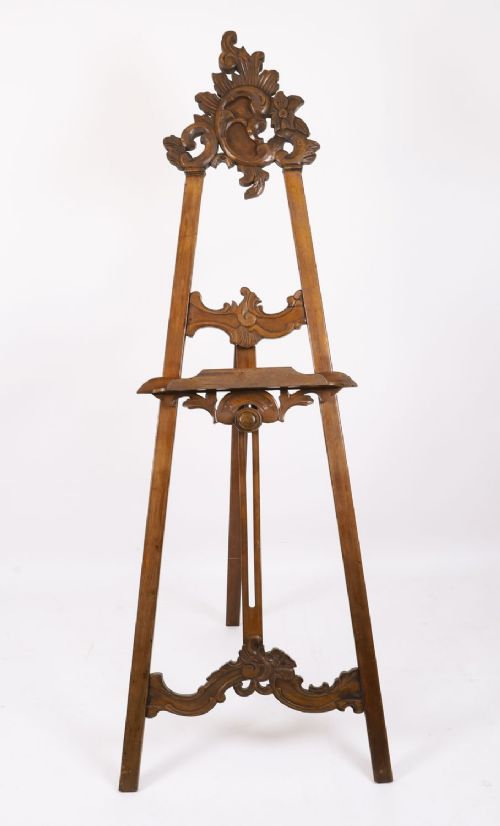
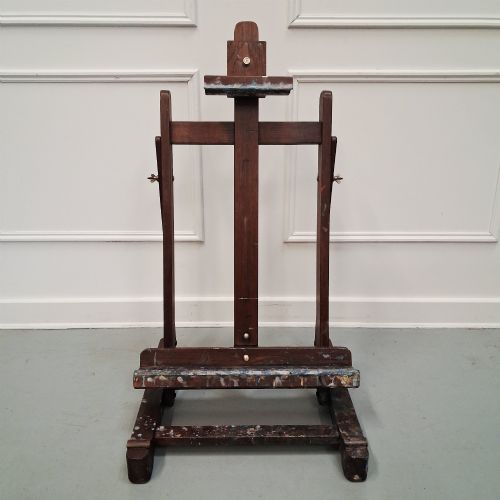
The selection on this page frequently includes large fully adjustable studio easels alongside specialised furniture like sculptors stands, artist materials tables, and display stands. Pieces originate from periods including the Victorian era, the early twentieth century, and the eighteenth century, showing styles such as industrial, Rococo Revival, and Aesthetic Movement.
Most examples serve a functional purpose in a studio or gallery setting, built to hold canvases, sculpture, or related materials. The variety encompasses British, French, and Chinese origins, providing robust timber frames and occasional metal mechanical elements.
How they were made
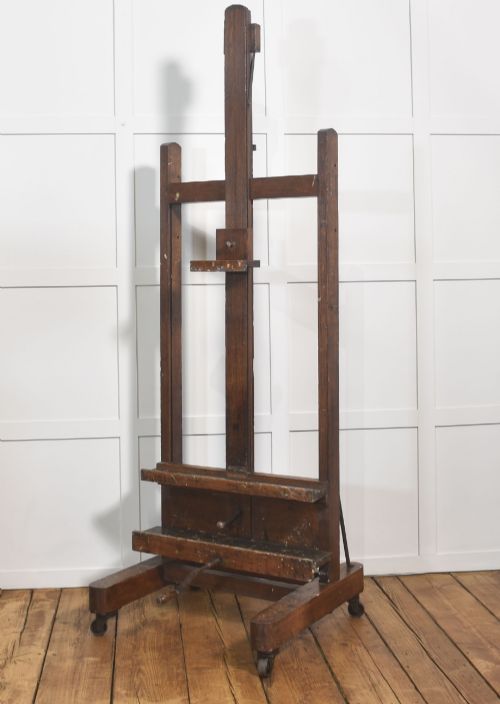
Construction relies heavily on durable hardwoods like oak, mahogany, and walnut, alongside softer timbers such as pine for larger utility items. Metal and iron components appear in winding handles, brackets, and height-adjustment mechanisms, allowing these stands to bear significant weight.
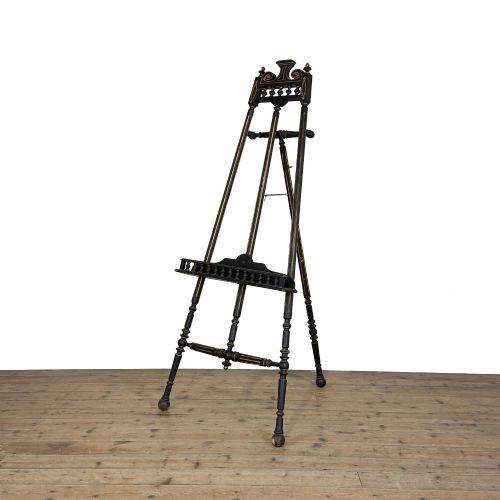
Joinery methods reflect the functional demands of the studio, using sturdy joints designed to withstand repeated adjustment and heavy daily use. Finishes range from natural polished oak to ebonised surfaces and original painted coatings.
Antique Studio Stand Retail Price Guide 2026
Typical asking prices for studio stand among the pieces listed under this phrase on Sellingantiques today, from the lower quarter to the upper quarter. They describe what is for sale here now, not the wider market.
What varies in quality
Quality in these pieces depends upon the integrity of the mechanical adjustments and the sturdiness of the timber frame. Stands that retain fully functioning winding mechanisms and solid, uncompromised wood joints represent the higher end of the range.
Finer examples display careful turning, decorative carving, or choice hardwoods like mahogany, whereas utilitarian pieces utilise plain pine or cast iron with straightforward industrial construction. The presence of maker signatures or specialised studio adjustments further distinguishes the best pieces.
Francois-pierre Guillois·Windsor and Newton·Roberson & Co
The Antique Studio Stand Glossary
- Chevalet
- A French term for an easel, frequently associated with nineteenth-century artist equipment. It denotes a freestanding frame used to support a painting during creation.
- Lay figure
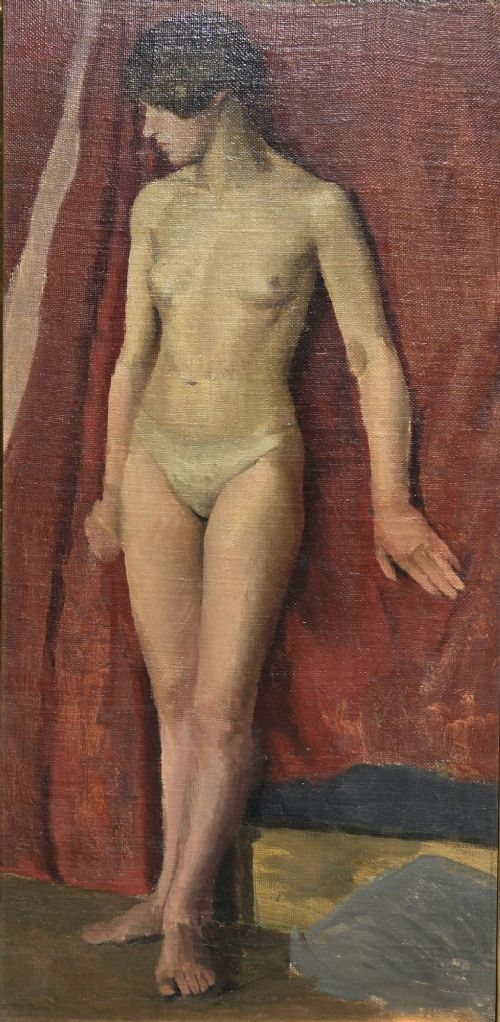
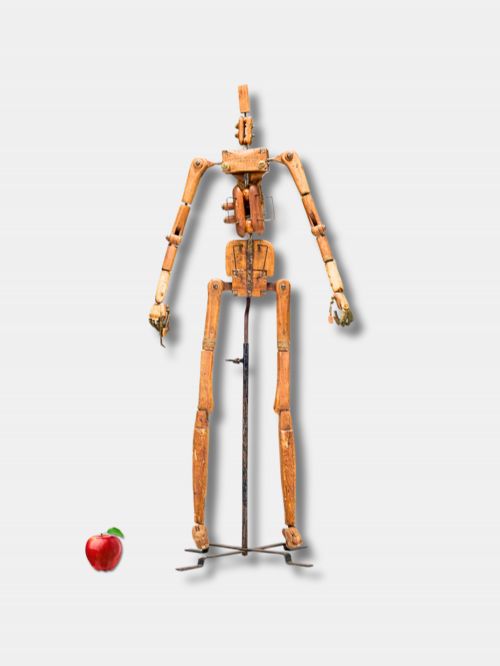
- An articulated artist manikin or mannequin used for studying the drape of clothing and the human form. These life-size figures typically mount onto a heavy wooden stand.
- Scholar's desk censer
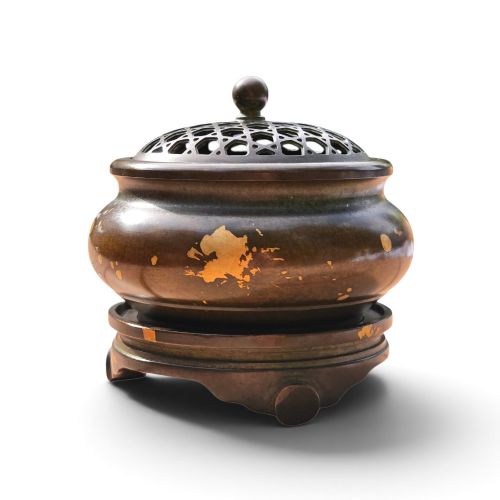
- A portable vessel used for burning incense in traditional Chinese studies, often accompanied by a dedicated stand. These pieces are cast in bronze or carved from hardwoods.
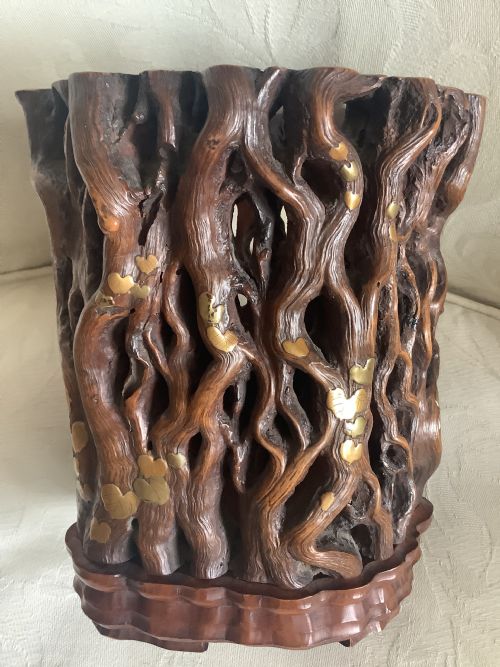
- Brush pot
- A cylindrical container used in Chinese scholar's studios to hold writing brushes. They appear in materials such as hard wood and feature intricate carving.
- Gallery easel
- A heavy-duty display stand designed to exhibit finished artwork rather than support a work in progress. These often feature double-sided boards or wide ledges for prominent presentation.
Antique Studio Stand: Frequently Asked Questions
What is a studio stand used for?
These stands provide physical support for canvases, sculptures, and artist materials during the creative process or for gallery display. They allow artists to adjust height and angle for optimal working conditions.
Beyond traditional painting easels, the category includes specialised equipment like sculptors stands and materials tables designed to keep tools within reach.
How do I date an antique easel?
Dating relies on examining the timber species, construction techniques, and mechanical hardware present on the stand. Nineteenth-century examples often feature heavy brass winding mechanisms and quarter-sawn oak.
Stylistic details like ebonised finishes point toward the Aesthetic Movement, while Rococo Revival pieces show characteristic carved scrollwork and serpentine lines.
Are these stands fully adjustable?
Many larger studio models incorporate rack-and-pinion winding mechanisms or pegged supports that allow vertical adjustment of the central shelf. This adjustability was essential for accommodating canvases of varying dimensions.
Simpler tabletop or display models may use fixed ledges or basic screw-tightening brackets rather than complex mechanical gears.
How do I live with a studio stand?
Studio stands make strong architectural statements in modern interiors, functioning as display frames for large artworks, mirrors, or photographs. Their robust timber construction allows them to anchor a room corner or gallery wall effectively.
Maintenance involves treating the exposed wood with appropriate wax or oil and ensuring any metal adjustment screws remain lightly lubricated.