

Antique Storage Shelves
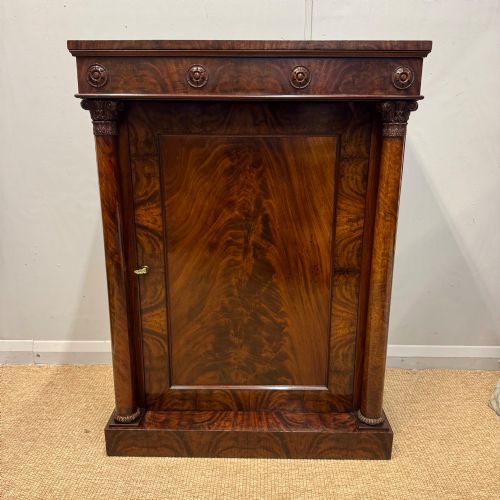
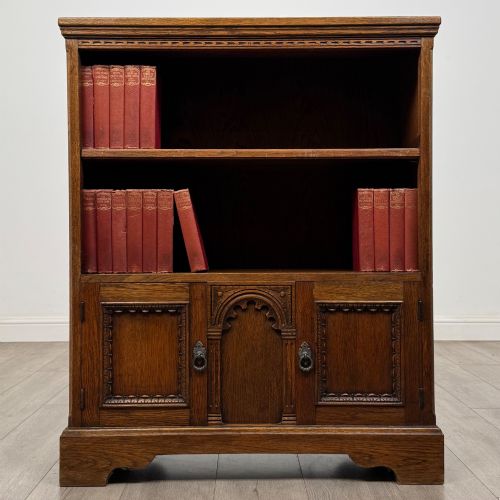
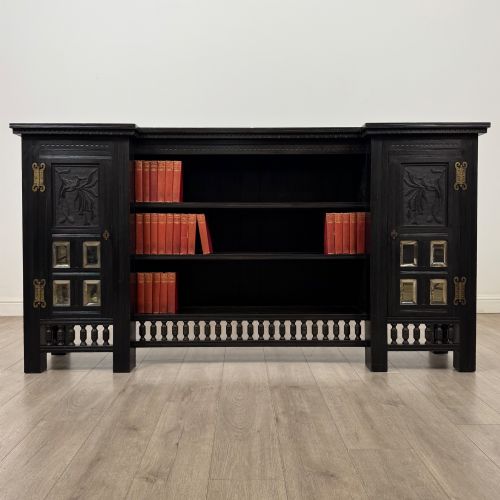
Antique storage shelves offer practical utility and period character, ranging from open bookcases to side cabinets in various woods.
Antique Storage Shelves
When searching for antique storage shelves, buyers encounter a diverse selection of furniture designed for organising and displaying books, linens, and domestic goods. These pieces originate from periods spanning the nineteenth century through the early twentieth century, including the Victorian and Edwardian eras.
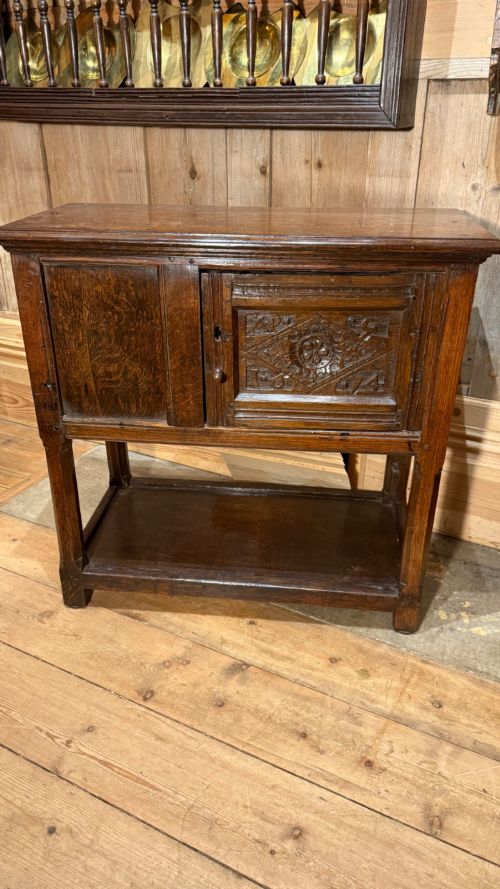
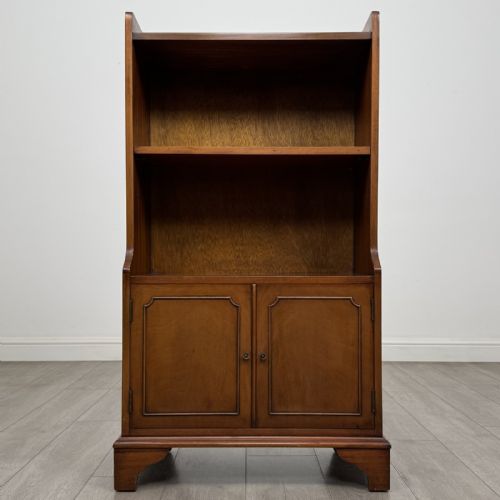
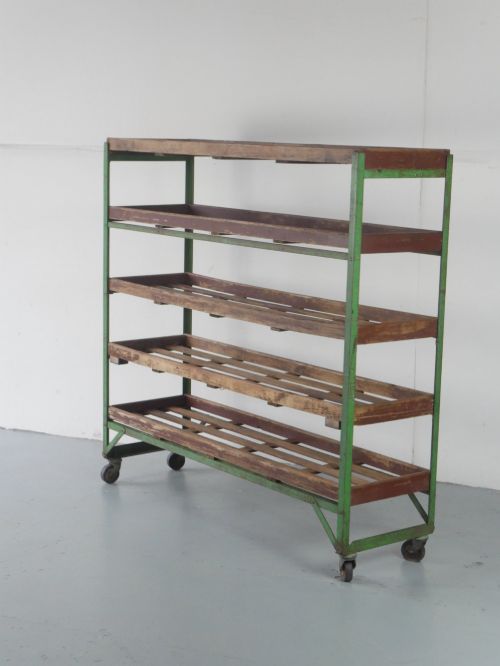
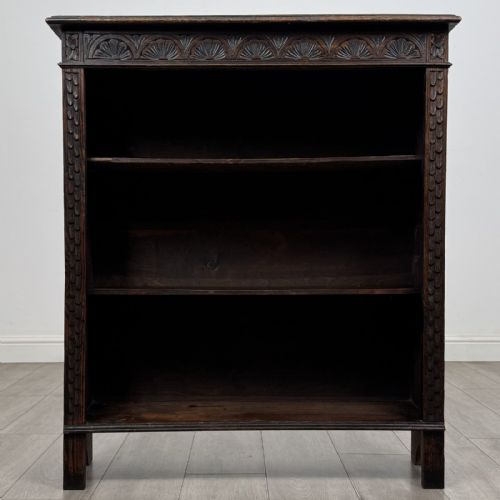
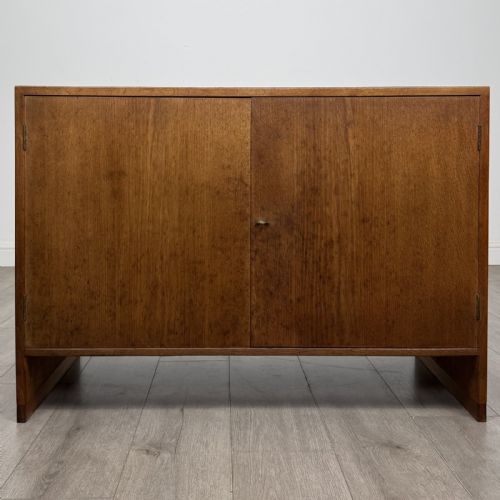
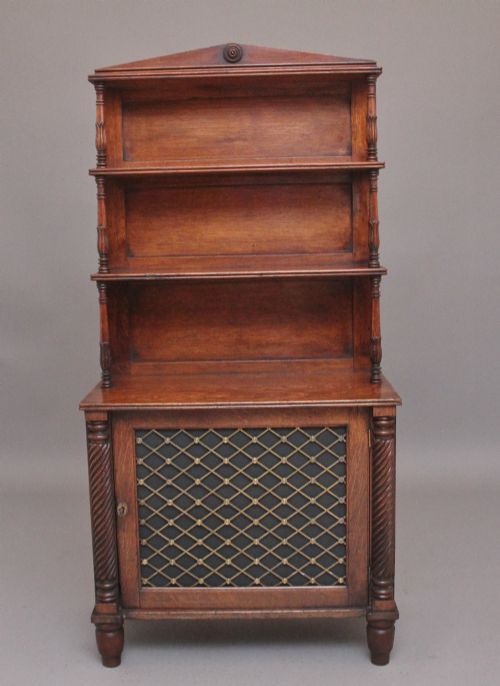
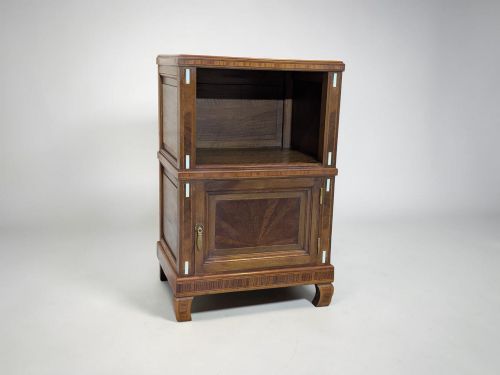
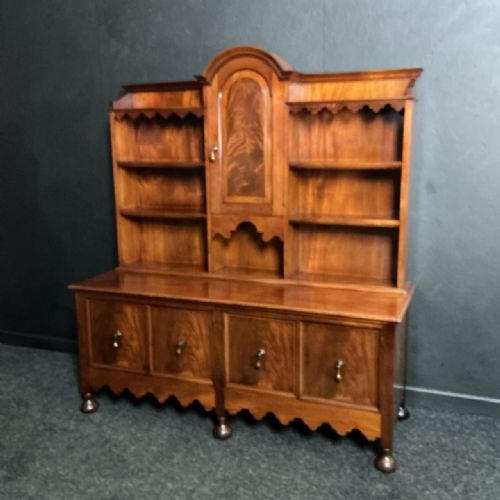
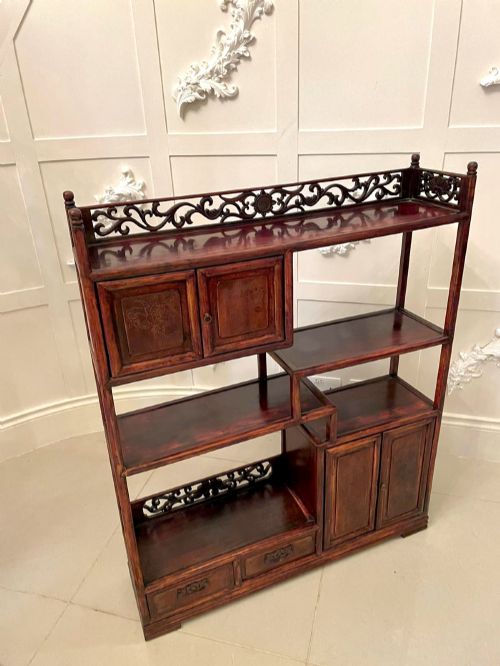
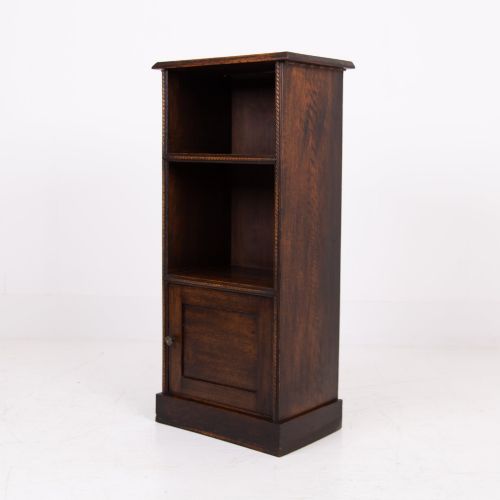
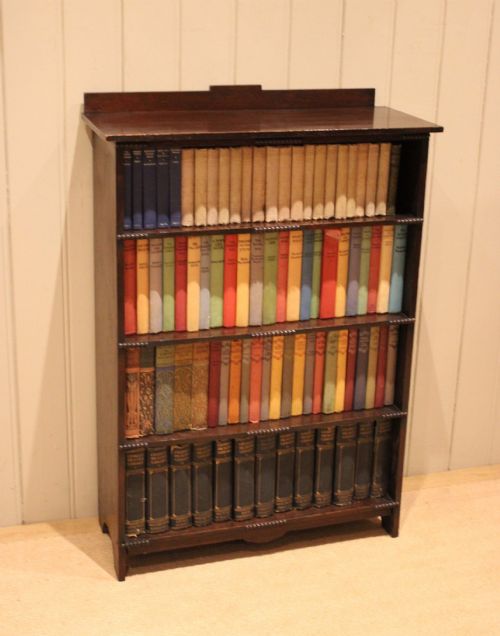
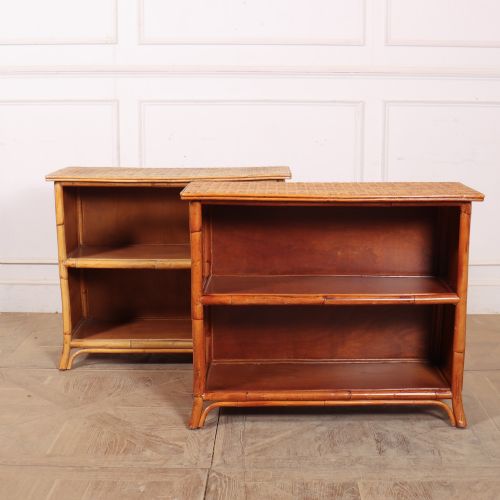
The most common forms on this page include open bookcases, display cabinets, dressers, and side cabinets. Examples range from compact bedside units and tier whatnots to large library bookcases and industrial wooden shoe trolleys.
Materials utilised in these storage items reflect traditional cabinetmaking traditions, featuring solid woods and decorative veneers like oak, mahogany, walnut, pine, and rosewood. Regional variations and revival styles such as Jacobean Revival and Arts and Crafts provide distinct visual characteristics.
How they were made
Construction relies heavily on timbers such as oak, mahogany, pine, and walnut, frequently assembled with traditional joinery. Cabinetmakers incorporated functional elements like adjustable shelves, tambour doors, and glazed panels into the overarching designs.
Surface finishes vary from polished wood to painted or waxed treatments, highlighting the natural grain of figured walnut or elm. Details like carved decoration, beaded edges, and inlaid mahogany demonstrate the range of craftsmanship applied across different forms.
Antique Storage Shelves Retail Price Guide 2026
Typical asking prices for storage shelves among the pieces listed under this phrase on Sellingantiques today, from the lower quarter to the upper quarter. They describe what is for sale here now, not the wider market.
The listings feature diverse timber selections including oak, mahogany, walnut, pine, and rosewood across various nineteenth and early twentieth century periods.
What varies in quality
Quality depends upon the selection of timber, the precision of the joinery, and the integrity of structural elements such as adjustable shelf mechanisms and door fittings. Superior examples utilise dense hardwoods like solid mahogany or figured walnut with refined carving and balanced proportions.
Simpler utilitarian pieces, such as pine cupboards or industrial shoe trolleys, derive their appeal from robust construction and honest utility rather than elaborate ornamentation. The sophistication of the hardware and the execution of details separate standard utility items from finer cabinetwork.
Whytock and Reid·Liberty and Co
The Antique Storage Shelves Glossary
- Whatnot
- A set of open shelves used for displaying ornaments and small objects, typically featuring multiple tiers supported by slender columns.
- Tambour
- A flexible door constructed from narrow strips of wood glued to a canvas backing, sliding smoothly within grooved tracks on cabinets.
- Chiffonier
- A low sideboard or cabinet featuring a combination of enclosed storage cupboards and upper shelves, common in Victorian interiors.
- Pier cabinet
- A narrow cabinet designed specifically to fit against the wall space between windows, often featuring glass doors for display.
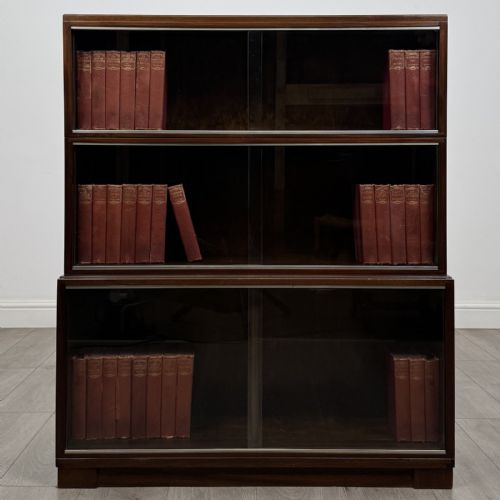
- Barristers stacking bookcase
- A modular bookcase composed of multiple shelf sections with upward-lifting glass doors, designed to be stacked vertically.
Antique Storage Shelves: Frequently Asked Questions
How do I use a chiffonier in a modern room?
A chiffonier provides enclosed lower storage combined with upper surface space or shelves, making it functional for living areas and dining rooms. The flat top surface suits decorative displays or serving purposes.
In contemporary interiors, these cabinets serve as media units or sideboards. Their compact footprints accommodate storage needs without dominating smaller rooms.
What is the difference between an Edwardian and a Victorian bookcase?
Victorian bookcases generally feature heavier proportions, darker finishes, and substantial carved ornamentation in woods like mahogany and oak. They reflect the industrial production capabilities and decorative tastes of the nineteenth century.
Edwardian examples tend to display lighter construction, simpler lines, and delicate inlay work. Makers during this period favored figured walnut and satinwood accents within refined, domestic forms.
Are industrial shoe trolleys suitable for domestic storage?
Industrial shoe trolleys offer partitioned wooden storage compartments originally utilised in commercial settings. Their robust construction and numerous pigeonholes make them practical for organising household items.
In homes, these pieces function as hallway storage or studio shelving. Their utilitarian aesthetic contrasts with traditional household furniture while providing accessible open storage.