
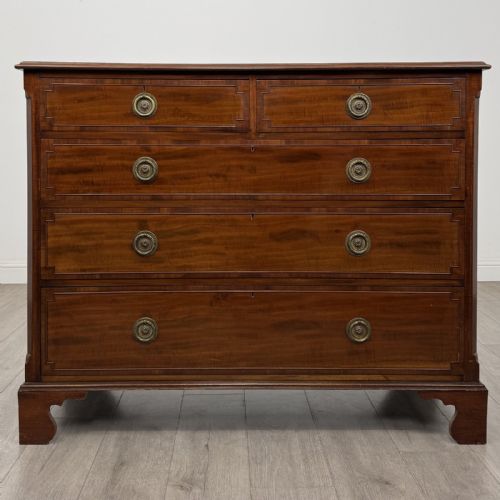
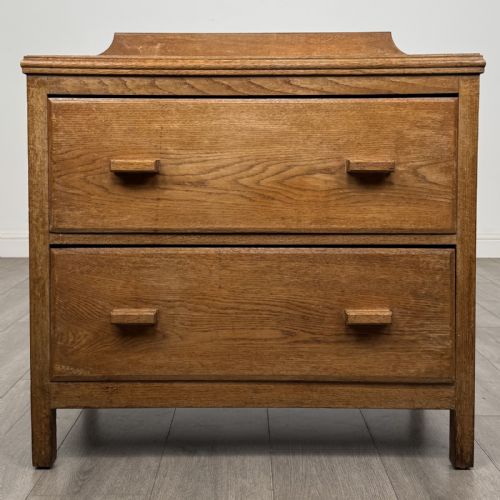
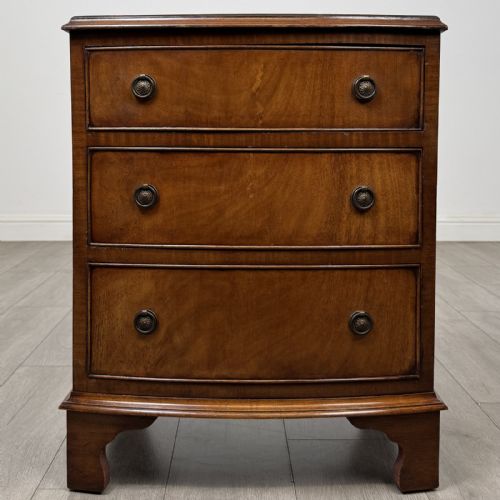
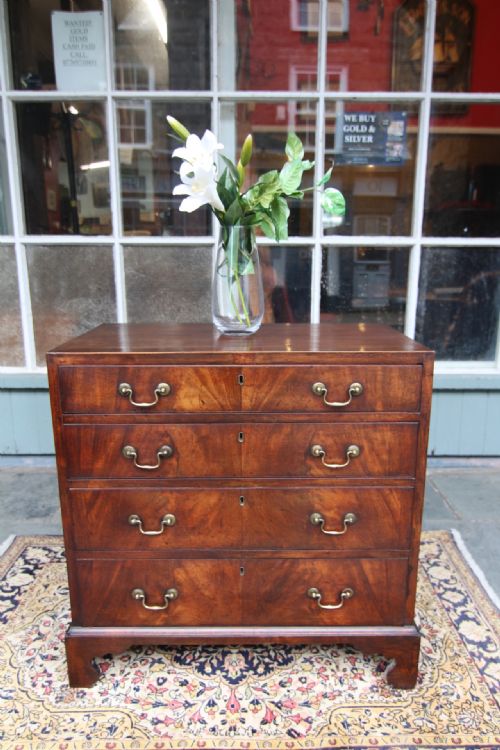
Antique Storage Commode
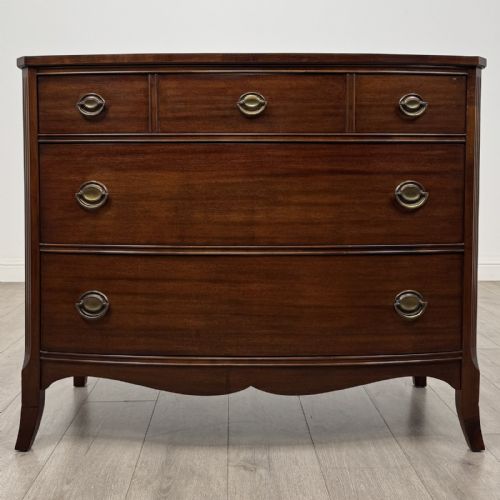
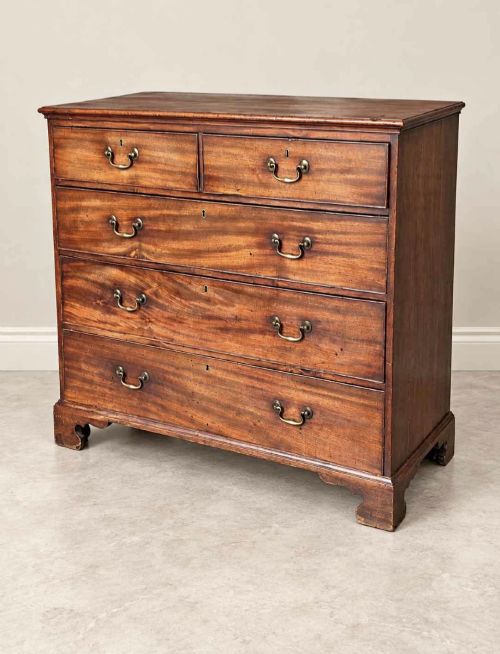
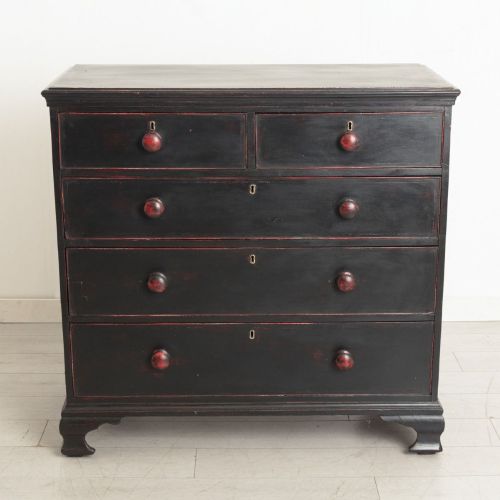
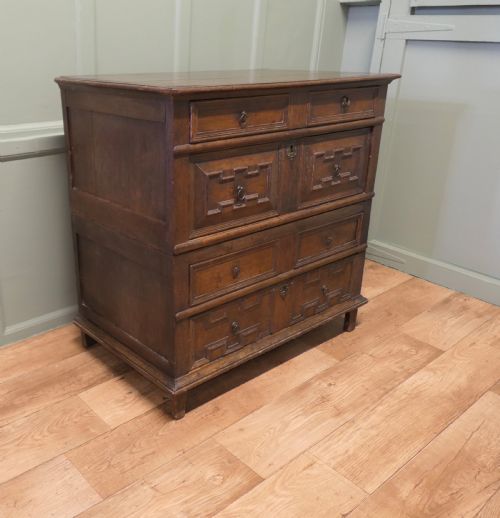
These antique storage commode pieces offer generous proportions and timber character, representing practical furniture forms used for generations.
Antique Storage Commode
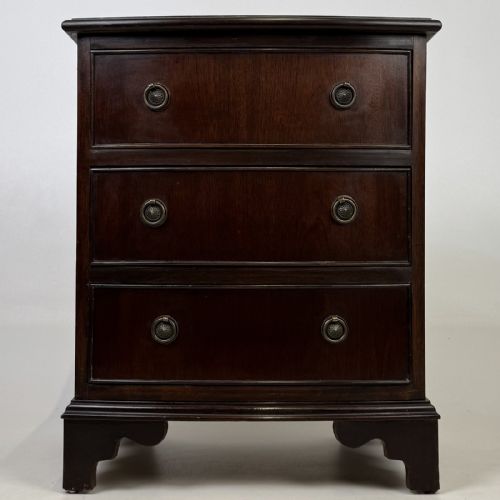
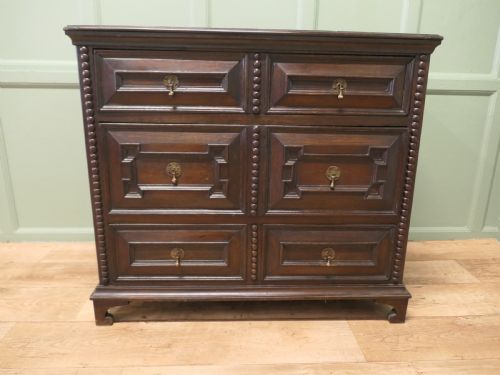
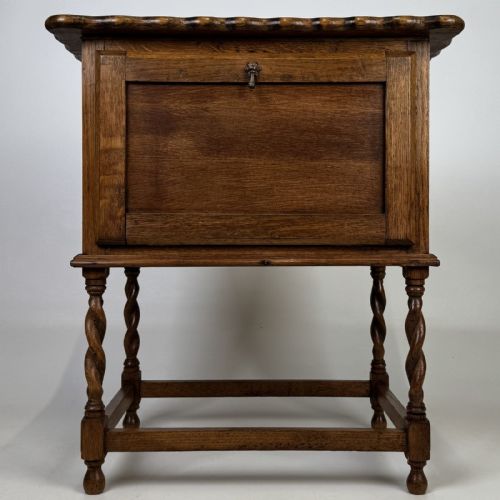
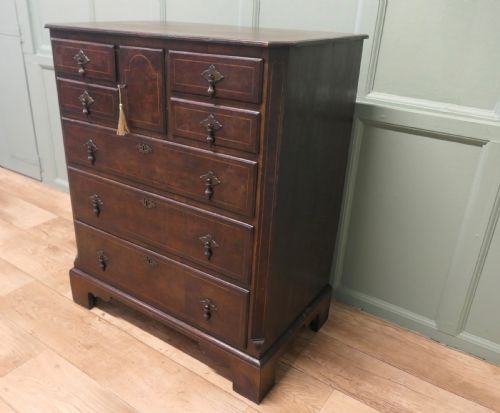
An antique storage commode typically appears as a chest of drawers, cabinet, or cupboard across this selection. Pieces span the 18th century, Georgian, Regency, Victorian, Edwardian, and 1920 periods.
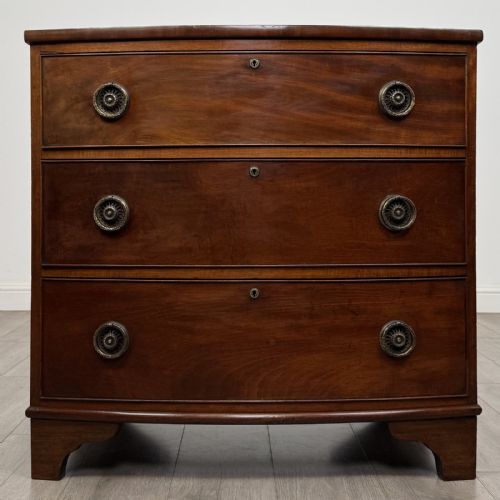
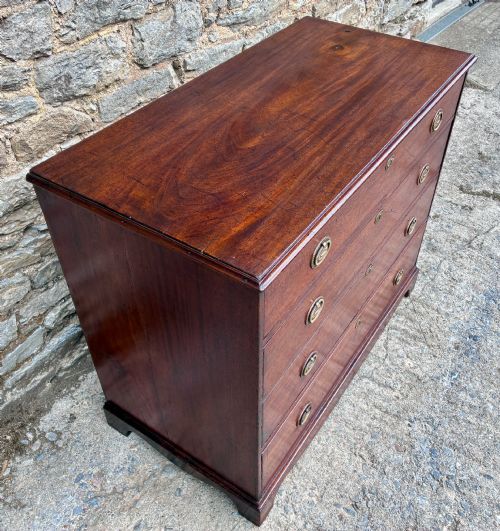
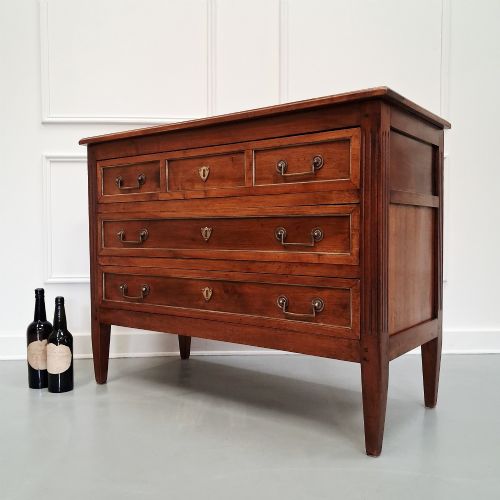
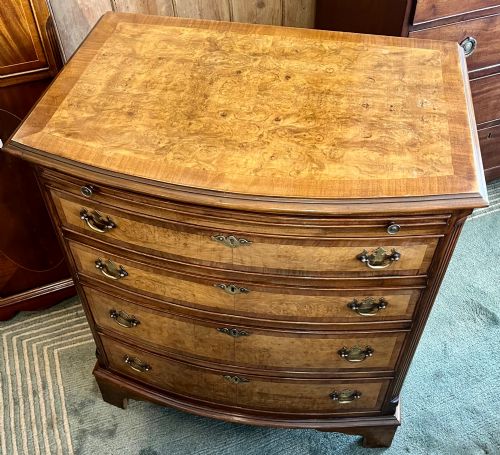
The most frequent examples on this page are mahogany and oak chests of drawers, often constructed with bow front or serpentine profiles. Walnut, burr walnut, and pine versions also recur frequently.
Origin points encompass English cabinetmakers alongside French and Dutch workshops, offering variety in regional timber choice and decorative handles.
Materials and construction methods
Cabinetmakers utilised solid timbers such as mahogany, oak, and walnut, frequently applying flame mahogany veneer or burr walnut to drawer fronts for visual depth.
Advanced joinery techniques include hand-cut dovetails on drawer construction and crossbanding borders inlaid with satinwood.
The listings on this page span the 18th century, Regency, Victorian, and Edwardian periods, constructed in mahogany, oak, walnut, and pine.
Distinctions in craftsmanship and materials
The selection of timber grain defines the visual tier of an antique storage commode, with highly figured walnut and flame mahogany marking superior examples.
Sophisticated shaping such as serpentine fronts and complex bowed profiles demand advanced carpentry skill, separating standard box forms from elaborate cabinetwork.
The integration of secondary details like brushing slides, original brasses, and meticulous crossbanding indicates workshop execution of a higher order.
Whytock And Reid
The Antique Storage Commode Glossary
- Serpentine front
- A furniture front curving outward in the centre and inward at the sides in an 'S' shape. This profile requires precise woodworking.
- Crossbanding
- A strip of veneer applied across the grain of the primary surface to form a contrasting border. It frames drawer faces.
- Bow front
- A convex, outwardly curved furniture front popular in Regency and Georgian designs. It softens the room presence of large chests.
- Brushing slide
- A pull-out shelf positioned above the top drawer used for folding linen or writing notes. It slides flush into the cabinet frame.
- Escutcheon
- A protective plate surrounding a keyhole, often fashioned from brass. It prevents the timber around the lock from wearing down.
Antique Storage Commode: Frequently Asked Questions
What is an antique storage commode?
An antique storage commode is a freestanding case piece designed primarily for domestic storage, spanning forms like chests of drawers, cupboards, and cabinets.
These pieces provide deep drawer capacity or shelved compartments behind doors, utilising traditional hardwood construction.
How do I identify a Georgian commode?
Georgian commodes typically exhibit proportions based on classical design rules, utilising dense mahogany, oak, or walnut timbers with restrained decorative carving.
Details often include bracket feet, cockbeaded drawer edges, and solid brass drop handles fixed to backplates.
Where were these pieces used?
They served principally in domestic bedrooms, dressing rooms, and formal parlours to store garments, linens, and personal valuables.
Their robust timber construction allowed them to remain functional day-to-day living items over successive centuries.
How should I care for timber surfaces?
Maintain antique timber by avoiding direct sunlight and maintaining stable room humidity to prevent veneer lifting or wood splitting.
Apply traditional beeswax periodically to nourish the grain without building up synthetic residues.