

Antique Storage Case
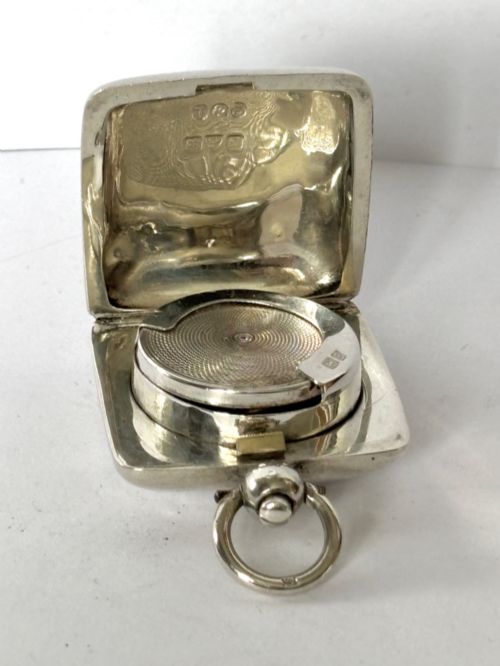
An antique storage case brings history into daily use, offering fitted compartments or deep timber volume to hold precious items.
Antique Storage Case
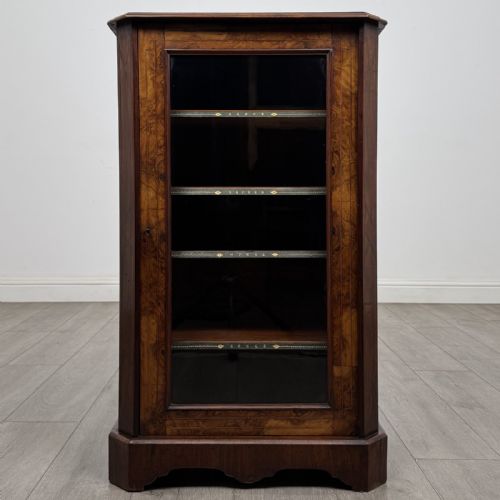
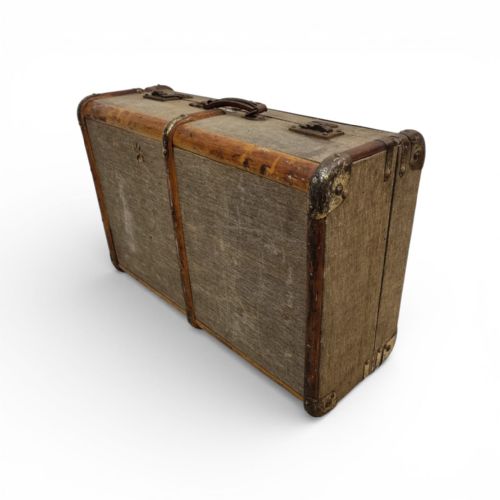
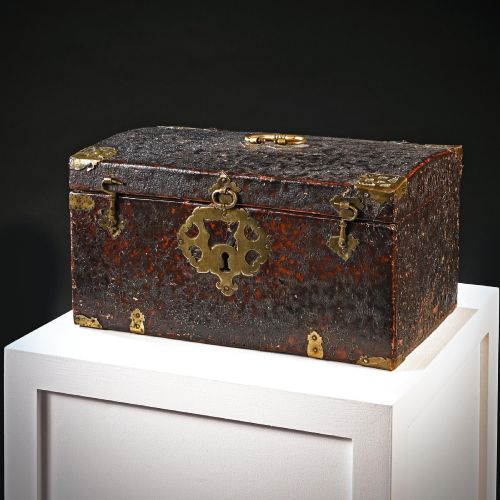
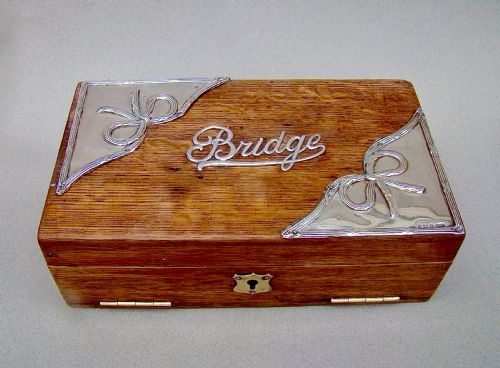
An antique storage case covers a diverse family of functional pieces designed to hold specific items, ranging from compact travel boxes to larger floor-standing cabinets.
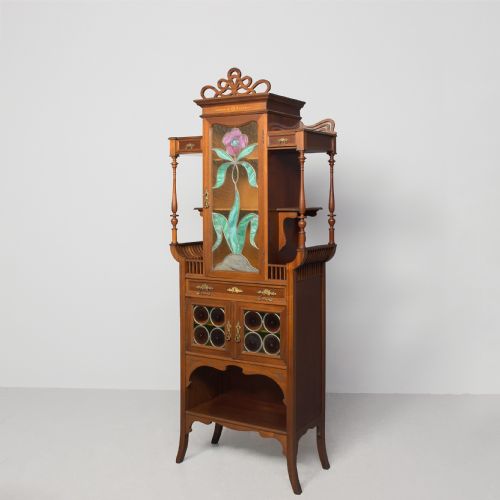
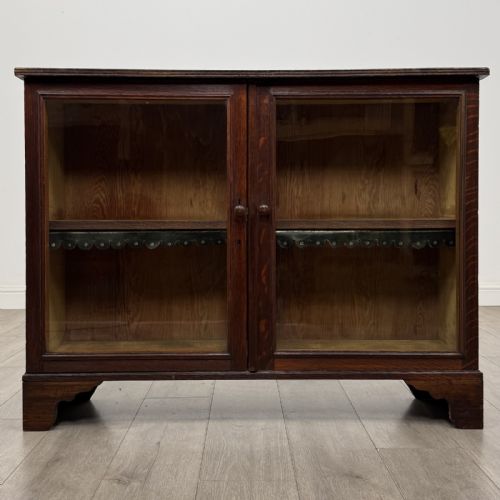
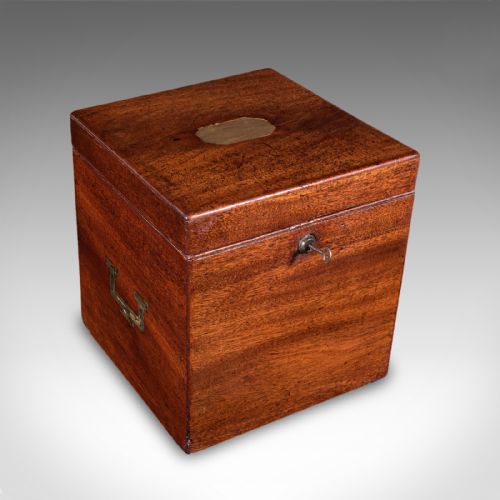
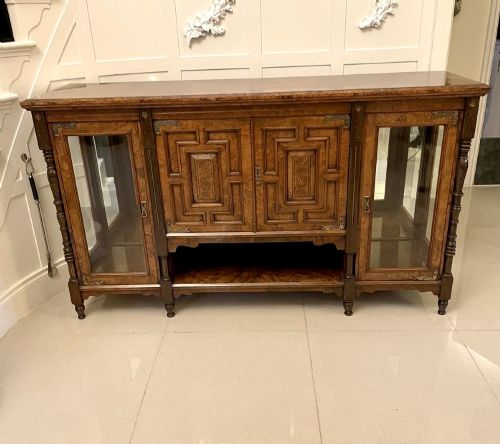
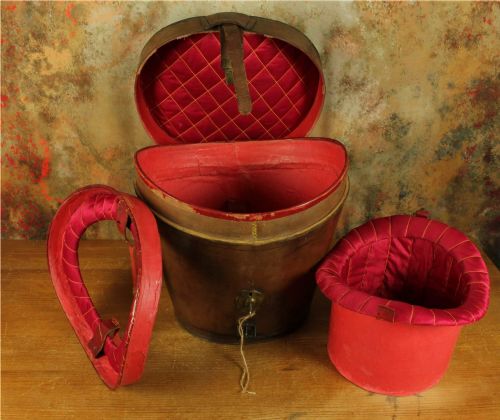
The selection on this page leans heavily toward domestic and travel utility, featuring items such as Georgian decanter boxes, Victorian leather hat cases, and Edwardian display cabinets.
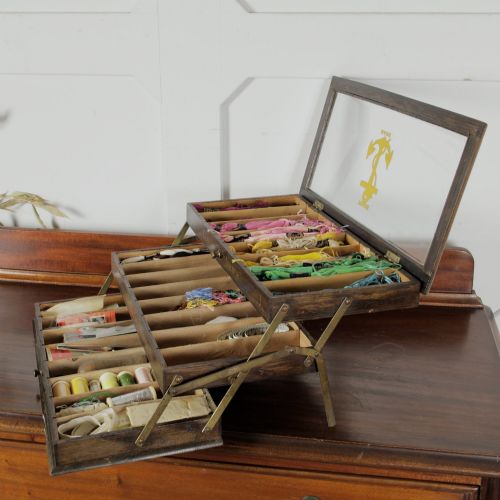
Makers adapted these forms for specific professions and pastimes, producing medical carrying chests, apothecary travelling cases, and specialised cutlery boxes.
How They Were Made
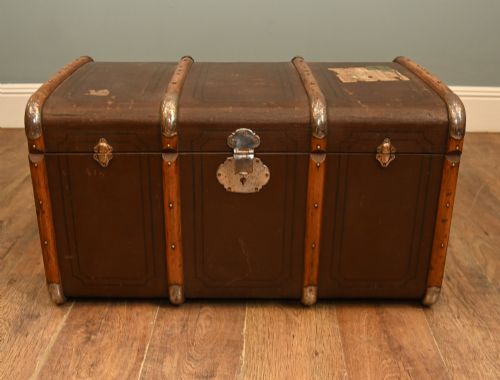
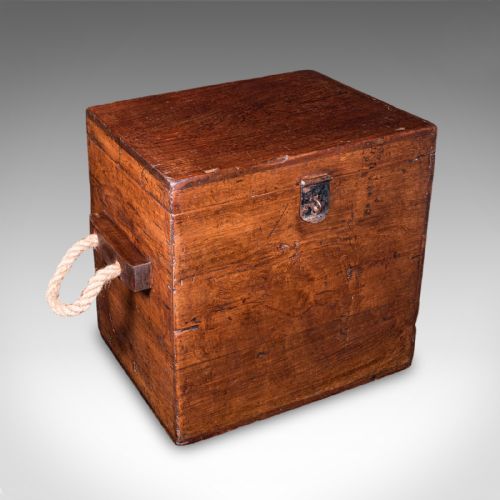
Craftsmen built these containers using robust timbers like mahogany, oak, walnut, and pine, often enhancing the exterior with durable leather, canvas, or iron mounts.
Interior fittings required precise joinery to secure glass bottles, playing cards, or multi-tiered trays, paired with functional hardware such as brass locks and hinges.
Antique Storage Case Retail Price Guide 2026
Typical asking prices for storage case among the pieces listed under this phrase on Sellingantiques today, from the lower quarter to the upper quarter. They describe what is for sale here now, not the wider market.
Materials span mahogany, oak, pine, walnut, leather, glass, brass, iron, and canvas across Victorian, Georgian, and Edwardian periods.
What Varies in Quality
Quality rests in the integrity of the original construction, the selection of figured timbers or choice leather hides, and the presence of specialised maker details like Bramah locks.
Piecemeal alterations or replaced hardware diminish the integrity of an antique storage case, whereas untouched original interiors and fitted compartments elevate the piece.
J C Vickery·Levi & Salaman·Lincoln Bennett·Holtzapffel and Co·Maple & Co
The Antique Storage Case Glossary
- Bramah lock
- A high-security lock patented by Joseph Bramah in the late eighteenth century, frequently found on quality Georgian and Victorian storage boxes.
- Campaign chest
- A modular piece of furniture made in sections with brass corners and recessed handles, designed for easy transport by military officers.
- Apothecary case
- A fitted travelling or desktop box containing glass bottles, scales, and drawers for medicines and remedies.
- Portmanteau
- A large leather travelling case or trunk that opens into two distinct compartments for clothing.
Antique Storage Case: Frequently Asked Questions
What fits inside an antique storage case?
These cases accommodated specific contemporary belongings, ranging from bottled spirits and medical supplies to hats, jewellery, and stationery. Interior compartments tailored each box to its intended contents.
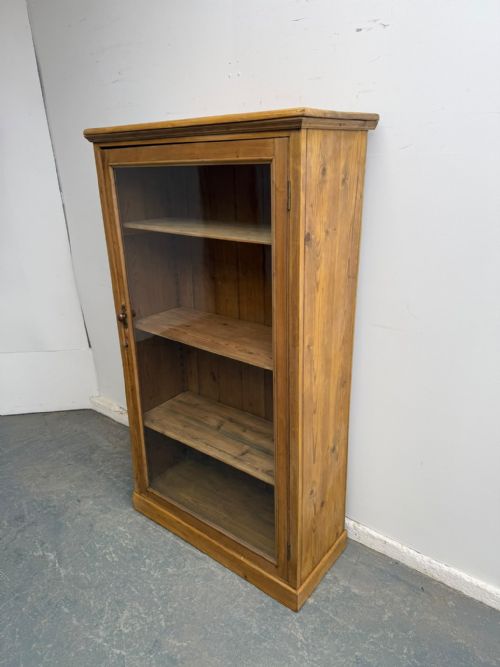
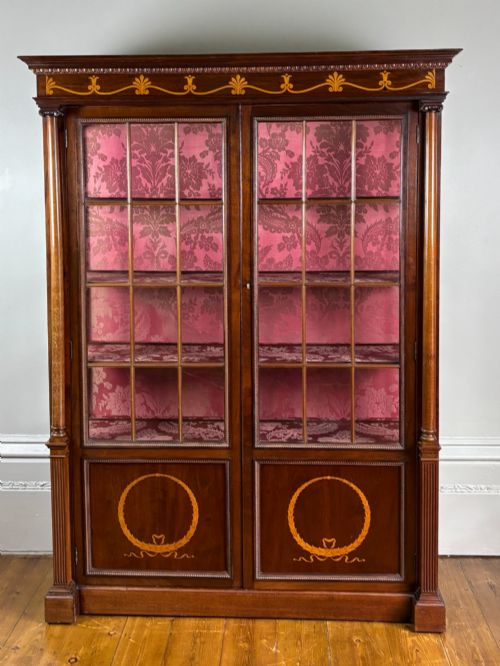
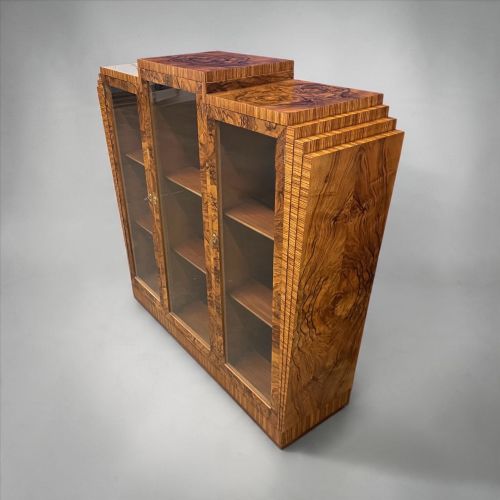
Larger variations, such as display cabinets and bookcases, served to organise and exhibit books, ceramics, and glassware within a domestic interior.
How do I identify the period of a case?
Dating relies on the prevailing timber choices, construction methods, and hardware styles of eras like the Georgian, Victorian, or Edwardian periods. Secondary clues include the character of any internal fabric lining or paper labels.
Makers' marks, engraved plaques, and patented lock types also provide reliable chronological markers for narrowing down the decade of manufacture.
Where should I place a storage case at home?
Smaller tabletop boxes and writing cases suit side tables, desks, or open shelving where their exterior leather and timber grain can be appreciated close up. Larger examples like floor-standing corner cabinets and bookcases integrate naturally into living rooms or studies.
Keeping wooden and leather pieces away from direct heat sources prevents timber shrinkage and protects fragile surface finishes over time.
Were travel trunks used for actual journeys?
Many heavy-duty leather, canvas, and wooden trunks saw active service during cross-continental travel by train, ship, or early motor car. Metal reinforcements and robust carrying handles were essential for surviving transit.
Overland travel wear and transit labels often remain visible on these pieces, recording the journeys they undertook before entering private collections.