

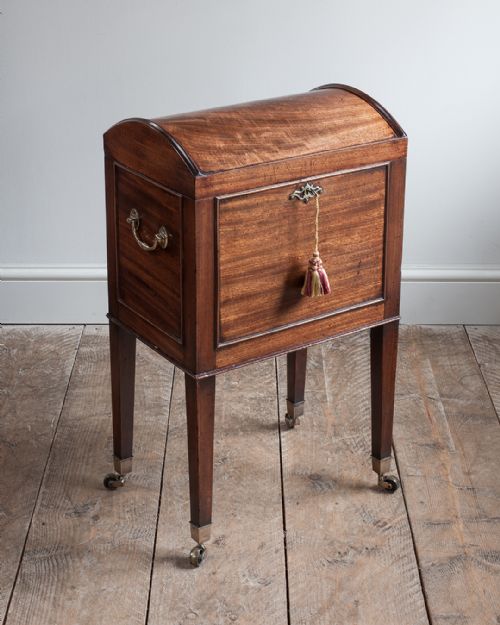


Antique Storage Box Stand
An antique storage box stand lifts heavy chests and small coffers off the floor, bringing precious compartments within comfortable reach.
Antique Storage Box Stand
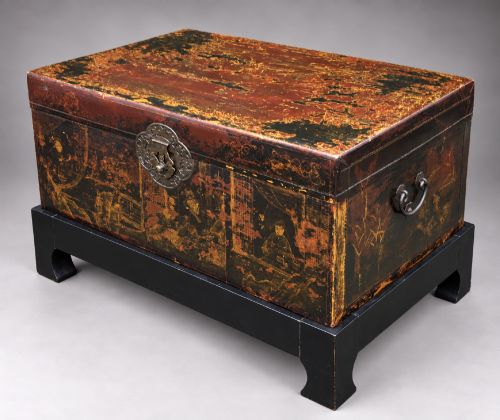
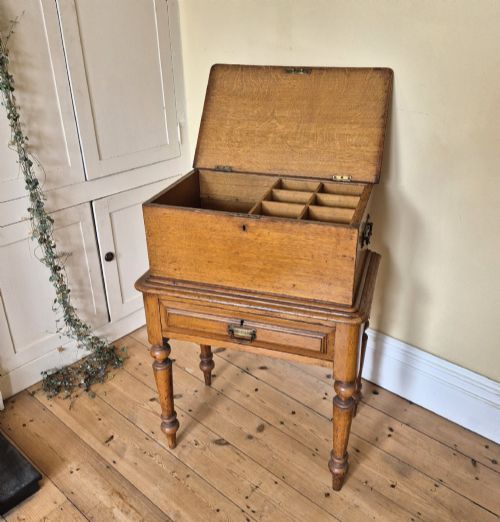
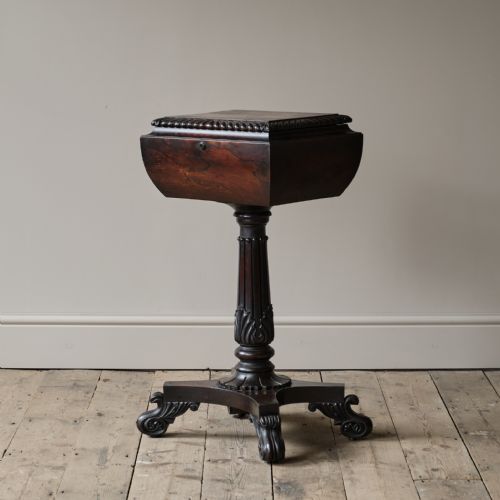
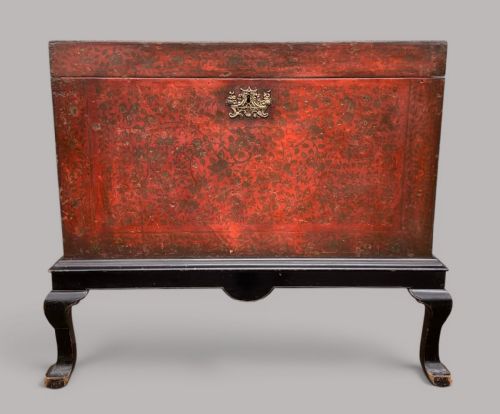
An antique storage box stand brings together elevated platforms and enclosed vessels, merging chests, coffers, and specialised boxes with dedicated frames.
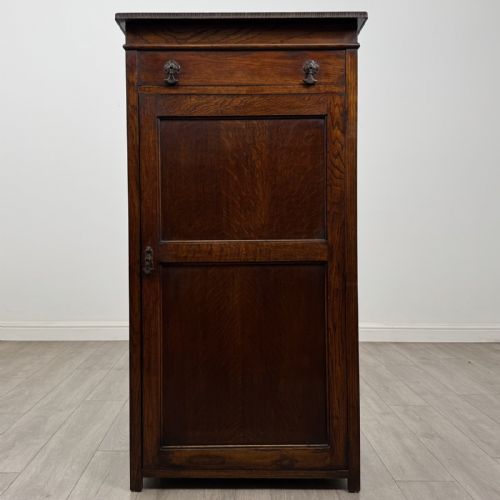
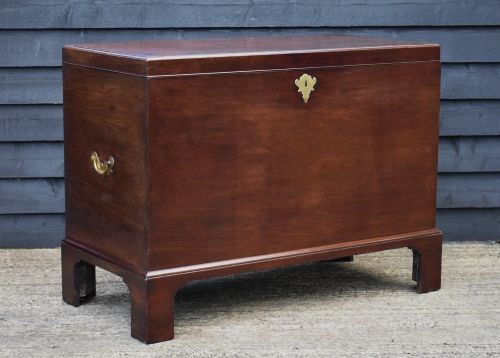
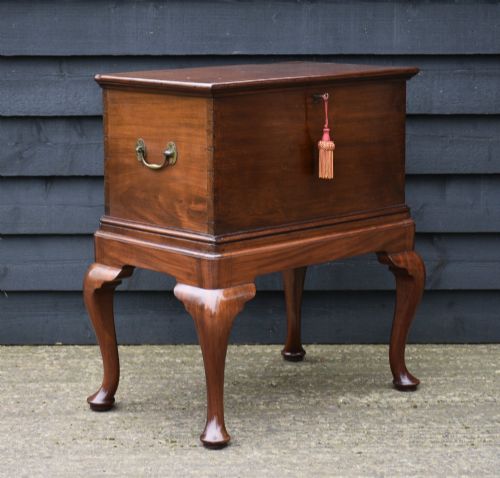
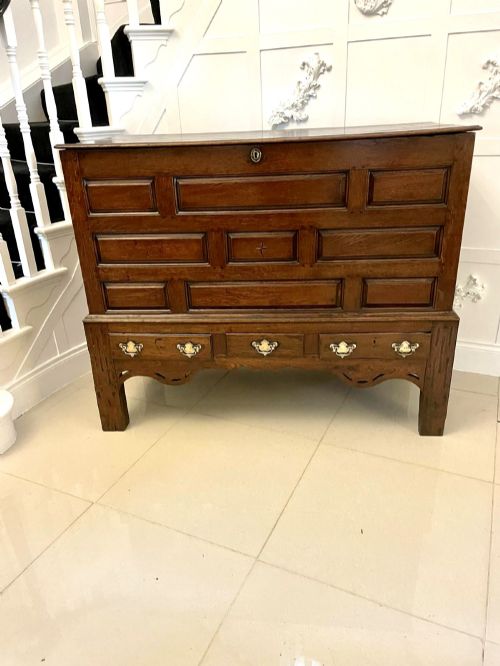
The pieces appearing under this search span diverse forms, from compact teapoys and cellarettes to large oak coffers raised upon robust stands.
Originating largely from Georgian, Victorian, and Edwardian workshops, these pieces reflect domestic storage needs across centuries of British and international craftsmanship.
Materials and Construction
Cabinet makers utilised dense hardwoods such as mahogany, oak, walnut, and rosewood, ensuring structural integrity for heavy lifting and repeated daily use.
Surface decoration frequently involved intricate lacquer work, brass mounts, and burr veneers, combining utility with refined ornamentation.
Joinery techniques relied upon traditional dovetailing and pegged framing to secure boxes firmly to their respective mounting stands.
Antique Storage Box Stand Retail Price Guide 2026
Typical asking prices for storage box stand among the pieces listed under this phrase on Sellingantiques today, from the lower quarter to the upper quarter. They describe what is for sale here now, not the wider market.
Styles represented range from George III and Regency to Chinoiserie, Anglo-Indian, and French Provincial designs.
Craftsmanship and Proportion
Superior examples display harmonious proportions between the upper storage box and the supporting stand, avoiding heavy or disjointed silhouettes.
The refinement of internal fittings, such as specialised tea canisters, division trays, and original brass hardware, elevates the standing of a piece.
Integrity of timber selection, particularly in matched veneers and sound structural joins, distinguishes workshop masterworks from simpler utility items.
The Antique Storage Box Stand Glossary
- Teapoy
- A small box or chest designed specifically for storing loose tea leaves, often fitted with interior canisters and raised on a pillar or stand.
- Cellarette
- A lockable container used for storing wine bottles near the dining table, frequently lined and mounted on sturdy legs.
- Cofer
- A large chest with a lid, traditionally used for holding valuables or garments, which sits directly on the floor or upon a raised stand.
- Campaign chest
- A modular chest made in sections with recessed brass handles, built for easy transport by military officers on active service.
- Dovetail
- A traditional joint formed by interlocking wedge-shaped fingers, prized for its exceptional tensile strength in drawer and box construction.
Antique Storage Box Stand: Frequently Asked Questions
What is an antique storage box stand?
An antique storage box stand combines a lidded chest, box, or cabinet with a fitted support base or frame. This elevated design kept contents away from damp floors and made accessing stored items easier.
These pieces range from small table-top boxes on independent frames to large coffers and trunks engineered as single cohesive units.
How were these stands used historically?
Historically, these stands served specialised domestic functions in dining rooms, parlours, and bedchambers. Cellarettes held wine bottles, teapoys stored costly tea leaves, and larger coffers secured household linens.
By lifting the box off the ground, servants and family members could access contents without bending down to floor level.
How do I care for wooden boxes on stands?
Protect these pieces by placing them away from direct sunlight and heat sources, which cause timber to dry out and split. Maintain stable indoor humidity to preserve vulnerable veneers and lacquer finishes.
Clean surfaces gently with a soft, dry cloth and apply a natural wax sparingly when the wood appears dull.
How can I tell the period of a stand?
Dating relies on observing construction methods, timber choices, and stylistic ornamentation specific to eras like the Georgian or Victorian periods. Hand-cut dovetails, secondary wood usage, and original hardware provide clear chronological clues.
Comparing the turned legs, brackets, and proportions against documented furniture styles confirms the likely decade of manufacture.