

Antique Storage Bin
An antique storage bin brings honest utility and warmth to a room, turning everyday hearthside items or provisions into purposeful focal points.
Antique Storage Bin
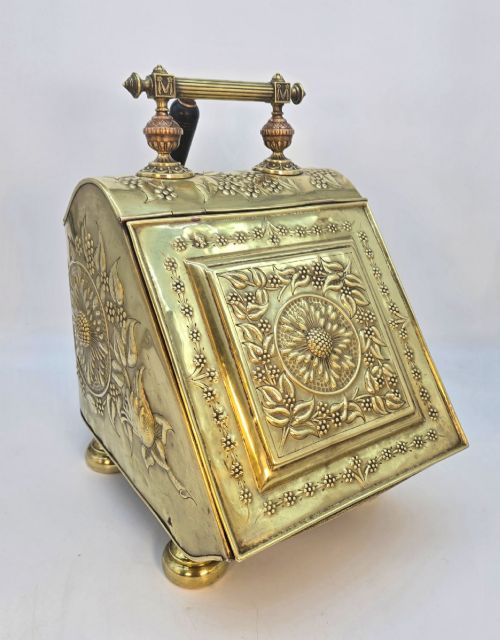
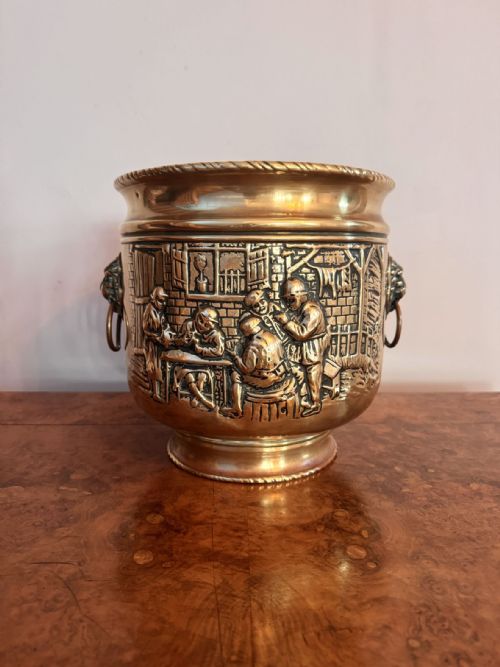
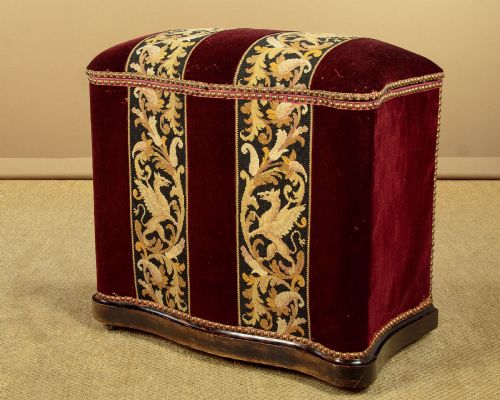
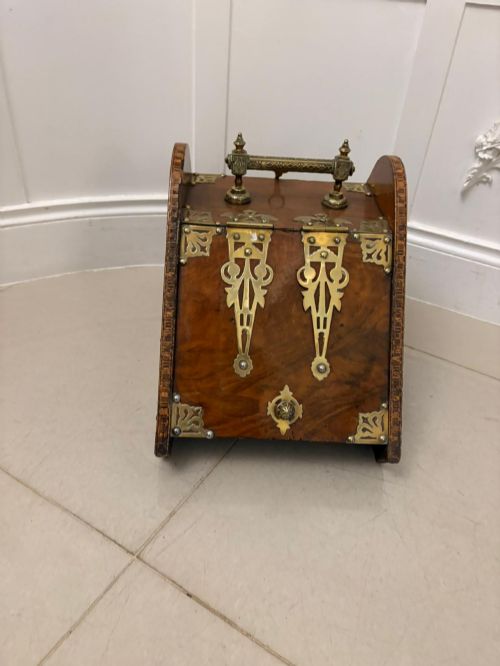
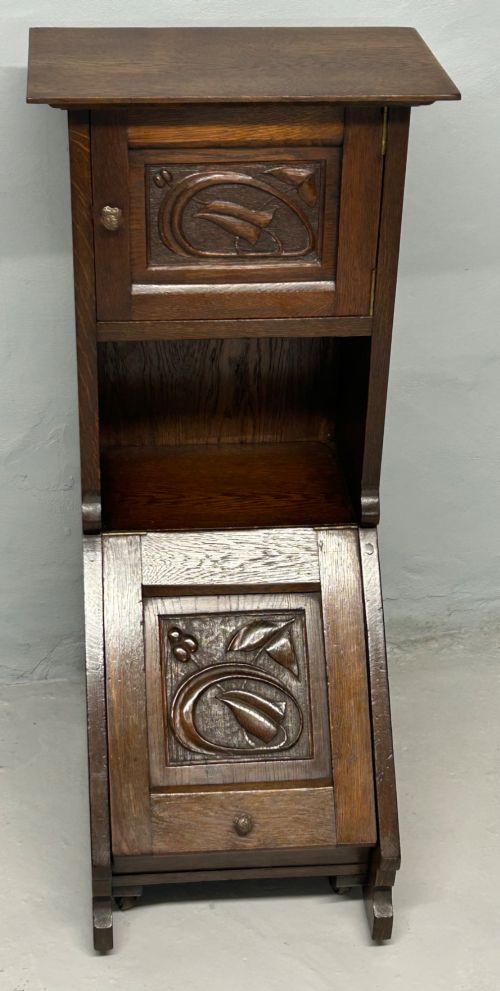
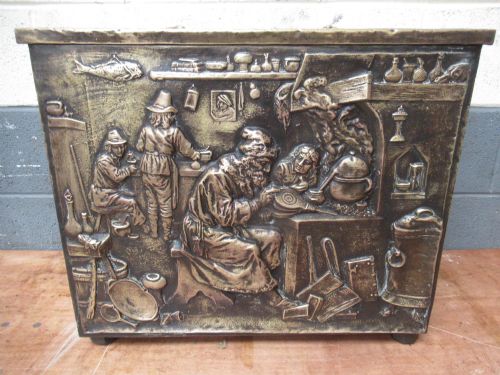
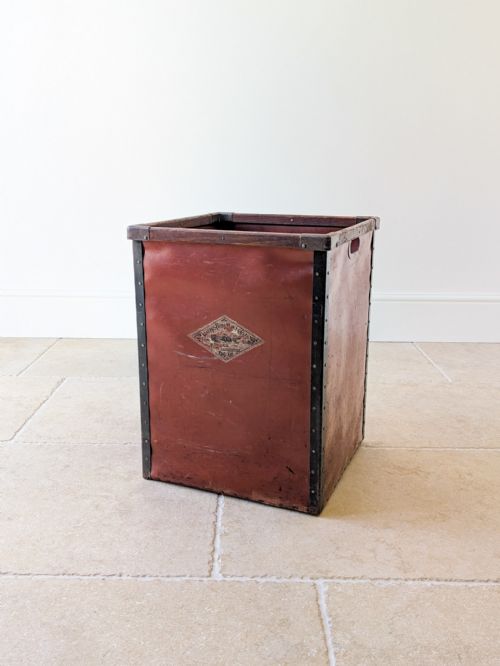
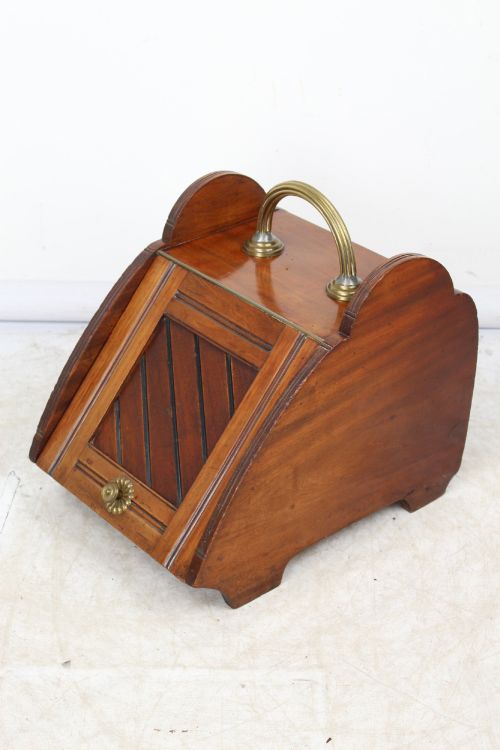
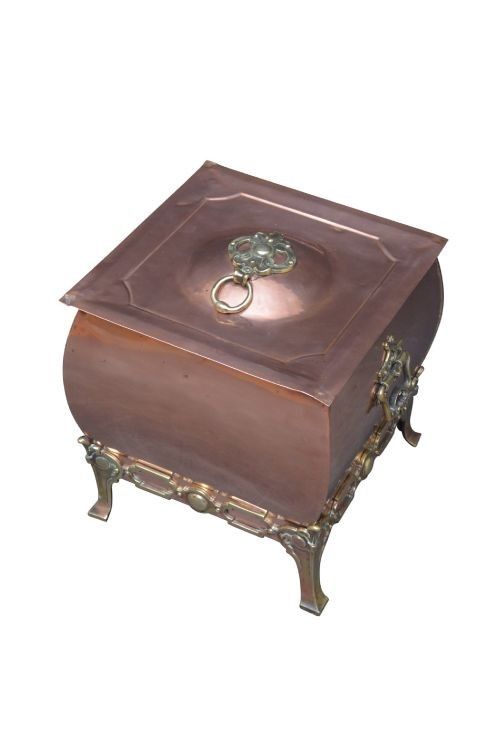
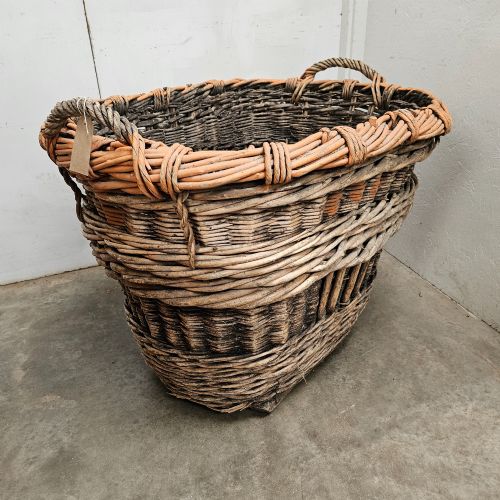
The versions you are most likely to meet on this page are Victorian and Edwardian coal scuttles, log bins and purdoniums made from oak, mahogany, copper and brass. Alongside these hearthside vessels, country pine dough bins, rustic oak log boxes and industrial iron-framed bins appear frequently, reflecting the wide range of heavy-duty storage solutions used in past centuries.
How they were made
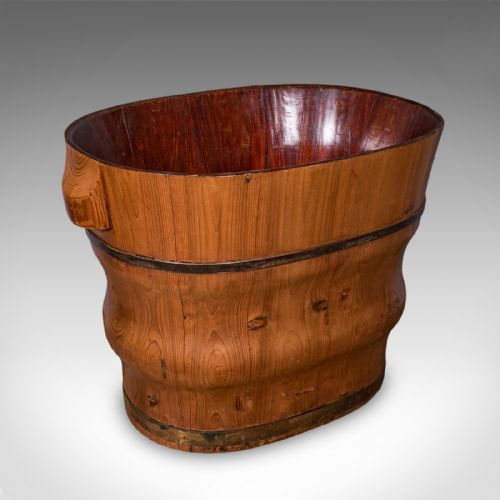
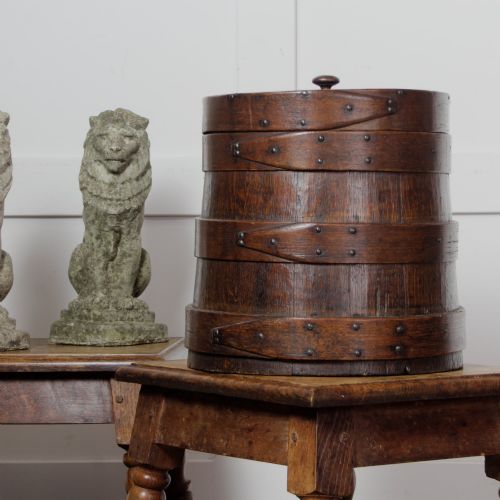
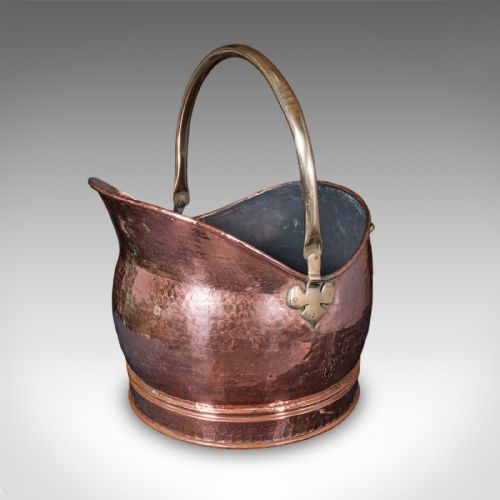
Cabinetmakers and country artisans constructed these pieces predominantly from solid hardwoods such as oak and mahogany, often employing traditional coopered stave techniques for barrel-form log buckets and peat bins. Metalworkers utilised sheet copper, brass, iron and toleware to form durable scuttles and liners, frequently embellishing the surfaces with hand-beaten hammering, embossed detailing or mounted brass handles.
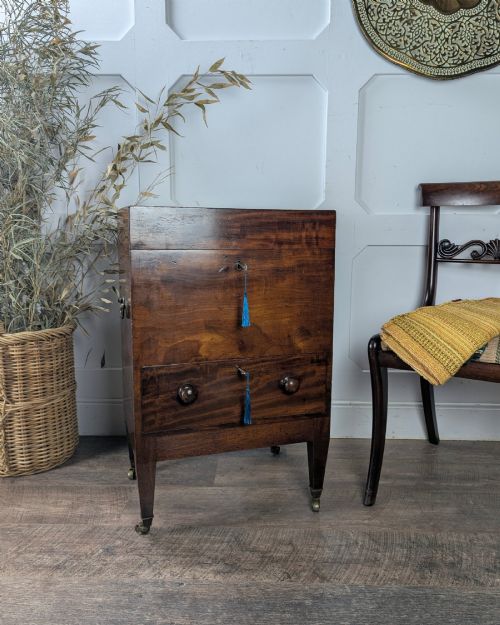
Joinery methods varied according to the intended use, ranging from precise dovetail joints on fine mahogany wine coolers and apothecary boxes to robust pegged framing on early pine dough bins and grain arks. Many vessels integrated fitted metal liners, original iron wheels or shovel attachments designed to withstand the daily wear of holding coal, flour, wine or grain.
Antique Storage Bin Retail Price Guide 2026
Typical asking prices for storage bin among the pieces listed under this phrase on Sellingantiques today, from the lower quarter to the upper quarter. They describe what is for sale here now, not the wider market.
Listings feature vessels spanning from the 17th-century oak grain arks of Snowdonia to 1930s industrial fire bins on wheels.
What varies in quality
The distinction between a standard utility vessel and a finer example often lies in the selection of materials and the integrity of the original construction, such as the weight of the copper, the gauge of the brass mounts and the choice of figured oak or mahogany. Pieces retaining their original interior liners, matching shovels, period iron frames or authentic painted toleware decoration command greater interest among collectors.
Subtle details in hand-finishing, such as crisp embossing on brass coal boxes, cleanly executed dovetailing and well-preserved coopered stave work, elevate the standing of a piece. The presence of makers' marks or historical association to specific mills and country houses further differentiates standard domestic containers from exceptional survivors.
The Antique Storage Bin Glossary
- Purdonium
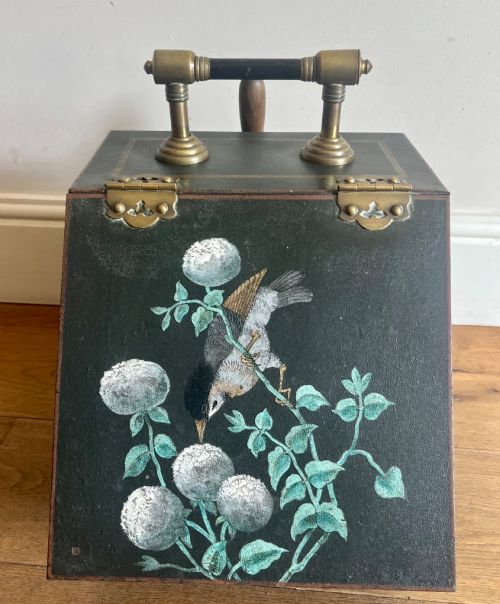
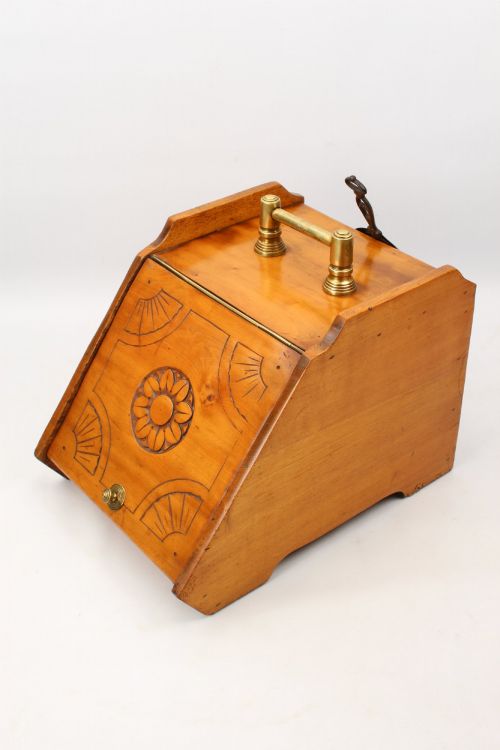
- A specialised coal box, typically EDWARDiAN or Victorian, featuring a sloping drop-front door designed to hold a coal shovel inside. These boxes often incorporate brass handles and a removable metal interior liner.
- Toleware
- Japanned or painted sheet metal items produced from the 18th century onwards. These decorated tin and iron containers served various household functions from flour bins to kitchen buckets.
- Cellarette
- A lockable cabinet or cooler designed to hold bottles of wine, frequently found in Georgian dining rooms. These mahogany vessels were often lead-lined to accommodate ice.
- Coopered
- Made by a cooper using curved wooden staves bound together with metal or wooden hoops. This technique created watertight barrels, log baskets, peat buckets and stick stands.
- Dough bin
- A domestic wooden trough with a lid used for proving bread dough in country houses and farmhouses. These pine or oak pieces usually stand on raised legs.
Antique Storage Bin: Frequently Asked Questions
What is a purdonium?
A purdonium is a dedicated Victorian or Edwardian coal box designed with a hinged, sloping front door that opens to reveal a metal-lined interior. They usually include a matching coal shovel stored within the compartment.
These pieces allowed homeowners to store and transport coal neatly by the fireplace without spilling dust onto the carpet.
How were copper coal bins used?
Copper coal bins and scuttles sat beside the hearth to hold the daily supply of coal or logs for the fire. The metal construction withstood the heavy weight and abrasive nature of solid fuel.
Many featured removable inner buckets so the servant could carry only the liner down to the cellar for refilling.
What is toleware?
Toleware refers to lacquered or painted sheet metal objects produced for domestic use during the 18th and 19th centuries. These containers were finished with durable japanning or decorative painted scenes.
In a historic household, painted toleware buckets and bins served practical storage roles in kitchens and pantries.
How do I date a wooden log bin?
Dating a wooden log bin involves examining the timber species, joinery methods, and hardware. Georgian and early Victorian pieces often display hand-cut dovetails, heavy oak framing, and turned brass feet.
Later Victorian and Edwardian examples frequently utilise machine-sawn elements, stamped brass mounts, and commercially produced iron liners.