




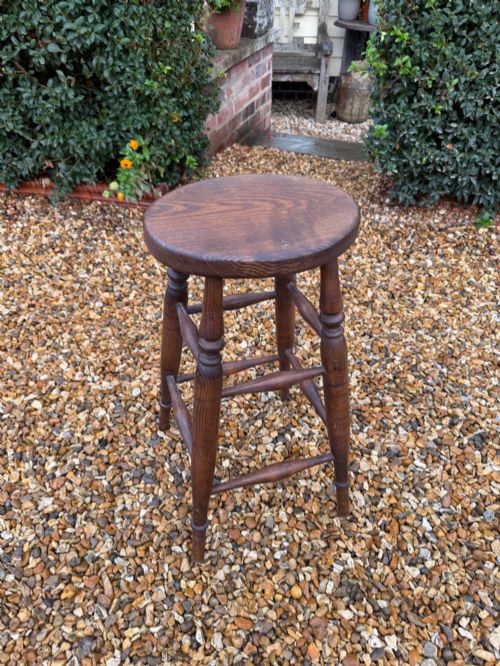
Antique Stool Seating
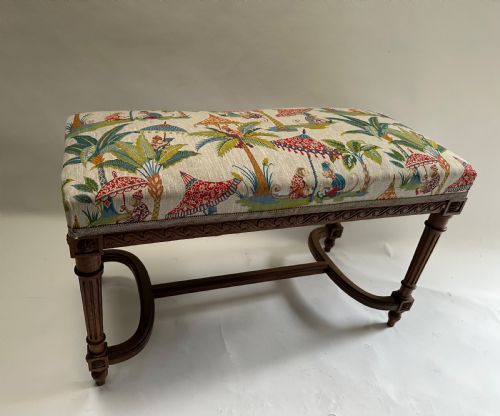
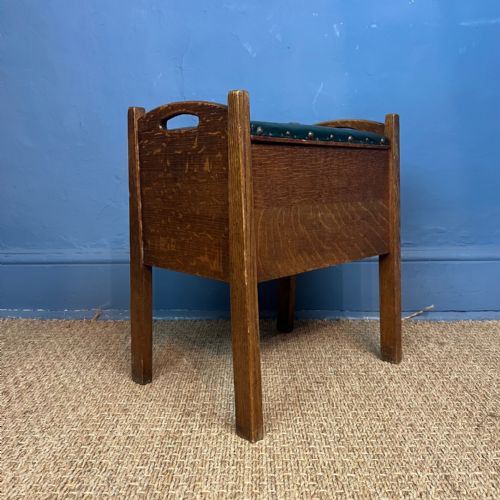
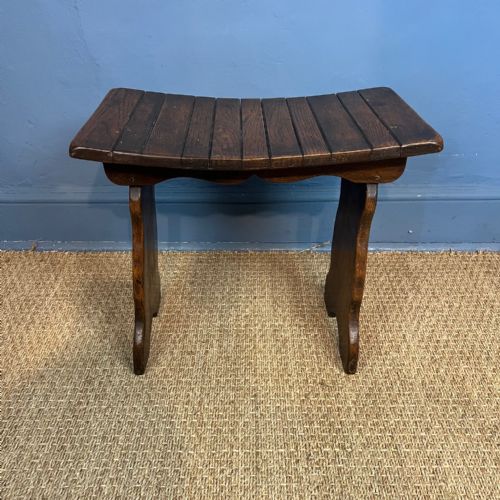
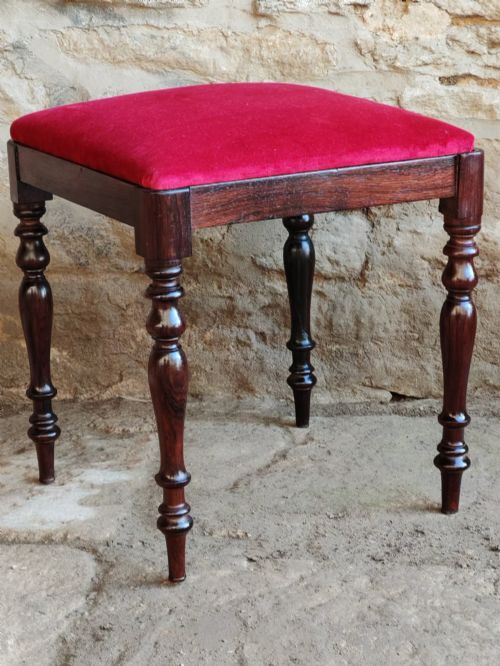
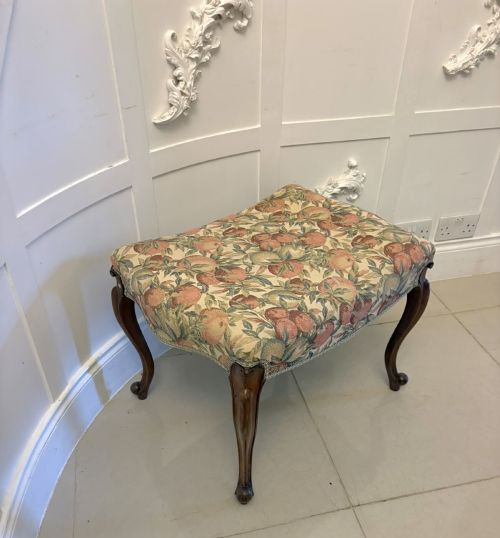
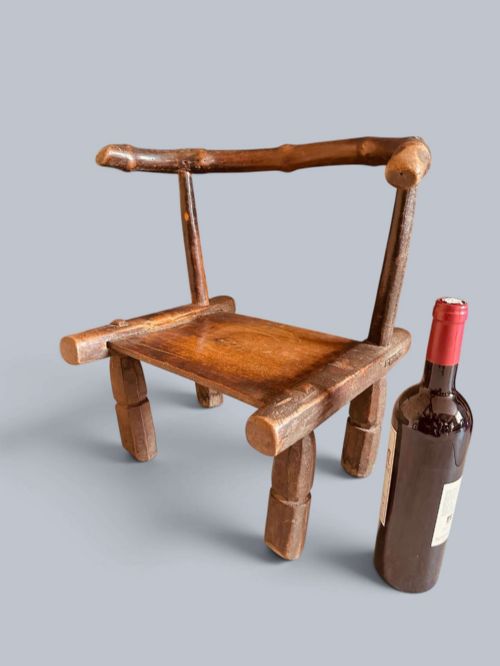
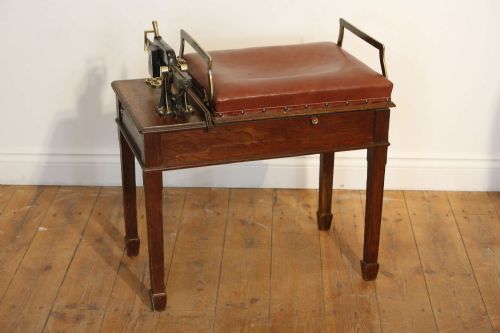
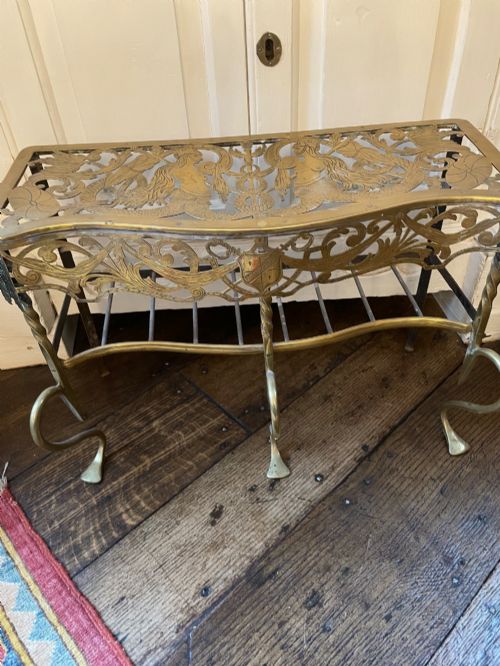
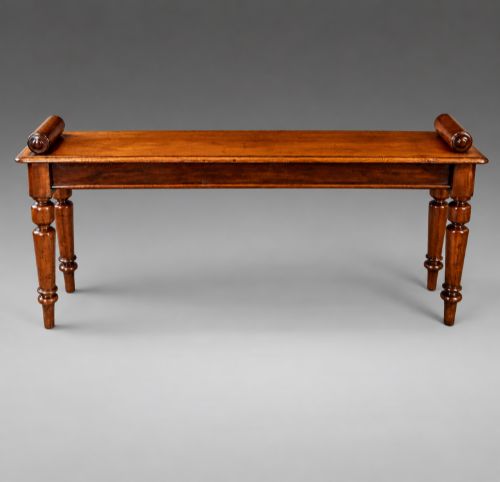
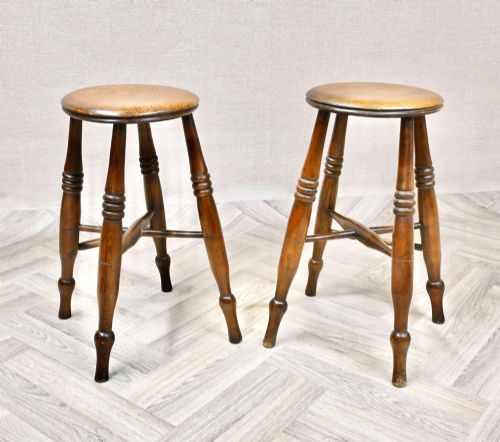
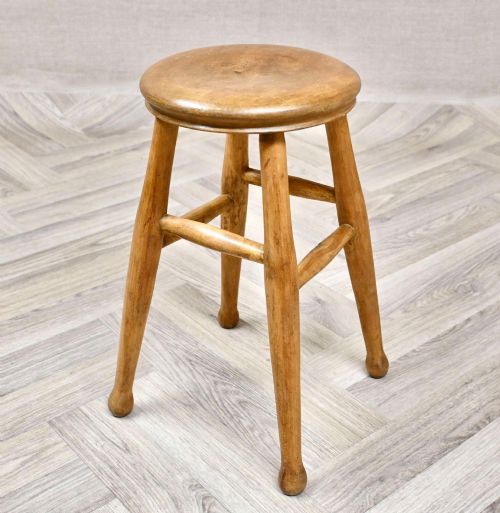
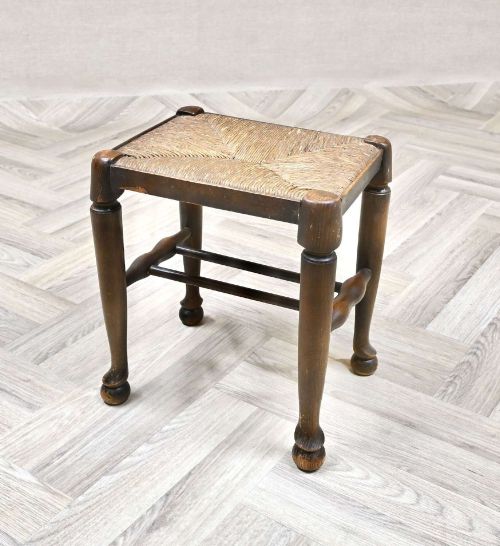
These antique stool seating pieces range from sturdy oak joint stools to upholstered piano benches, offering practical daily use alongside period character.
Antique Stool Seating
Antique stool seating encompasses various domestic, commercial and musical forms shaped by utility and prevailing design trends across multiple centuries. Buyers searching this phrase encounter low footstools, long benches, piano stools, and industrial work seats.
The domestic selection includes heavy oak joint stools from the seventeenth century alongside mahogany dressing stools and elm country pieces. Public houses and workshops contributed simpler tavern, clerk and machinist stools built for sustained daily service.
Musical seats form a distinct subcategory, spanning duet piano stools, revolving harpist chairs, and musical carved bear seats. Regional variations extend from English country elm and beech to Swedish satin birch and French giltwood.
Materials and Construction
Makers utilised solid native timbers such as oak, elm, mahogany, walnut, and rosewood, often pairing structural frames with brass studs, leather, velvet, or Kilim fabric. Joinery methods range from traditional pegged mortise and tenon joints on early oak forms to turned legs and cast-iron industrial bases.
Upholstered variants rely on webbing, horsehair stuffing, and heavy textile covers, while specialist pieces incorporate carved wooden details, papier-mâché, or cast-iron gear cogs. Surface treatments vary from polished wood finishes and white paint to gilded accents.
Antique Stool Seating Retail Price Guide 2026
Typical asking prices for stool seating among the pieces listed under this phrase on Sellingantiques today, from the lower quarter to the upper quarter. They describe what is for sale here now, not the wider market.
Musical seating includes a nineteenth-century Black Forest bear holding a seat, ready to serenade the weary pianist.
Markers of Quality
Construction integrity distinguishes standard utilitarian pieces from workshop masterworks, evident in the tightness of frame joinery and the selection of timber figure, such as burr maple or figured mahogany. Maker signatures, stamps, and documented factory attributions elevate historical interest.
The refinement of carved ornament, the retention of original upholstery materials, and the survival of mechanical height-adjustment mechanisms separate everyday examples from pieces intended for formal reception rooms.
Loidrault Freres Paris·James Shoolbred·Blackstone and Co·Jennens and Bettridge
The Antique Stool Seating Glossary
- Joint stool
- A traditional wooden stool constructed with mortise and tenon joints, common in domestic settings before the widespread use of chairs. These pieces typically feature four turned or straight legs connected by stretchers.
- Duet stool
- An elongated piano seat designed to accommodate two players side by side, often incorporating a hinged seat lid that opens to reveal sheet music storage.
- Majolica
- A type of earthenware coated with an opaque tin glaze and painted with bright colours, utilised by factories like Minton for decorative garden seats.
- Giltwood
- Timber treated with a thin layer of gold leaf or powder over a prepared gesso surface, frequently seen on formal nineteenth-century French seating.
- Biedermeier
- A Central European style spanning the early to mid-nineteenth century that prioritised clean lines and domestic comfort over excessive ornamentation, often rendered in birch.
Antique Stool Seating: Frequently Asked Questions
What distinguishes a joint stool from later designs?
Early joint stools rely on pegged frame construction rather than glued joints, reflecting seventeenth-century carpentry methods.
These pieces served multipurpose roles in early households, functioning as seats, small tables, or steps before specialised furniture became common.
How were piano stools designed for musicians?
Duet piano stools provide extended seating lengths for multiple players and frequently include internal compartments for storing sheet music beneath the upholstered lid.
Revolving music chairs incorporate mechanical screw mechanisms to allow height adjustment during practice or performance.
Where were industrial and tavern stools used?
Clerk, tavern, and machinist stools were built for commercial environments including public houses, silversmith workshops, and early factories.
Constructed from sturdy timbers like sycamore and elm or fitted with cast-iron bases, they prioritized ergonomic durability over decorative refinement.
How do regional styles influence these seats?
Regional characteristics appear in both timber selection and decorative motifs, distinguishing English country elm from Swedish birch or French giltwood.
Continental pieces often reflect neoclassical or Biedermeier design principles, whereas vernacular British pieces emphasise regional turning traditions.