


Antique Stoneware Relief
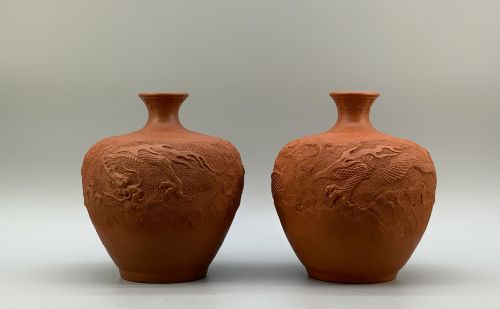
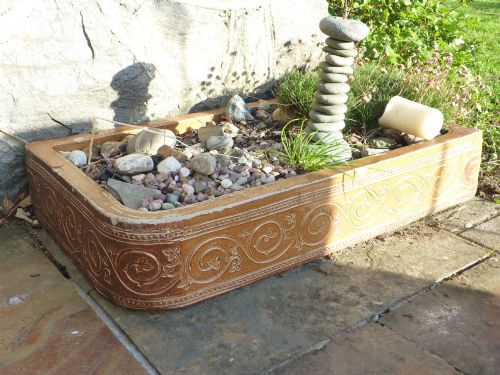
When you search for antique stoneware relief, you encounter vessels shaped from dense ceramic bodies and decorated with raised figurative or ornamental mouldings.
Antique Stoneware Relief
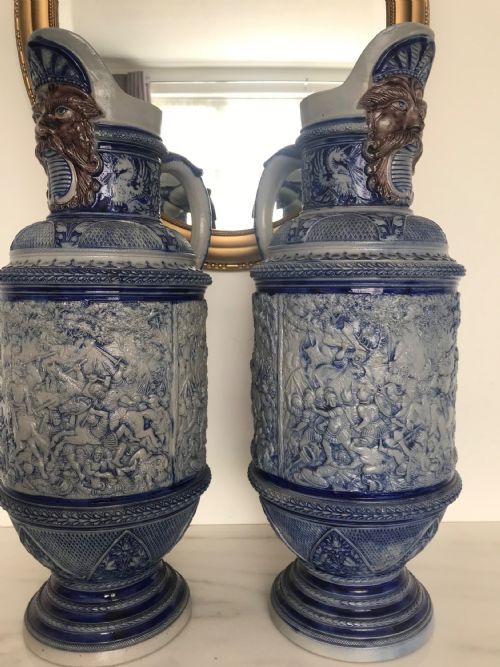
Buyers looking for antique stoneware relief will find a diverse selection of jugs, pitchers, vases, and decorative vessels spanning the nineteenth and early twentieth centuries. These pieces originate from English potteries, German salt-glaze kilns, and Japanese workshops, demonstrating how different cultures applied raised decoration to dense ceramic bodies.
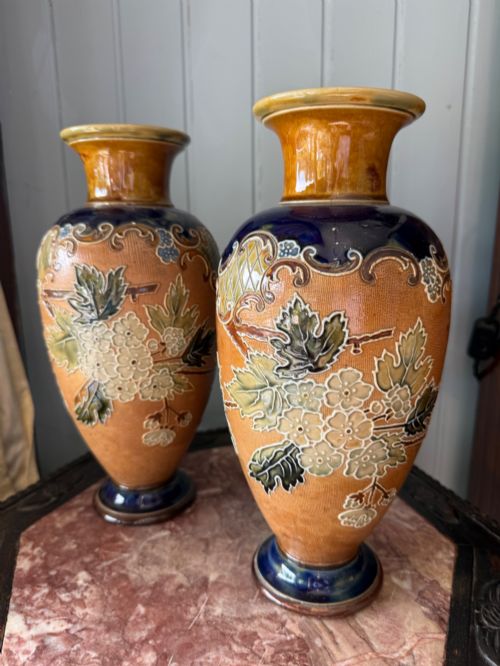
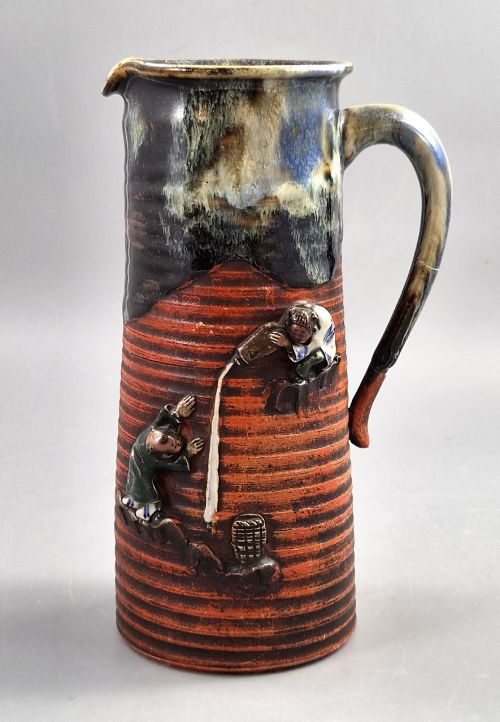
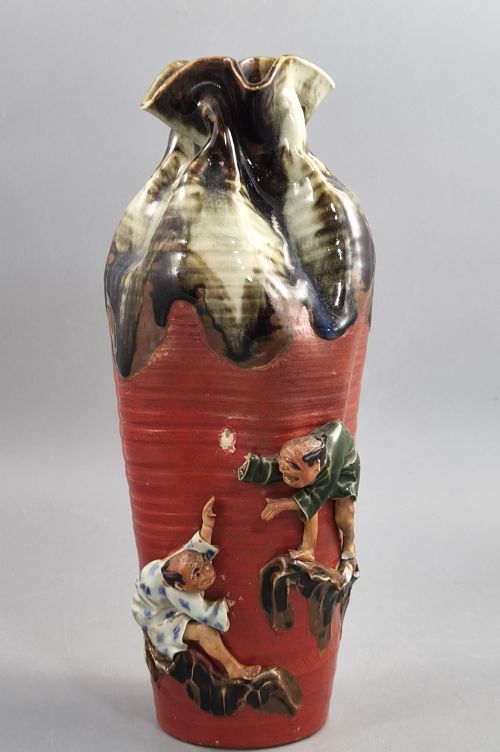
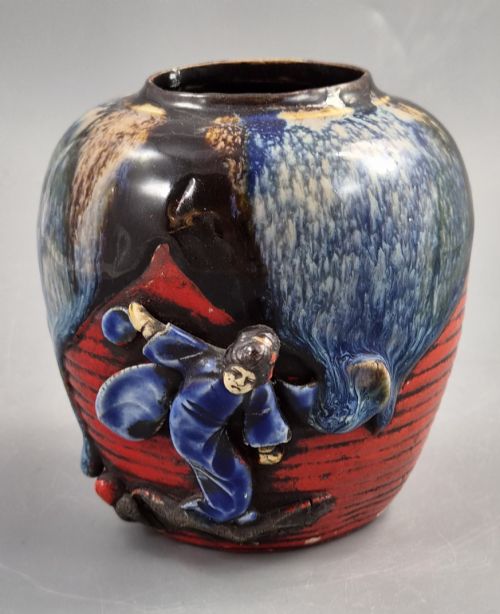
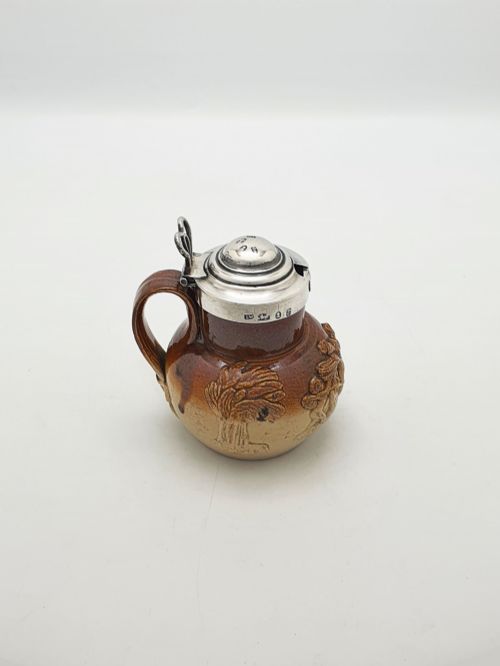
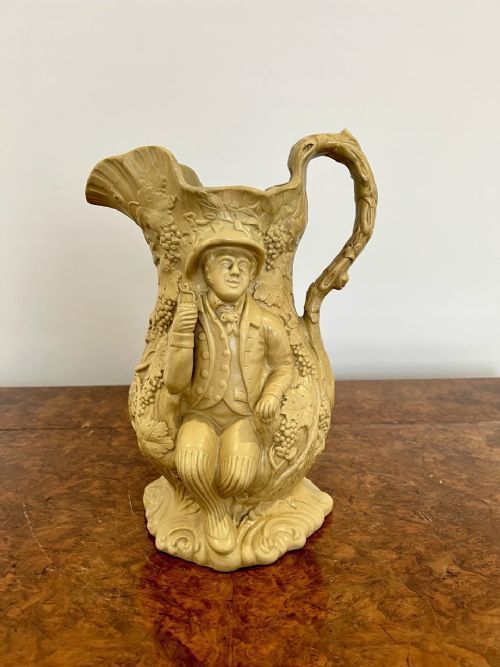
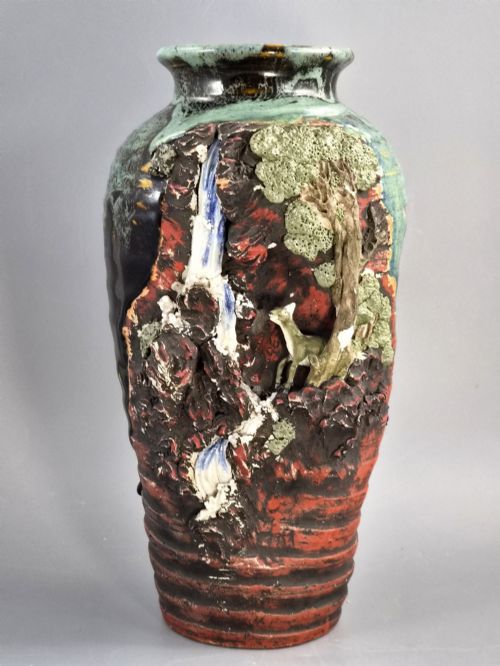
The most common examples on this page include Victorian English jugs with moulded bacchanalian scenes, Doulton Lambeth salt-glazed vessels, and Japanese Sumida Gawa wares featuring applied sculptural figures. Many of these items combine functional utility with elaborate surface ornamentation, ranging from classical motifs to naturalistic plant forms.
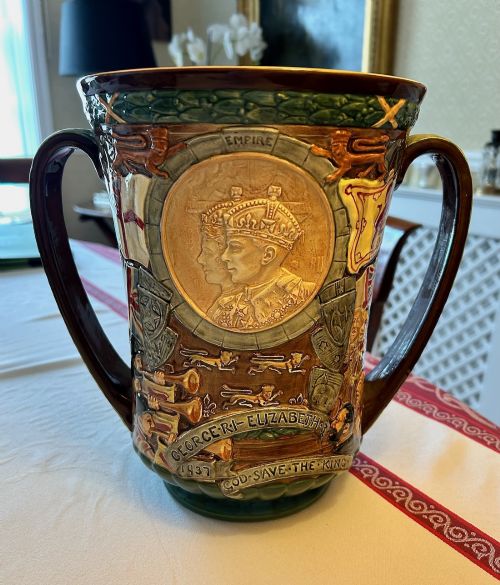
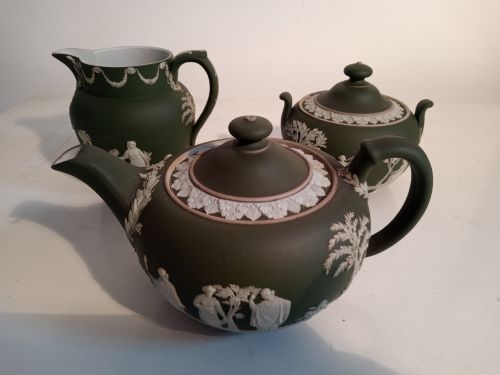
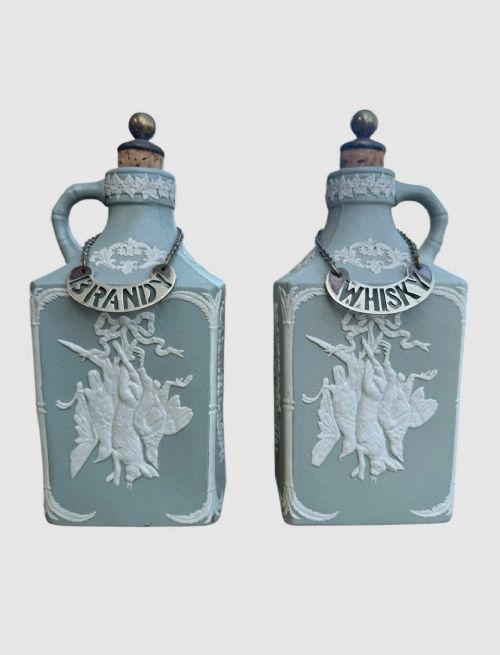
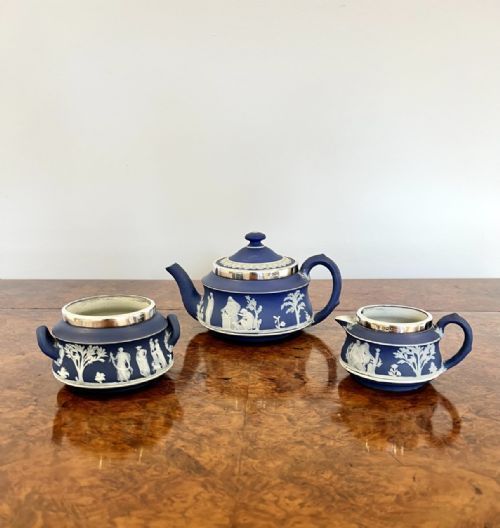
Collectors also encounter specialised items such as jasperware tea sets, commemorative vessels with sterling silver collars, and water filters bearing nineteenth-century patent details. Each category reflects the specific manufacturing traditions of its origin, whether European industrial moulding or East Asian hand-sculpted application.
Materials and production methods
Potters utilised vitreous stoneware, earthenware, and fine jasperware as foundational bodies, often finishing vessels with salt glazes, enamel colours, or fluid flambe effects. The dense stoneware body required high firing temperatures to achieve impermeability, creating a durable canvas for subsequent ornamentation.
Raised surface decoration was typically achieved through relief moulding, where clay was pressed into carved moulds and applied to the vessel body, or through direct sculptural modelling by hand. Makers such as Doulton Lambeth and various Japanese studios combined these techniques to create intricate pictorial scenes, botanical details, and three-dimensional figures.
Listings feature items spanning the nineteenth and early twentieth centuries, incorporating both English salt-glazed stoneware and Japanese Sumida Gawa ceramics.
Factors of distinction
The definition of the raised ornament dictates much of the visual success of each piece, as sharper mouldings and crisper hand-finished details separate superior items from softer, worn examples. The precision with which applied figures adhere to the vessel body and the balance of the overall composition reveal the skill of the original modeller.
Glazing technique and surface treatment further distinguish individual items, particularly where cobalt blues, salt textures, or multi-coloured enamels pool naturally around relief work. Additionally, the inclusion of hallmarked silver mounts, pewter lids, or documented signatures from prominent ceramic artists adds significant material and historical interest to the finished object.
Royal Doulton Lambeth·Simon Peter Gerz·Makuzu Kozan II·Charles Meigh·Enoch Wood And Sons
The Antique Stoneware Relief Glossary
- Stoneware
- A heavy, vitreous ceramic fired at high temperatures until non-porous. It provides a durable ground for intricate surface moulding.
- Salt glaze
- A vitreous coating formed by throwing common salt into the kiln during high-temperature firing. This creates a characteristic orange-peel texture on the surface of the clay.
- Jasperware
- A fine-grained, unglazed stoneware developed by Wedgwood, typically featuring white contrasting relief figures against a coloured background.
- Relief moulded
- A technique where ornamental designs are pressed into moulds and applied to the exterior of a vessel. This method allowed potteries to produce repeatable classical or figurative scenes.
- Flambe glaze
- A streaked, mottled metallic glaze resulting from reduction firing in the kiln. It produces unpredictable pools of rich colour across the ceramic body.
Antique Stoneware Relief: Frequently Asked Questions
What is stoneware relief?
Stoneware relief refers to ceramic vessels made from dense, fired clay featuring raised decorative motifs, figures, or patterns applied to the exterior surface.
These designs were usually pressed from separate moulds and attached before firing, creating a tactile contrast with the smooth body of the jug or vase.
How were these vessels used?
Many of these pieces served practical domestic functions such as pouring liquids, serving tea, or storing water and dry goods.
Others, particularly elaborately decorated vases and commemorative items, were intended primarily for display and decorative ornamentation within nineteenth-century interiors.
How do I care for antique stoneware?
Antique stoneware requires gentle cleaning with a soft cloth and warm water to protect the raised surface details and any delicate glazes.
Avoid harsh chemical cleaners and abrasive scouring pads, particularly on pieces featuring unglazed jasperware or delicate applied sculptural elements.
How can I tell periods apart?
Periods can often be distinguished by shifts in style, such as the classical motifs of the early nineteenth century transitioning into the organic curves of Art Nouveau.
Maker marks, registration numbers, and mounting materials like sterling silver or pewter also help narrow down the date of manufacture.