



Antique Stoneware Mug
These antique stoneware mug pieces bring rugged substance to a shelf, built from dense clay and salt glaze to last centuries.
Antique Stoneware Mug
When you search for an antique stoneware mug, you are looking at sturdy vessels designed for holding ale, beer, and hearty liquids. The selections on this page span the 18th century, 19th century, and Victorian eras, showing both English and continental origins.
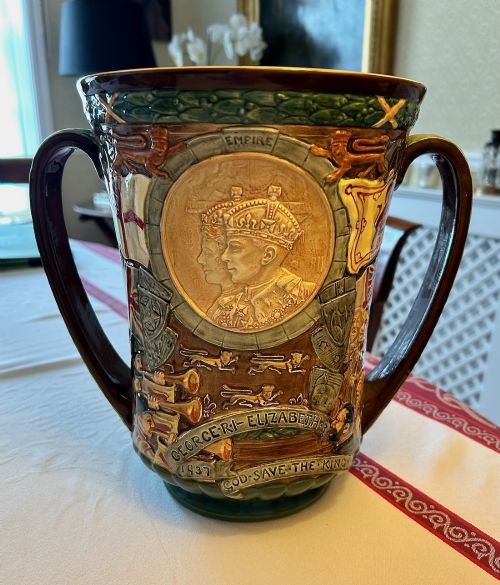
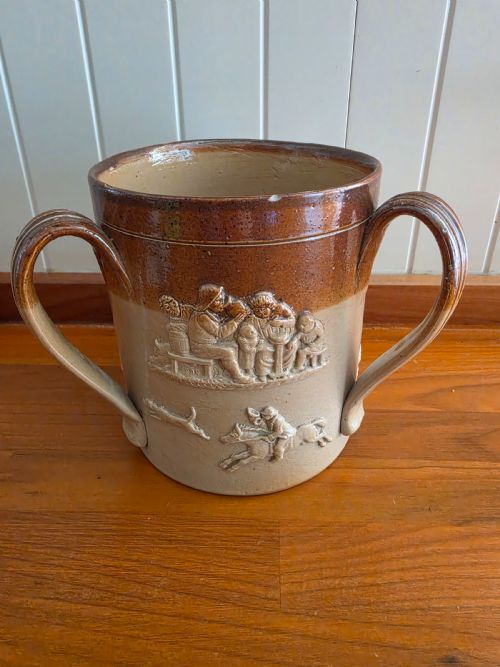
You will encounter pieces ranging from simple English country pottery harvest cups to elaborate German steins and Westerwald tankards. Many take the form of three-handled tygs or silver-rimmed tankards, reflecting centuries of drinking traditions.
The most common finds here include robust salt glaze surfaces and commemorative pieces from periods such as the Victorian age. Each item carries the distinct weight of dense clay shaped for practical daily use or festive gatherings.
Materials and construction
Potters built these vessels using dense clay fired at high temperatures to ensure impermeability. The application of salt glaze created distinctive pitted textures on the surface during the firing process.
Many English and continental examples feature cobalt blue decoration painted directly onto the grey body before glazing. Mounts of pewter or silver were often added to the rims to reinforce the lip and add structural finish.
Antique Stoneware Mug Retail Price Guide 2026
Typical asking prices for stoneware mug among the pieces listed under this phrase on Sellingantiques today, from the lower quarter to the upper quarter. They describe what is for sale here now, not the wider market.
Some schoolboys received specially numbered pint tankards, turning institutional dining into a strictly audited affair.
Judging quality and character
Quality rests in the crispness of the moulded or incised decoration and the evenness of the salt glaze. Fine examples display sharply defined details by known artists and studios rather than soft, blurred impressions.
The addition of precious metal mounts, such as silver rims or detailed handles, elevates a standard utility vessel into a decorative statement. The survival of multiple handles on tygs and the clarity of cobalt details also distinguish superior pieces.
Doulton Lambeth·Florence E. Barlow·Copeland·Sarreguemines·Mettlach
The Antique Stoneware Mug Glossary
- Tyg
- A large drinking vessel with three or more handles, designed so drinkers could pass it around a table. These ceramic cups frequently appeared in English country pottery.
- Salt glaze
- A vitreous coating formed by throwing common salt into the kiln during high-temperature firing. This technique produces a characteristic orange-peel texture on the stoneware surface.
- Westerwald
- A German region famous for producing grey stoneware decorated with cobalt blue incisions. Pieces from this area often date back to the 18th century.
- Stein
- A traditional beer drinking vessel, typically featuring a cylindrical body and often fitted with a hinged lid. German examples often display historical or folk art motifs.
- Cobalt
- A blue metallic oxide pigment used under the glaze to paint durable designs on pottery. It withstands the extreme heat required to fire stoneware.
Antique Stoneware Mug: Frequently Asked Questions
What is a tyg?
A tyg is a drinking vessel featuring multiple handles, typically three, arranged around the body. This design allowed guests at a table to share the cup securely.
Such vessels appear frequently in English stoneware and served communal roles during feasts and celebrations.
How do I clean my stoneware mug?
Use warm water and a soft cloth to clean your vessel gently. Avoid harsh detergents or scrubbing brushes that might damage aged glazes or metal mounts.
Keep these historic ceramics out of dishwaters entirely to preserve their structural integrity.
Were these mugs used daily?
Many examples began as practical drinking vessels for ale and beer in homes and taverns. Their dense clay construction made them durable for everyday consumption.
Over time, certain decorated pieces transitioned into commemorative objects kept on display rather than used at the table.
How do I spot Westerwald pottery?
Westerwald pieces are typically characterised by a dense grey stoneware body embellished with cobalt blue incisions. The decoration often includes stamped rosettes and geometric patterns.
These German vessels frequently date to the 18th century and show distinct regional salt-glaze textures.