



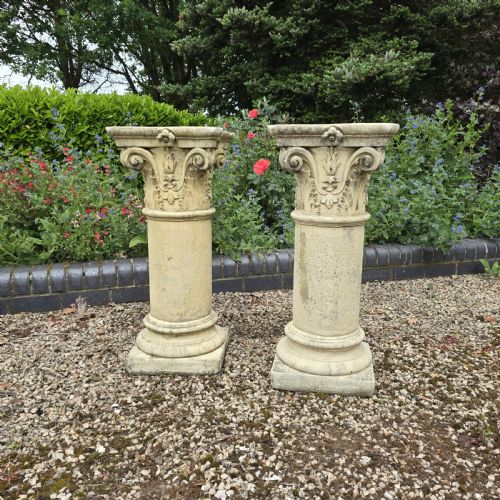
Antique Stone Column Pedestals
Antique stone column pedestals bring classical architecture indoors, elevating sculpture and flora with substance.
Antique Stone Column Pedestals
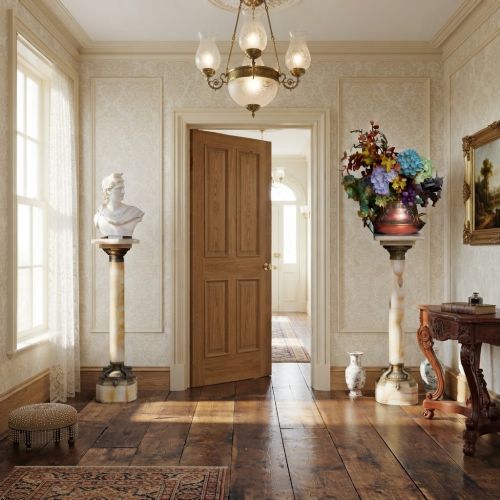
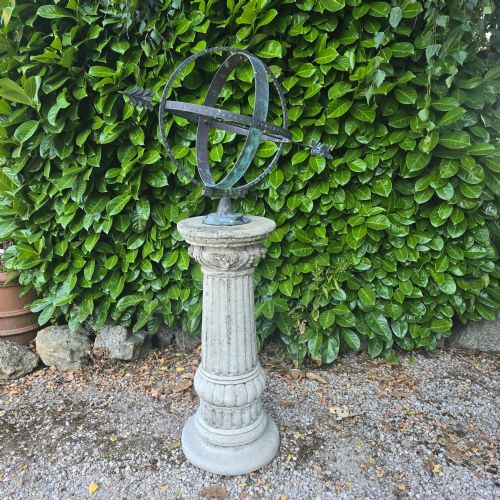
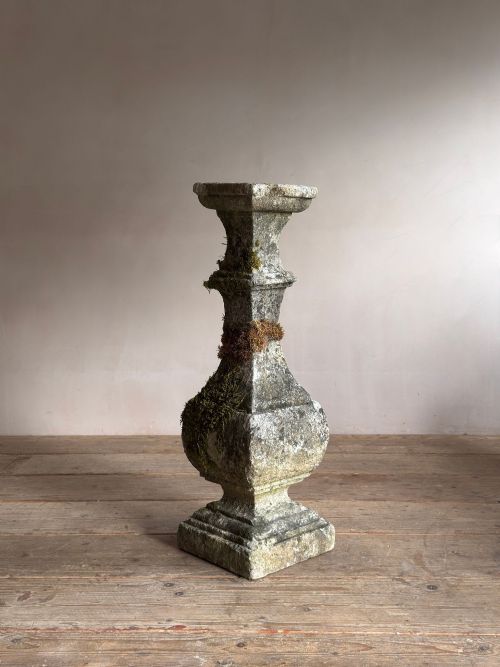
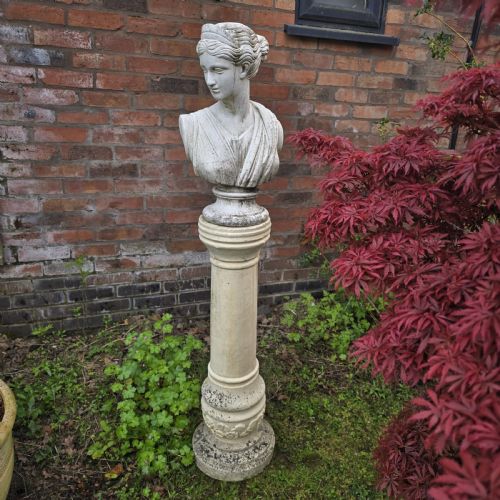
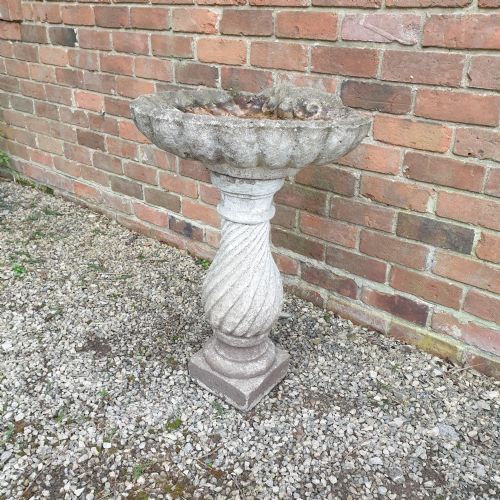
These antique stone column pedestals comprise architectural supports and display plinths drawn mainly from the nineteenth century, Georgian era, and early twentieth century. Buyers encounter forms ranging from monumental marble columns and torchere stands to garden plinths and plant stands.
The aesthetic leans heavily towards neoclassical, classical revival, and Gothic revival styles, reflecting grand tour influences and period tastes. Architectural salvage and garden statuary also appear, demonstrating versatile domestic and outdoor applications for these columns.
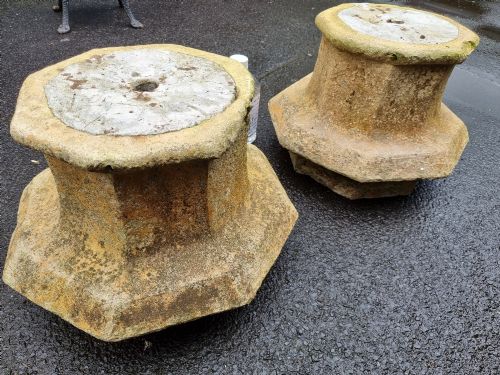
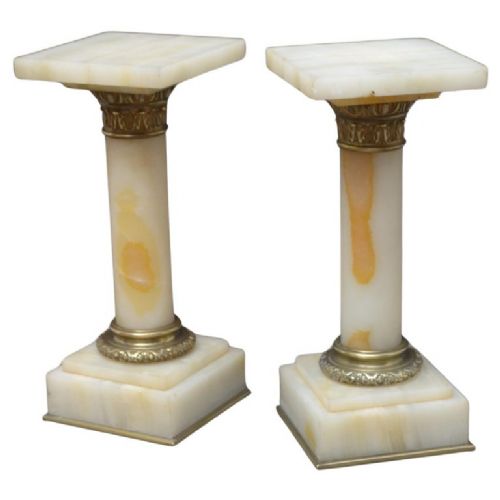
Most examples utilise traditional masonry and turning techniques, often paired with brass or ormolu mounts. The selection spans indoor statuary pedestals in variegated green or white marble alongside weathered exterior stone items.
Materials and construction methods
Masons utilised various natural stones, including Carrara, serpentine, and verde antico marbles, alongside alabaster, onyx, limestone, and composite stone. These dense materials required skilled lathe-turning and hand-carving to achieve fluted shafts, Corinthian capitals, and smooth cylindrical columns.
Interlocking sections, threaded metal rods, and brass or ormolu collars frequently secure taller columns and multi-tier plant stands. Exterior garden plinths rely on durable stoneware, reconstituted stone, and weathered limestone able to withstand the elements.
Some nineteenth-century columns secretly double as tiered plant stands, proving the Victorians loved house ferns as much as marble.
Evaluating craftsmanship and material depth
Quality rests in the choice of mineral and the precision of the stonecutter's hand. Superior pieces display lively natural veining in green, red, or white marble and deeply carved acanthus leaf capitals rather than shallow mechanical moulding.
The integration of secondary materials dictates distinction. Finely chased ormolu collars, robust brass tiers, and substantial weight signal higher workshop standards during the Victorian and Edwardian periods.
The Antique Stone Column Pedestals Glossary
- Column
- A vertical architectural element consisting of a base, a circular shaft, and a capital. In domestic settings, these support busts, lamps, and urns.
- Torchere
- A tall stand or pedestal originally designed to hold a torch or candle, now frequently utilised for lamps and ornamental figures.
- Plinth
- The heavy base or lower block upon which a column, statue, or obelisk rests. Georgian and nineteenth-century examples often feature square profiles.
- Capital
- The uppermost member of a column, situated above the shaft. Styles range from plain mouldings to ornate Corinthian leaf carvings.
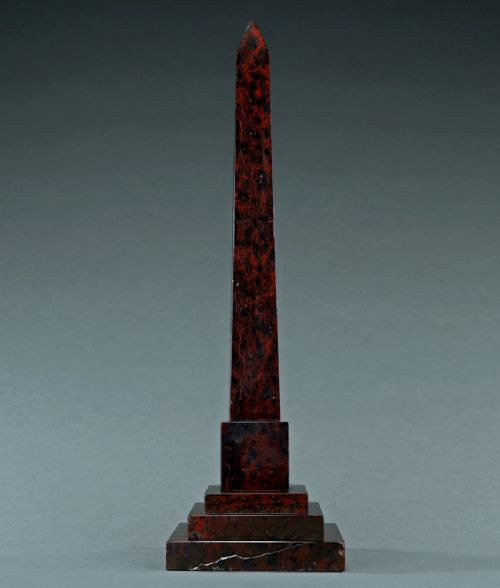
- Serpentine
- A mottled green or red mineral rock resembling snakeskin, highly prized for nineteenth-century decorative columns and obelisks.
Antique Stone Column Pedestals: Frequently Asked Questions
How do I choose the right height?
Consider the object you intend to display and the scale of the room. Taller torchere stands suit corner spaces and heavier sculptures, while lower plinths display table lamps and smaller busts.
Ensure the top surface diameter comfortably accommodates the base of your intended display piece without overhang.
Are these suitable for outdoor use?
Suitability depends entirely on the specific material composition. Items designated as garden statuary, stoneware, or limestone are built to withstand exterior weathering.
Marble, alabaster, and onyx pieces featuring brass or ormolu mounts are strictly indoor items susceptible to frost damage and moisture.
How do I clean marble pedestals?
Dust regularly with a soft, dry cloth to prevent particulate accumulation in carved recesses. Avoid acidic cleaners, vinegar, or abrasive scouring powders which etch polished stone surfaces.
Use only a damp cloth with mild, pH-neutral soap if deeper cleaning becomes necessary, drying immediately afterwards.
What styles are most common?
Neoclassical and classical revival designs dominate the inventory, inspired by grand tour travels and nineteenth-century architectural tastes. Gothic revival pieces also feature prominently in both indoor and garden contexts.
These styles often incorporate fluted shafts, Corinthian capitals, and rich variegated green or white marbles.