



Antique Stick Back
An antique stick back brings the honest craft of the domestic interior into a modern room, offering seating shaped by local hands and enduring materials.
Antique Stick Back
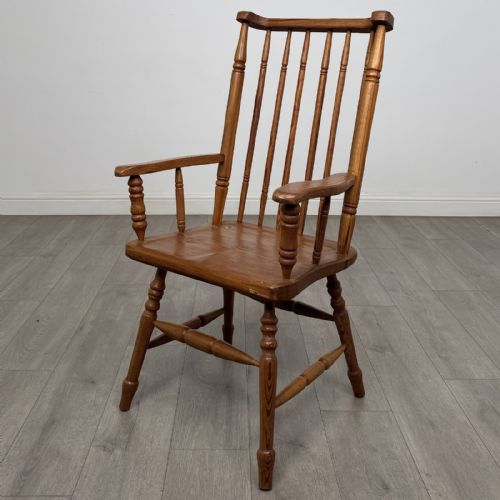
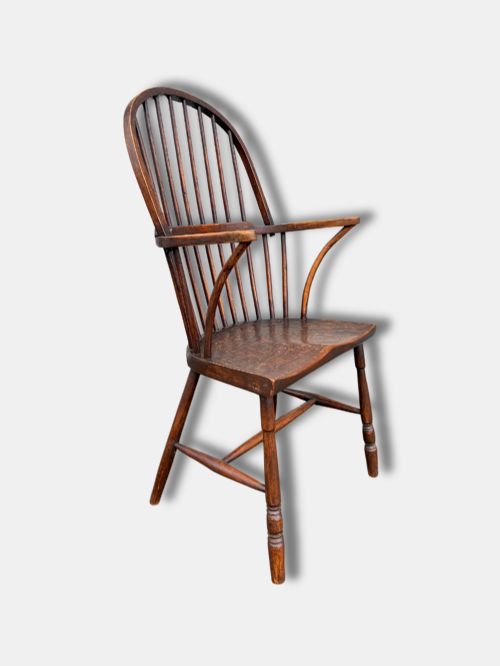
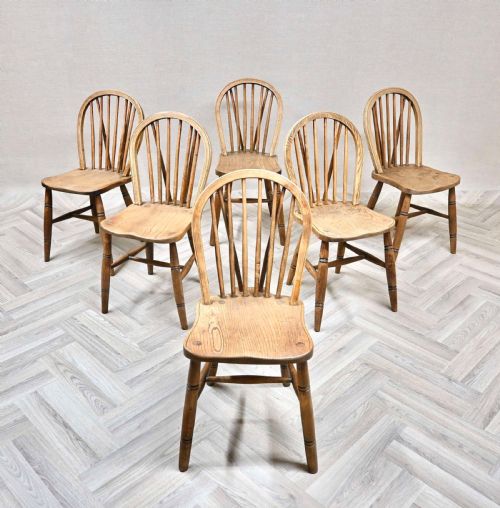
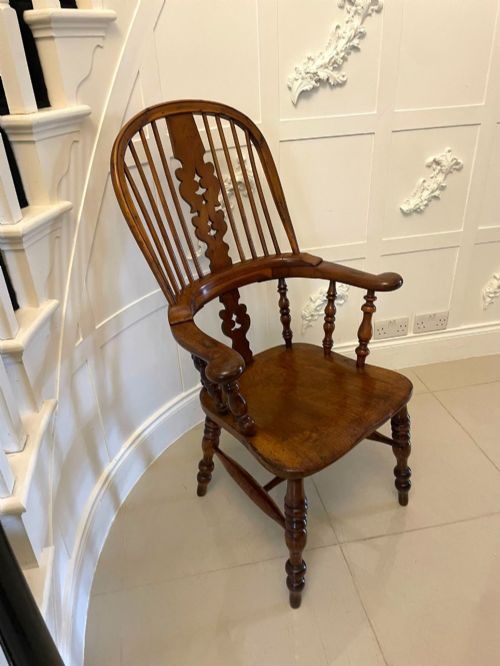
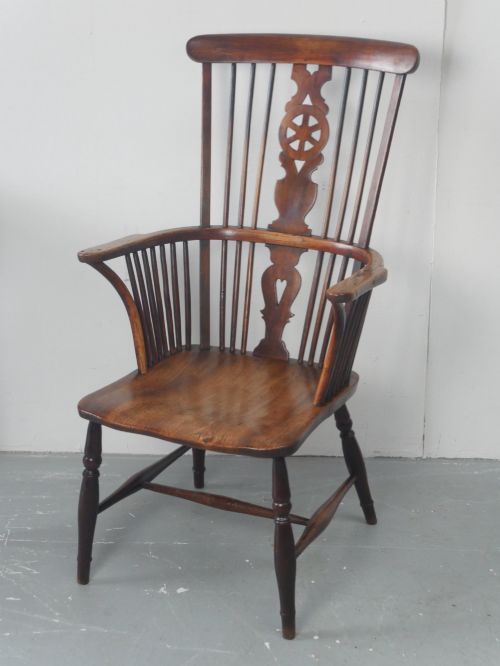
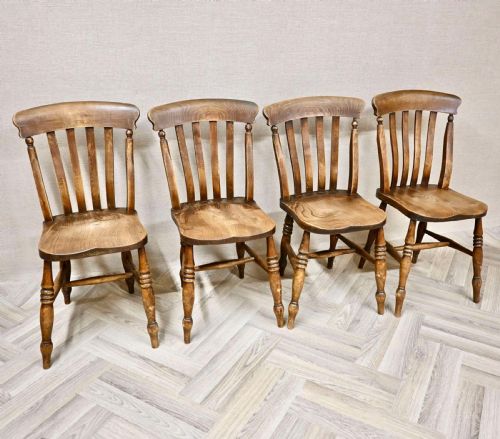
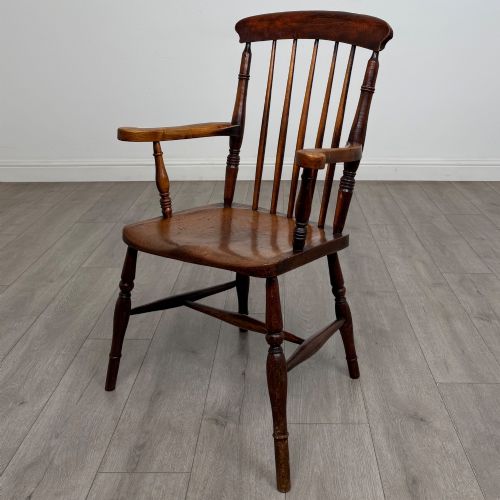
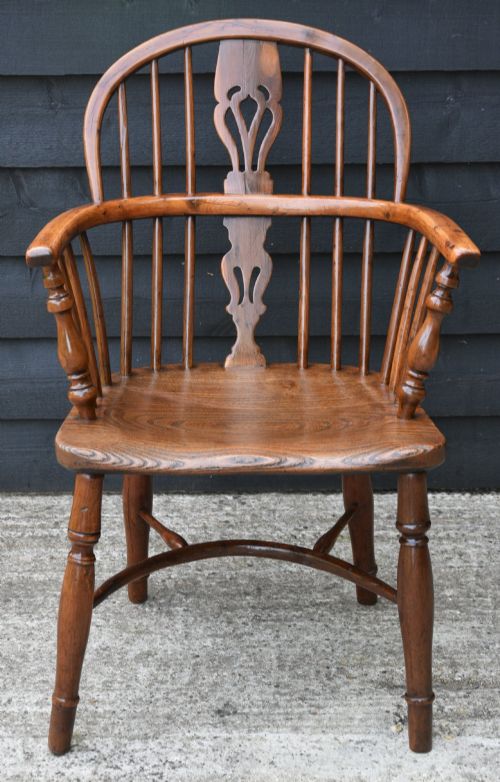
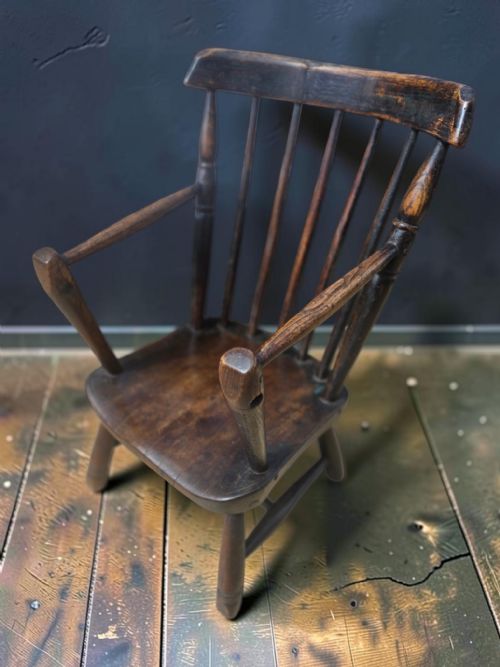
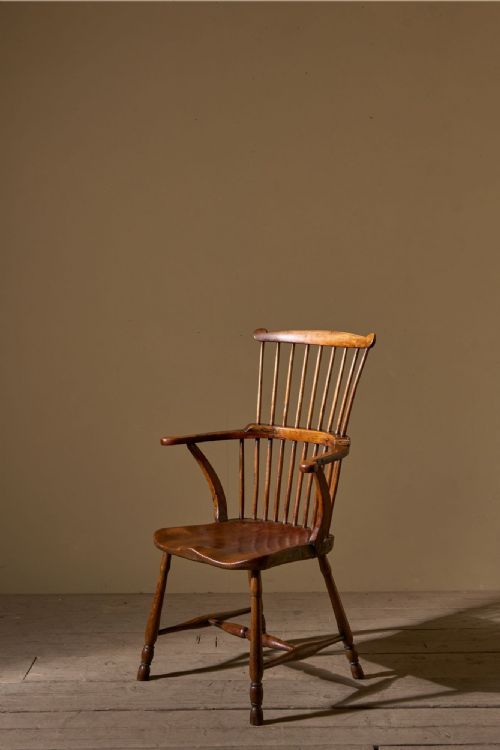
When you search for antique stick back, you encounter traditional seating designed around turned spindles and solid wooden seats. The selection here spans the eighteenth, nineteenth, and early twentieth centuries, drawing heavily from English country traditions.
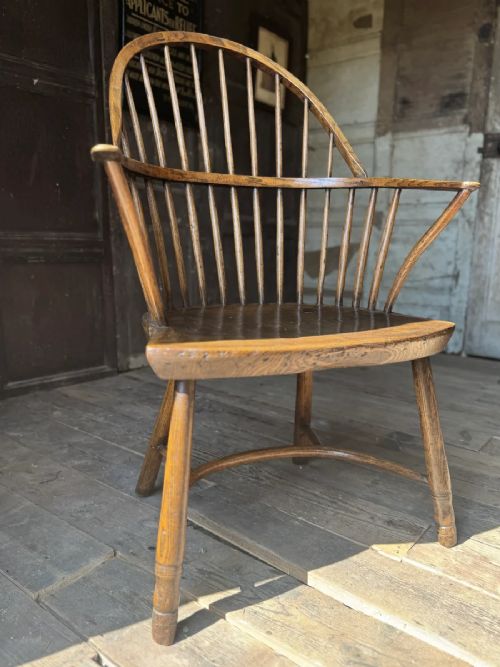
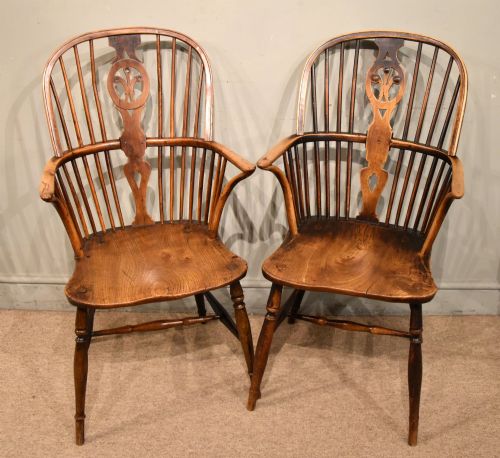
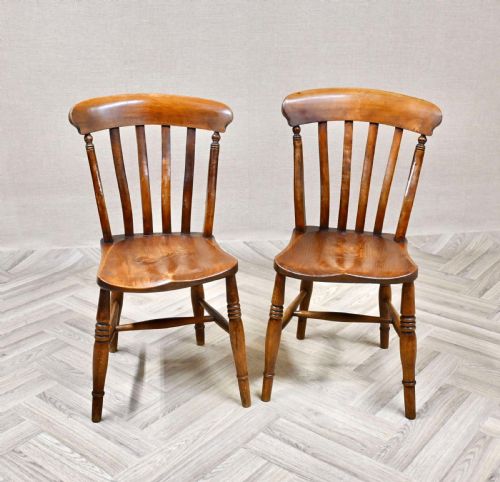
Armchairs and dining chairs dominate the selection, alongside rarer forms such as children's chairs and hall stands. Windsor armchairs with hoop, comb, or panel backs represent the core of what you will find on this page.
The regional diversity is wide, ranging from Thames Valley workshops to West Country and Welsh vernacular makers. These pieces were built for everyday domestic utility in farmhouses, kitchens, and country houses.
How they were made
The construction relies on a combination of woods chosen for specific structural properties, most notably elm for the thick solid seats, ash for the steam-bent bows and arm rails, and beech or yew for the slender turned spindles.
Makers shaped the components using a pole lathe, drawknife, and adze, boring tapered holes directly into the saddle seats to receive the legs and back sticks without metal fixings.
Surface treatments range from waxed natural grain showing the rich figures of fruitwood and walnut to surviving early brown paint and primitive finishes applied by rural carpenters.
Antique Stick Back Retail Price Guide 2026
Typical asking prices for stick back among the pieces listed under this phrase on Sellingantiques today, from the lower quarter to the upper quarter. They describe what is for sale here now, not the wider market.
Listings feature periods from the eighteenth century through to the early twentieth century, spanning Georgian, Victorian, and Edwardian eras.
What varies in quality
Quality rests on the integrity of the original construction and the balance of the proportions rather than decorative elaboration. A well-balanced comb or hoop back displays natural harmony between the height of the spindles and the depth of the elm seat.
The choice of timber elevates certain pieces, particularly those utilising figured yew or combinations of contrasting woods like laburnum and fruitwood. The retention of original surfaces, such as untouched early paint or patinated waxed elm, distinguishes superior examples from heavily restored ones.
Shoolbred and Co.
The Antique Stick Back Glossary
- Stick back
- A chair construction method where turned wooden spindles are tenoned directly into the seat, forming the back support.
- Windsor
- A traditional wooden chair featuring a solid carved saddle seat into which the undercarriage legs and back spindles are separately inserted.
- Comb back
- A Windsor chair variation where the top rail resembles the spine of a comb, often featuring extended arm posts finished with scroll handholds.
- Crinoline stretcher
- A curved hoop-shaped stretcher linking the legs of a chair below the seat to provide structural rigidity.
- Vernacular
- Objects made by local craftsmen following regional traditions rather than following academic metropolitan design patterns.
Antique Stick Back: Frequently Asked Questions
How do I identify a Windsor chair?
A Windsor chair is defined by its thick solid wooden seat into which the legs and back spindles are driven directly. This construction differs from framed chairs where the back and legs join through a continuous skeleton.
Look for the saddle-shaped depression carved into the top of the seat board. The upper back assembly is then secured into this heavy wooden base using wedged tenons.
What woods were used in these chairs?
Country chairmakers selected specific timbers for different parts of the chair based on their structural characteristics. Elm was chosen for the solid seat because its interlocking grain resisted splitting under heavy use.
Ash and beech provided strong, flexible material for steam-bent hoops and turned spindles. Yew and fruitwood were frequently utilised for their decorative grain and rich colour.
How do I live with an antique stick back?
These chairs are sturdy and functional, designed for daily sitting in dining rooms and kitchens. Keep them away from direct heat sources such as radiators to prevent the dry timbers from shrinking and loosening the joints.
Apply a microcrystalline wax occasionally to nourish the wood surface. Avoid aggressive cleaning products that might strip the historic patina.
How can I tell the period?
Dating relies on observing changes in construction techniques, timber choices, and regional design traits. Eighteenth-century examples often feature comb backs and heavy ash or elm components with simpler vernacular shaping.
Victorian and later nineteenth-century pieces frequently show more standardised turning and lighter framing, sometimes incorporating beech or birch in sets of dining chairs.