
Antique Sterling Trinket
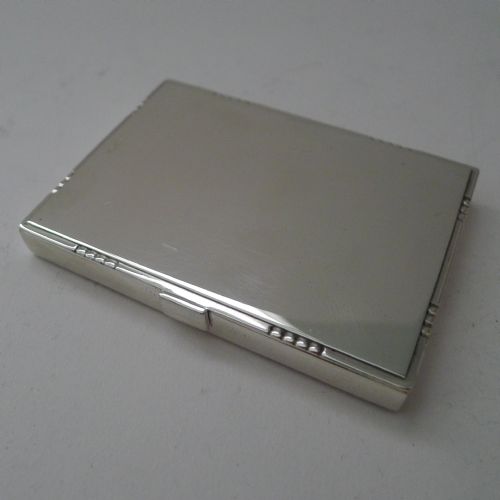
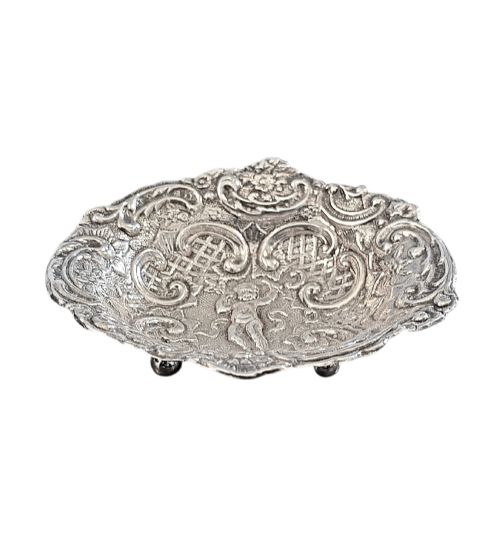
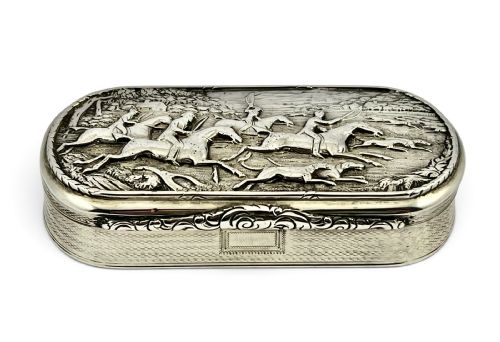
These pieces of antique sterling trinket encompass small silver boxes, vanity jars and snuff boxes spanning Georgian to Art Deco periods.
Antique Sterling Trinket
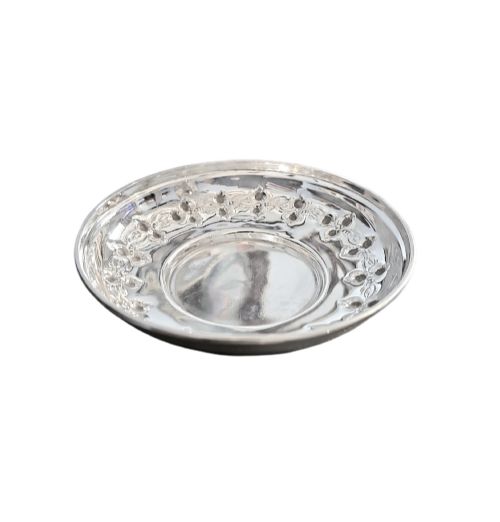
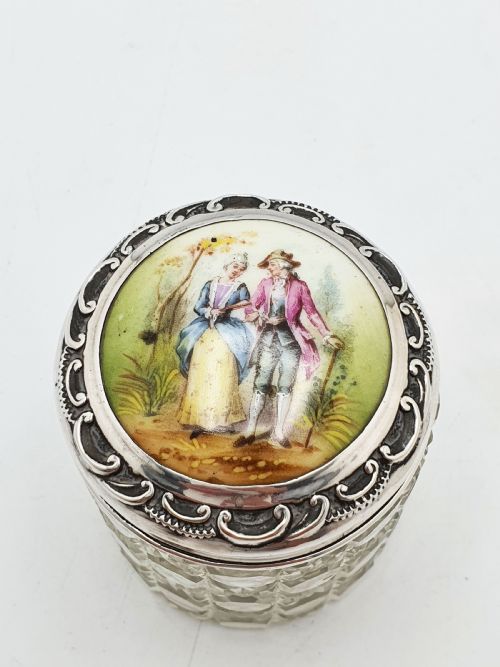
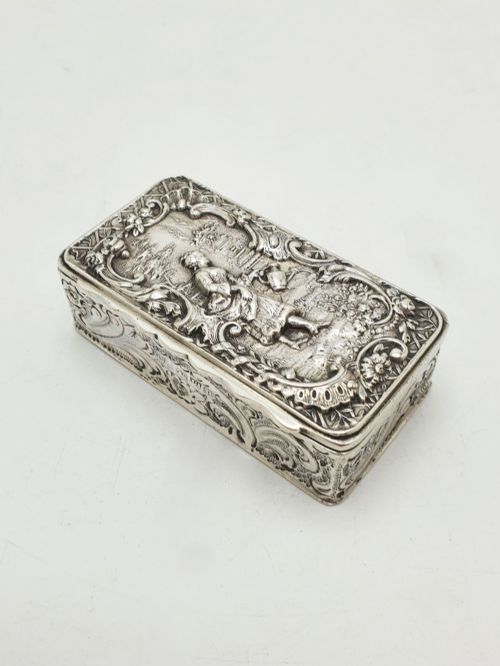
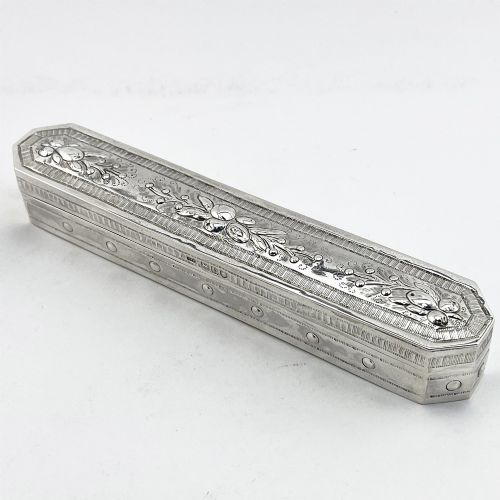
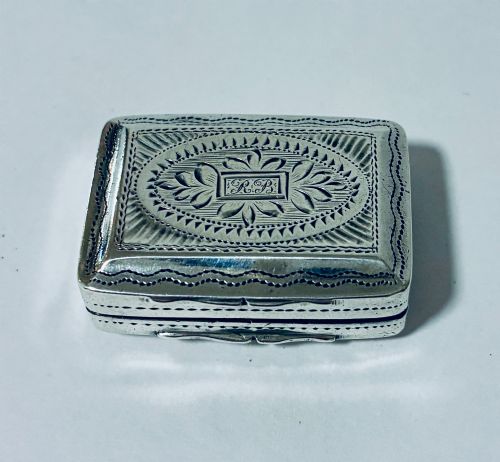
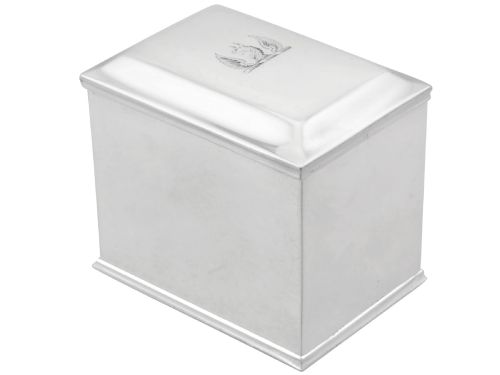
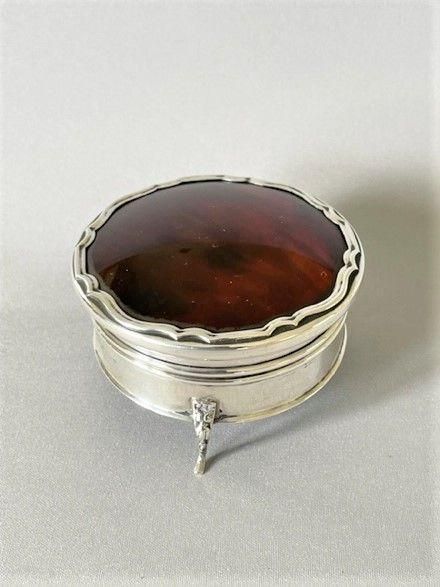
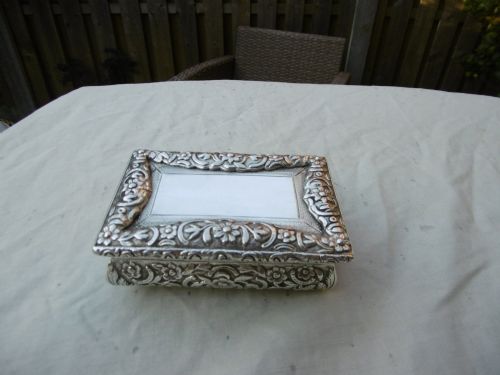
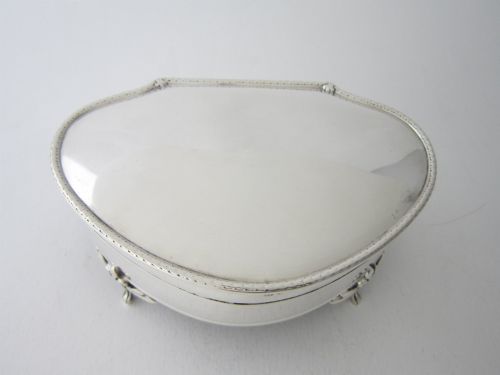
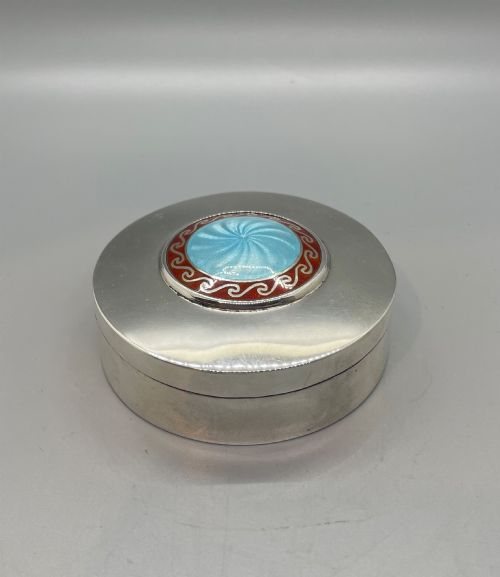
When you search for an antique sterling trinket, you encounter a variety of small silver receptacles designed for dressing tables, waistcoats and pockets. The selection ranges from Victorian repoussé jewellery boxes and Edwardian enamel trinket pots to Georgian table snuff boxes and vinaigrettes.
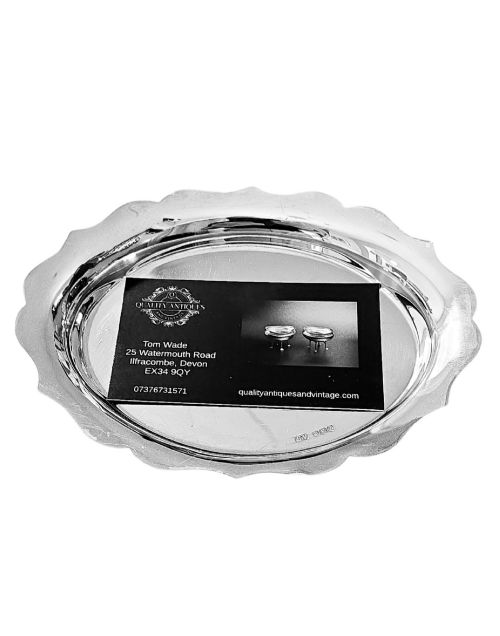
You meet pieces originating largely from British assay offices, alongside occasional Dutch, Indian and Scandinavian items. Trinket boxes, pill boxes, vanity jars and bonbon dishes form the core of the objects available on this page.
Materials and Technique
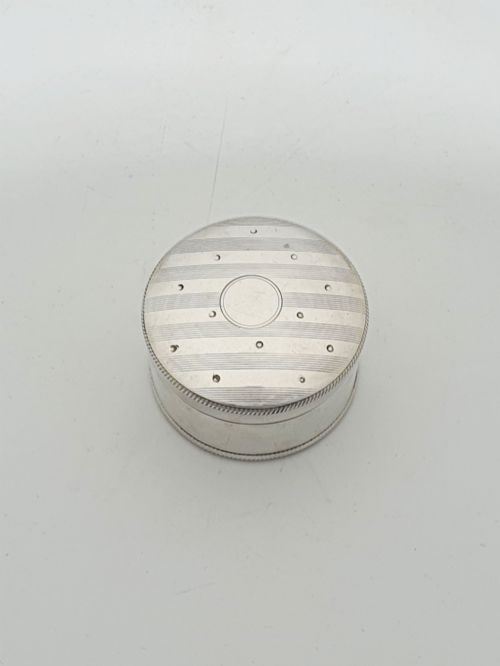
Silversmiths constructed these pieces primarily using sterling silver, frequently applying techniques such as repoussé embossing, engine turning and guilloche enamel. Many items incorporate internal silver gilt, while others combine silver mounts with cut glass, satin glass, Kralik glass, porcelain plaques, tortoiseshell, faux tortoiseshell and mother of pearl.
Manufacturers utilised stamping, casting and hand-hammering methods depending on the period and the intended function of the box or dish. Assay marks stamped into the silver record the year of creation, the town of testing and the maker responsible for the piece.
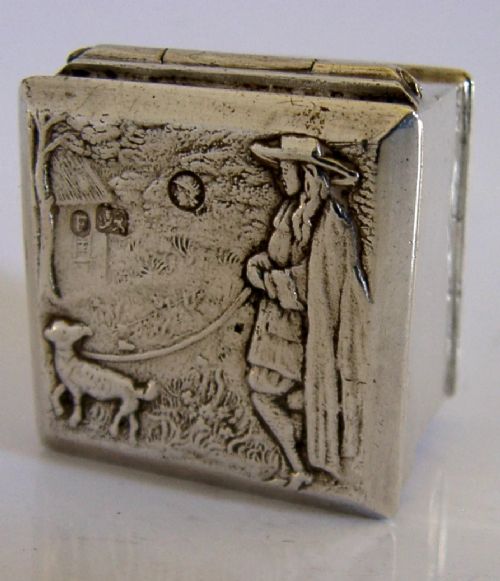
A tiny silver dog goes for a walk across one unusual Dutch box.
Judgement of Quality
Quality rests upon the weight of the metal, the crispness of the chased or embossed detail and the integrity of applied materials like enamel and glass. A heavier gauge of silver and precise engine turning indicate superior manufacture.
Makers who applied intricate guilloche enamel, hand-painted porcelain or tortoiseshell panels achieved a higher standard of decorative art. The survival of interior gilding and the smoothness of hinged lids also distinguish finer examples from standard production items.
Georg Jensen·William Aitken·Thomas Bradbury And Sons·Joseph Wilmore·A J Pepper And Co·Henry Matthews·Mappin And Webb
The Antique Sterling Trinket Glossary
- Vinaigrette
- A small hinged box containing a perforated inner grill, used to hold a sponge soaked in aromatic vinegar. These date predominantly from the Georgian and Victorian eras.
- Repoussé
- A metalworking technique where the smith pushes the silver design out from the reverse side using hammers and punches to create a raised relief pattern on the exterior.
- Guilloche
- A decorative mechanical engraving technique that etches precise, intricate geometric patterns into a metal surface beneath translucent enamel.
- Pyx
- A small round container historically used to carry the communion host, often produced in sterling silver with secure snap closures.
- Silver Gilt
- Sterling silver that has been coated with a thin layer of gold on its interior or exterior surfaces to prevent tarnishing and provide a warm tone.
Antique Sterling Trinket: Frequently Asked Questions
What is an antique sterling trinket box used for?
These boxes served to hold small personal valuables, rings, pins and vanity items on dressing tables or bureaus.
In earlier centuries, similar smaller receptacles carried snuff, pills or aromatic vinegars for personal use throughout the day.
How do I date a silver trinket box?
You examine the hallmarks stamped on the silver, which include symbols for the assay office, the maker and a specific date letter.
Stylistic indicators such as Art Deco geometric lines or Victorian repoussé floral motifs also help identify the period.
What is the difference between a trinket box and a snuff box?
Trinket boxes generally feature hinged lids designed for jewellery and dressing table accessories, often standing on feet or featuring fitted interiors.
Snuff boxes are flatter and more compact, engineered to seal tightly and hold powdered tobacco for pocket transport.
Are enamel trinket boxes fragile?
Enamel surfaces consist of fused glass powder on metal, requiring careful handling to prevent chipping or cracking from sharp impacts.
Keeping them away from hard drops and sudden temperature changes preserves the smooth, colourful finish.