
Antique Sterling Tea Caddy
When you hold an antique sterling tea caddy, you touch a tangible piece of domestic ritual forged in Georgian, Victorian, and Edwardian workshops.
Antique Sterling Tea Caddy
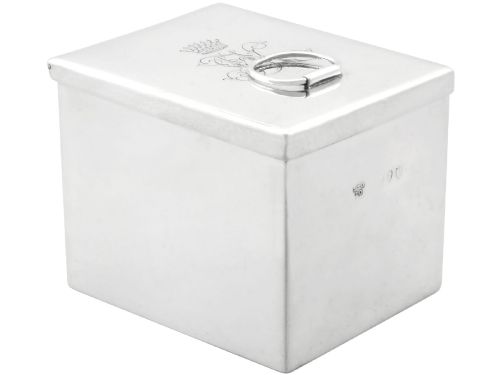
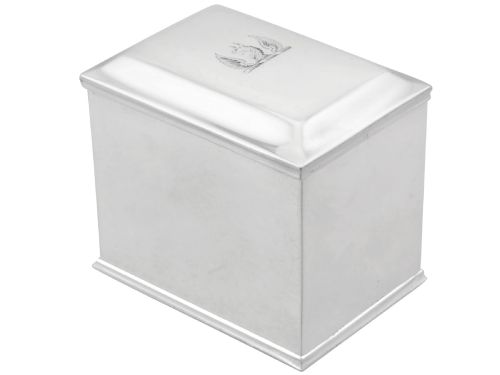
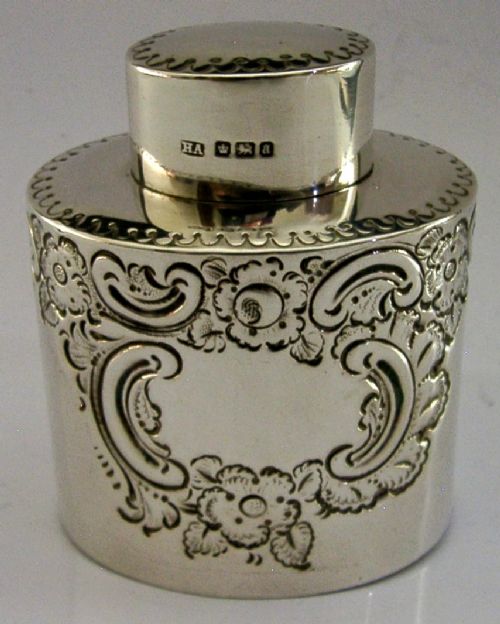
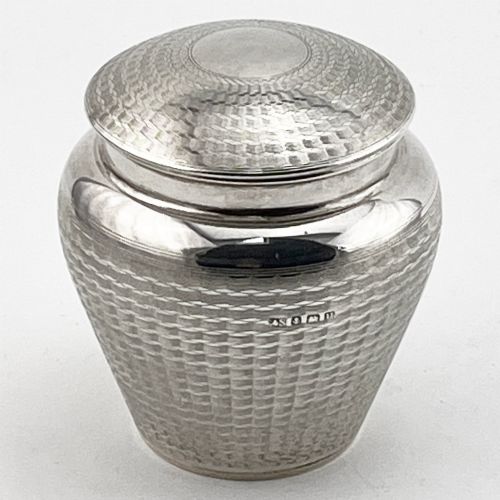
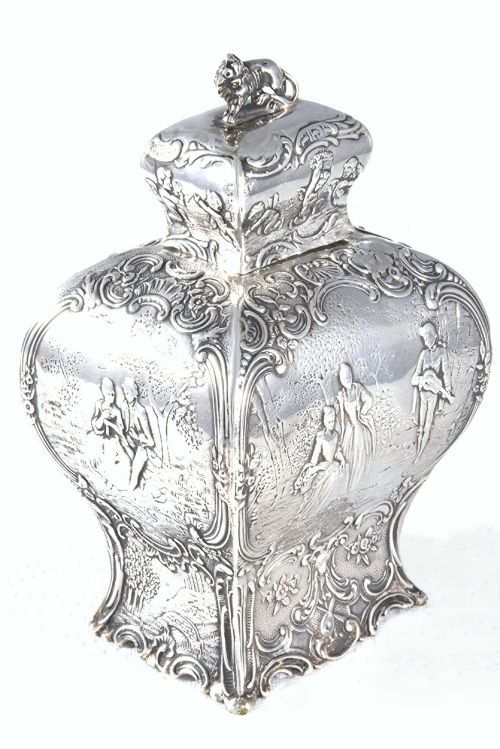
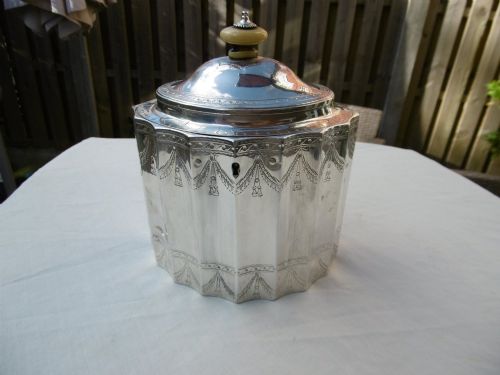
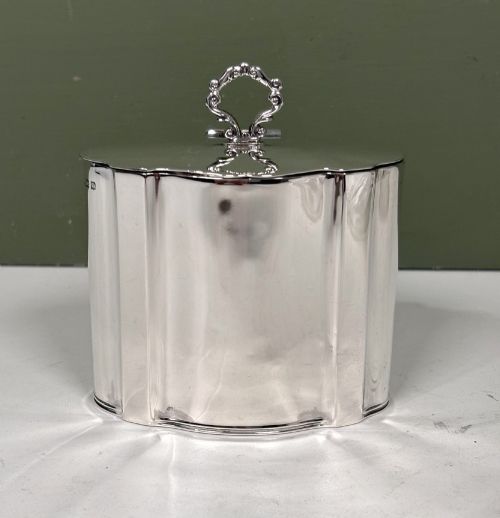
An antique sterling tea caddy serves as a secure vessel designed for storing loose tea leaves when tea was a precious commodity locked away from household staff. These containers span the Georgian, Victorian, and Edwardian eras, emerging in forms ranging from simple oval boxes and cylindrical canisters to bombe bodies and novelty knife box shapes.
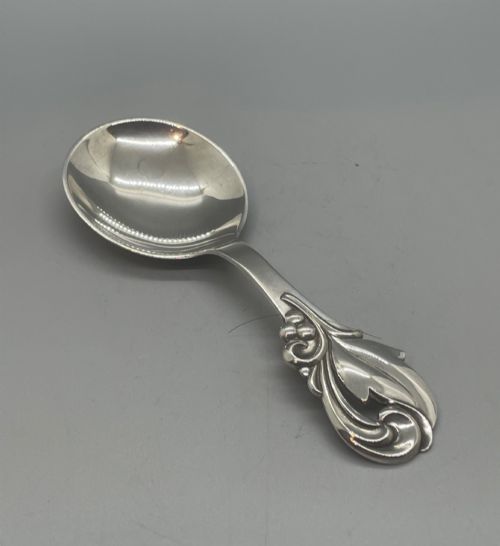
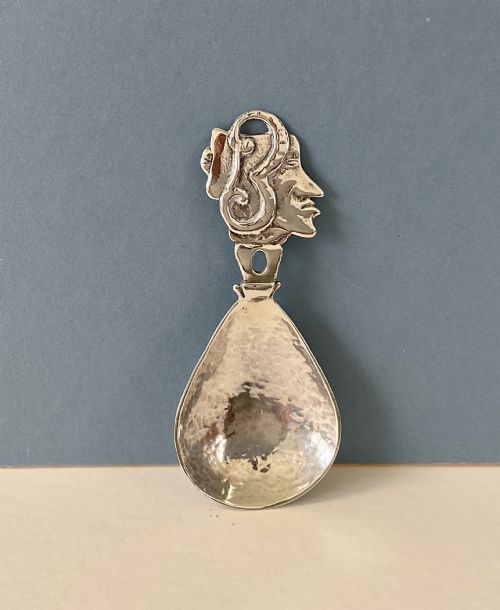
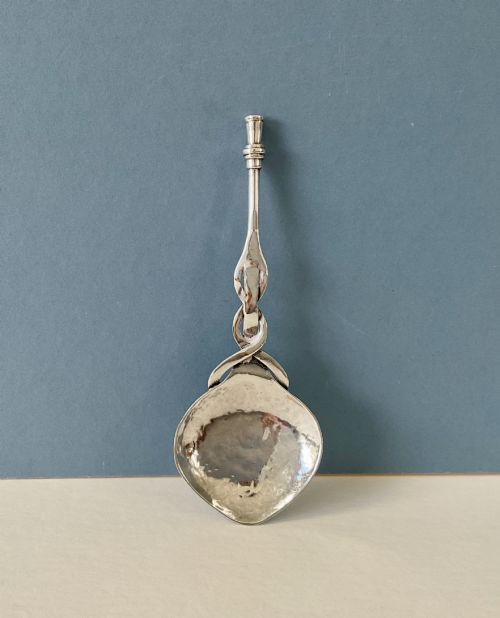
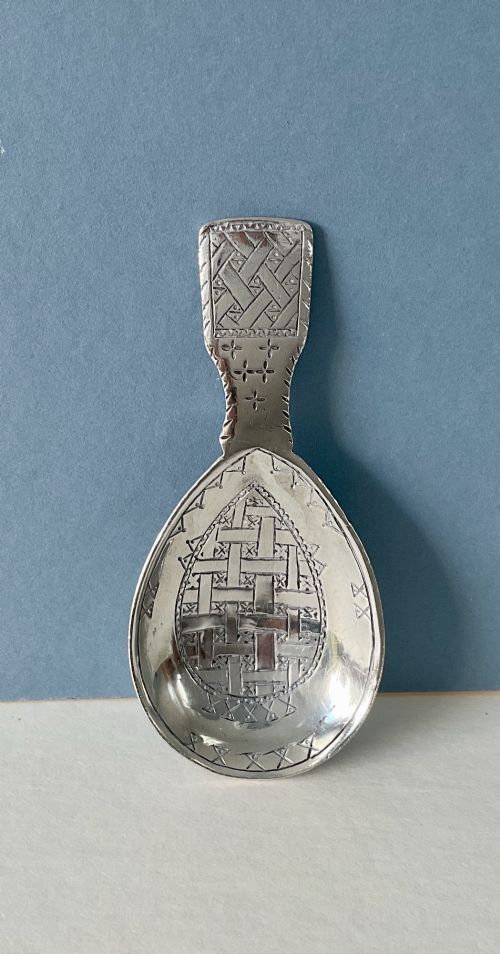
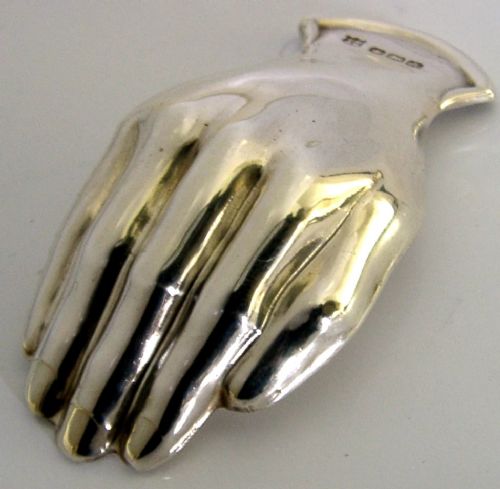
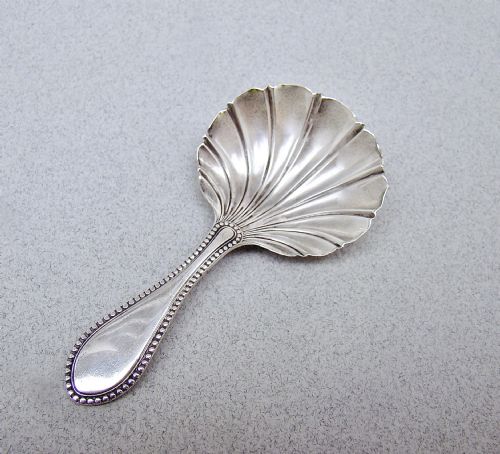
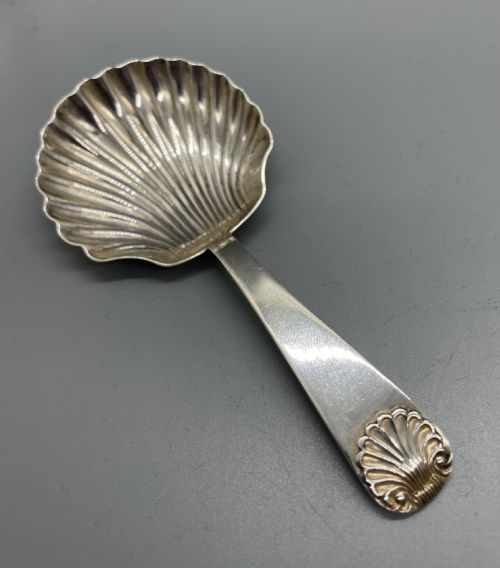
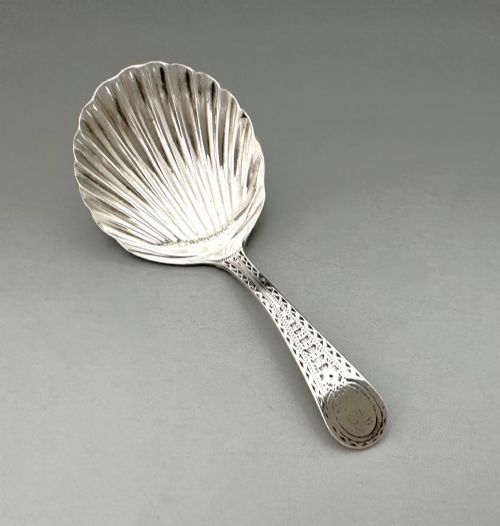
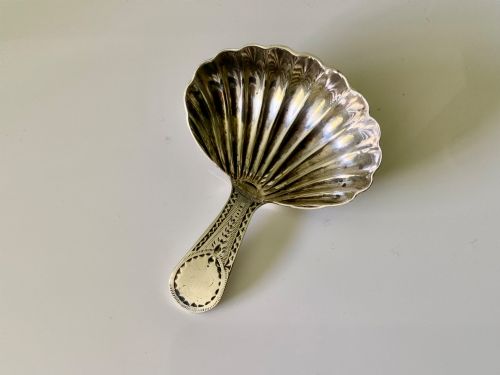
Alongside complete containers, buyers frequently encounter matched caddy spoons shaped like hands, jockey caps, vine leaves, and shells. Materials stretch beyond solid silver to incorporate cut crystal bodies, ebonised wood accents, bone details, and silver gilt interiors.
Production extends from eighteenth century pieces through to Arts and Crafts creations, Art Deco designs, and mid twentieth century examples. Makers utilise silver alongside supplementary elements like enamel to construct functional items that doubled as decorative table wares.
Methods of manufacture and materials
Silversmiths constructed these vessels using sterling silver and solid silver, frequently employing hammer work for Arts and Crafts textures or casting for figural elements such as cherubs. Cut crystal bodies appear paired with silver collars and lids, while interior surfaces sometimes receive a gold wash known as silver gilt.
Techniques include repoussé and chasing to create raised motifs on the body, alongside hand engraving on lids and caddy spoon handles. Maker marks, date letters, and assay office stamps from locations such as London, Birmingham, Sheffield, and Chester provide a physical record of origin.
Object forms range from traditional oval tea caddy boxes to novelty hand shapes and jockeys cap caddy spoons.
Distinctions in construction and design
Quality reveals itself in the thickness of the silver gauge, which dictates the weight and rigidity of the body and lid. Heavier boxes maintain structural integrity and resist denting along vulnerable edges.
Execution of detail separates standard production from superior output. Crisp chasing on repoussé panels, well fitted pull off or hinged lids, and distinct hallmarks indicate skilled craftsmanship from established makers and workshops.
Martin Hall And Co·Charles Edwards·Joseph Willmore·Thomas Hayes·William Hutton And Sons Ltd·William Neale·Robert Hennell
The Antique Sterling Tea Caddy Glossary
- Sterling silver
- An alloy consisting of ninety two point five percent silver by mass, with other metals added to increase durability. This standard forms the primary material for the boxes and spoons found here.
- Silver gilt
- Sterling silver that has been coated with a thin layer of gold on the interior surface. This application protected the metal from the acidic properties of loose tea leaves.
- Repoussé
- A metalworking technique where the silversmith hammers the metal from the reverse side to form a raised design in relief. This method defines the decorative panels on many Victorian and Edwardian canisters.
- Assay office
- An official body charged with testing the purity of precious metals and stamping them with hallmarks. Marks from cities like Birmingham, Sheffield, and Chester indicate where pieces were tested and certified.
Antique Sterling Tea Caddy: Frequently Asked Questions
What is an antique sterling tea caddy?
An antique sterling tea caddy is a silver container originally made to store dry tea leaves securely when tea was an expensive household commodity.
These vessels date from the eighteenth century through the twentieth century and often feature matching spoons for measuring out the leaves.
How were tea caddies used?
Households used these containers to keep precious tea leaves dry, fragrant, and safe under lock and key in formal reception rooms.
The lady of the house typically kept the key herself, dispensing the leaves personally for each pot brewed.
How do I care for silver tea caddies?
Care involves gentle cleaning with a soft cloth and proprietary silver polish only when necessary to remove tarnish, avoiding abrasive materials that wear down hallmarks.
Storing them away from direct moisture and handling them by the body rather than delicate hinges preserves their structural integrity.
How do I identify the period?
Dating relies upon reading the hallmarks stamped into the silver, which include standard marks, maker initials, and specific date letters assigned by assay offices.
Stylistic indicators such as Georgian fluting, Victorian repoussé florals, or Edwardian clean lines also point toward specific eras of manufacture.