
Antique Sterling Silver Bottle
An antique sterling silver bottle brings functional elegance to any collection, spanning pocket scent flasks, table decanters, and fitted cruet stands.
Antique Sterling Silver Bottle
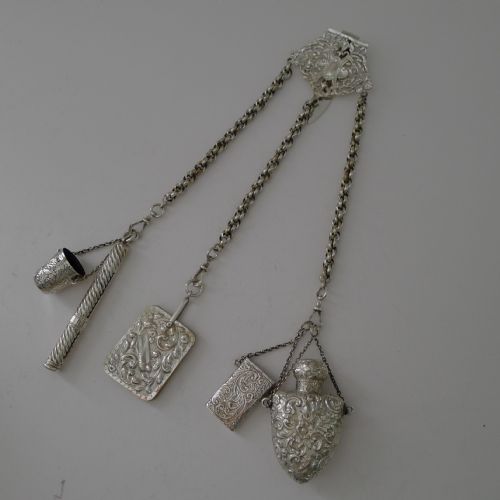
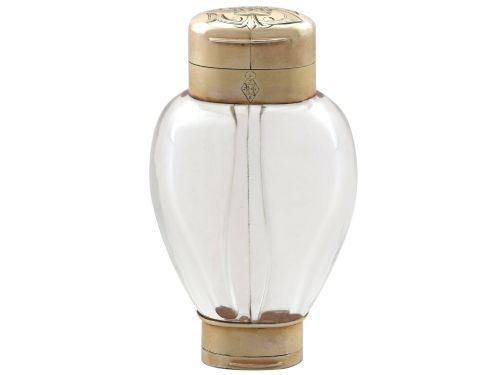
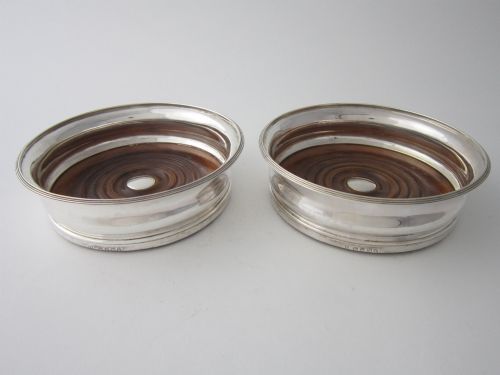
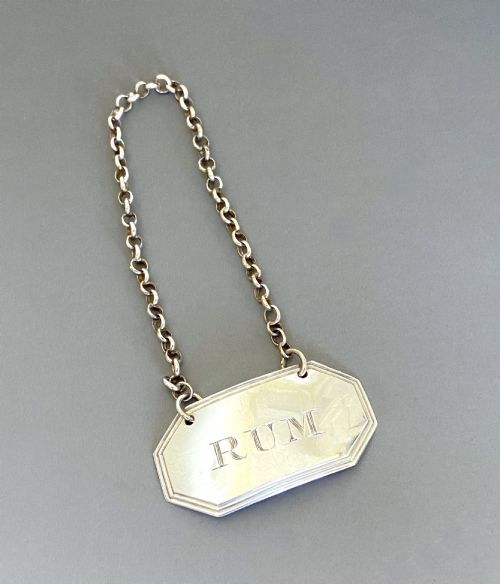
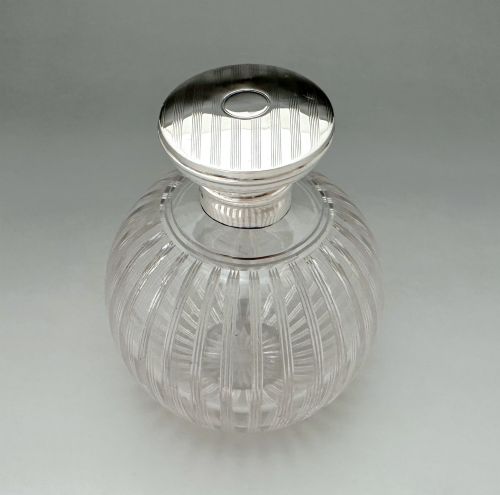
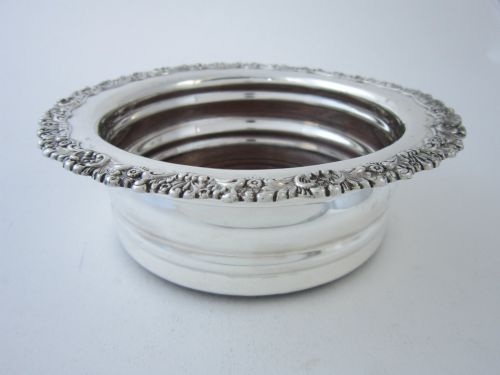
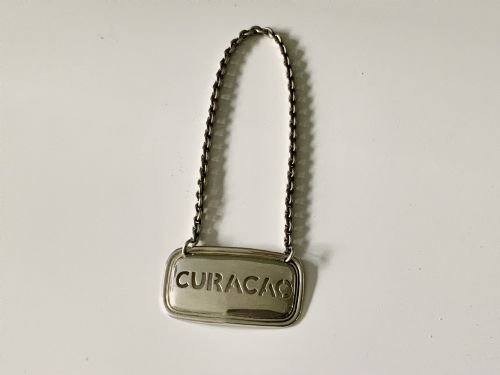
When searching for an antique sterling silver bottle, collectors encounter a diverse range of objects designed for personal adornment, dining, and hospitality. The selection encompasses diminutive scent and perfume bottles, vinaigrettes, table coasters, and various beverage labels.
The most frequent examples on this page date from the Georgian and Victorian eras through the Edwardian period and the 1920s. These pieces bridge the gap between utility and decorative art, utilising precious metal alongside glass, enamel, and leather.
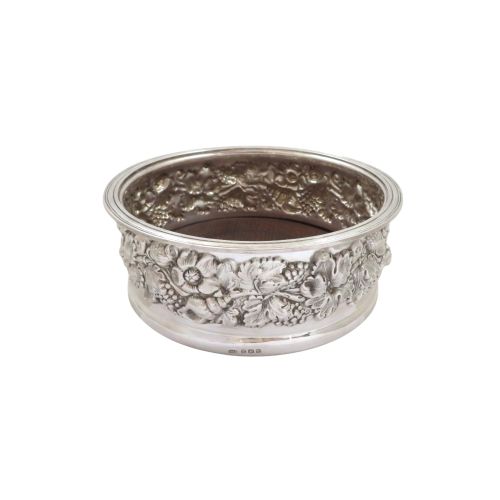
Personal vessels often feature hinged caps or screw tops, while dining accessories include wine bottle collars, frames, and inkstands. Each form reflects the specific domestic habits of its period, from carriage travel to formal dining rooms.
Materials and Construction
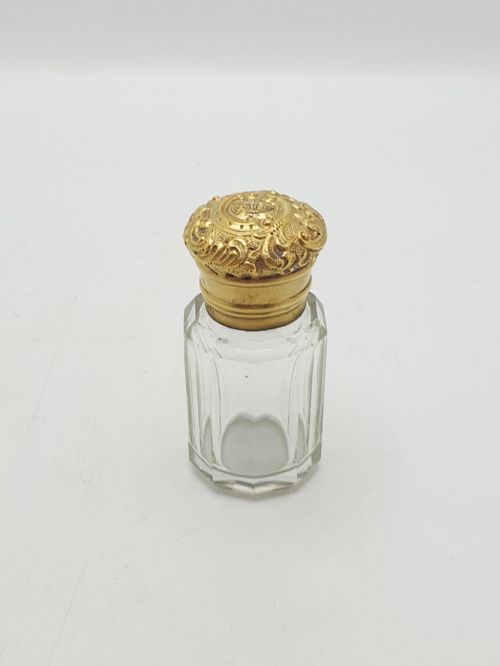
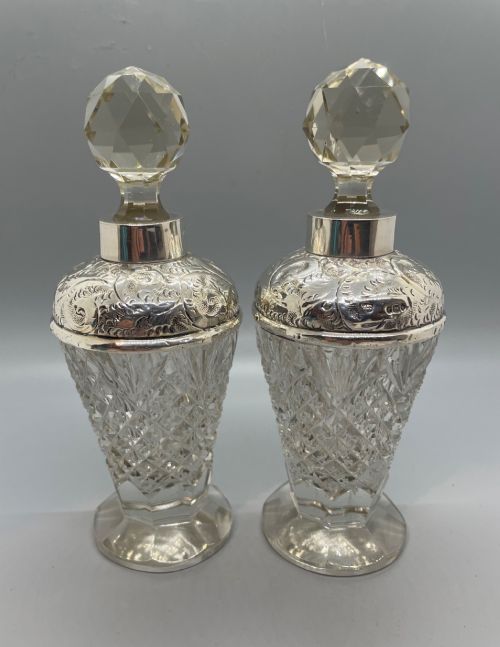
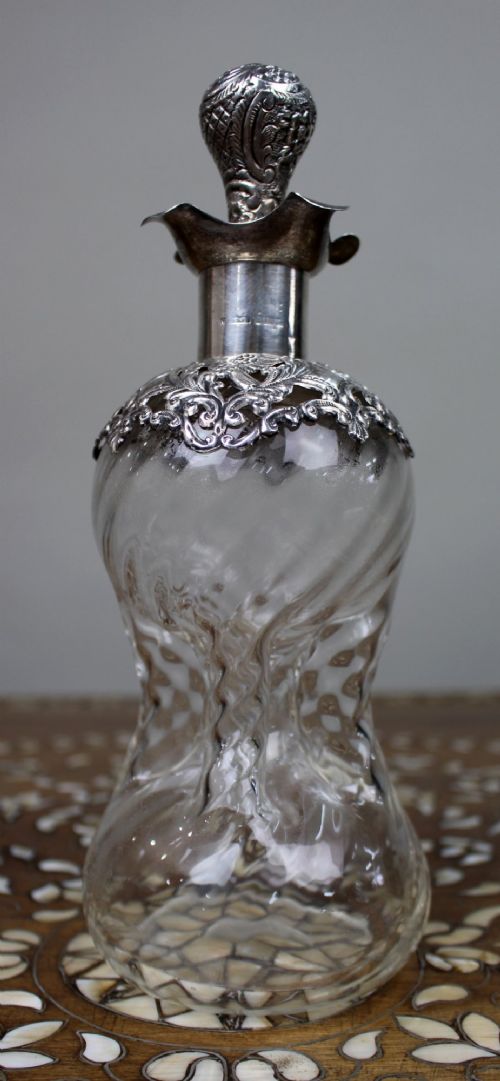
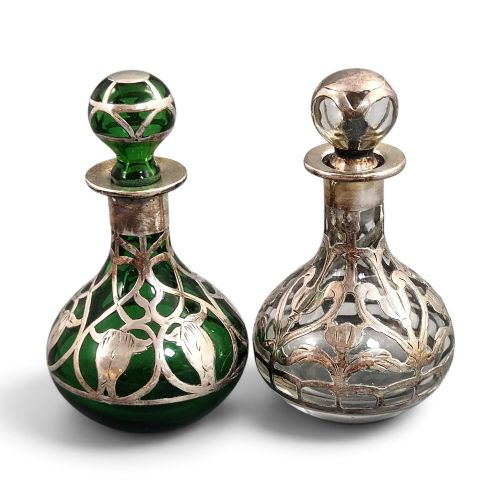
Makers combined solid sterling silver with blown, moulded, or heavily cut glass, utilising clear material alongside coloured variants such as cranberry, green, blue, and amethyst. Glass bodies frequently received silver mountings, collars, or intricate metal overlays depicting floral and organic motifs.
Silversmiths employed techniques including casting, repoussé, chasing, and piercing to shape the metal components. Internal stoppers, glass liners, and cork seals ensured the secure containment of liquids, perfumes, and condiments.
The listings span multiple centuries, uniting Georgian and Victorian tablewares with Edwardian glass scent flasks and twentieth-century barware.
Assessing Standard and Craftsmanship
Excellence in these items rests on the crispness of the silversmith's work, the weight of the metal, and the integration of glass and silver elements. Superior examples display sharply defined hallmarks, balanced proportions, and undamaged glass surfaces without internal clouding.
The distinction between standard commercial pieces and masterworks often lies in decorative depth, such as high-relief repoussé work, hand-engraved inscriptions, and the inclusion of original fitted cases or matching stoppers.
Elizabeth Morley·Horton & Allday·Digby Scott Benjamin Smith·Gorham·John Reily·Thomas Wallis II·Henry Perkins·Sampson Mordan·Edward Smith
The Antique Sterling Silver Bottle Glossary
- Hallmark
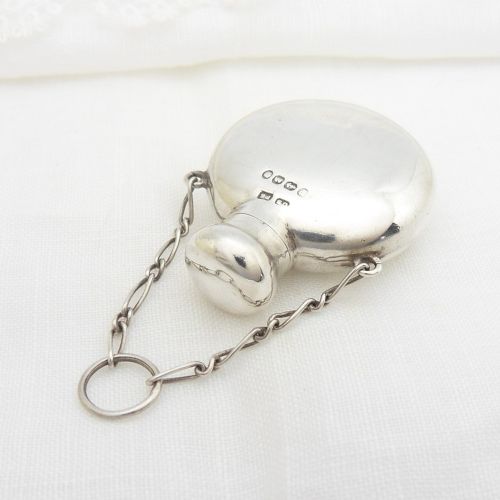
- Official stamps struck into precious metals to indicate the standard of silver, the assay office, and the date letter. These marks provide the primary evidence for dating an item.
- Vinaigrette
- A small ornamental box or bottle featuring a perforated internal grill, designed to hold a sponge soaked in aromatic vinegar. They gained popularity during the Georgian and Victorian periods.
- Repoussé
- A metalworking technique where the silversmith hammers the design from the reverse side to form a raised relief on the front. This method creates tactile, dimensional patterns on bottle bodies and caps.
- Decanter label
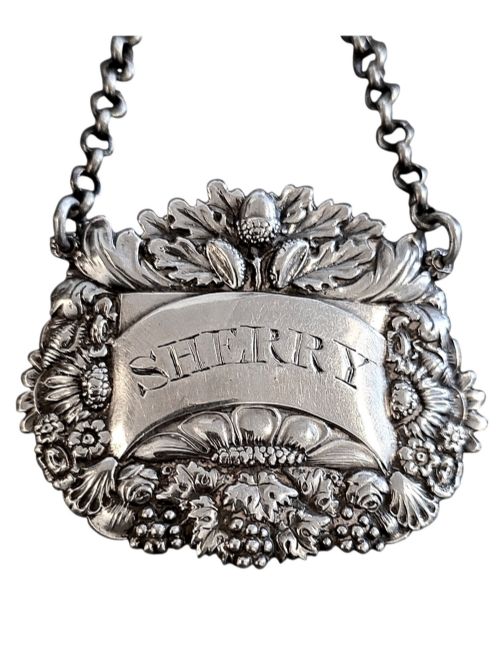
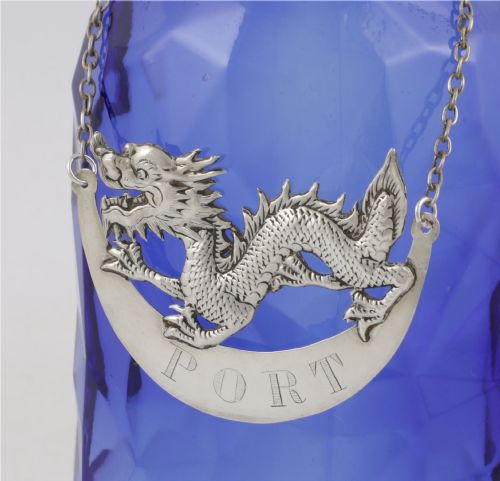
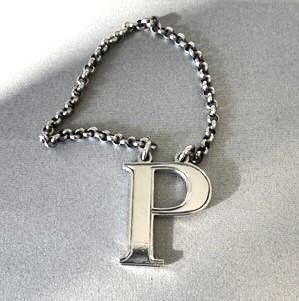
- A small silver tag suspended by a chain around the neck of a bottle or decanter to identify the contents, such as port, sherry, or madeira.
- Overlay
- A decorative exterior casing of pierced silver wrapped around a glass bottle or vessel. It protects the glass while providing intricate visual contrast.
Antique Sterling Silver Bottle: Frequently Asked Questions
How do I clean antique silver safely?
Use a soft microfiber cloth and a mild, non-abrasive silver polish formulated for antiques. Avoid vigorous rubbing on hallmarks and engraved areas to preserve the definition of the metalwork.
Keep polishing liquids away from glass-to-silver adhesive joints and interior linings to prevent damage to cork, silk, or leather components.
What is the difference between a scent bottle and a vinaigrette?
A scent bottle holds liquid perfume and usually relies on a ground glass stopper or a tightly sealed screw cap to prevent evaporation. They were carried in pockets or reticules for personal refreshment.
A vinaigrette is typically smaller and contains a pierced internal grille over a sponge soaked in pungent vinegar. This serves a distinct medicinal and deodorising purpose rather than holding perfumed liquid.
How are bottle dates determined?
Manufacturers stamped their pieces with official assay office hallmarks that include specific date letters corresponding to the year of testing. Additional clues come from the stylistic preferences of periods such as the Georgian, Victorian, and Edwardian eras.
Material combinations, cutting patterns on glass bodies, and construction methods also help establish the chronological context of unmarked or partially marked items.
Can these bottles still hold liquids today?
Many perfume flasks, decanters, and condiment bottles retain their original stoppers and functional seals, making them suitable for holding liquids with proper care. However, aged cork or degraded washers inside vintage caps may require professional restoration to ensure a leak-proof seal.
Fragile glass interiors or delicate silver overlays mean owners should handle active usage with caution, particularly regarding precious perfumes or staining liquids.