






Antique Sterling Shears
Antique sterling shears are specialised cutting implements designed for the table, bringing period craftsmanship and silver elegance to the serving of fruit.
Antique Sterling Shears
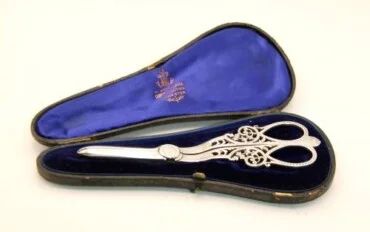
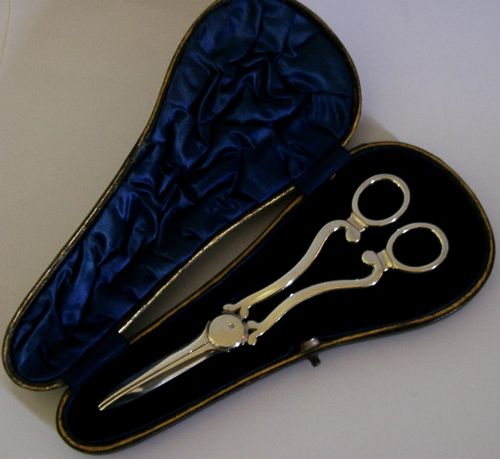
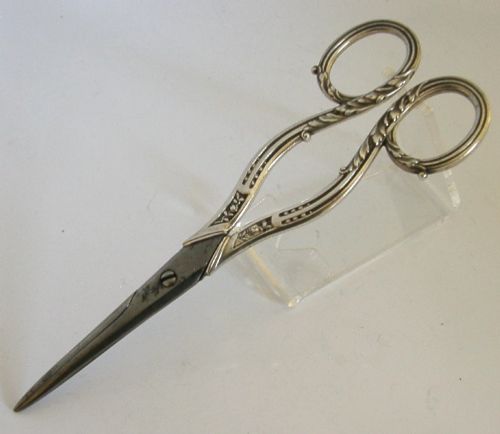
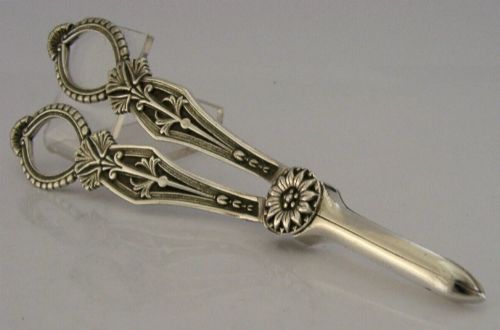
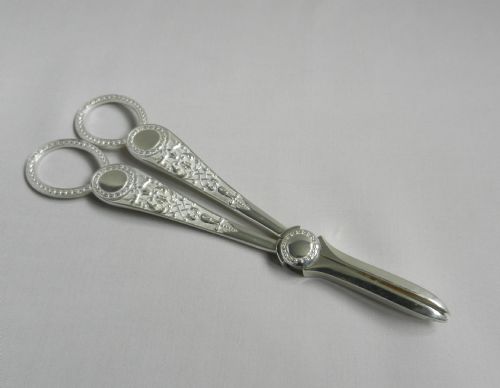
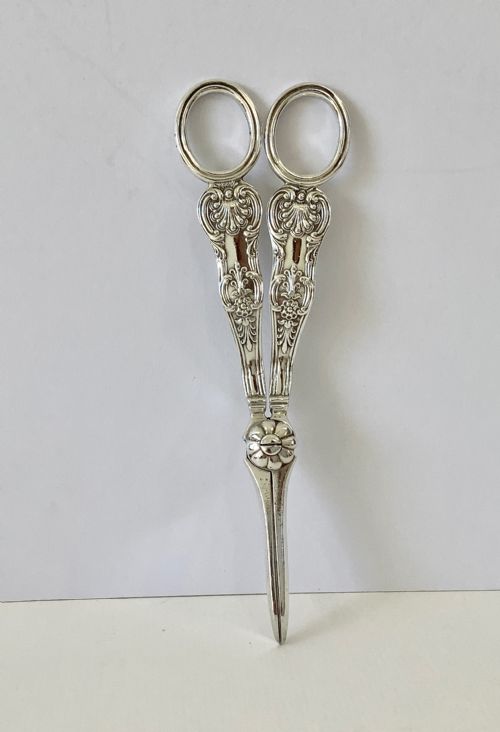
Antique sterling shears primarily take the form of grape scissors and grape shears, created to serve fruit cleanly at the dining table. These implements appear across the nineteenth and twentieth centuries, spanning the Victorian and Edwardian eras.
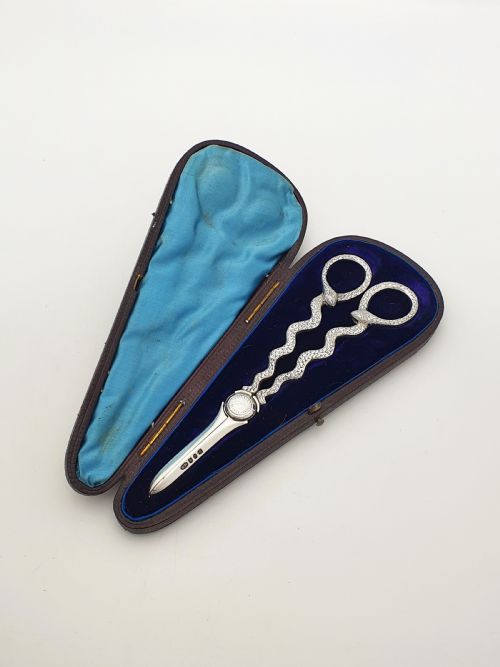
The selection includes boxed pairs complete with velvet, satin, silk, or leatherette linings, alongside unboxed examples. Forms range from standard cast silver designs to specific regional styles from England and France.
Makers and silversmiths utilised traditional forms, sometimes pairing the silver with steel blades or incorporating decorative motifs such as snake handles and grape vine ornamentation.
Distinctions in quality
The heaviness of the metal and the depth of the casting separate simpler production from superior work. Cast silver with detailed vine decoration or figural motifs reflects a higher standard of design and labour.
The presence of an original fitted case lined in silk or velvet enhances the completeness of a piece. Hallmarks indicating notable makers or specific English and French assay offices add documented provenance to the silver.
Antique Sterling Shears Retail Price Guide 2026
Typical asking prices for sterling shears among the pieces listed under this phrase on Sellingantiques today, from the lower quarter to the upper quarter. They describe what is for sale here now, not the wider market.
Some Victorian grape scissors feature twisting snake handles, bringing a startling touch of wildlife directly to the formal dining table.
Charles Reily and George Storer·Paul Storr·Chawner and Co·C.J. Vander
The Antique Sterling Shears Glossary
- Sterling silver
- A silver alloy containing 92.5 percent pure silver by mass, standard for quality tableware and decorative objects. This composition provides the necessary durability for functional items.
- Silver gilt
- Silver that has been coated with a thin layer of gold on its surface. This technique imparts a rich golden tone to the sterling base.
- Assay office
- An official body that tests the purity of precious metals and stamps items with hallmarks. Towns such as Sheffield and London housed prominent offices.
- Leatherette
- A simulated leather material utilised for the exterior of fitted presentation cases. It offers a protective housing for the shears.
- Cast silver
- Silver shaped by pouring molten metal into a mould to achieve dimensional forms and ornament. This technique enables complex handle designs like vines or snakes.
Antique Sterling Shears: Frequently Asked Questions
What are antique sterling shears used for?
Antique sterling shears are specifically designed for snipping clusters of grapes at the dining table. They allow diners to serve fruit neatly without handling individual stems.
Beyond functional dining use, these pieces served as decorative barware and formal table accessories during the nineteenth and twentieth centuries.
How do I identify Victorian grape scissors?
Victorian examples often feature ornate cast decoration such as grape vine motifs or figural snake handles. Hallmarks stamped on the metal indicate the assay office and date of manufacture.
Examining the style of decoration and consulting hallmark records helps place the piece within the nineteenth century.
How should I store boxed antique shears?
Store the shears within their original fitted case to protect the velvet, silk, or leatherette lining from dust and wear. Keep the case in a stable environment away from extreme humidity.
Regular, gentle care preserves both the silver metal and the delicate fabric interior of the presentation box.