

Antique Sterling Pin
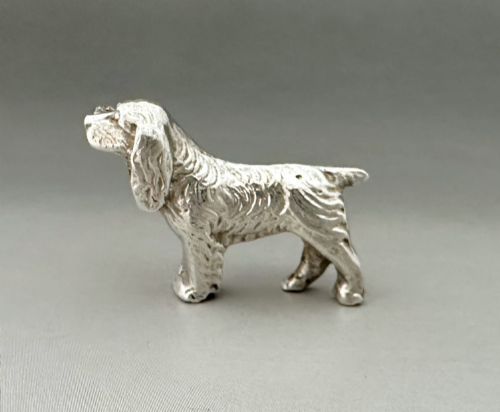
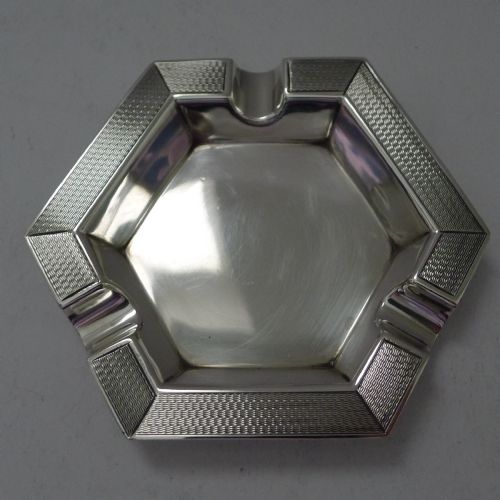
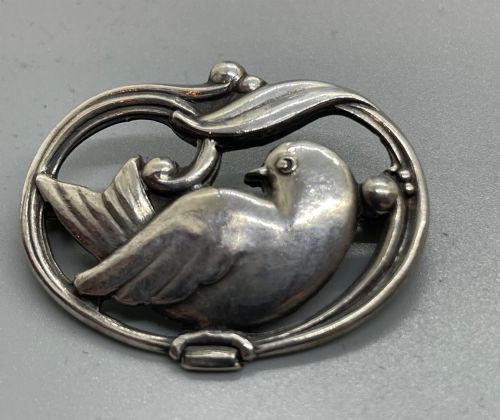
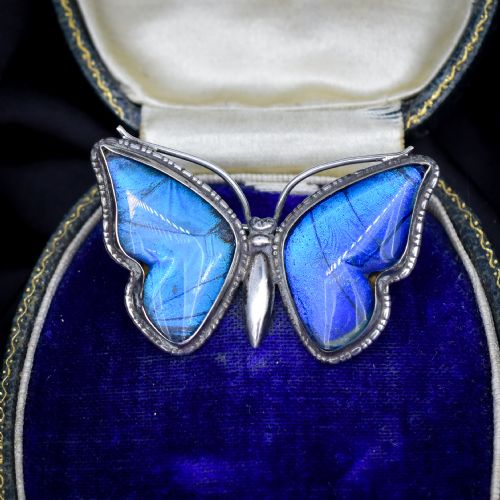
These items of antique sterling pin encompass novelty silver pin cushions, brooches and dishes spanning the Victorian, Edwardian and Art Deco periods.
Antique Sterling Pin
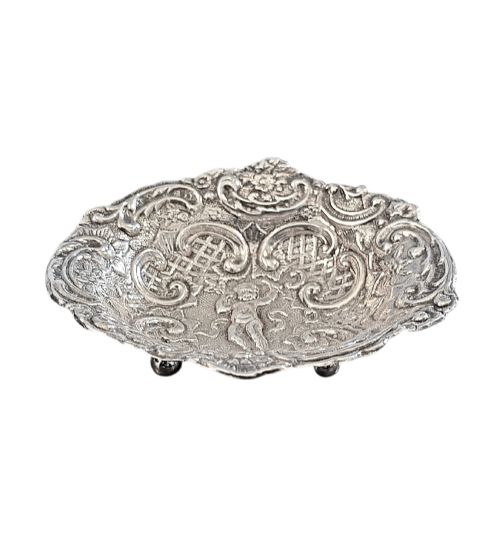
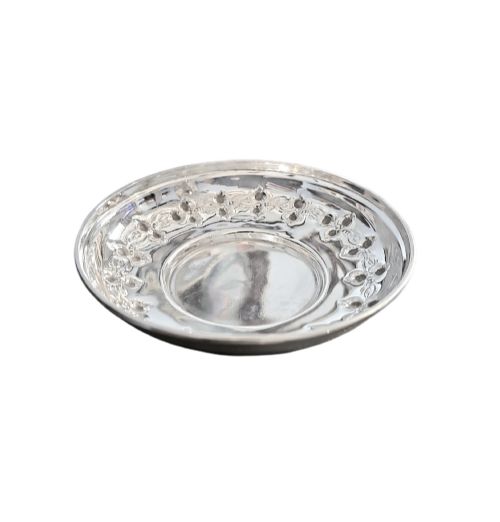
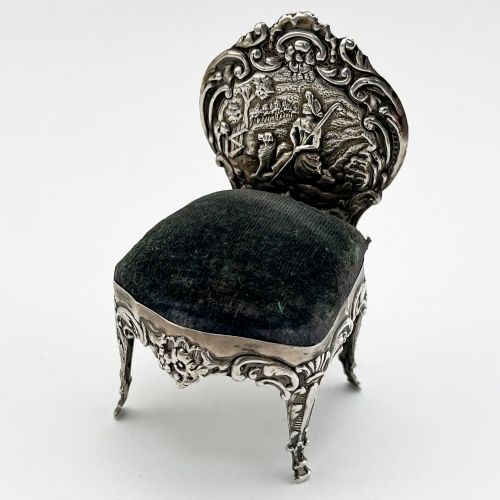
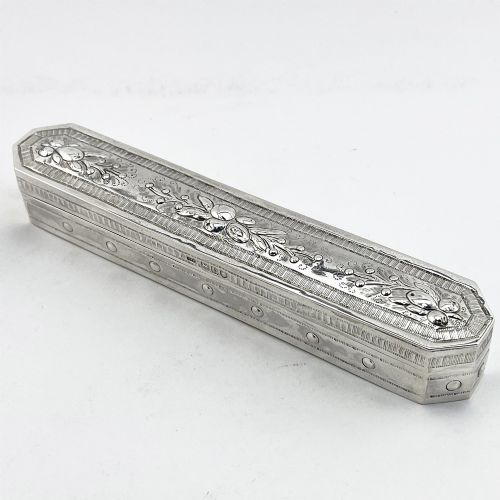
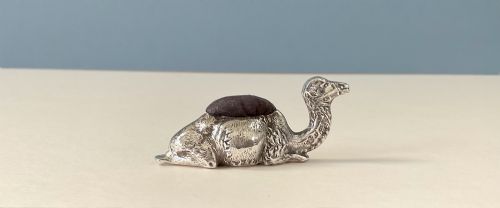
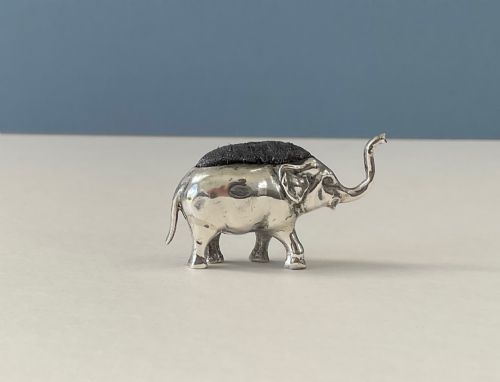
Buyers seeking an antique sterling pin encounter a diverse selection of small silver objects, predominantly figural pin cushions modelled as animals, boots and household items alongside brooches and dishes. The pieces span periods from the late nineteenth century through to the mid twentieth century, covering Victorian, Edwardian, Art Deco and Art Nouveau styles.
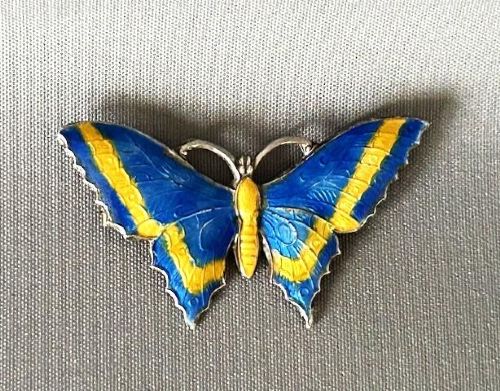
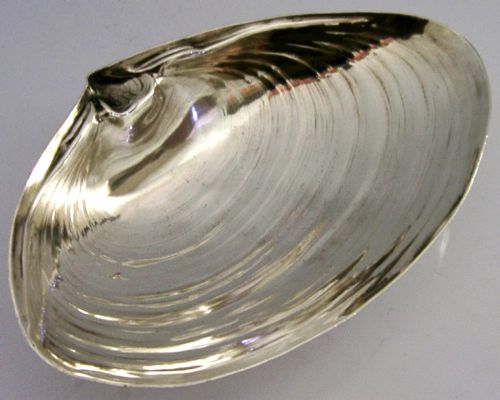
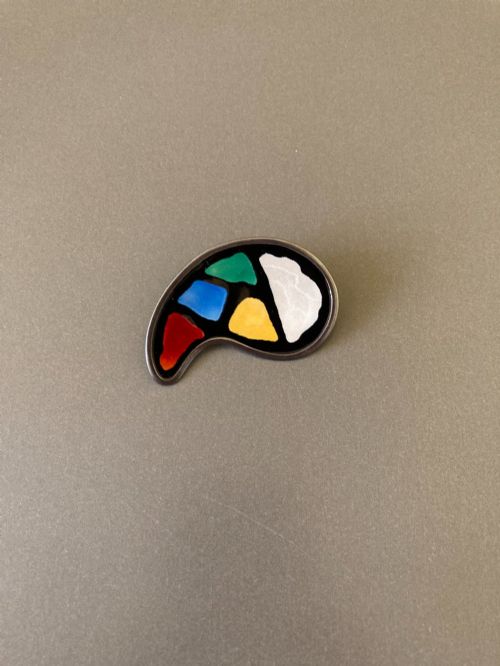
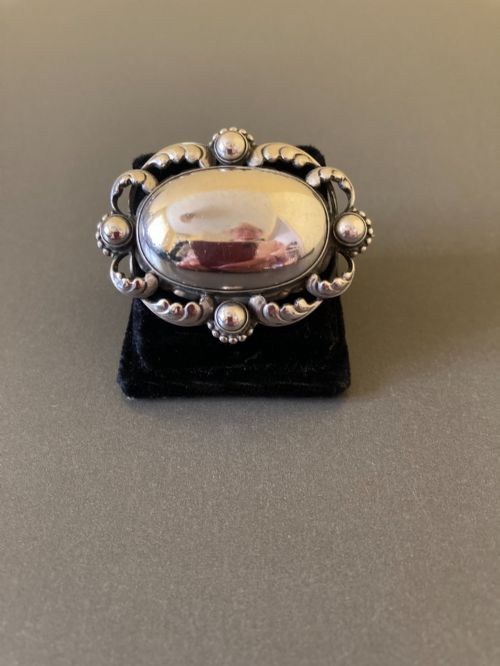
Novelty silver pin cushions dominate the category, taking whimsical shapes such as pigs, bulldogs, chairs, frogs, shoes and teapots. Alongside these, wearable brooches set with enamel, paste or butterfly wings appear frequently alongside small sterling silver dishes and trinket boxes.
Materials and methods of construction
The objects are constructed from solid sterling silver or silver gilt, often combined with textile inserts such as velvet or fabric for pin cushions. Makers utilised techniques including repoussé work, filigree, and hand chasing to shape the metal bodies.
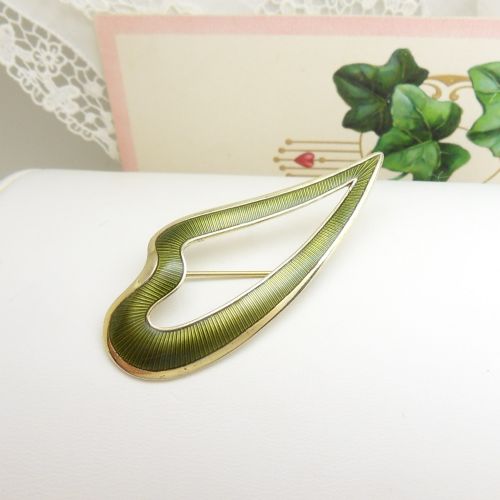
Vitreous enamel, guilloche enamel and butterfly wings provide colour and surface detail on brooches and decorative items. Makers marked pieces with hallmarks indicating assay offices, dates and maker's stamps.
Antique Sterling Pin Retail Price Guide 2026
Typical asking prices for sterling pin among the pieces listed under this phrase on Sellingantiques today, from the lower quarter to the upper quarter. They describe what is for sale here now, not the wider market.
Variations in quality and execution
The precision of applied enamel work and the clarity of maker's marks and town hallmarks influence the standing of an item. Wear to the silver surface or replacement elements alter the integrity of the piece.
William Aitken·Thomas Bradbury & Sons·A H Darby & Son·Adie & Lovekin·William Neale·Liberty & Co·Charles Horner·Robert Pringle & Sons
The Antique Sterling Pin Glossary
- Sterling silver
- A silver alloy containing 92.5 percent silver by mass, with the remainder consisting of copper or other metals. This standard provides the primary material for the items in this category.
- Pin cushion
- A small stuffed pad used for holding pins, frequently encased in elaborate silver novelty shapes during the Edwardian and Victorian eras. These range from common household objects to detailed animal figures.
- Repoussé
- A metalworking technique where a malleable metal is hammered from the reverse side to create a low relief design on the front. This method decorates many Edwardian trays and dishes.
- Guilloche enamel
- A decorative technique where a precise, intricate pattern is mechanically engraved into a metal surface and covered with translucent enamel. It appears frequently on early twentieth century brooches.
- Paste
- Hand cut glass or lead crystal used to imitate gemstones in antique jewellery. Old cut paste stones mimic the facets of period diamonds in pieces such as witches heart brooches.
Antique Sterling Pin: Frequently Asked Questions
What is an antique silver pin cushion?
These small decorative objects combine a silver container, often shaped as an animal or shoe, with a fabric pad designed to store sewing pins. Silversmiths produced them in large numbers during the Victorian and Edwardian periods.
They sat upon dressing tables or sewing desks, serving both a practical function and a decorative purpose in domestic interiors.
How do I date a sterling silver item?
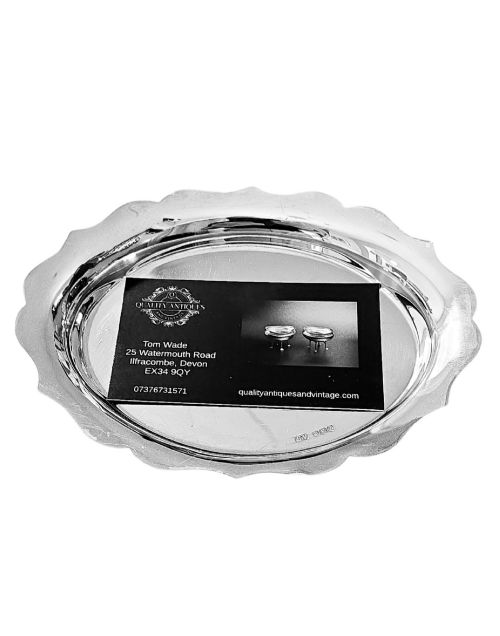
British sterling silver items feature hallmarks that record the assay office, the standard mark, and a date letter corresponding to the year of manufacture. Examining these stamped symbols allows for precise dating of the piece.
Additional clues come from the style of manufacture, the form of the object, and any registered design numbers stamped into the metal.
What styles are common in these silver pieces?
The inventory spans Victorian revival styles, ornate Edwardian rococo floral repoussé, and the geometric lines of Art Deco. Arts and Crafts items also appear alongside Chinese export silver.
Each period brought distinct aesthetic preferences, shifting from naturalistic animal models to stylised enamel work and clean architectural forms.
How should I care for antique silver?
Antique silver benefits from gentle cleaning with a soft cloth and proprietary silver polish formulated to preserve the metal without removing fine details. Avoiding harsh abras<bos>456 abrasive materials protects engraved surfaces and delicate repoussé relief.
For pieces containing fabric pin cushions or enamel, care must be taken to keep moisture away from the textile and vulnerable glass or enamel insets.