



Antique Sterling Pillbox
An antique sterling pillbox is a small, precious container for carrying remedies, offering a tangible link to personal care of past centuries.
Antique Sterling Pillbox
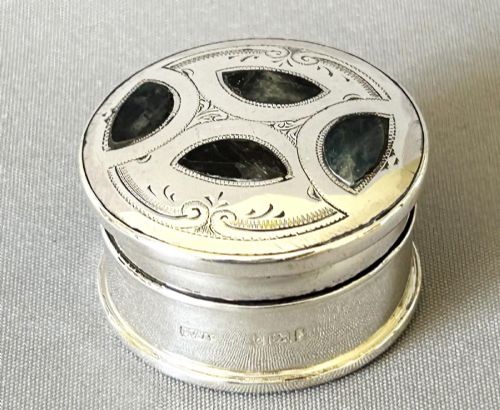
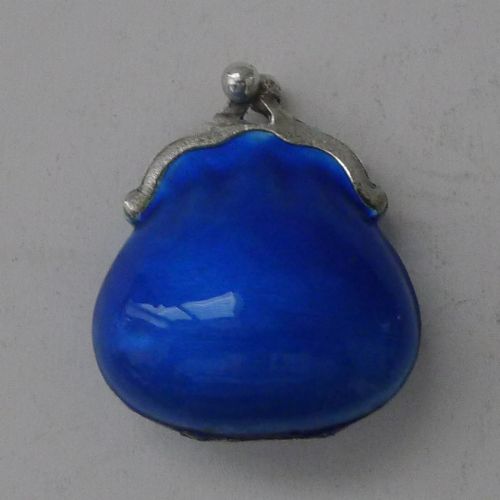
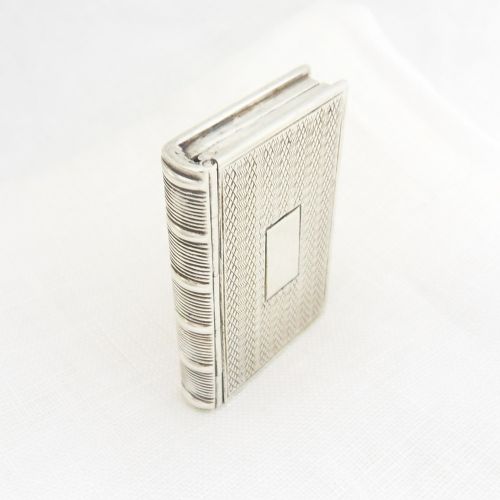
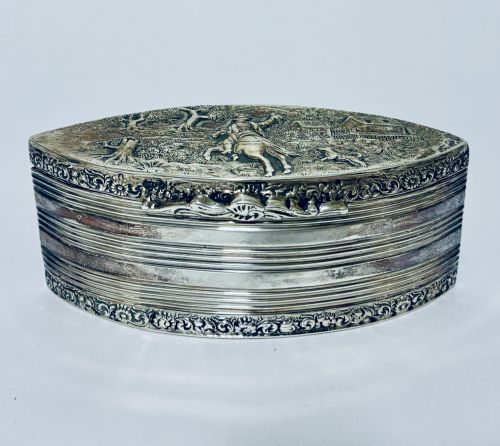
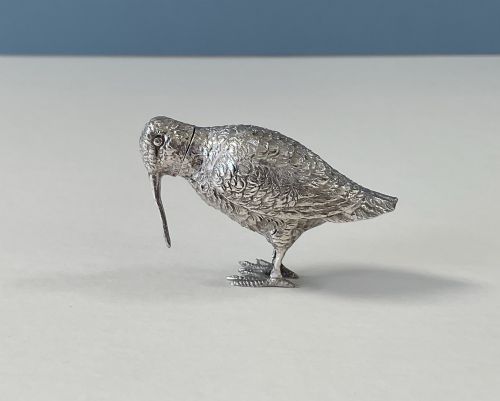
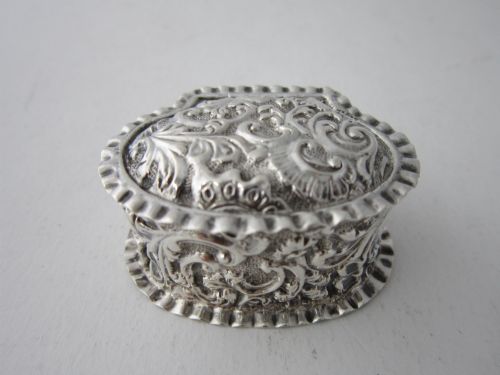
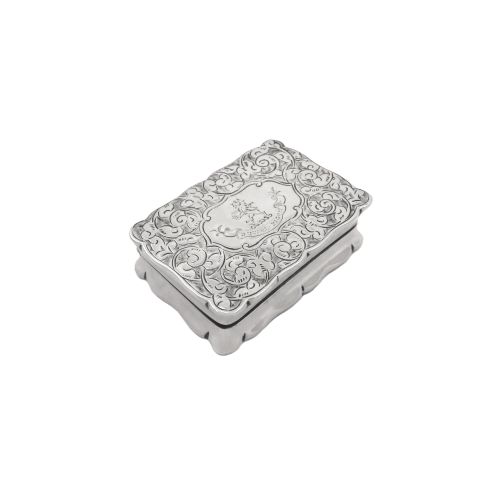
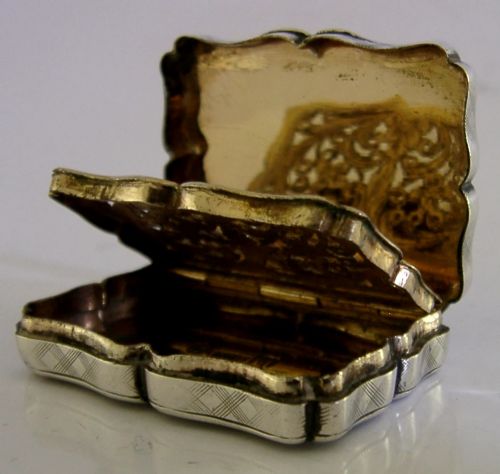
When you search for an antique sterling pillbox, you encounter small silver vessels designed for personal use across the Georgian, Victorian, and Edwardian eras. These miniature containers take forms such as simple pill boxes, novelty shapes like animals, and hinged receptacles with integrated gilt interiors.
The pieces listed on this page span several decades, ranging from nineteenth-century vinaigrettes and snuff boxes to mid-twentieth-century designs. Most examples originate from British silversmiths working in Birmingham or London, though continental and French items also appear.
Collectors generally find that these pocket-sized items were utilised for carrying medicines, dried herbs, or snuff rather than merely sitting on a dressing table. Their survival in sterling silver or vermeil reflects the high regard in which their original owners held them.
Materials and construction
Makers fashioned these pieces primarily from sterling silver, frequently applying gold gilding or vermeil to the interior surfaces to protect the metal from corrosive contents like vinegar or salts. Certain examples incorporate gemstones such as amethyst or feature inset coins.
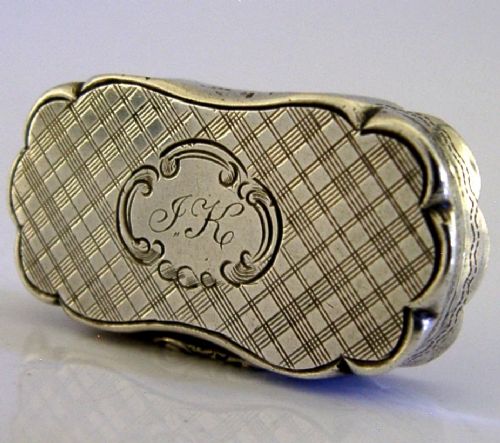
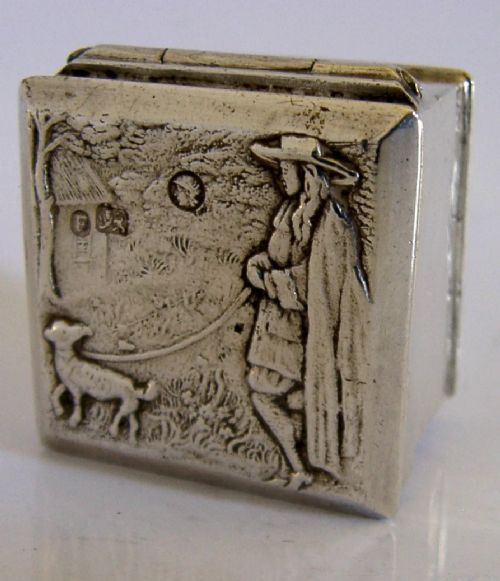
Construction techniques include die-stamping, hand-engraving, and chasing, which allowed silversmiths to create intricate patterns, book shapes, and figural novelties. Hinges and catches were fitted with precision to ensure a secure closure for pocket use.
Antique Sterling Pillbox Retail Price Guide 2026
Typical asking prices for sterling pillbox among the pieces listed under this phrase on Sellingantiques today, from the lower quarter to the upper quarter. They describe what is for sale here now, not the wider market.
Materials recorded on this page include sterling silver, gold gilding, vermeil, and amethyst.
Distinctions in quality
The division between standard items and superior examples lies in the crispness of the chased decoration and the ingenuity of the form, such as novelty bird shapes or book-form vinaigrettes. Maker attribution heavily influences desirability, with pieces bearing marks from known workshops commanding particular attention.
The condition of the interior gilding and the snugness of the hinge mechanism also determine the overall merit of a piece. Finer examples retain sharp hallmarks and deep, hand-cut engraving rather than worn surfaces.
Taylor and Perry·Nathaniel Mills·Hermes Paris·Asprey
The Antique Sterling Pillbox Glossary
- Vinaigrette
- A small hinged box containing a perforated inner grill, designed to hold a sponge soaked in aromatic vinegar. These were carried to counteract unpleasant odours in public spaces.
- Sterling silver
- An alloy consisting of ninety-two point five percent silver and seven point five percent other metals, usually copper. This standard has been used by British silversmiths for centuries.
- Vermeil
- Sterling silver that has been plated with a thin layer of gold. This technique was frequently utilised inside vinaigrettes to prevent the silver from tarnishing.
- Snuff box
- A small pocket container used for holding finely ground tobacco. They date back to periods when snuff-taking was a widespread social habit.
- Hallmark
- A series of official marks stamped on precious metals indicating the standard of purity, the assay office, the maker, and the year of production.
Antique Sterling Pillbox: Frequently Asked Questions
How were vinaigrettes used?
Vinaigrettes were used to hold a small sponge soaked in vinegar infused with camphor or aromatics. Owners would open the pierced inner grill to inhale the scent when feeling faint.
They served a practical health function in crowded or unsanitary environments during the eighteenth and nineteenth centuries. Today, they are collected as a specialised subcategory of silver boxes.
How do I date a silver pill box?
Dating a silver pill box relies primarily on the assay office hallmarks stamped into the metal. These marks typically include a date letter, a sterling standard mark, and a maker's mark.
Comparing the style, such as Art Deco geometric lines or Victorian floral chasing, also helps confirm the period. Reference books match the date letters to specific years of production.
How do I care for antique silver?
Care for antique silver involves minimal cleaning using a soft cloth to preserve the natural patina and delicate engraving. Avoid harsh chemical dips that can strip away the original finish or damage interior gilding.
Store the boxes in a dry environment away from direct sunlight and excessive humidity. Handling them gently ensures the tiny hinges and catches remain secure.