

Antique Sterling Photograph Frame
When you handle an antique sterling photograph frame, you hold a tangible piece of domestic history shaped by Victorian, Edwardian, and Art Deco silversmiths.
Antique Sterling Photograph Frame
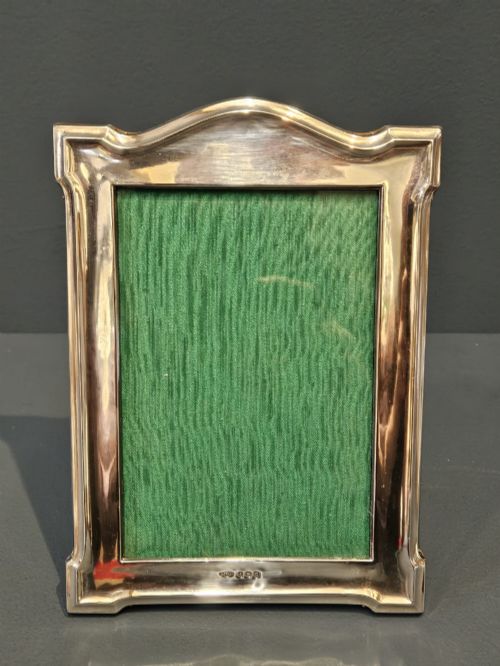
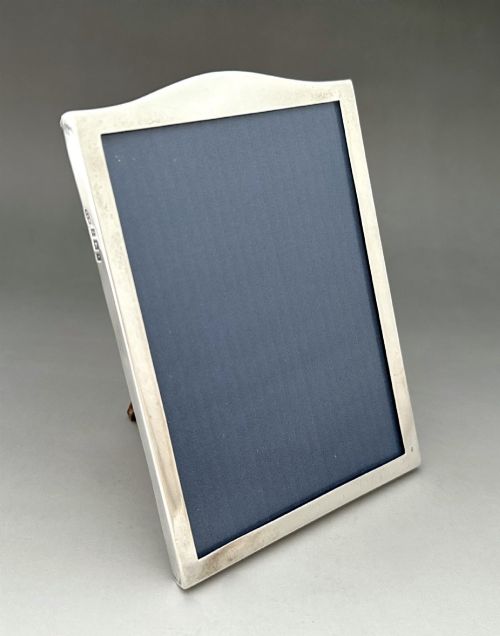
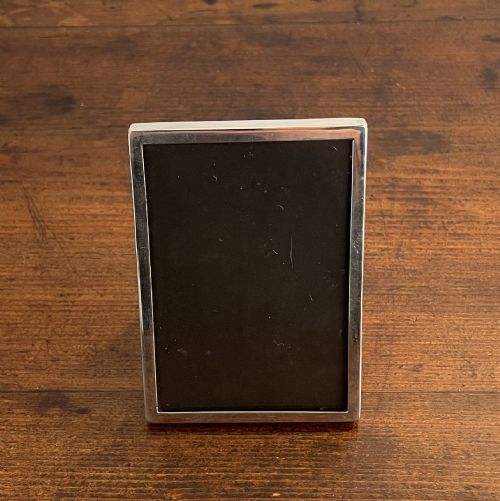
An antique sterling photograph frame is a decorative domestic accessory designed to display portrait and landscape pictures on desks, mantels, and tables. These pieces span production from the late Victorian and Edwardian eras through the George V period and into Art Deco designs.
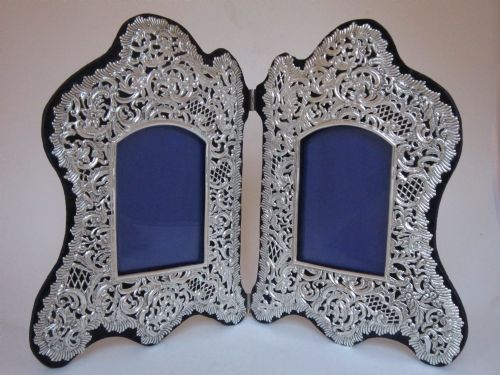
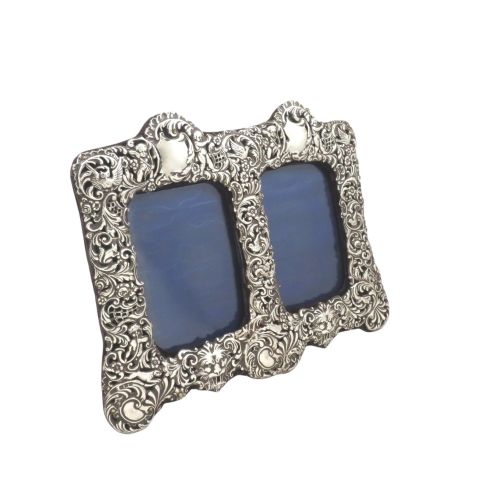
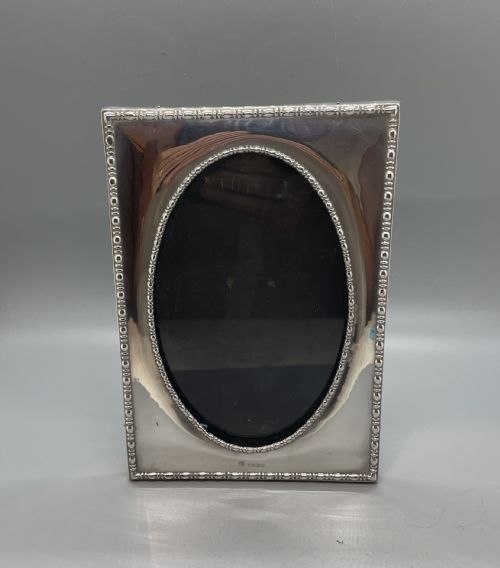
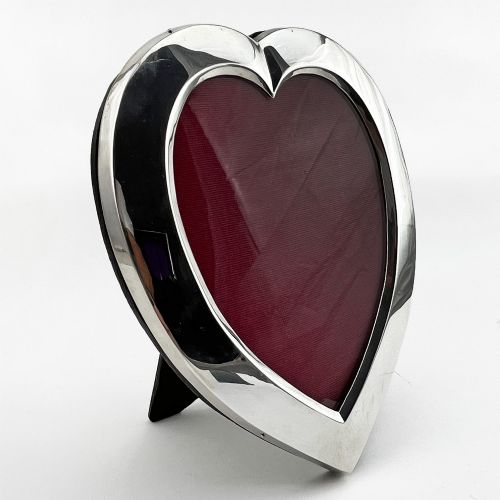
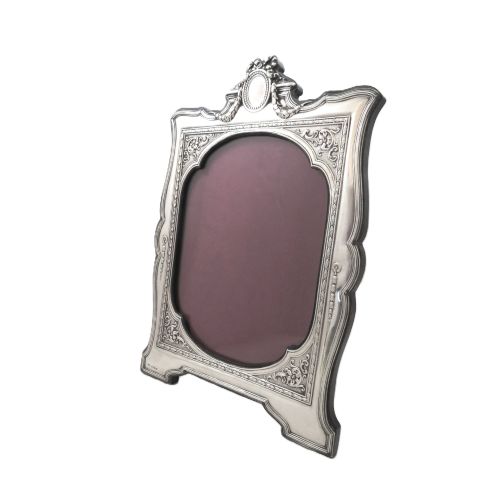
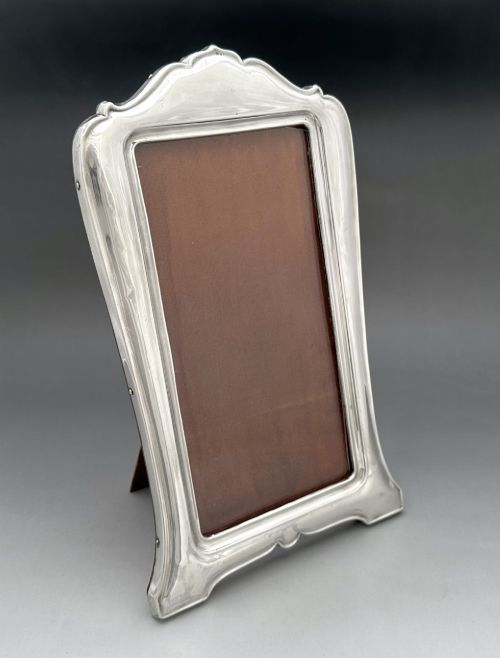
The most common examples on this page are single upright rectangular or oval frames, frequently accompanied by heart-shaped variants and double-hinged pairs. They combine sterling silver mounts with functional wooden or fabric-backed supports.
Originating predominantly from English assay offices in cities such as Birmingham, Sheffield, and Chester, these items reflect the changing domestic interior tastes across the turn of the twentieth century.
How They Were Made
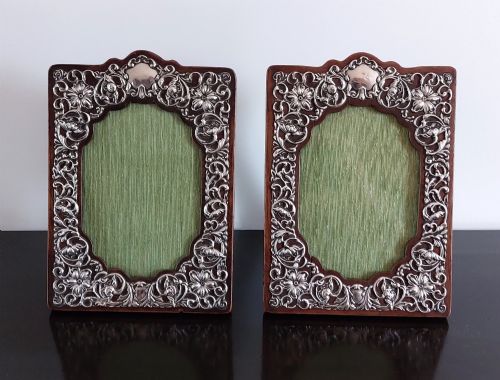
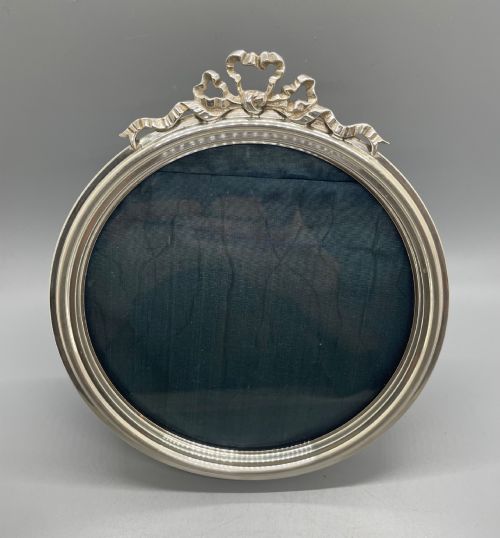
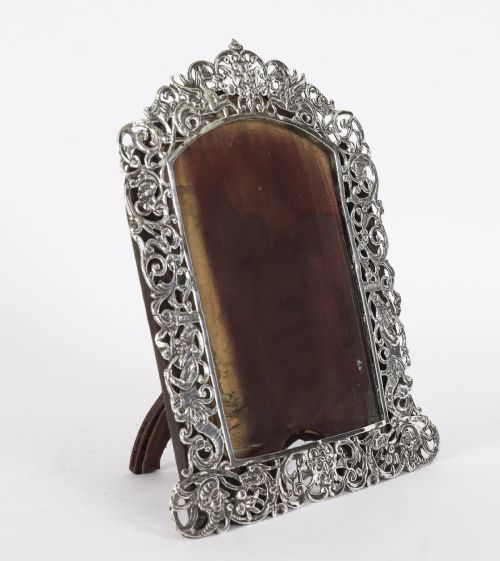
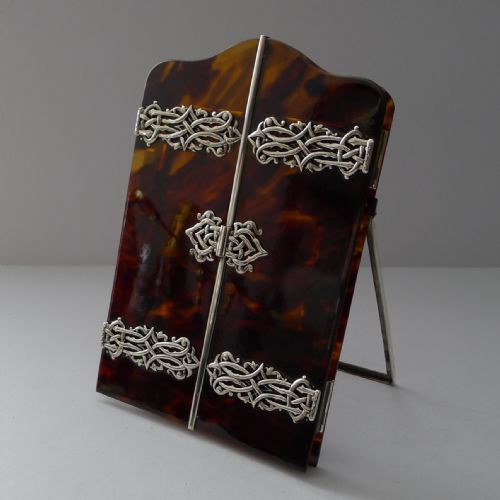
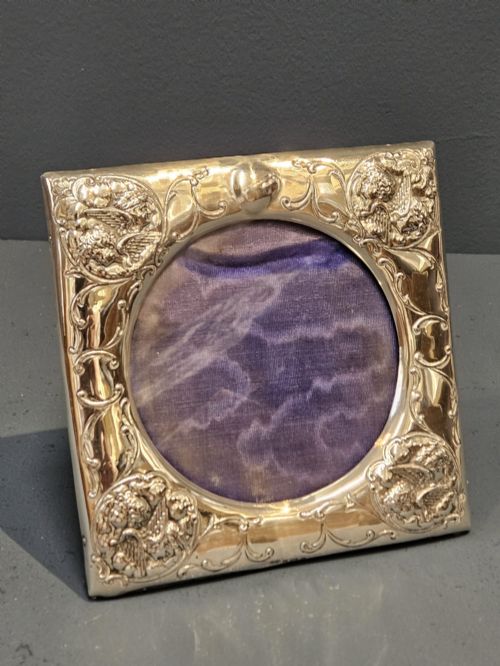
Silversmiths constructed the outer face of an antique sterling photograph frame by stamping, embossing, or piercing sheet sterling silver, often incorporating intricate motifs like cherubs, ribbons, and floral garlands. Some examples feature engine-turned geometric patterns or applied tortoiseshell panels.
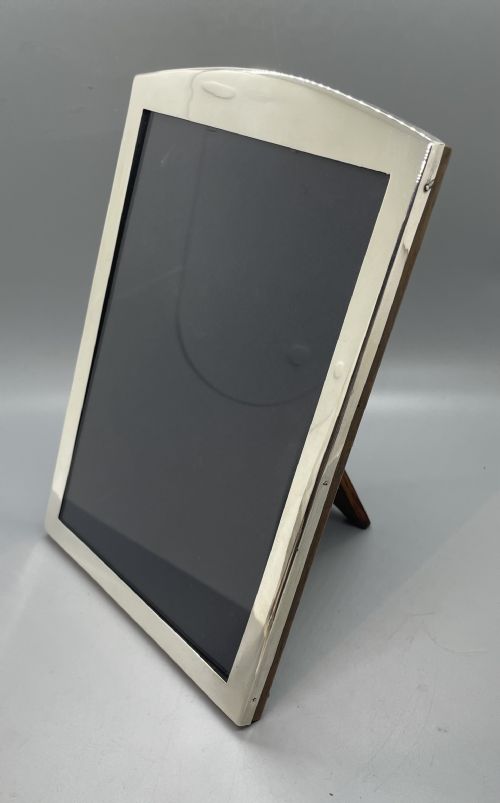
The silver front is mounted onto a rigid backing framework typically constructed from wood, oak, or fabric-covered cardboard, secured by easel stands or swivel clips to allow two-way display. Protective glass plates sit directly behind the silver aperture to shield the photograph.
Antique Sterling Photograph Frame Retail Price Guide 2026
Typical asking prices for sterling photograph frame among the pieces listed under this phrase on Sellingantiques today, from the lower quarter to the upper quarter. They describe what is for sale here now, not the wider market.
Listings feature sterling silver photograph frames spanning the Victorian, Edwardian, George V, and Art Deco periods, incorporating wood, glass, velvet, and tortoiseshell.
What Varies in Quality
The distinction between standard production and superior work rests largely on the depth of the metal stamping, the complexity of hand-chasing, and the integrity of structural joins. Heavier gauge sterling silver resists bending and maintains crisp detail across embossed elements such as cherubs, angels, or botanical scrolls.
Quality also shows in the retention of original backing materials and structural hardware, including intact wooden struts, original glass, and functioning silver swivel pins. Maker attribution to notable silversmiths elevates the standing of an individual piece within its period.
Rosenthal Jacob And Co·William Comyns·Mappin Bros·Henry Matthews·Walker And Hall·Syner And Beddoes
The Antique Sterling Photograph Frame Glossary
- Sterling silver
- A silver alloy containing 92.5 percent pure silver and 7.5 percent other metals, usually copper, chosen for durability in decorative objects. This standard is marked by the lion passant on English silver.
- Hallmark
- An official stamp applied by an assay office indicating the metal standard, the city of testing, and the date letter for the year of manufacture. These marks provide the primary evidence for dating an antique frame.
- Engine-turned
- A decorative technique involving precise geometric patterns mechanically engraved into the metal surface using a rose engine lathe. This finish creates a light-reflecting texture popular on Edwardian and Art Deco silver.
- Embossing
- The process of raising a design in relief from the reverse side of the silver sheet using hammers and punches. This method allowed makers to create three-dimensional motifs like flowers, ribbons, and figures.
- Easel back
- A hinged wooden or fabric-covered support attached to the rear of the frame allowing it to stand upright on a flat surface. Many antique frames feature two-way backs suitable for portrait or landscape orientation.
Antique Sterling Photograph Frame: Frequently Asked Questions
How do I date my silver frame?
Dating relies upon reading the hallmarks stamped into the silver border, which typically include a maker's mark, a lion passant for sterling, an assay office symbol, and a specific date letter. Comparing these stamps against regional assay records reveals the exact year the item was tested and certified.
Stylistic cues such as Art Nouveau whiplash lines or heavy Victorian floral embossing provide a secondary visual guide to the manufacturing period.
Can these frames hold modern photos?
Most antique frames accommodate standard photographic prints, though apertures often follow nineteenth or early twentieth-century sizing conventions rather than modern metric photo dimensions. Inserting a picture usually requires sliding or unlatching the original wooden or velvet-covered backing board.
Care should be taken when handling older glass plates and delicate silver bezels to avoid bending the metal surround during the process.
How should I clean the silver?
Maintenance requires gentle cleaning with a specialised silver cloth to remove tarnish without abrading the raised relief work or damaging adjacent wooden and velvet backing materials. Liquid dips should be avoided, as chemical immersion can strip oxidized antiquing applied by the maker to highlight recessed details.
Regular light dusting preserves the polished finish of the sterling surface effectively over time.
What is a two-way frame?
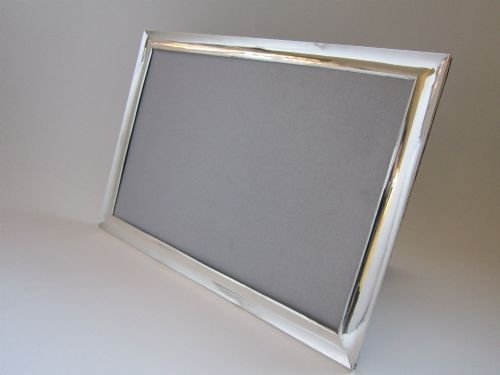
A two-way frame incorporates a hinged easel support or rotating clip mechanism that permits the object to rest in either a portrait or a landscape orientation. This versatility was particularly popular for rectangular desk frames produced during the Edwardian period.
The structural hardware on these pieces allows the backing board to rotate or reposition securely without stressing the silver mount.