
Antique Sterling Novelty
These antique sterling novelty pieces transform everyday objects and animals into functional silver wonders that delight collectors with their clever humour.
Antique Sterling Novelty
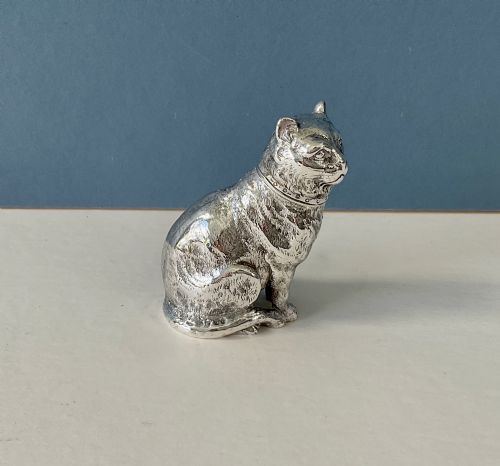
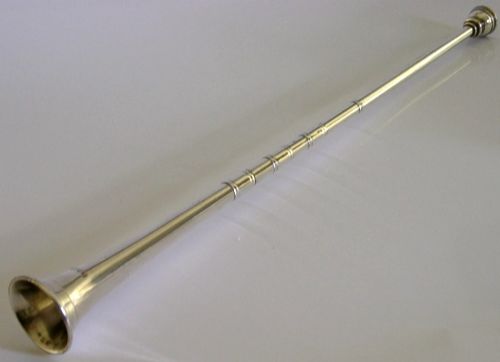
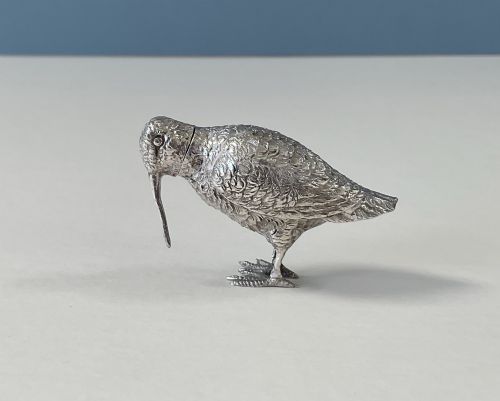
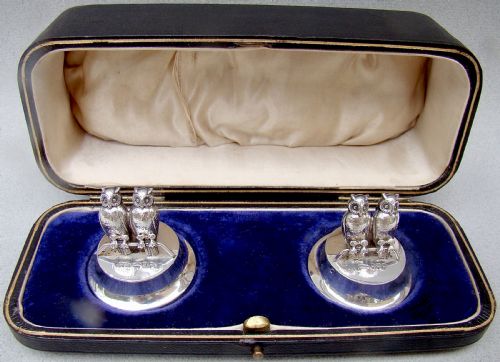
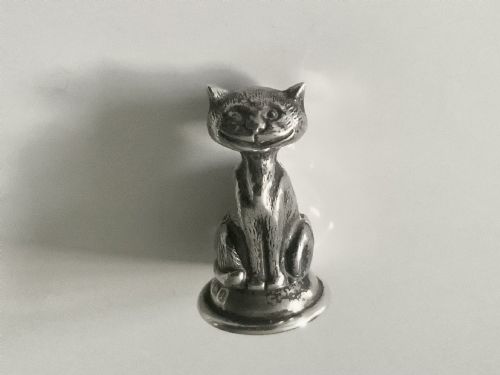
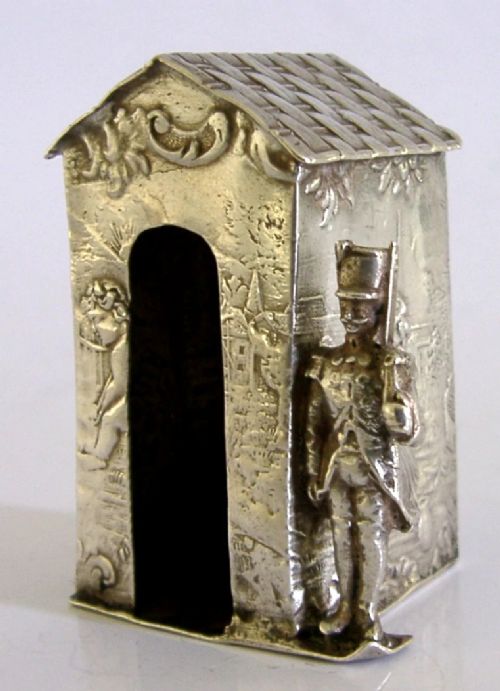
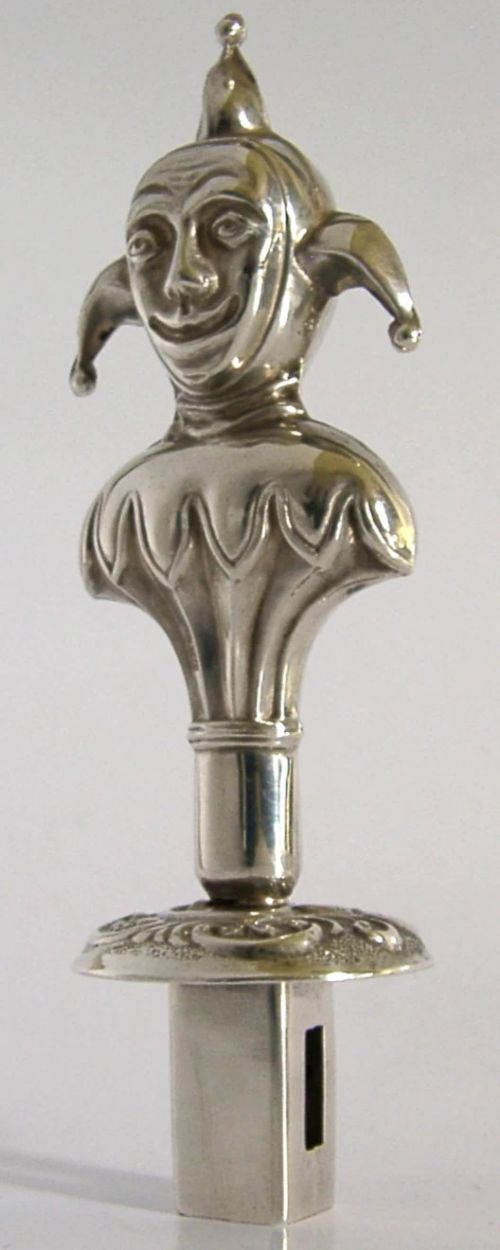
Most pieces date from the Victorian and Edwardian eras, spanning the late nineteenth and early twentieth centuries. Common zoomorphic forms include pigs, bears, dogs, birds, and swans, alongside human figures like jesters and soldiers.
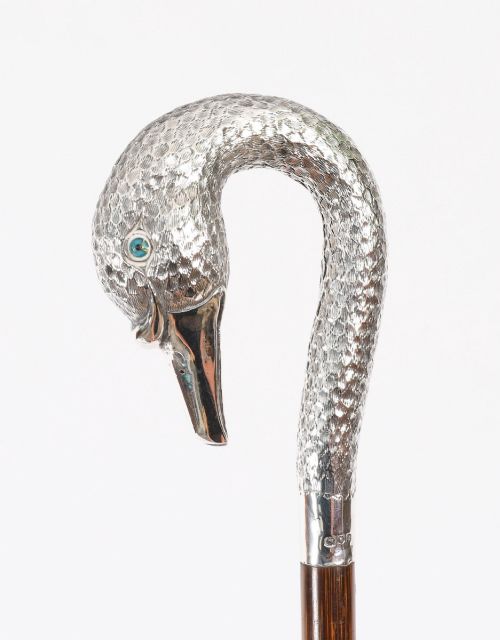
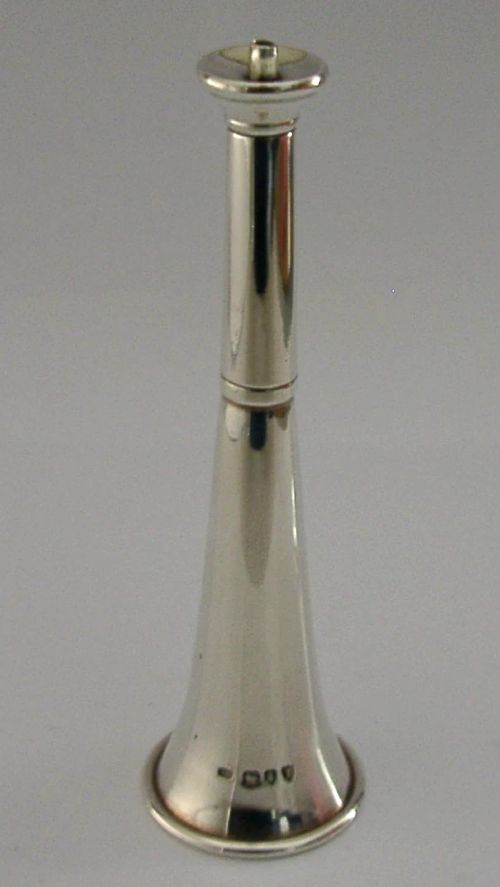
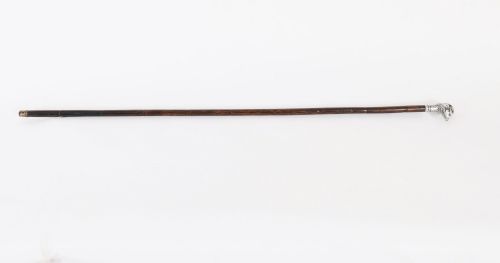
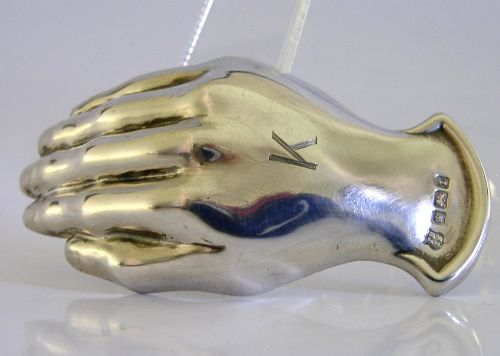
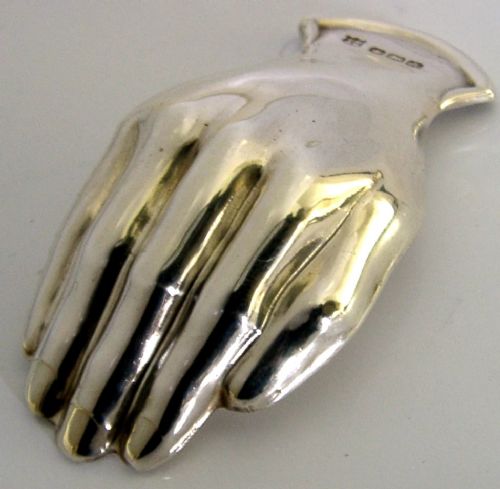
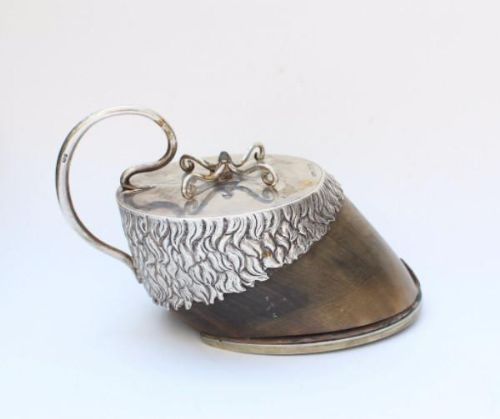
Collectors encounter smaller portable pieces such as vesta cases, bookmarks, pill boxes, and walking stick handles. These functional items reflect a Victorian and Edwardian appetite for wit and ingenuity in domestic silver.
What Varies in Quality
Quality rests upon the crispness of the chased detail and the naturalism of the animal or figural form. Superior examples capture anatomical accuracy and expression without losing the structural integrity of the functional object.
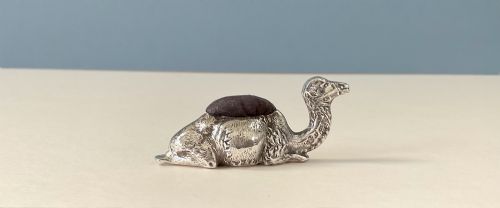
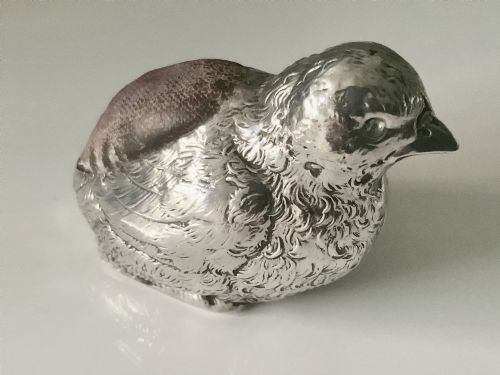
The survival of original components, such as the coloured velvet within pin cushions or the glass liners in mustard pots, elevates a piece. Maker attribution to notable workshops also distinguishes finer productions from standard commercial wares.
The inventory spans Victorian, Edwardian, and George V periods, incorporating materials such as hardwood, glass, velvet, and sterling silver.
Sampson Mordan·Levi & Salaman·Adie & Lovekin·Frederick Brasted·Dee & Fargus·Grey & Co·Wallace
The Antique Sterling Novelty Glossary
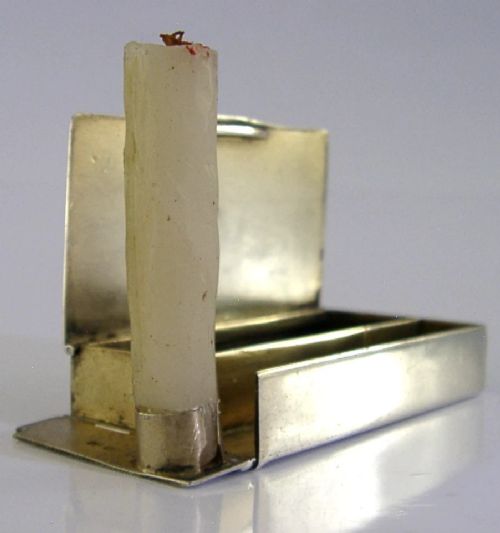
- Vesta case
- A small pocket box designed to hold matches, often fitted with a striking surface on the base. These containers frequently took geometric or novelty shapes.
- Pin cushion
- A padded sewing accessory upholstered in fabric or velvet, mounted inside silver animal or object models. Pigs, elephants, and miniature shoes were popular subjects for this form.
- Hallmark
- An official stamp struck into precious metals to guarantee purity, originating from designated assay offices. These marks identify the maker, town, and year of creation.
- Chasing
- A metalworking technique where the smith depresses the surface with punches to create raised decorative designs and textures. This method brought fine detail to animal fur and feathered wings.
- Vinaigrette
- A small ornamental box containing a perforated inner grille soaked in aromatic vinegar. Victorians carried these containers to ward off unpleasant odours.
Antique Sterling Novelty: Frequently Asked Questions
What were novelty silver items used for?
Victorian and Edwardian households used these clever silver pieces for everyday tasks like lighting cigars, holding place cards, marking book pages, and storing pins. Their humorous designs brought entertainment to domestic routines and social gatherings.
Craftsmen turned mundane objects into animals, figures, and miniature artefacts that functioned as practical accessories on desks, dining tables, and dressing rooms.
How can I date my novelty silver?
British silver bears hallmarks that indicate the assay office, standard of purity, and exact year of manufacture through a designated date letter. Stamped maker marks further identify the silversmith or workshop responsible for the piece.
Stylistic cues such as Edwardian elegance or Victorian ornamentation also help narrow down the production period when hallmarks are rubbed or absent.
Why are animal shapes so common?
Victorian and Edwardian culture embraced a fascination with natural history, pets, and lighthearted humour. Silversmiths capitalised on this by modeling functional items like pepper pots and pin cushions after familiar creatures.
Animals allowed makers to combine intricate chased textures with amusing poses, creating conversation pieces for dining tables and drawing rooms.
Are these pieces fragile?
While solid sterling silver is durable, many novelty items feature delicate mechanisms, hinged lids, or protruding elements like walking stick handles and thin legs. Careful handling prevents strain on joints and delicate chased surfaces.
Original textiles like velvet pin cushion pads require gentle treatment to preserve the integrity of the antique materials.