





Antique Sterling Jar
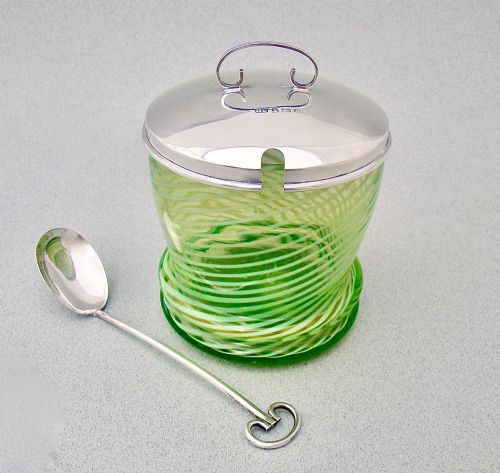
An antique sterling jar brings functional elegance to a dressing table or tea service, combining silverwork with glass or ceramic.
Antique Sterling Jar
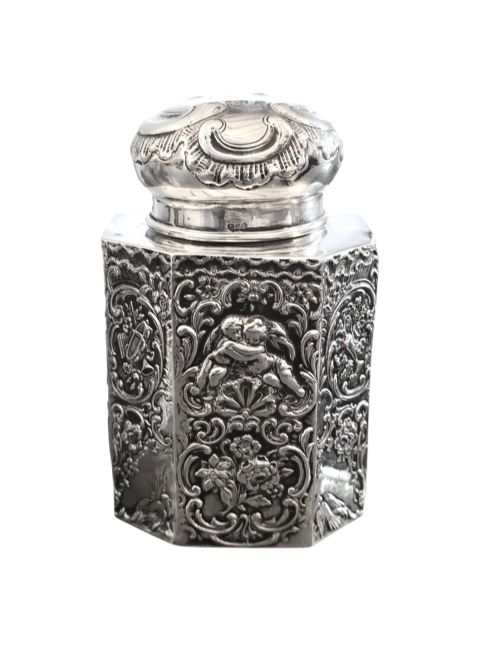
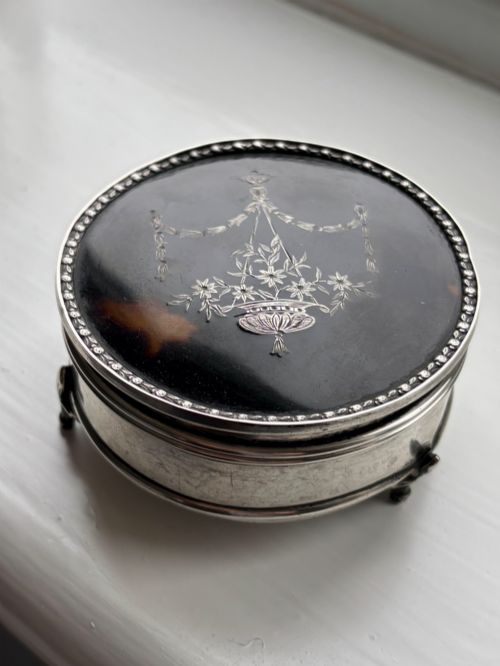
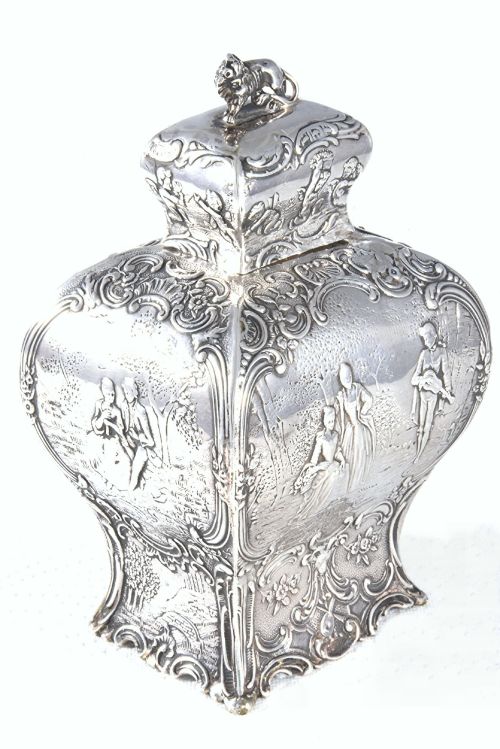
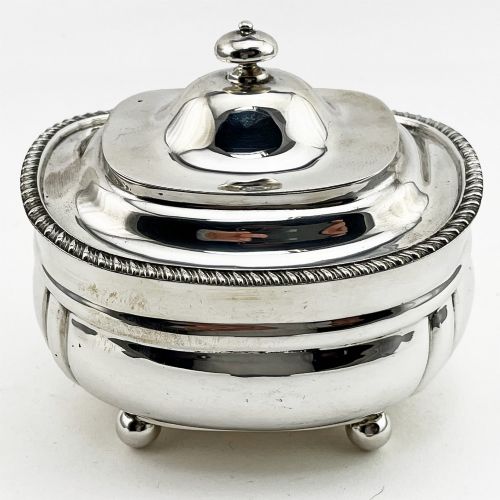
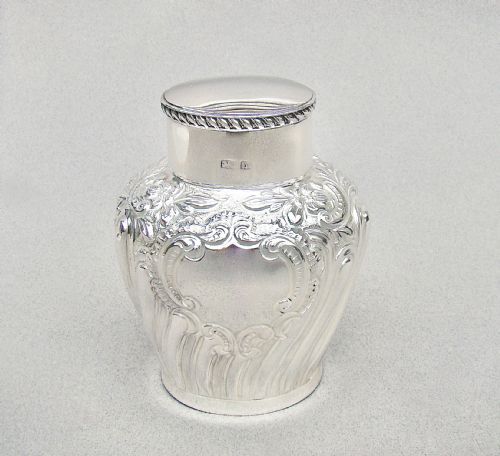
An antique sterling jar encompasses a variety of lidded containers designed for storage and display, appearing frequently as tea caddies, vanity jars, and trinket boxes. These items span from the Georgian period through the Victorian and Edwardian eras into the Art Deco years, reflecting shifting domestic habits.
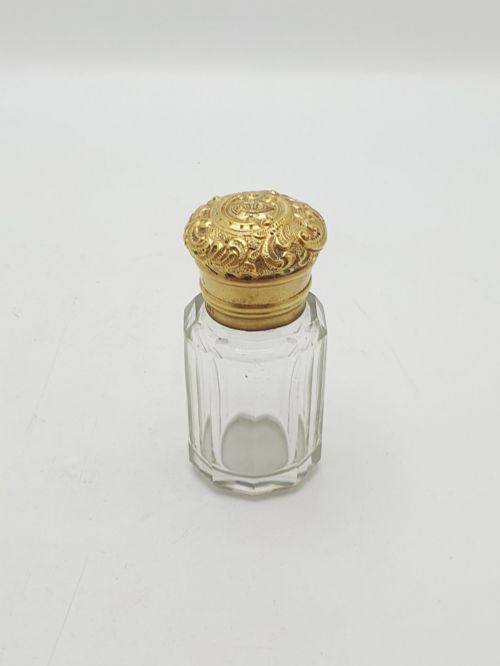
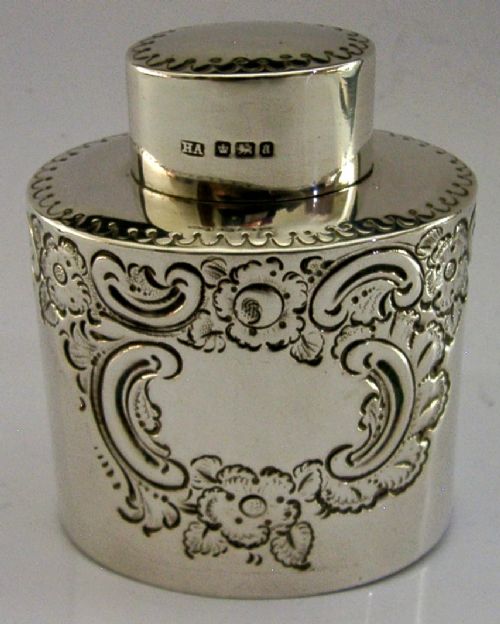
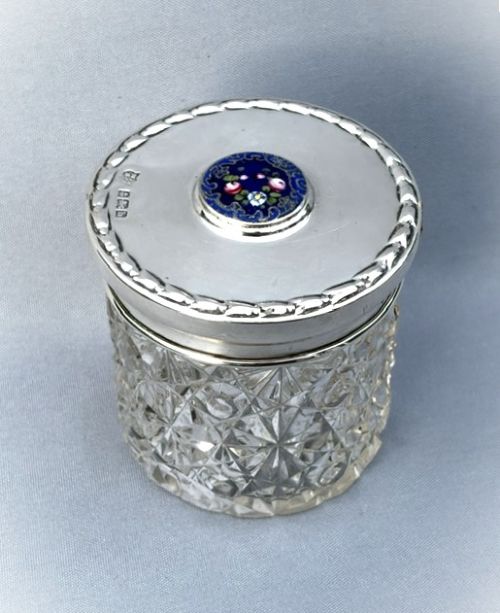
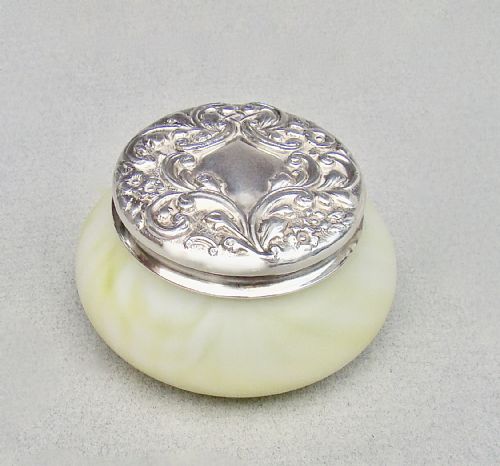
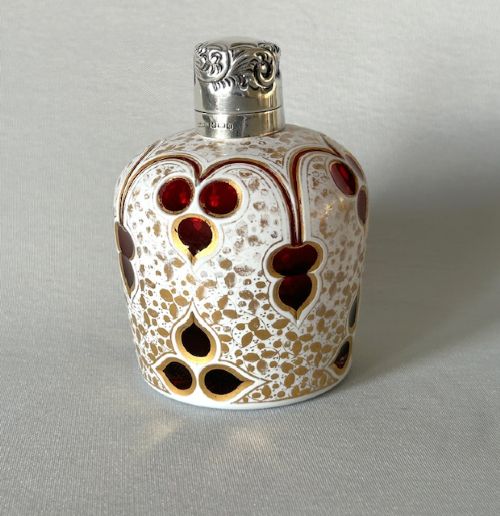
The forms range from heavy silver tea caddies with pull-off lids to cut glass vessels fitted with sterling mounts and hinged covers. Buyers encounter containers intended for loose tea, cosmetics, and small personal valuables, often bearing hallmarks that trace their origin to British assay offices.
How they were made
The construction of an antique sterling jar relies on the combination of solid sterling silver mounts with blown, moulded, or cut glass bodies. Silversmiths formed the lids and collars by hammering, spinning, or stamping sheet silver, frequently incorporating hinged mechanisms and internal lips to secure the contents.
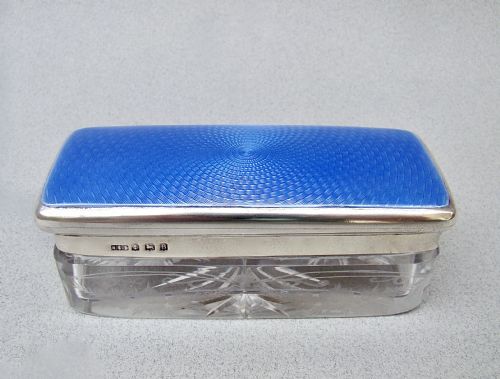
Decoration techniques include hand-applied guilloché enamel, delicate surface chasing, and detailed porcelain plaques set directly into the silver lids. Glass components display deep wheel-cutting, facet polishing, or coloured overlays that contrast with the reflective metal collars.
Antique Sterling Jar Retail Price Guide 2026
Typical asking prices for sterling jar among the pieces listed under this phrase on Sellingantiques today, from the lower quarter to the upper quarter. They describe what is for sale here now, not the wider market.
Some lidded jars preserve the scent of vanished perfumes locked inside cut glass for over a century.
What varies in quality
The distinction between tiers rests upon the weight of the metal and the precision of the assembly between silver and glass. Heavier gauge silver provides a substantial feel in the hand, whereas lighter mounts may show flex or distortion around the hinges and rims.
Artistic execution dictates the upper range, particularly in enamelled pieces where the smoothness of the translucent colour and the clarity of engine-turned patterns under natural light define the maker's skill. The sharpness of cut glass facets and the crispness of hallmarks further separate standard production from superior examples.
A. J. Pepper & Co·Ollivant & Botsford·Henry Clifford Davis·A. Bromet & Co·Thomas Hayes·Zimmermann·Mappin & Webb
The Antique Sterling Jar Glossary
- Sterling Silver
- A silver alloy containing 92.5 percent pure silver by mass and 7.5 percent other metals, usually copper. This standard composition provides the durability required for functional domestic items.
- Guilloché Enamel
- A decorative technique where a precise geometric pattern is mechanically engraved into the metal beneath a translucent enamel layer. This method creates shimmering light effects across dressing table accessories.
- Tea Caddy
- A small box or jar originally manufactured to store loose tea leaves securely. Early examples often feature internal locking lids to protect expensive imported tea.
- Silver-Gilt
- Sterling silver that has been coated with a thin layer of gold on its surface. This treatment protects the silver from tarnishing and adds a rich internal warmth.
- Hallmark
- An official stamp applied by an assay office indicating the purity of the metal, the maker, and the year of manufacture. These small punch marks verify the authenticity of British silver.
Antique Sterling Jar: Frequently Asked Questions
What is an antique sterling jar used for?
These vessels served various practical functions in historic households, primarily for storing dry goods like tea or housing personal items on a dressing table. Vanity jars and trinket boxes held powders, pins, and small jewellery pieces.
Today, they function as decorative objects that continue to hold small treasures while adding period character to domestic interiors.
How do I clean an antique sterling jar?
Maintenance requires gentle cleaning with a soft microfibre cloth and a formulation specifically designed for silver. Avoid harsh abrasive pastes that can wear down delicate chasing or remove silver-gilt finishes.
Keep silver polish away from glass bodies and enamel surfaces, as chemical residues can settle permanently into crevices and decorative recesses.
How do I identify the date of a silver jar?
Dating relies primarily on the stamped hallmarks located on the sterling mounts, which include a date letter corresponding to a specific year and assay office. Additional clues emerge from the prevailing design styles, such as geometric Art Deco motifs or floral Edwardian patterns.
Comparing the form and construction techniques against known period examples helps narrow down the decade of production when stamps are worn.
Are the glass components original to the silver mounts?
Most surviving pieces retain their matching factory-fitted glass inserts, designed specifically to sit snugly within the silver collar. You can check for originality by observing how the glass rests evenly against the interior silver mounts without excessive movement.
Minor variations in hand-blown glass are normal, but a proper fit ensures the lid closes flush against the rim.