


Antique Sterling Dishes
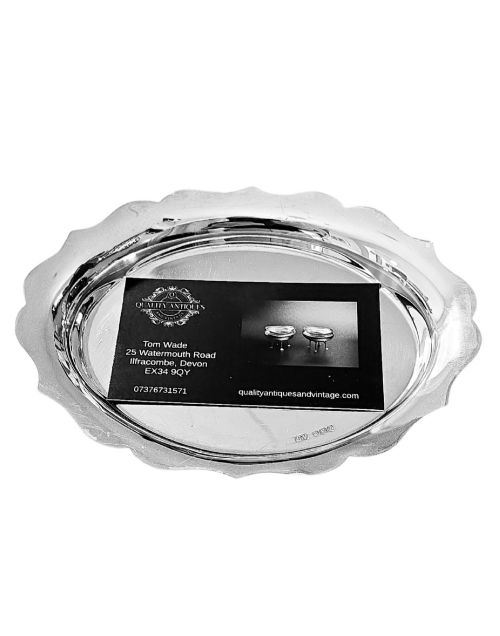
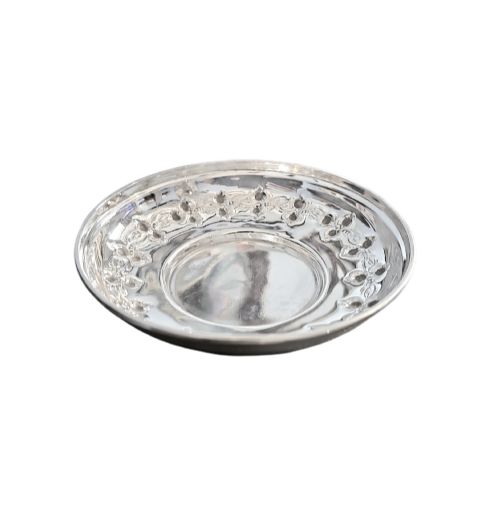
Antique sterling dishes gather the light of silver, glass and tortoiseshell across Victorian, Edwardian and Art Deco forms.
Antique Sterling Dishes
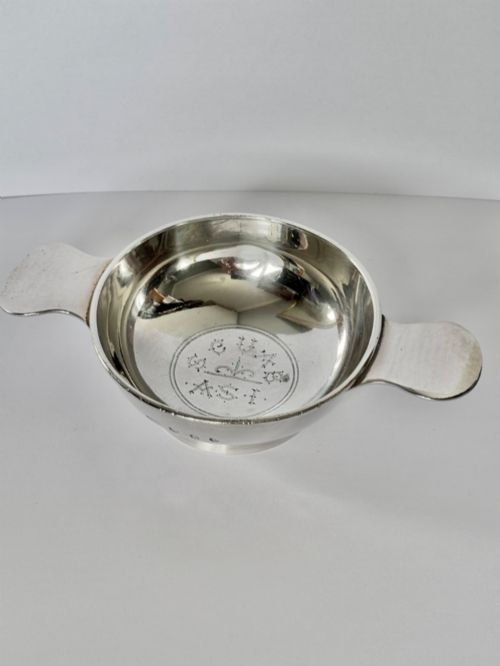
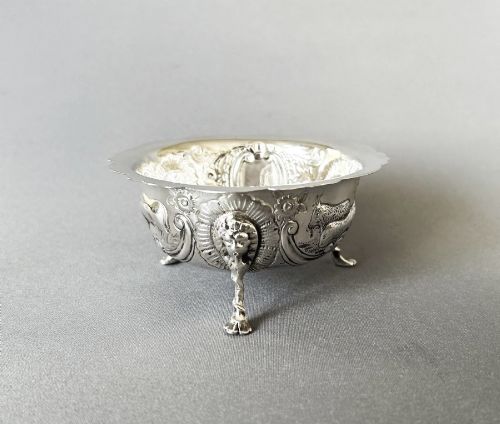
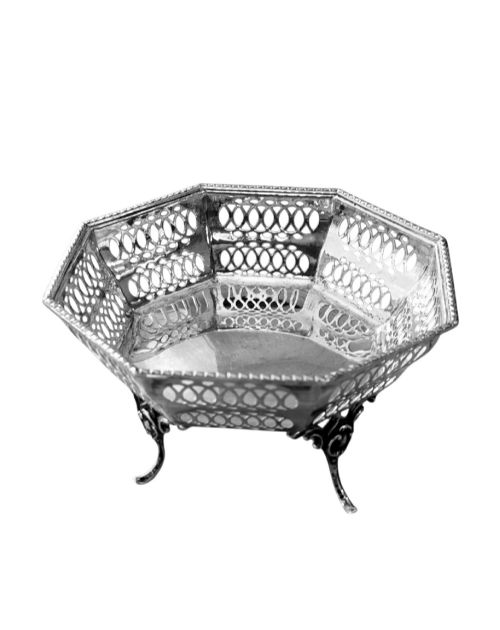
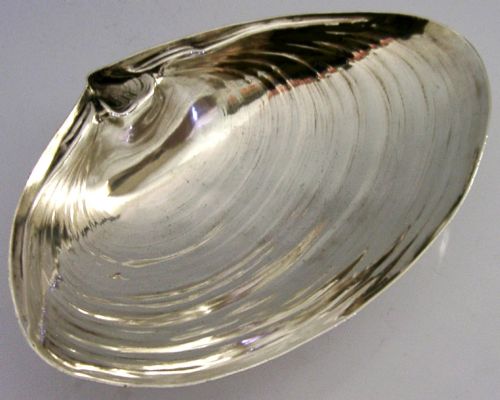
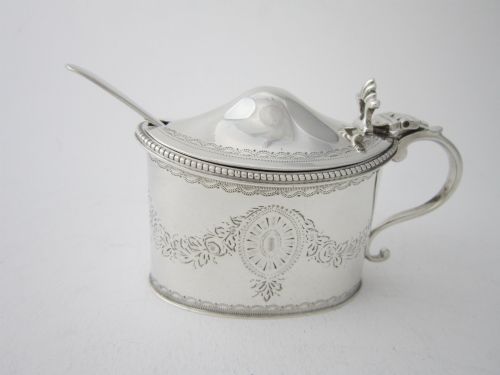
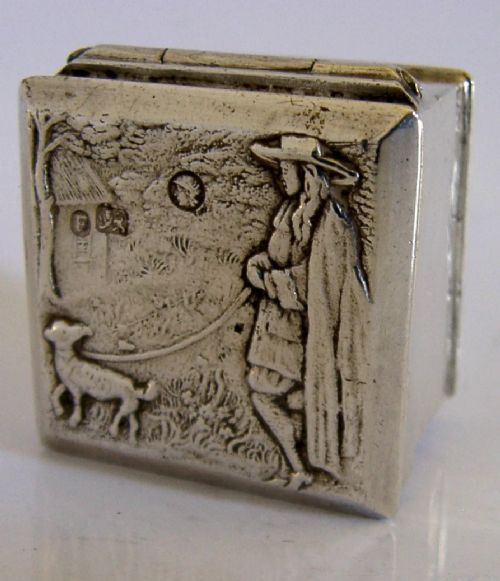
The selection ranges from small pill boxes and ashtrays to larger baskets, quaichs and footed bowls. Makers utilised solid silver alongside contrasting media such as cut crystal, cranberry glass, cobalt glass and tortoiseshell.
Geographic origins span English assay offices in Birmingham, London, Chester and Sheffield alongside French pieces, Chinese export work and Dutch silver. Forms adapt to specific domestic rituals, incorporating swing handles, hinged lids, fitted glass liners and novelty motifs.
How they were made
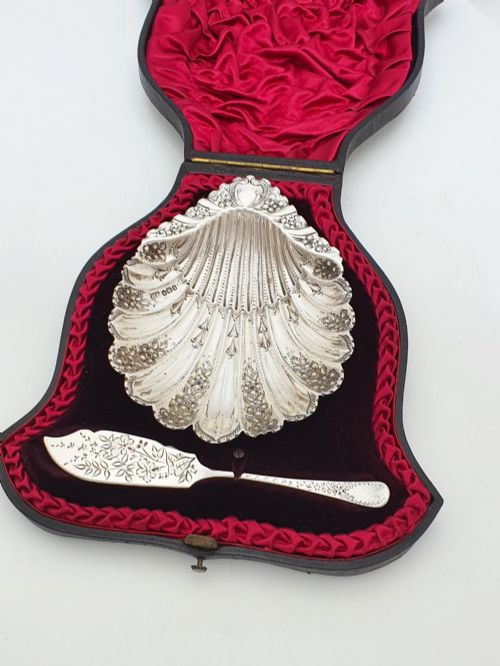
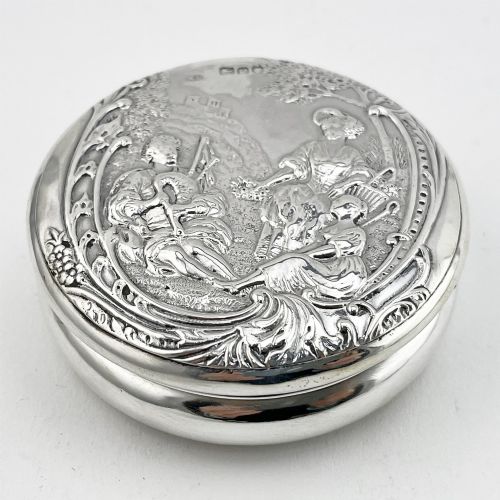
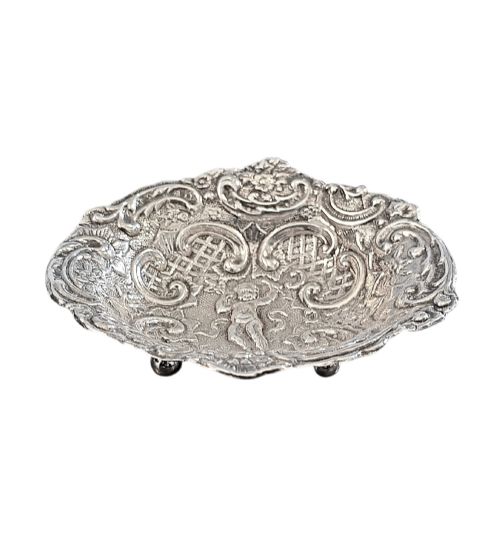
Silversmiths shaped sterling silver through hammering, casting and piercing, creating structural bodies like footed bowls, tazzas and wirework baskets. Artisans applied repoussé and chasing techniques to raise ornamentation from the reverse and define surface detail.
Pieces frequently combine solid silver mounts with blown or cut glass, crystal and satin glass, while specialised workshops added guilloche enamel, vitreous enamel and inlaid tortoiseshell panels. Hinged trinket boxes and lidded jars rely on precise internal bezels and tight-fitting collars to secure glass and shell inserts.
Assay office hallmarks stamped directly into the metal record the city of testing, the standard of silver and the date letter, often accompanied by the maker's mark for firms such as Walker & Hall, Nathan & Hayes or Liberty & Co.
Antique Sterling Dishes Retail Price Guide 2026
Typical asking prices for sterling dishes among the pieces listed under this phrase on Sellingantiques today, from the lower quarter to the upper quarter. They describe what is for sale here now, not the wider market.
Listings feature Edwardian, Victorian, and Art Deco pieces alongside Georgian and Arts and Crafts examples.
What varies in quality
Quality rests upon the crispness of the chasing and the weight of the silver relative to the object's scale. Substantial gauge metal resists distortion, whereas lighter items yield readily to pressure.
The integration of mixed materials dictates distinction. Clear, unblemished crystal liners, unbroken tortoiseshell veneers and smooth, undamaged enamel distinguish finer commissions from standard production.
Design ambition separates run-of-the-mill items from exceptional works, visible in sculptural cast elements like dolphin feet, cherubs, or hand-hammered Arts and Crafts surfaces.
William Aitken·Mitchell Bosley & Co·Thomas Bradbury & Sons·A. J. Pepper & Co·Nathan & Hayes·Walker & Hall·William Neale·Georg Jensen·Goldsmiths and Silversmiths Company·A. Bromet & Co·Liberty & Co
The Antique Sterling Dishes Glossary
- Bonbon dish
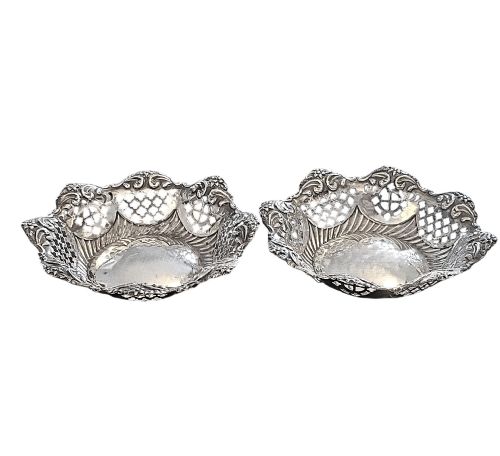
- A small open vessel designed for holding sweets or confectionery. These often feature pierced latticework or swing handles.
- Quaich
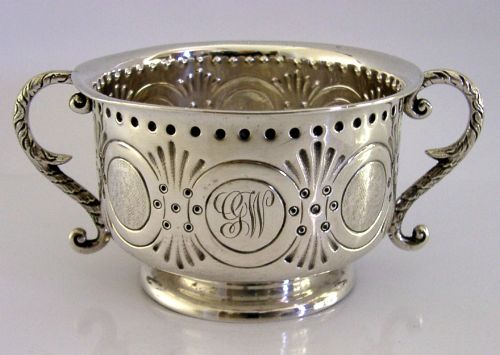
- A traditional two-handled drinking vessel or shallow bowl of Scottish origin. Examples in silver frequently rest on a foot or feature flat lug handles.
- Guilloche enamel
- A decorative technique where translucent enamel is layered over engine-turned metal engraving. This creates repetitive geometric patterns that shimmer beneath the coloured glass surface.
- Tazza
- A shallow ornamental bowl or cup mounted upon a stem and foot. They frequently appear in Arts and Crafts silver with hammered finishes.
- Trinket box
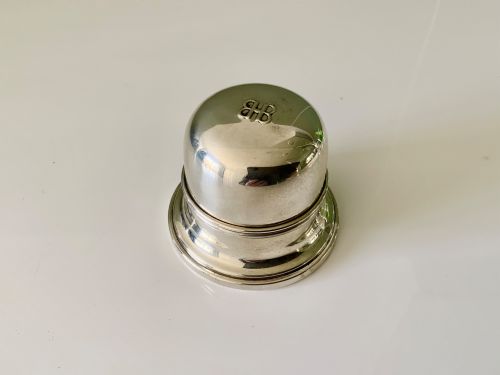
- A lidded receptacle intended for jewellery or small personal effects. Interiors often retain original silk or velvet linings.
Antique Sterling Dishes: Frequently Asked Questions
How do I clean silver dishes?
Use a soft microfiber cloth and a mild silver polish designed to lift tarnish without abrasive action. Avoid harsh chemical dips that strip away historical patina and damage integrated glass or enamel.
Take care around hinged joints, textured chasing and delicate inset materials like tortoiseshell. Store the pieces away from direct sunlight and damp environments to maintain the finish.
What are salt cellars used for?
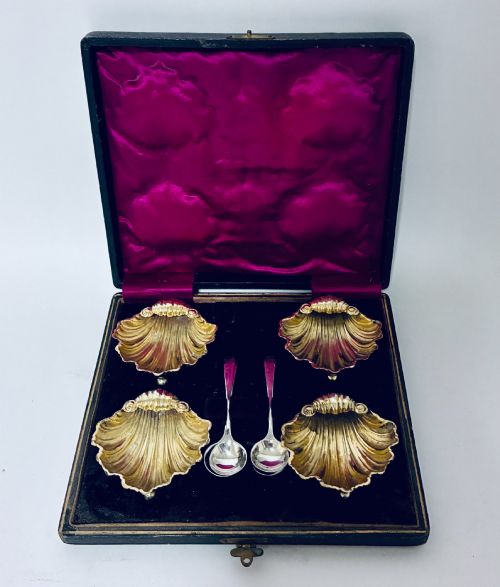
Salt cellars held loose table salt before the invention of free-flowing shakers, often accompanied by miniature spoons for serving. They sat beside dining plates or shared across the table.
Many antique examples feature cobalt or cranberry glass liners to protect the sterling silver from the corrosive nature of salt.
How do I read silver hallmarks?
Hallmarks typically consist of a maker's mark, a standard mark indicating sterling purity, a town mark for the assay office, and a date letter. Together these stamps reveal precisely where and when an item was tested.
Reference tables compiled by assay offices help match specific letter fonts and shields to exact operational years.
Can I use antique bowls for food?
Most antique silver bowls and dishes serve safely for dry goods or wrapped sweets. Items meant for display or holding trinkets should avoid direct contact with wet or acidic foods.
Verify that any glass liners or soldered joints remain secure before placing items into regular domestic service.