

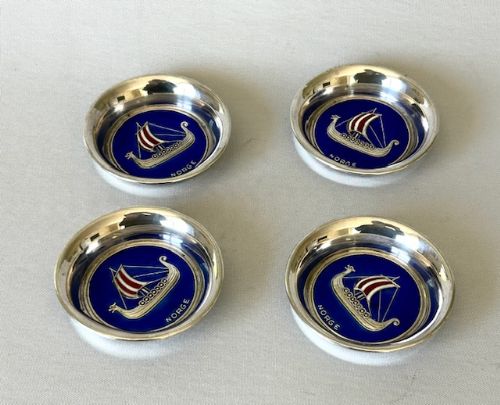


Antique Sterling Coasters
Antique sterling coasters are sturdy silver tableware pieces designed to protect surfaces, and collectors seek them for their Georgian and Edwardian craftsmanship.
Antique Sterling Coasters
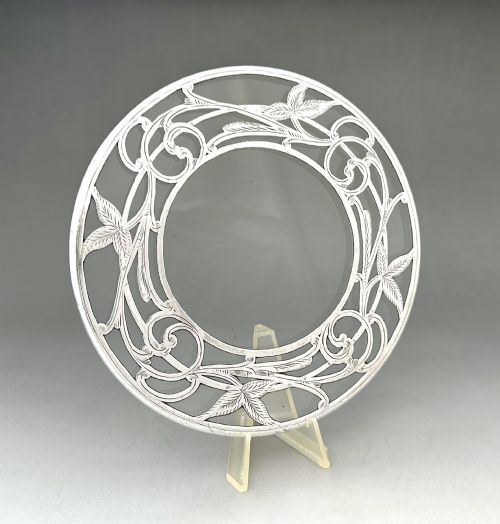
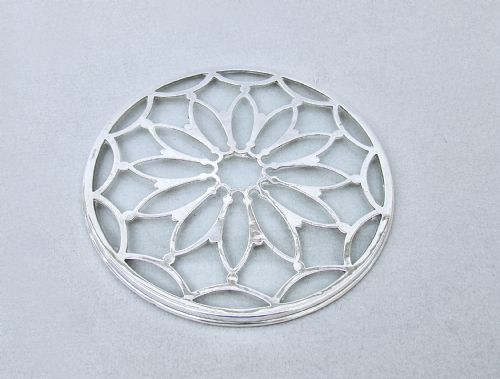
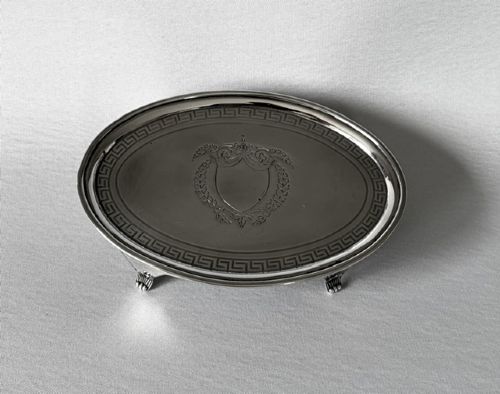
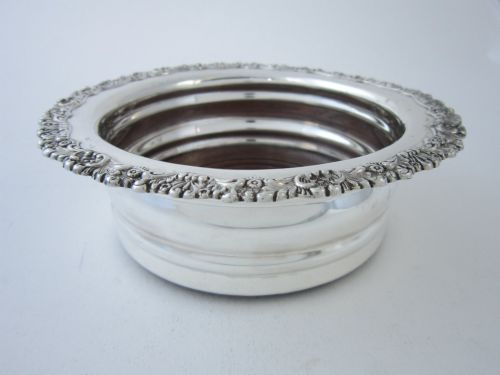
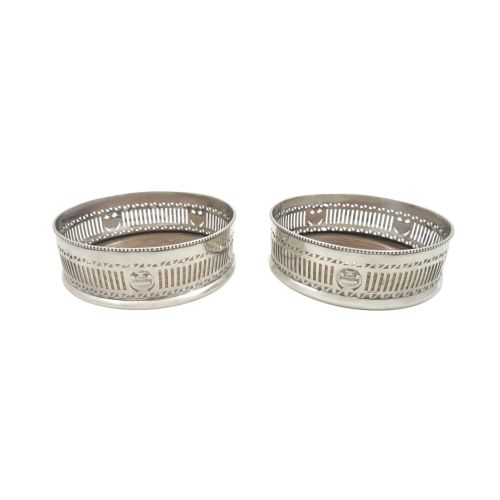
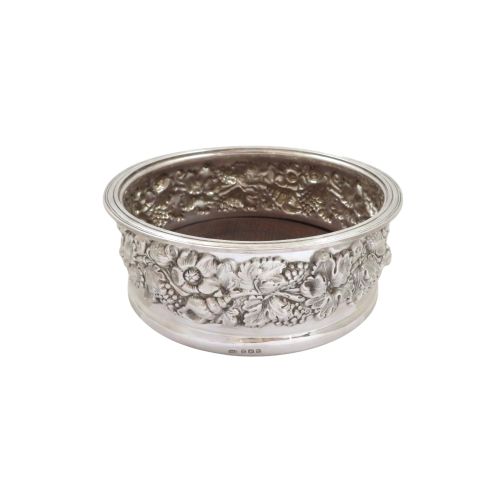
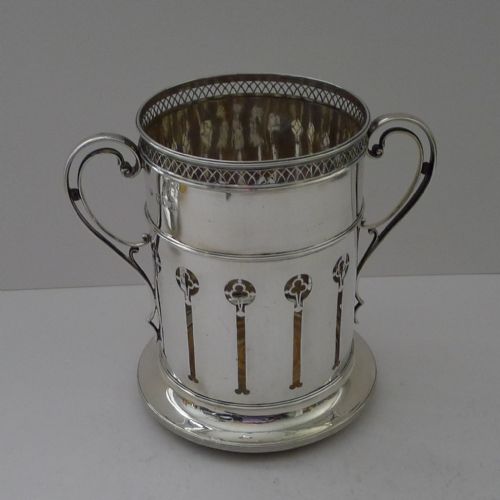
When buyers search for antique sterling coasters, they encounter wine coasters, bottle holders, teapot stands, and butter dishes spanning the Georgian, Edwardian, and George V periods. These practical table accessories protect polished wood from moisture and heat rings during dining and tea service.
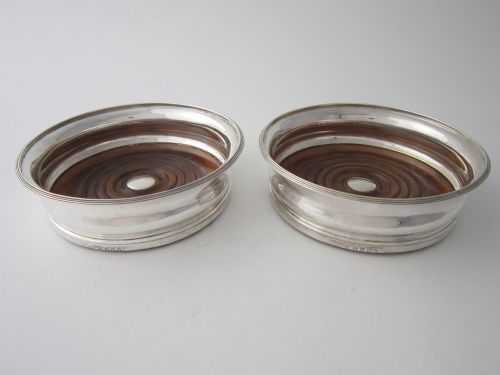
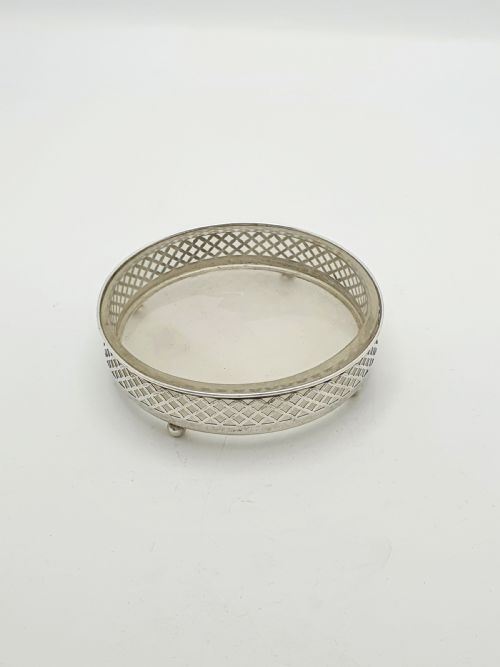
The forms range from circular wine coasters with turned mahogany bases to pierced silver teapot stands and butter dishes fitted with glass liners. Each piece reflects the formal dining customs and interior styles of its respective era.
Materials and construction
Silversmiths utilised solid sterling silver for the rims and mounts, often employing piercing techniques to create openwork patterns along the gallery. These metal elements were then paired with dense hardwoods such as mahogany for the base, allowing bottles to slide smoothly across the table.
Many items incorporate turned wood centres or thick glass liners designed to catch condensation from wine bottles and teapots. Makers combined these mixed media with hallmarks struck directly into the silver to indicate the assay office, standard, and date of manufacture.
Antique Sterling Coasters Retail Price Guide 2026
Typical asking prices for sterling coasters among the pieces listed under this phrase on Sellingantiques today, from the lower quarter to the upper quarter. They describe what is for sale here now, not the wider market.
Listings feature sterling silver, mahogany, and glass across Georgian, Edwardian, and 1920s periods.
Distinguishing quality
The standard of design and execution separates simpler tableware from finer examples produced by established retailers and silversmiths. Crispness in the pierced silver decoration, heavier gauge metal, and superior woodturning indicate higher quality workmanship.
The clarity and legibility of the hallmarks further distinguish better pieces, as do well-preserved fitted glass liners and stable, original wooden bases. Coasters retaining their balanced proportions and matching pairs command greater interest among collectors.
Harrods Ltd·Asprey
The Antique Sterling Coasters Glossary
- Sterling silver
- A silver alloy containing 92.5 percent pure silver by mass and 7.5 percent other metals, usually copper. This standard provides the durability required for functional tableware.
- Hallmark
- A mark or series of marks struck on items made of precious metals. These symbols denote the maker, assay office, purity standard, and year of production.
- Piercing
- A decorative technique where metal is cut through to create openwork designs and patterns. Silversmiths utilised this method extensively on galleries of wine coasters and butter dishes.
- Wine coaster
- A small shallow tray or dish fitted with a base, designed to hold a wine bottle. They were slid across the dining table after the meal.
- Teapot stand
- A protective base raised on feet or resting flat, designed to hold hot teapots. These pieces prevent heat damage to polished table surfaces.
Antique Sterling Coasters: Frequently Asked Questions
How were wine coasters used?
Dinners in the Georgian and Edwardian periods involved passing wine bottles around the table after servants withdrew.
Coasters protected polished mahogany dining tables from moisture and scratches while allowing the bottles to slide smoothly.
How do I identify a Georgian coaster?
Georgian coasters typically date from the late eighteenth or early nineteenth century and feature heavy silver rims and turned wooden bases.
Examining the hallmarks stamped into the silver helps confirm the exact period and assay office of manufacture.
Can I use these coasters daily?
These silver and wood items are robust enough for regular use provided they receive proper care and gentle cleaning.
Many collectors prefer to integrate them into modern table settings alongside contemporary tableware.