


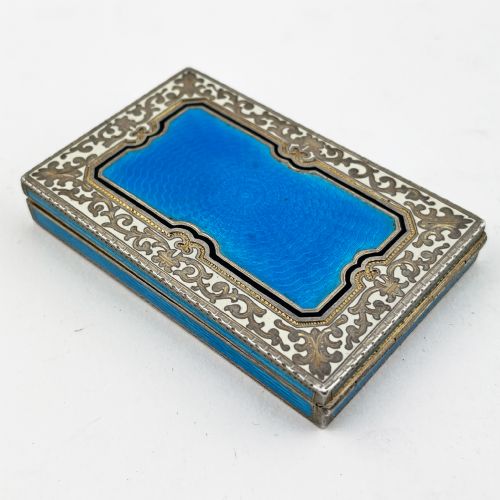

Antique Sterling Calling Case
An antique sterling calling case is a slim pocket receptacle for visiting cards, reflecting nineteenth and early twentieth-century social custom.
Antique Sterling Calling Case
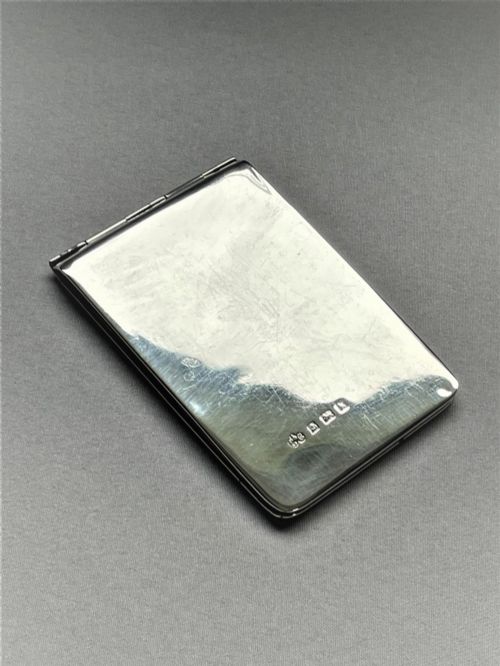
When you examine an antique sterling calling case, you encounter pocket-sized receptacles designed to hold visiting cards during the Victorian and Edwardian eras. These items served a vital social function in polite society, allowing callers to leave their name at a residence.
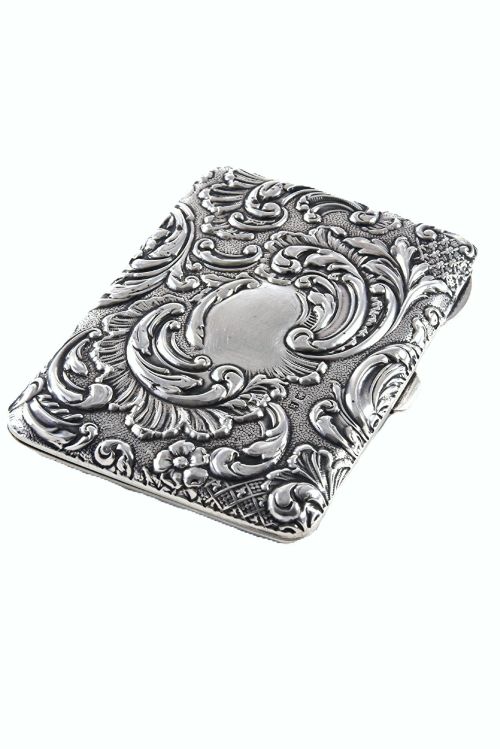
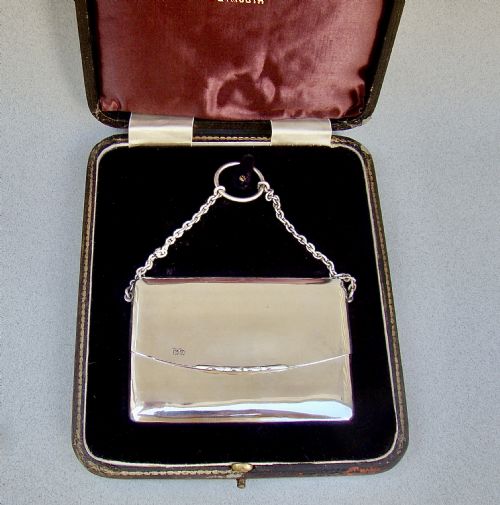
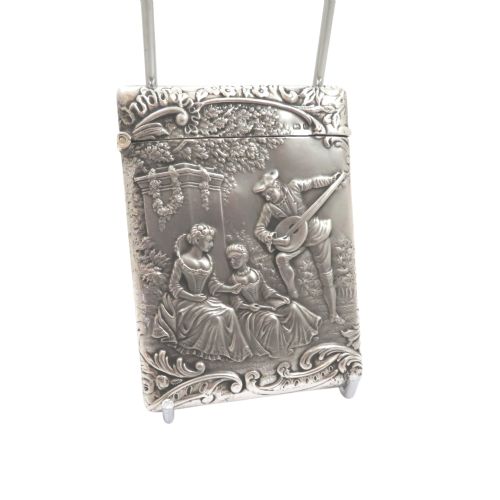
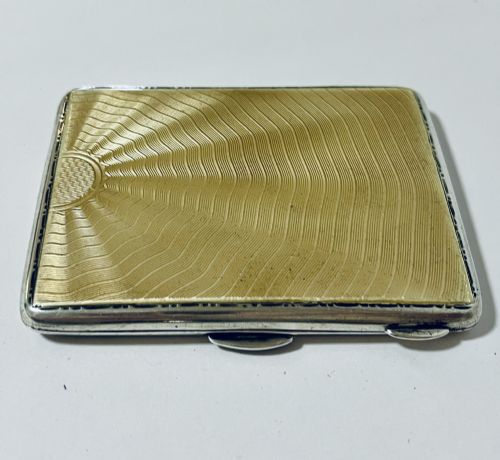
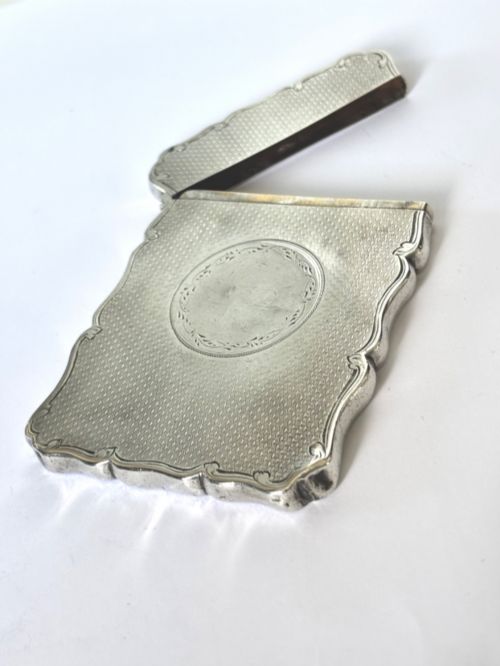
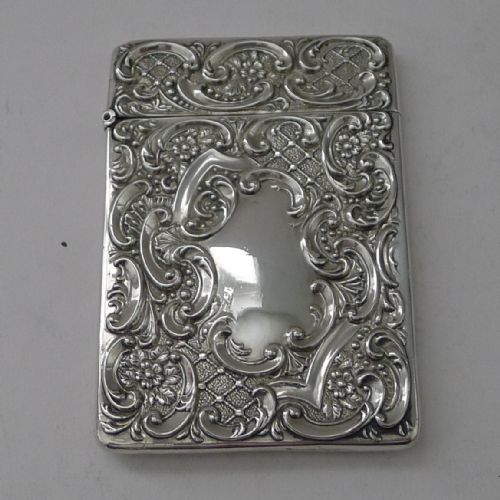
The pieces listed here span the nineteenth and early twentieth centuries, encompassing Victorian, Edwardian, and Art Deco periods. Forms range from simple flat wallets to hinged boxes, aide memoires, and novelty folding designs.
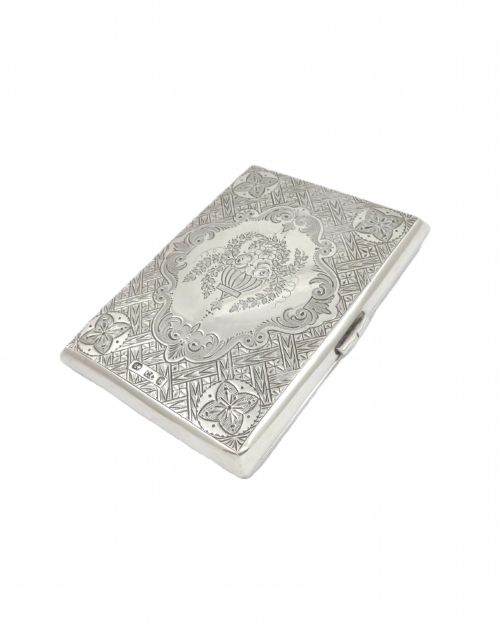
Makers utilised various formats, including rectangular card cases, combinations with stamp compartments, and cigarette cases sharing similar pocket dimensions. Origins include English assay offices such as Birmingham and London, alongside continental and American workshops.
Materials and Technique
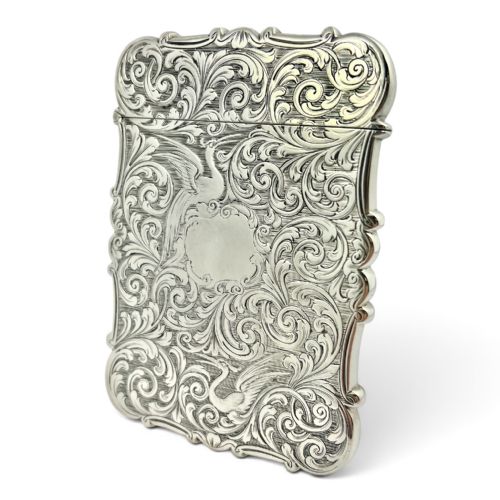
Silversmiths constructed these objects primarily from sterling silver and solid silver, frequently applying internal gilt linings to prevent tarnishing from handling. Techniques involve press-forming, sheet bending, and intricate hand engraving.
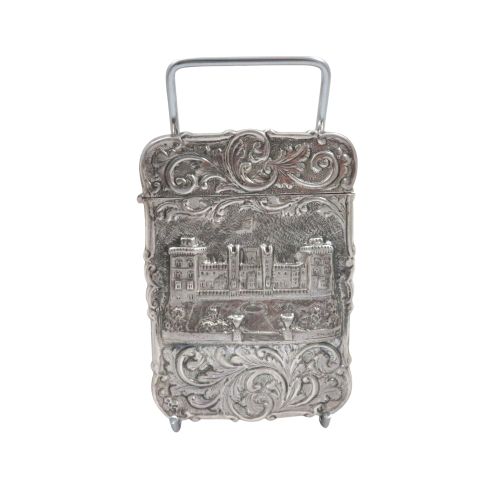
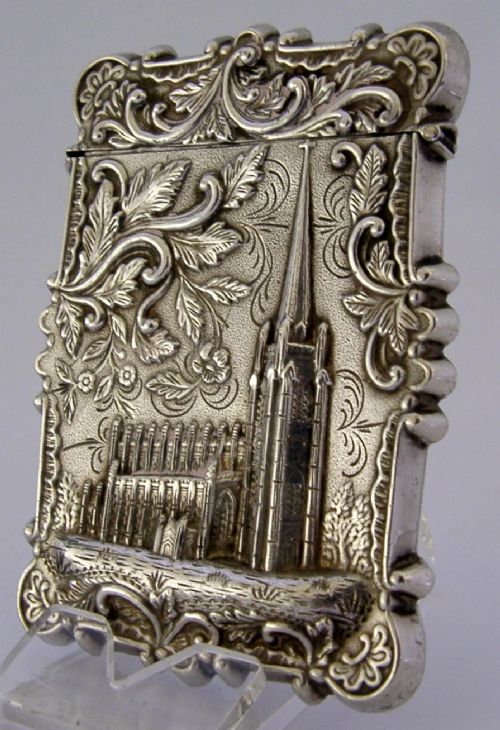
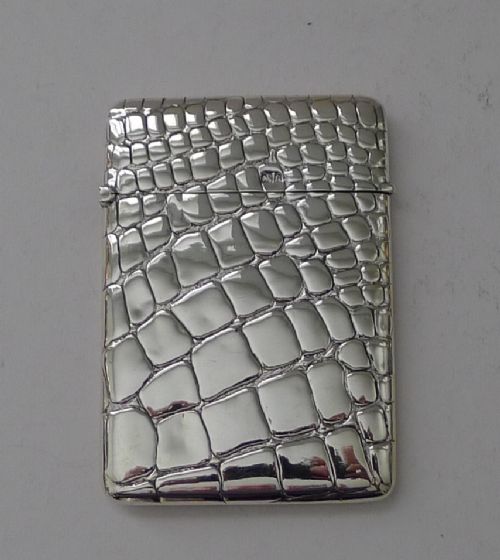
Specialist workers created elaborate castle top motifs by casting or stamping detailed miniature reliefs of architectural landmarks like Windsor Castle and St Paul's Cathedral onto the front panel. Other variants incorporate vitreous enamel, colourful Connemara marble inserts, or textured surfaces mimicking crocodile skin.
Hinges and opening mechanisms require precise engineering to function smoothly within the thin profile of a card case. Spring clips and bespoke latches secure the contents while maintaining a flush exterior.
The listings show card cases spanning from the early Victorian period through the Edwardian era to the Art Deco movement, utilising sterling silver, enamel, and Connemara marble.
Factors of Distinction
The clarity and depth of hand engraving dictate the visual merit of an antique sterling calling case. Crisp lines on floral scrolls or sharp architectural detail on castle top panels distinguish superior examples from worn or mass-produced pieces.
Complexity of form elevates certain items above standard flat wallets. Pieces featuring multi-compartment layouts, novelty opening mechanisms, or integrated aide memoire writing tablets demonstrate greater craftsmanship.
Nathaniel Mills·George Unite·Foxall and Co
The Antique Sterling Calling Case Glossary
- Castle top
- A card case featuring a detailed repoussé or engraved representation of a famous building or landmark on the cover. These architectural scenes are highly sought after by collectors.
- Aide memoire
- A small pocket notebook or case incorporating ivory leaves or paper panels and a pencil for recording engagements. They frequently share the slim proportions of visiting card cases.
- Sterling silver
- An alloy containing a high proportion of pure silver combined with other metals to ensure durability. British items typically display a lion passant hallmark denoting this standard.
- Silver gilt
- Sterling silver that has been coated with a thin layer of gold, often applied to the interior of a case. This finish provides resistance to oxidation from cards and handling.
- Vitreous enamel
- Glass fused to a metal surface through high-temperature firing to produce a coloured, glossy decoration. It appears on select decorative panels.
Antique Sterling Calling Case: Frequently Asked Questions
How do I date an antique card case?
You date an antique card case by examining the hallmarks stamped on the silver, which indicate the assay office, year of manufacture, and maker. Stylistic clues such as Victorian Gothic engraving or Art Deco geometry also point to specific decades.
Design motifs like castle top architecture or specific closure mechanisms help narrow down the period of production.
Were these cases only used for visiting cards?
While primarily designed for visiting cards, many examples served multiple purposes or adapted to changing fashions. Some incorporate internal compartments for stamps, coins, or notes.
Others double as aide memoires with small writing tablets or function as compact cigarette cases from later periods.
How should I clean silver card cases?
You should clean silver card cases gently with a soft microfibre cloth to remove surface dust and tarnish without abrading the engraving. Avoid harsh chemical dips, particularly on pieces with enamel or marble elements.
Store them in a dry environment away from direct sunlight to preserve the finish of the metal.