

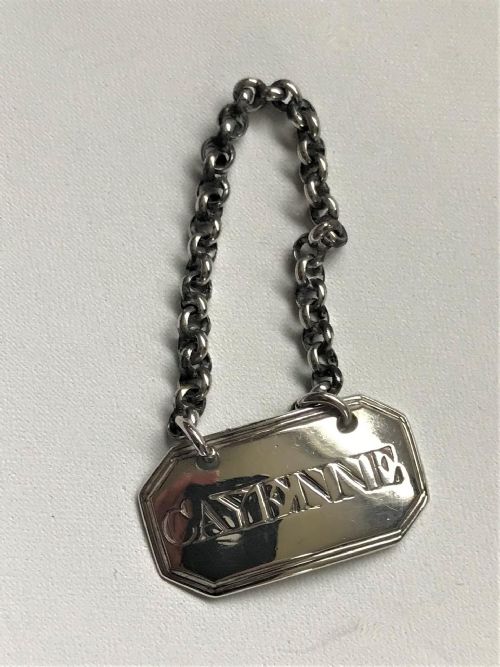


Antique Sterling Bottle Ticket
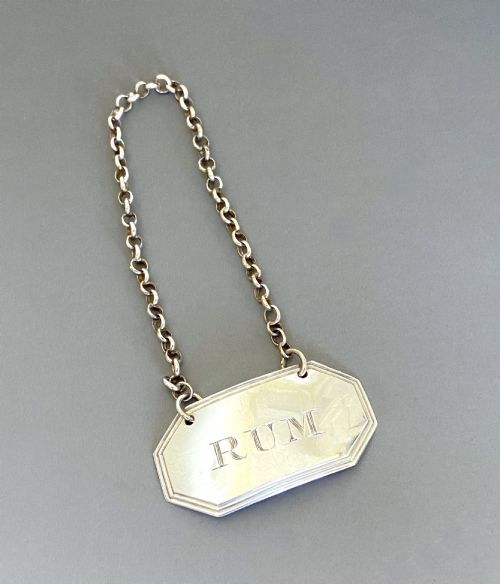
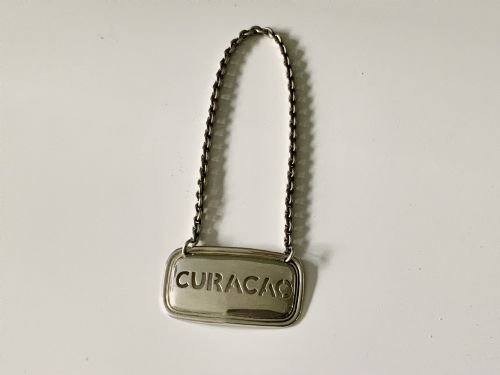
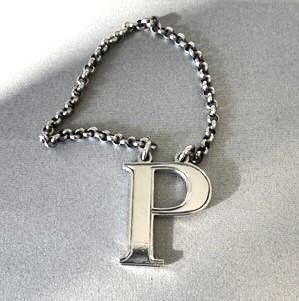
These antique sterling bottle ticket examples identify decanted spirits and wines with small silver tags hung by chains around bottle necks.
Antique Sterling Bottle Ticket
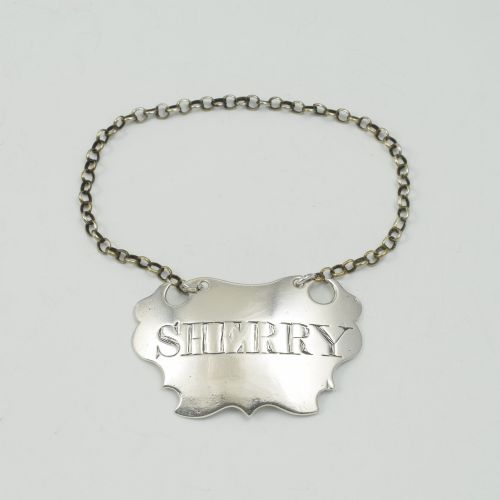
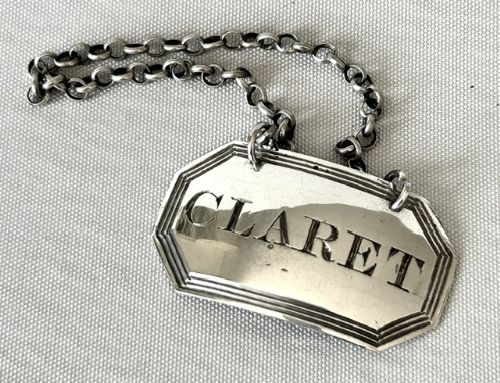
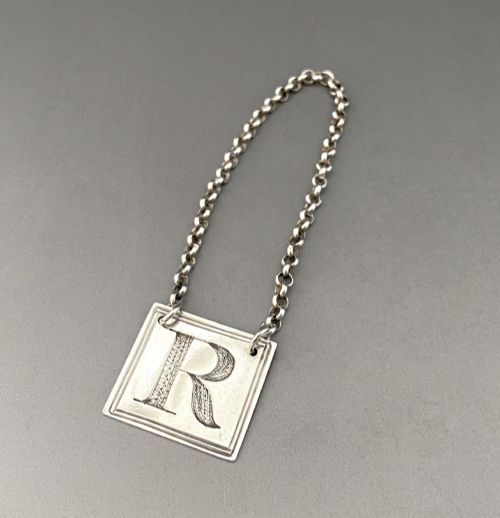
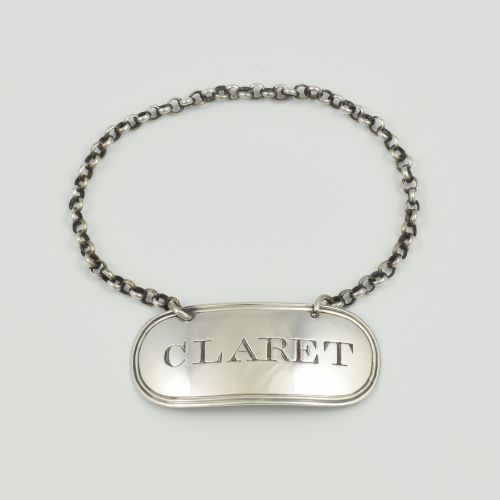
An antique sterling bottle ticket, also known as a decanter label or bottle tag, is a small piece of silver designed to hang around the neck of a decanter to name its contents. Buyers seeking these items will find them listed under various periods such as Georgian, Victorian, Edwardian, and Regency, alongside specific forms like escutcheon shapes or vine leaf designs.
The selections on this page are dominated by Georgian and Victorian silver pieces, frequently stamped with names of specific beverages like Sherry, Port, Madeira, and Claret. Alongside standard titles, variations include unusual names like Cayenne or Gin, and occasional sets of matching labels hung on silver chains.
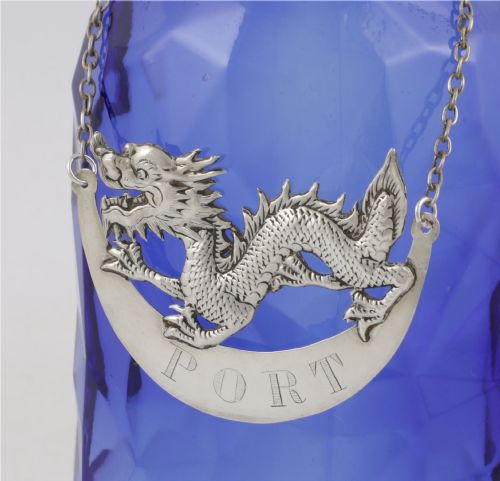
Origins span traditional British workshops in London and Edinburgh as well as Chinese Export production. Forms range from simple rectangular tags and escutcheons to figural dragons and pierced vine leaf motifs made in solid silver or enamel.
How they were made
Silversmiths utilised solid sterling silver, shaping the metal through piercing, stamping, and engraving techniques to create distinct outlines such as vine leaves, shields, and escutcheons. Details like grapevines and maker marks were struck with punches or hand-engraved onto the surface.
Many examples incorporate delicate suspension chains attached via small loops, allowing the ticket to hang securely around glass decanter necks. Surface decoration ranges from plain polished silver plates to intricate pierced scrollwork and coloured enamel.
A tiny silver tag labelled Cayenne stands ready to warn diners away from mistaking hot spice for port wine.
What varies in quality
Quality in these silver pieces rests upon the crispness of the original chasing, the clarity of the London, Edinburgh or maker hallmarks, and the distinction of the pierced design. Pieces produced by noted makers display superior weight and precision in lettering.
The presence of uncommon beverage titles or specialised forms, such as miniature labels and Chinese export dragon tags, separates standard production from more desirable specimens. Preservation of the original suspension chain and legible period engraving further elevate the standard of individual items.
Elizabeth Morley·Digby Scott Benjamin Smith·John Reily·Thomas Wallis II·William Sharp·Peter and Anne Bateman·Mappin and Webb
The Antique Sterling Bottle Ticket Glossary
- Bottle ticket
- An alternative term for a decanter label or tag used to identify the contents of a bottle or decanter.
- Escutcheon
- A shield-shaped plate, frequently utilised in Georgian silver labels for engraving wine names.
- Hallmark
- Official stamp applied by an assay office confirming the silver standard, origin city, and date letter.
- Solid silver
- Metal composed of standard sterling silver content rather than plated base metal.
- Decanter label
- A small metal tag hung by a chain around the neck of a decanter to denote the wine or spirit inside.
Antique Sterling Bottle Ticket: Frequently Asked Questions
What is an antique sterling bottle ticket?
An antique sterling bottle ticket is a small silver label designed to hang around the neck of a decanter to identify the wine or spirit inside.
These pieces date across the Georgian, Victorian, and Edwardian periods, appearing in forms like escutcheons, vine leaves, and rectangular tags.
How were bottle tickets used?
They were suspended from glass decanter necks using small silver chains to prevent guests from pouring the wrong beverage.
Owners utilised them at dining tables to distinguish between similar red and white wines or fortified spirits like port and madeira.
How do I date a silver bottle ticket?
Dating relies on identifying the hallmarks stamped into the silver, which indicate the assay office, city, and specific year of production.
Stylistic cues such as Georgian vine leaf motifs or Victorian scrollwork also help assign pieces to broad nineteenth-century eras.
What spirits do bottle tickets name?
The most common inscriptions found on these pieces include Sherry, Port, Madeira, and Claret.
Less frequent titles recorded on surviving examples include Brandy, Rum, Gin, Whisky, Moselle, Champagne, and Cayenne.