



Antique Steel Handgun
When examining an antique steel handgun, you hold centuries of mechanical development and martial history in your palm.
Antique Steel Handgun
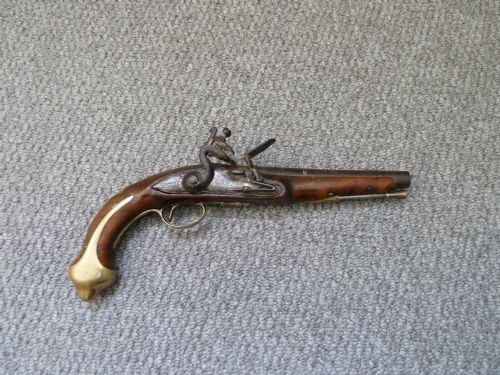
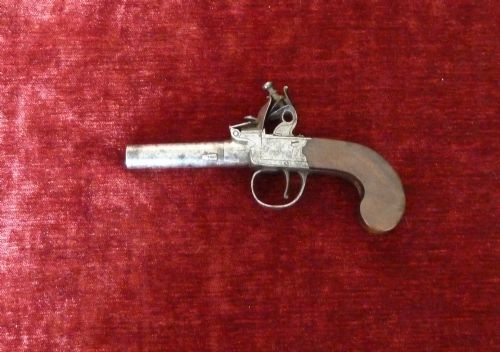
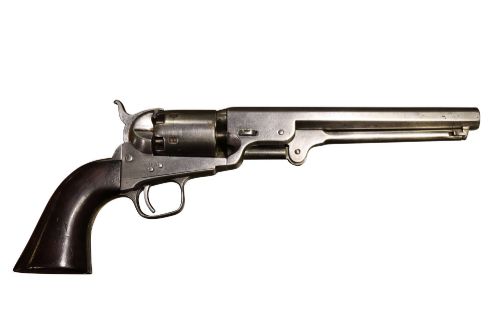
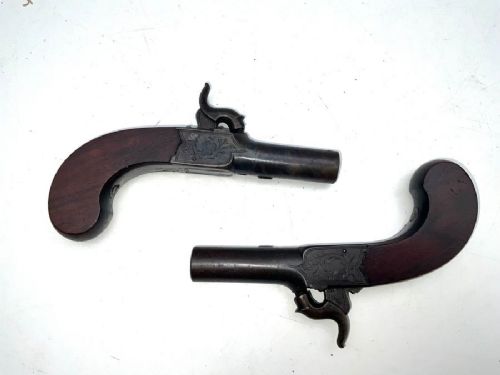
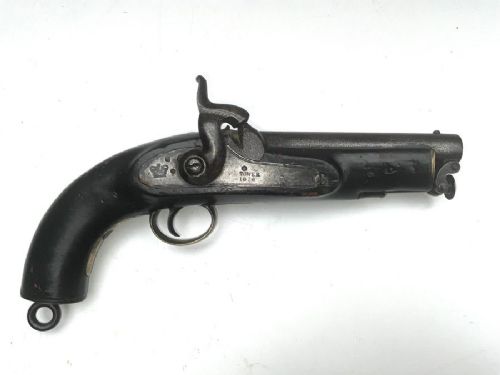
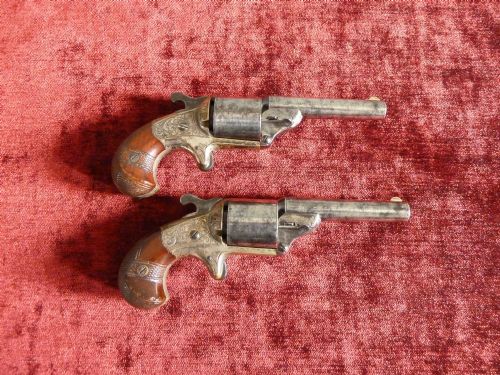
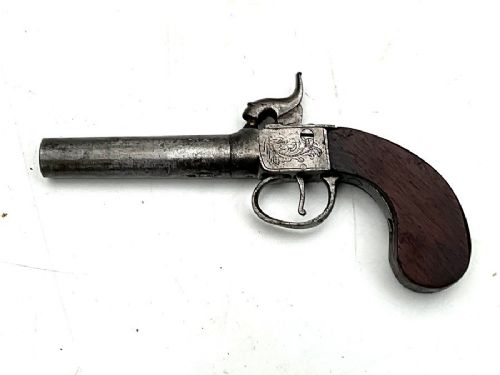
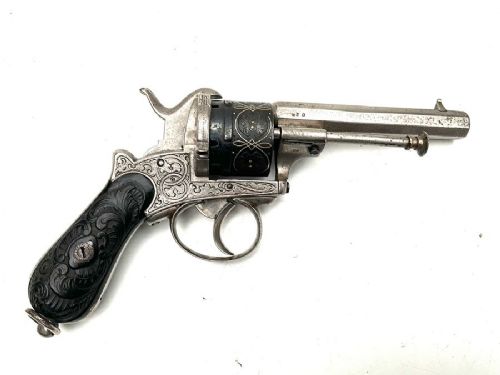
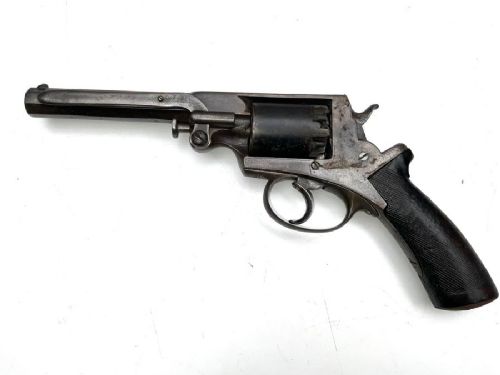
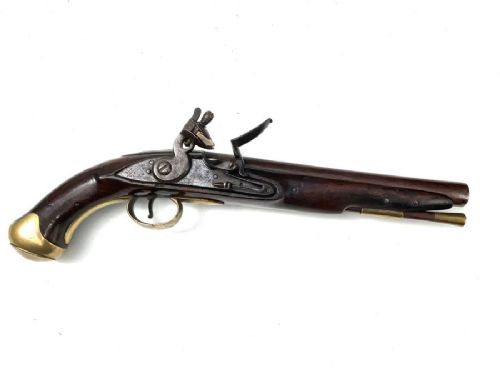
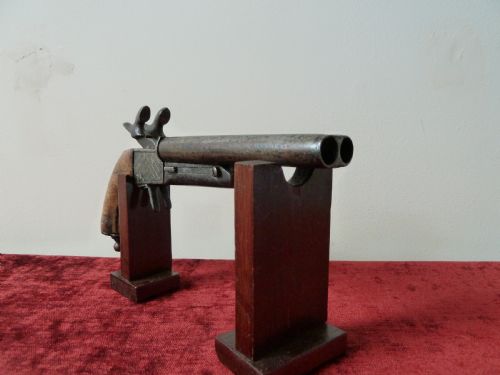
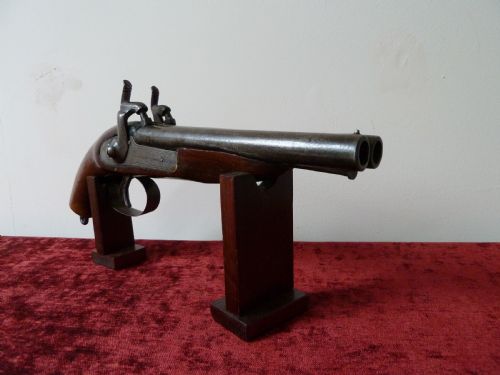
An antique steel handgun encompasses functional firearms spanning from early flintlock mechanisms to mid-nineteenth-century percussion revolvers and pinfire systems. The pieces on this page originate primarily across the eighteenth and nineteenth centuries, taking the form of pocket pistols, military holster arms, and multi-shot revolvers.
Buyers encounter distinct regional styles, ranging from British military regulation pieces stamped by Tower to ornate Ottoman snaphaunce pistols and American martial revolvers. Pocket variations designed for discreet carry appear alongside heavy cavalry dragoon pistols built for service.
These items reflect the transition from smoothbore flint ignition to rifled percussion caps and early metallic cartridges. Each specimen demonstrates the specific technological constraints and aesthetic preferences of its decade of manufacture.
Materials and construction
Construction relies heavily on forged steel for barrels, locks, and internal components, paired with stocks shaped from dense hardwoods like walnut or ebony. Metal components often feature hand-engraved detailing, browned finishes, or bright polish.
Grips and mounts frequently incorporate cast brass, iron, or silver, sometimes enhanced with intricate silver wire inlay or mother-of-pearl panels. Lock mechanisms depend on precisely tensioned steel springs and carefully fitted sears to drop the hammer reliably.
Several pocket pistols conceal folding bayonets, ensuring an argument could be settled from a distance or up close.
Factors determining quality
Quality rests upon the crispness of the lock mechanism, the legibility of maker signatures and proof marks, and the preservation of original metal finishes. Master gunsmiths signed their work cleanly and executed precise scroll engraving that remained sharp across the frame.
The integrity of the wooden stock and the tightness of its fit against the metal skeleton indicate superior craftsmanship. Matching serial numbers on components like revolver cylinders and frames denote a higher grade of original assembly.
Harrison of London·T. Potts, London·John Campbell of Doune·Henry Nock·La Motte·Deane, Adams & Deane·James Barber·Timothy Hughes·Thomas Anelli·Auguste Francotte
The Antique Steel Handgun Glossary
- Flintlock
- An ignition system utilising a piece of flint held in a cock to strike a steel frizzen, producing sparks to ignite the gunpowder charge. This mechanism dominated military and civilian arms throughout the eighteenth century.
- Percussion cap
- A small metal cup containing fulminate of mercury placed over a nipple, detonated by the falling hammer to ignite the powder. It replaced the flintlock system in the early nineteenth century.
- Boxlock
- A firearm design where the breech and the frame are forged as a single piece with the hammer positioned centrally or internally. This layout provided a compact profile ideal for pocket pistols.
- Snaphaunce
- An early flint-ignition mechanism featuring a laterally moving steel and a pan cover that opens automatically before the spark falls. It represents an important developmental step preceding the standard flintlock.
- Proof mark
- An official stamp applied to a firearm barrel indicating it has successfully undergone government testing for safety and pressure. These marks help verify the origin and period of British and European pieces.
Antique Steel Handgun: Frequently Asked Questions
What is an antique steel handgun?
An antique steel handgun is a muzzle-loading or early cartridge firearm constructed primarily of steel and wood, dating generally from the seventeenth through the nineteenth centuries.
These pieces include single-shot flintlocks, percussion pocket pistols, and early multi-shot revolvers used for personal defence and military service.
How do I identify the date of a pistol?
Dating relies upon examining maker signatures, government proof marks, patent dates, and stylistic indicators such as grip shape and engraving patterns.
Many pieces bear specific stamps from government facilities like the Tower of Armoury or maker inscriptions that narrow production down to a specific decade.
Were these pistols used in combat?
Many examples on this page served active roles in military conflicts, including Napoleonic campaigns and the American Civil War, while others served as civilian pocket weapons.
Military regulation arms bear acceptance stamps and proof marks corresponding to government contracts and specific military branches.
How should I care for an antique pistol?
Preservation requires storing pieces in a stable, dry environment away from excessive humidity to prevent active corrosion on the steel surfaces.
Light application of specialist museum-grade oil protects the metal without damaging the original wood finish or eroding historical patination.