


Antique Steel Fire Curb
An antique steel fire curb grounds a hearth with weight and shine, framing coal fires across Georgian, Victorian, and Edwardian rooms.
Antique Steel Fire Curb
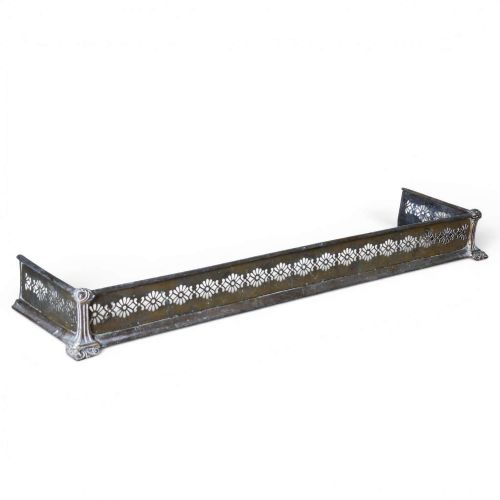
When you search for an antique steel fire curb, you encounter metal hearth guards designed to contain embers and coal dust within the fireplace opening. These pieces function as decorative architectural barriers that establish the visual boundary between an open fire and the wooden floorboards of a period room.
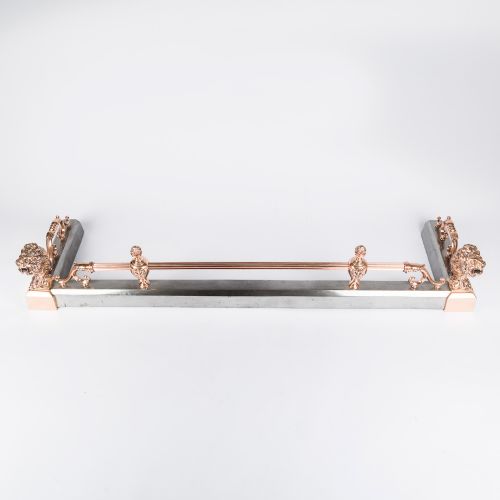
The selections available here span multiple eras, including Georgian, Victorian, and Edwardian periods, alongside specific design movements like Regency, Neoclassical, and Art Nouveau. Most examples combine steel with contrasting metals, notably brass, copper, and bronze, creating a two-tone aesthetic.
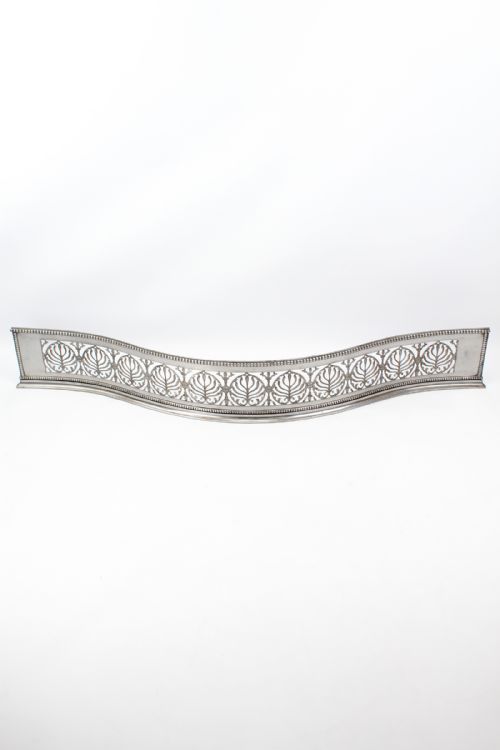
Common forms include serpentine fronts, straight hearth fenders, and pierced designs incorporating decorative motifs such as lions, flowers, dragons, and engraved patterns. Dimensions vary significantly, ranging from compact grates to substantial four-foot-six-inch serpentine models suited to larger drawing-room fireplaces.
Materials and construction methods
Makers constructed these curbs primarily using steel, iron, and polished steel, frequently pairing them with cast iron components and sheet metal bodies. Artisans added warmth and visual contrast by incorporating applied brass, copper, and gilt bronze details.
Techniques relied on piercing, engraving, and casting to produce intricate openwork patterns along the fender fronts. Surface finishing involved polishing steel to a bright sheen or applying patinated dark finishes to the iron structures.
Listings feature steel combined with brass, copper, and gilt bronze across Georgian, Victorian, and Edwardian periods.
Distinctions in craftsmanship and design
Quality separates simple utilitarian hearth barriers from refined decorative centerpieces through the intricacy of the metalwork. Fine examples feature hand-engraved serpentine fronts, crisp piercing, and detailed cast motifs like lions or floral elements rather than plain folded sheet metal.
The choice of secondary metals also dictates grade, with heavy brass mounts, bronze details, and polished steel surfaces showing superior original materials. Better pieces maintain precise joinery and balanced proportions, particularly across curved Georgian serpentine shapes.
The Antique Steel Fire Curb Glossary
- Fire curb
- A low metal barrier placed on the hearth around a fireplace to keep logs and embers from rolling onto the floor. It shares its function with the fireplace fender.
- Serpentine front
- A curved design featuring a convex central section flanked by concave sweeps, popular in Georgian and Regency metalwork. This contour softens the rigid lines of the hearth.
- Pierced steel
- Sheet metal perforated with decorative holes, slots, or geometric patterns to allow light through and reduce weight. Artisans executed this work by hand using chisels and saws.
- Polished steel
- Metal finished to a highly reflective, mirror-like surface that catches the light of the fire. This treatment requires regular maintenance to prevent oxidation.
- Hearth fender
- Another term for a fire curb or fireguard, denoting the metal frame that defines the hearth space. These objects often accommodated matching fire irons.
Antique Steel Fire Curb: Frequently Asked Questions
What is a fire curb?
A fire curb is a low metal barrier placed on the floor directly in front of a fireplace hearth. It serves to contain rolling logs, sparks, and coal ash while framing the fire.
These metal guards establish a clean boundary between the hearth and the surrounding carpet or floorboards, combining practical safety with period decorative style.
How do I style a steel curb?
Pair your steel fire curb with matching brass fire irons, coal buckets, or fireguards from the same period to create a cohesive hearth arrangement. The mixed metals of steel and brass look particularly striking against traditional stone or marble fireplace surrounds.
Keep the metal polished to let it reflect the flames, or allow a natural dark patina to develop for a softer, more rustic interior appearance.
How do I date a fire curb?
Dating relies on identifying stylistic markers, manufacturing techniques, and material combinations recorded across different eras. Georgian and Regency curbs often feature elegant serpentine lines and fine hand engraving.
Victorian and Edwardian examples frequently incorporate heavier cast iron elements, brass galleries, or distinct stylistic traits such as Art Nouveau floral motifs.
Are steel curbs magnetic?
Most antique fire curbs contain ferrous metals like steel and iron, which are magnetic. However, many pieces feature applied decorative mounts made of brass, copper, or bronze, which are non-magnetic.
The combination of ferrous structural bodies and non-ferrous decorative elements accounts for the dual-tone appearance seen in many period hearth accessories.