





Antique Steel Cabinet
These antique steel cabinet pieces span heavy commercial storage and glazed display, offering robust utility and distinct period character.
Antique Steel Cabinet
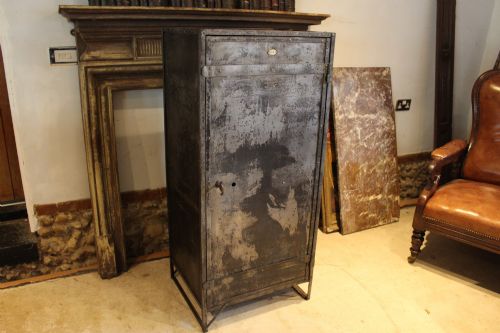
An antique steel cabinet covers functional storage and display pieces drawn from industrial, commercial, and domestic spheres. When you search for an antique steel cabinet, you encounter varied forms ranging from medical cupboards to jewellers chests.
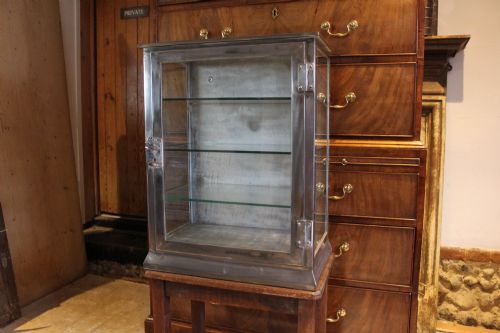
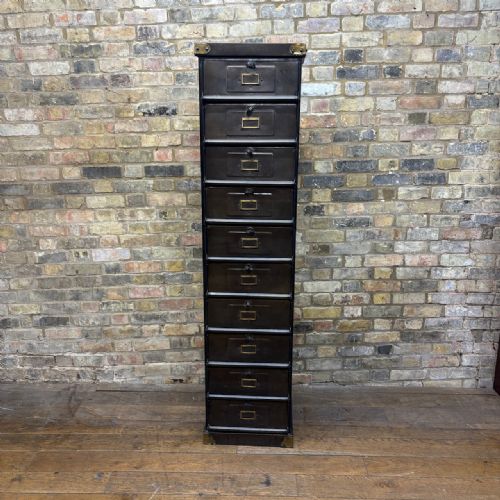
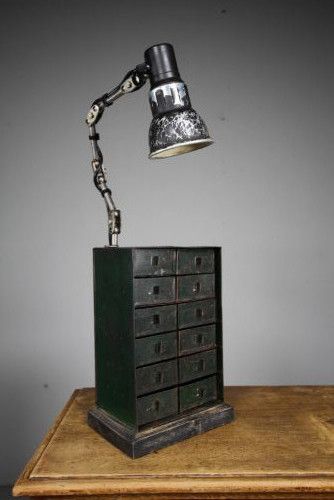
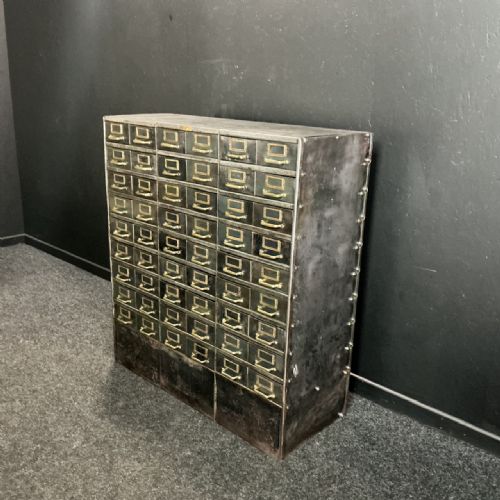
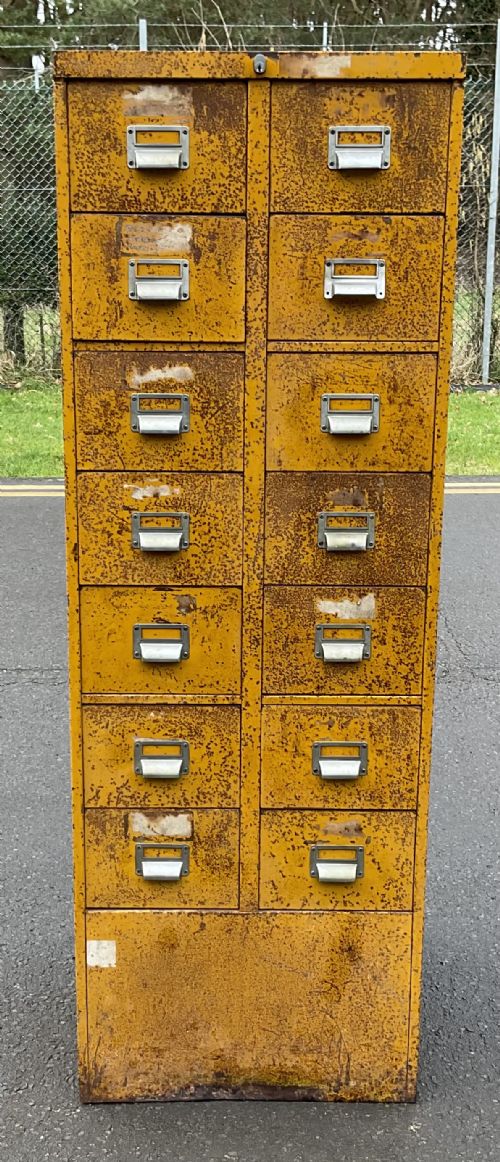
The selections on this page lean heavily towards industrial and commercial origins, with filing drawers, medical units, and engineer storage. Alongside these utilitarian pieces, glazed display variants and safes demonstrate the diverse applications of early metal furniture.
Dated examples trace through the nineteenth century into the 1930s, encompassing Victorian commercial pieces and Art Deco designs. French industrial examples and English workshop items form a significant portion of the available forms.
Materials and construction methods
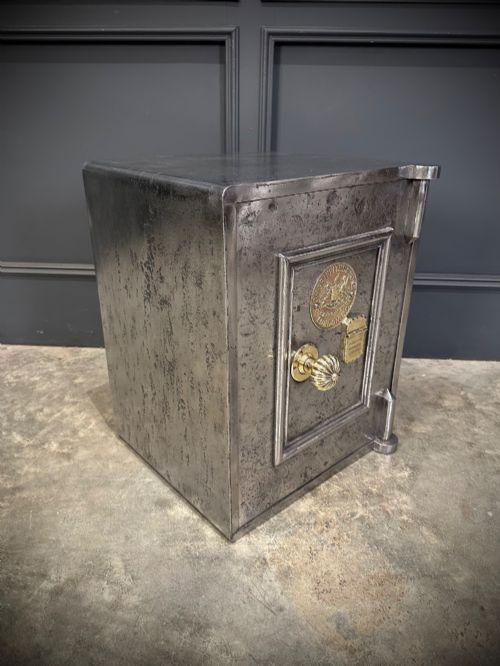
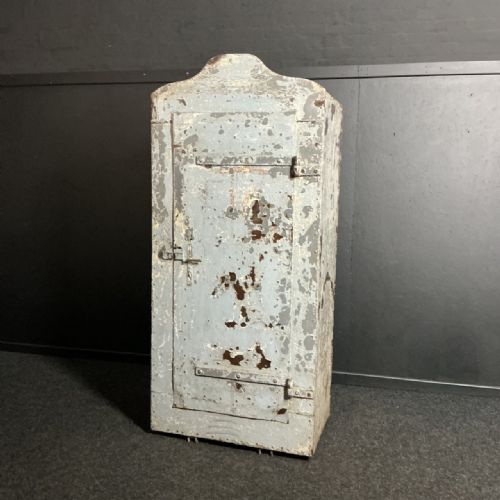
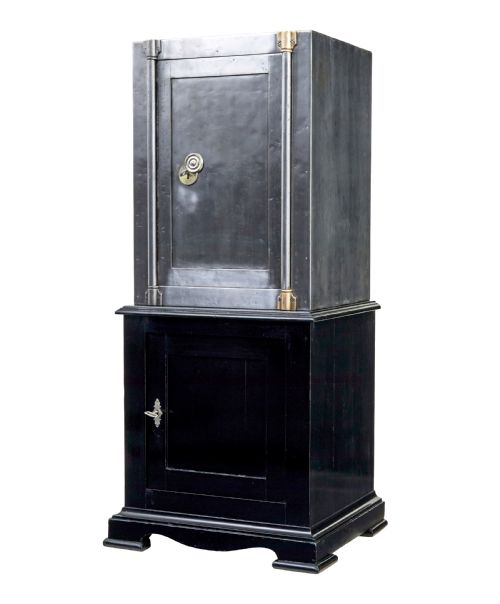
Surfaces frequently retain remnants of original paint finishes, showing decades of industrial wear and layered application. Polished steel surfaces and applied gold leaf appear on more formal or secure pieces such as safes and chests.
Antique Steel Cabinet Retail Price Guide 2026
Typical asking prices for steel cabinet among the pieces listed under this phrase on Sellingantiques today, from the lower quarter to the upper quarter. They describe what is for sale here now, not the wider market.
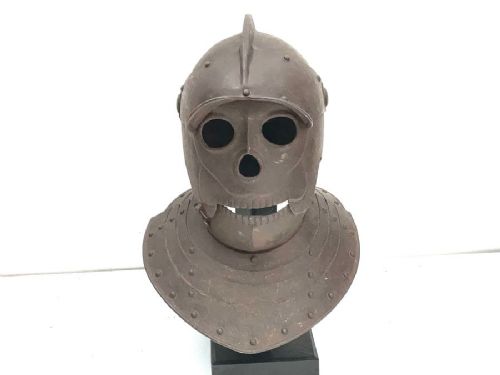
Several cabinets manage to survive alongside completely unrelated items like medieval helmets and pinfire pistols.
Assessing quality in metal storage
Quality rests in the integrity of the original hardware, the stability of the heavy framing, and the retention of authentic surface finishes. Pieces featuring untouched paint remnants or specialised internal fittings command greater interest from collectors.
The refinement of the mechanism, whether in a safe door, drawer bank, or locking cage, distinguishes standard workshop utility from finer commercial or jeweller furniture. Structural solidity and unmodified metalwork dictate the standard across these forms.
The Antique Steel Cabinet Glossary
- Industrial
- A style derived from factories, workshops, and commercial premises utilising exposed metal and robust construction. These items prioritize functional utility over decorative ornament.
- Art Deco
- A design style prominent in the 1920s and 1930s characterised by sleek geometric lines and modern materials. It brings a streamlined aesthetic to storage and display cabinets.
- Wrought iron
- Iron beaten into shape by hammering, frequently utilised for structural frames and protective cages. This material offers high tensile strength and distinct surface texture.
- Safe
- A secure heavy metal box designed for valuables, often incorporated into larger cabinet structures. These pieces utilise thick steel plates and complex locking mechanisms.
Antique Steel Cabinet: Frequently Asked Questions
What is an antique steel cabinet?
An antique steel cabinet is a durable storage or display piece constructed primarily from metal during the nineteenth or early twentieth centuries. These items were originally built for commercial, medical, industrial, or domestic environments.
They encompass varied forms including filing drawers, medical cupboards, and jewellers chests. Their robust construction has ensured survival through decades of heavy use.
How do I date a metal cabinet?
Dating relies on observing construction techniques, hardware styles, and surface treatments relative to documented manufacturing periods. Victorian commercial pieces differ distinctly in latch design and proportion from 1930s Art Deco examples.
Maker plates, patent stamps, and specific industrial styling cues also assist in placing a piece within a concrete decade. Comparing the gauge of the steel and paint layering provides further chronological context.
Where were these cabinets used?
Original locations ranged from apothecary shops and engineers workshops to offices and merchant banks. Utility dictated their placement in spaces requiring fire resistance, security, or strict organisation.
Over time, many commercial storage units transitioned into domestic interiors for kitchen storage or study organisation. Display variants served retail shops before entering private collections.
How do I maintain original paint on steel?
Preservation requires gentle cleaning using dry or lightly damp cloths to remove dust without disturbing fragile surface layers. Avoid abrasive chemical solvents that might strip historic paint remnants or patinated metal.
Applying microcrystalline wax can protect exposed steel surfaces from future oxidation. Stable indoor humidity prevents further flaking of original painted finishes.