
Antique Statue Bust
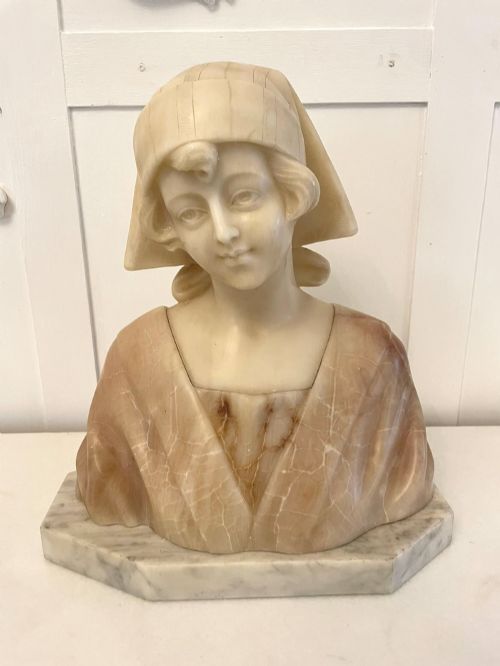
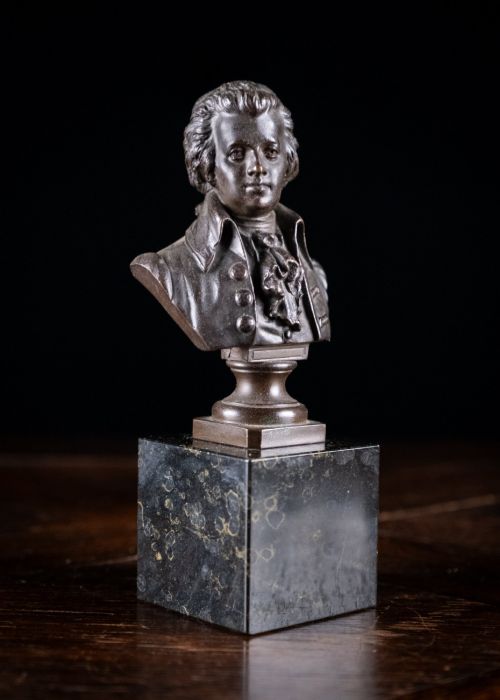
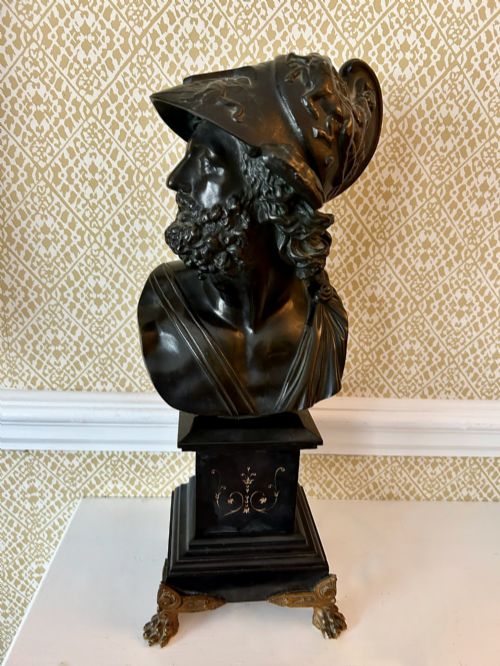
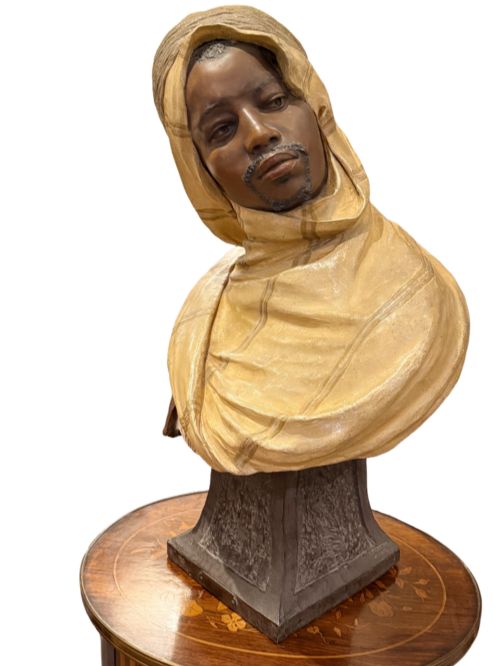
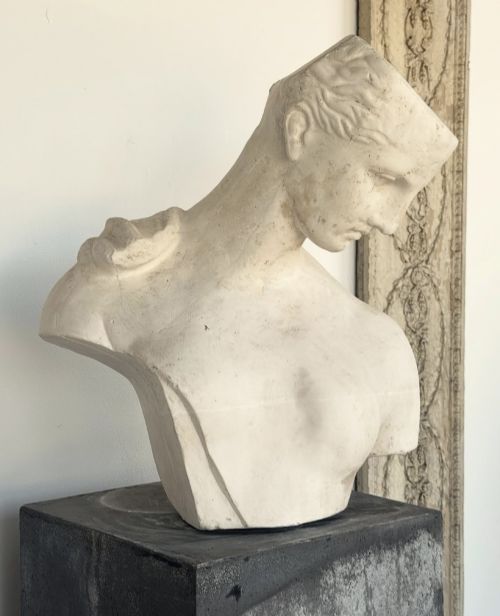
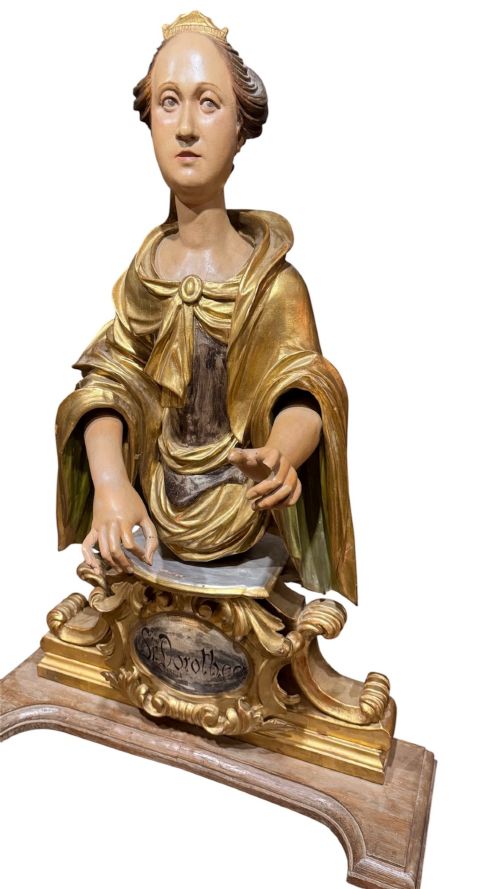
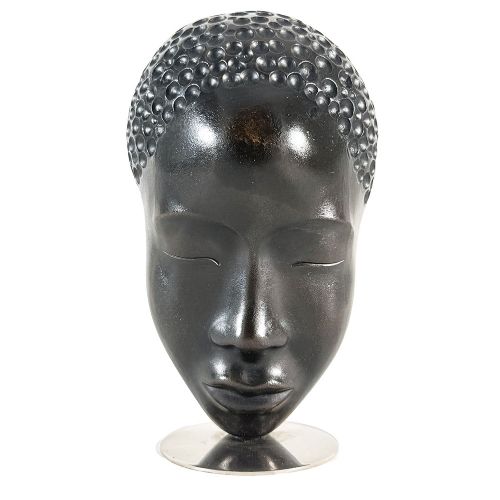
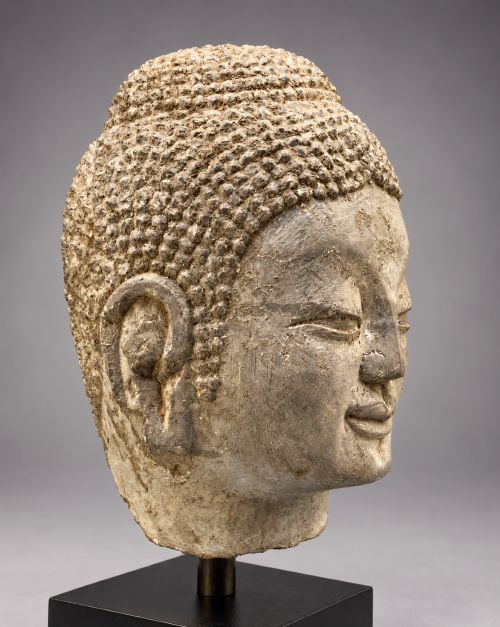
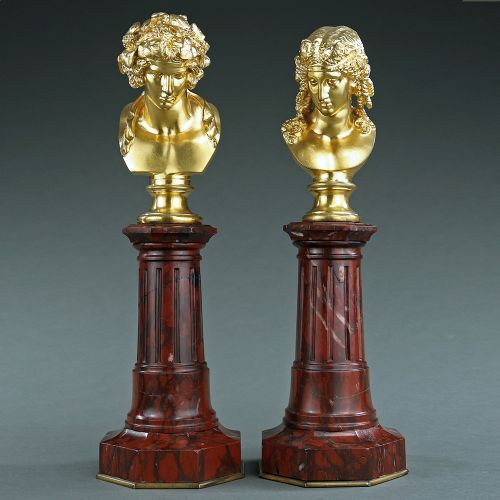
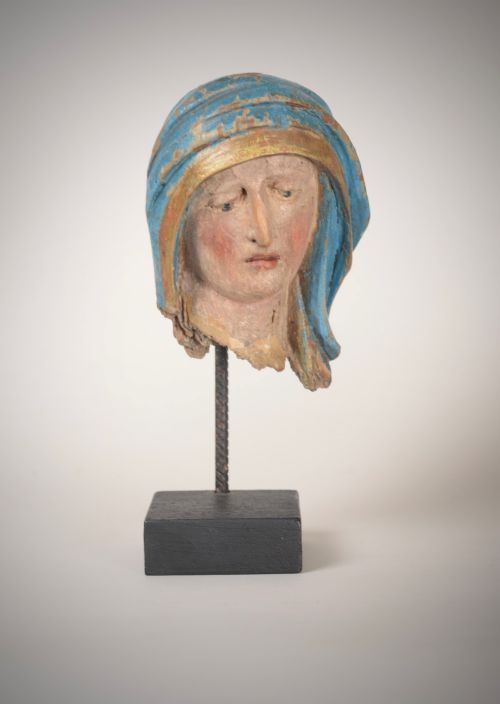
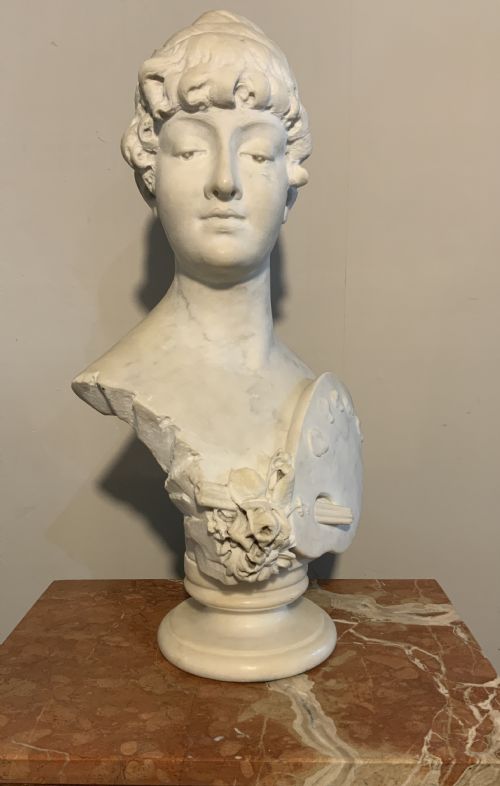
When you search for an antique statue bust, you are looking at sculpted portraits carved from marble, cast in bronze, or moulded from plaster that capture likenesses from classical antiquity to the twentieth century.
Antique Statue Bust
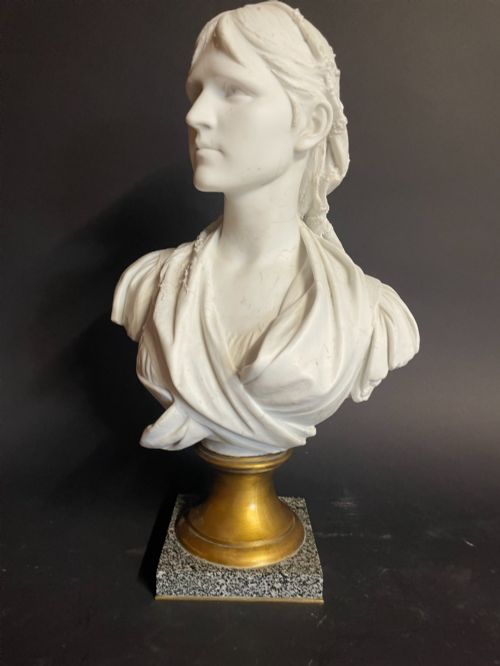
An antique statue bust represents a head and shoulders portrait, capturing historical figures, literary characters, and anonymous subjects across centuries of sculpture. You will frequently encounter nineteenth-century interpretations, ranging from Neoclassical studies of mythological figures to Grand Tour portraits acquired by travellers.
The materials vary widely from Carrara marble and carved alabaster to cast bronze, terracotta, and painted plaster. Forms span small library pieces designed for a desk to monumental civic portraits intended for public display.
Origins stretch from Italian workshops and French foundries to British studios, incorporating styles from Baroque and Art Nouveau to Victorian classicism and medieval stone carving.
How they were made
Metal sculptures involve foundry casting, most commonly through the lost-wax method for bronze and gilt bronze, which permits intricate surface textures and patination. Artisans then finish these metal surfaces through chasing, polishing, and applying chemical patinas or gilding.
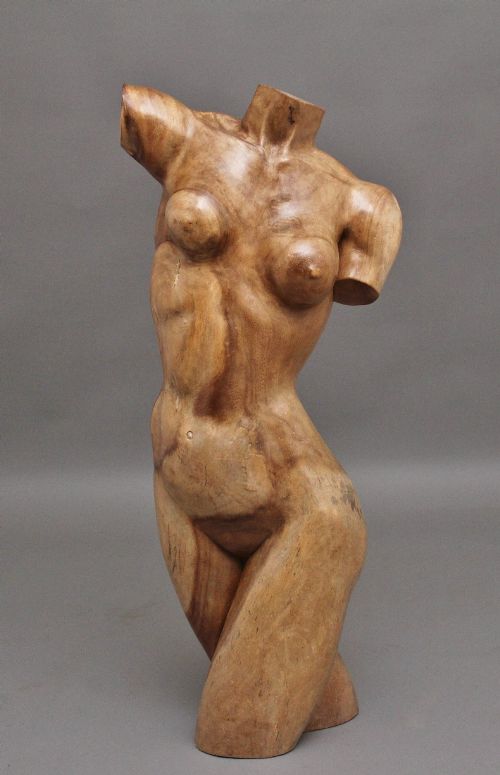
Listings feature materials including marble, bronze, alabaster, wood, plaster, gilt bronze, terracotta, and paint across multiple centuries.
What varies in quality
The selection of the raw material dictates the tier of the piece, with flawless translucent alabaster and pure white Carrara marble sitting above painted plaster or spelter. Signature marks from recorded sculptors and founders further elevate the standing of a bust.
Affortunato Gory·E Villanis·Henri Godet·Raffaelo Monti·Auguste Henri Carli
The Antique Statue Bust Glossary
- Grand Tour
- A nineteenth-century tradition where wealthy travellers collected classical antiquities and smaller bronze or marble copies of famous sculptures across Europe.
- Parian ware
- A fine-grained, unglazed porcelain resembling white marble, developed by British potteries during the nineteenth century for portrait busts and classical figures.
- Patina
- The surface coloration and sheen acquired by bronze or wood through age and handling, or applied chemically by the foundry during creation.
- Spelter
- A zinc alloy used as a cheaper alternative to bronze in nineteenth and twentieth-century metal sculptures, usually given a bronze-coloured finish.
- Terracotta
- Fired unglazed clay, reddish-brown in hue, often utilised by sculptors for preliminary models or finished portrait busts.
Antique Statue Bust: Frequently Asked Questions
Where were statue busts displayed?
In the nineteenth century, portrait busts stood on library bookshelves, pedestals in drawing rooms, and mantelpieces as symbols of classical learning and refined taste.
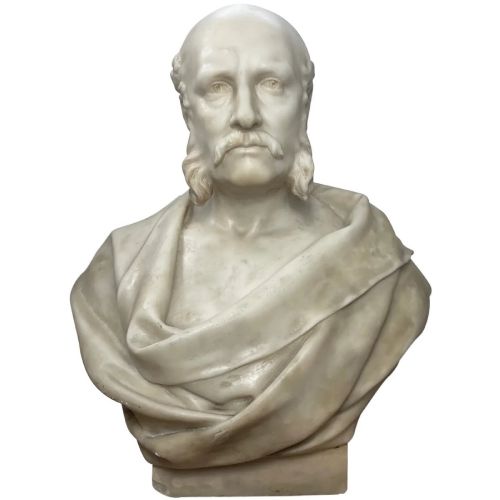
Larger civic and monumental pieces occupied public halls, offices, and institutional spaces to commemorate prominent figures of the era.
How do I clean marble or bronze?
Dust marble gently with a soft dry cloth, avoiding harsh chemical cleaners that can etch the polished stone surface.
Bronze requires minimal intervention beyond occasional dusting to preserve the chemical patina built up over decades.
Are plaster busts fragile?
Plaster is softer and more susceptible to chips, surface scuffs, and moisture damage than marble or bronze.
They require stable indoor environments away from high-traffic areas where they might suffer accidental impacts.
What is a parian bust?
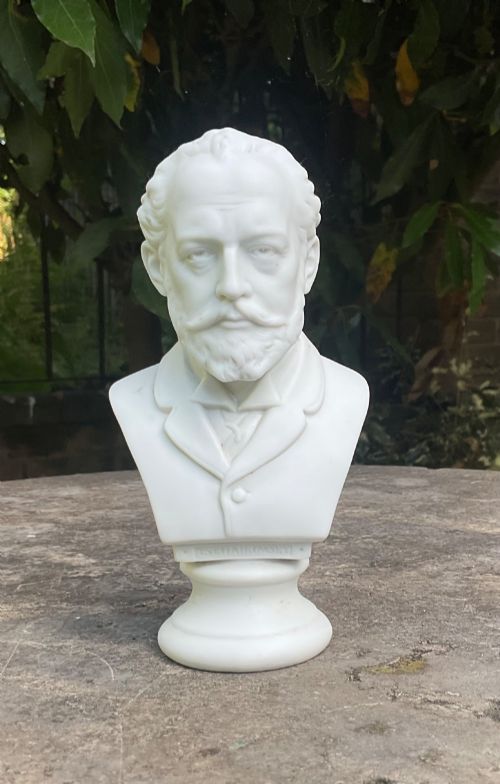
Parian busts are sculpted portraits cast in a dense, white ceramic body developed in Britain to imitate carved marble.
They became popular household ornaments during the Victorian period, depicting royalty, poets, and classical characters.