
Antique Stationery Organiser
An antique stationery organiser brings order to papers and correspondence through fitted compartments, drawers and upright slots.
Antique Stationery Organiser
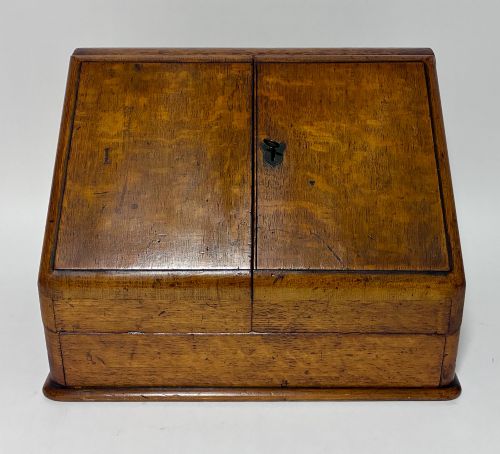
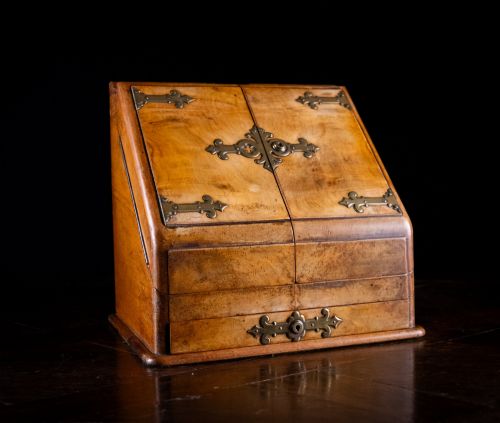
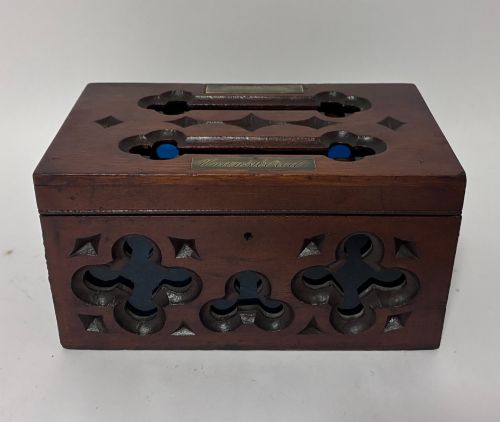
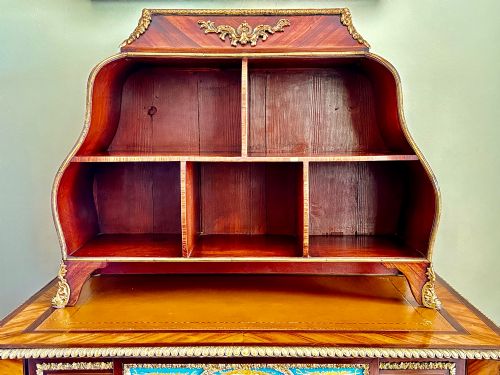
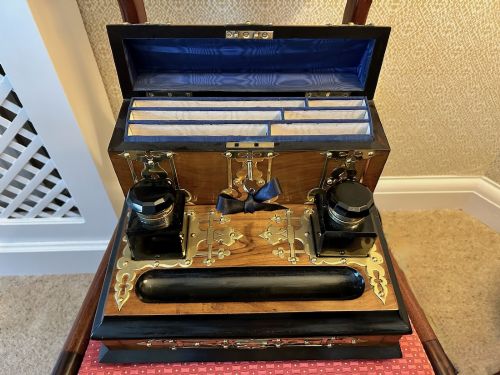
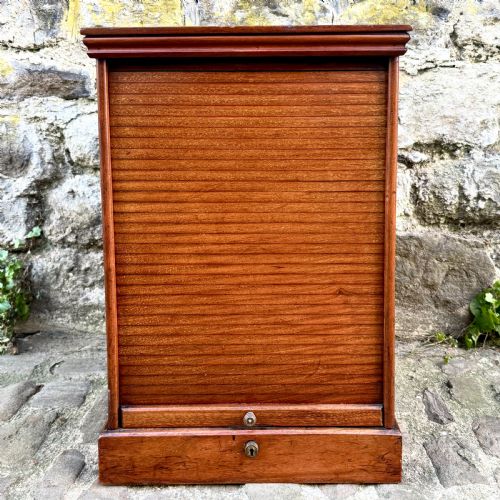
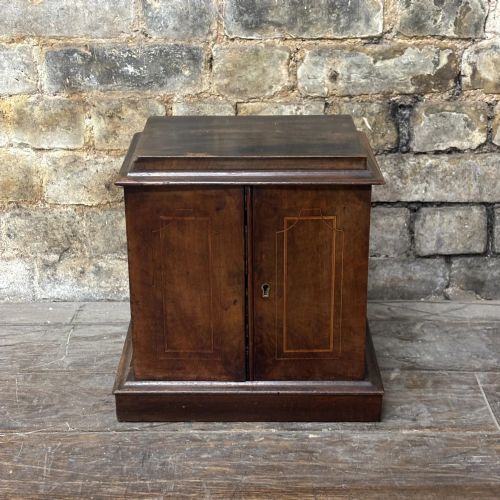
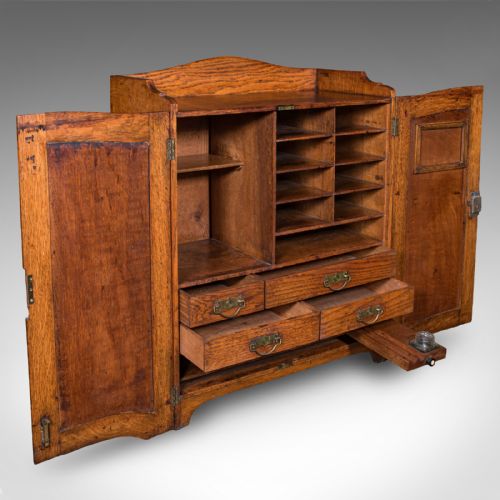
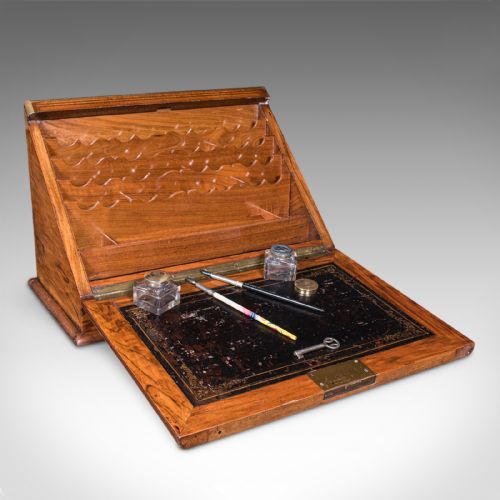
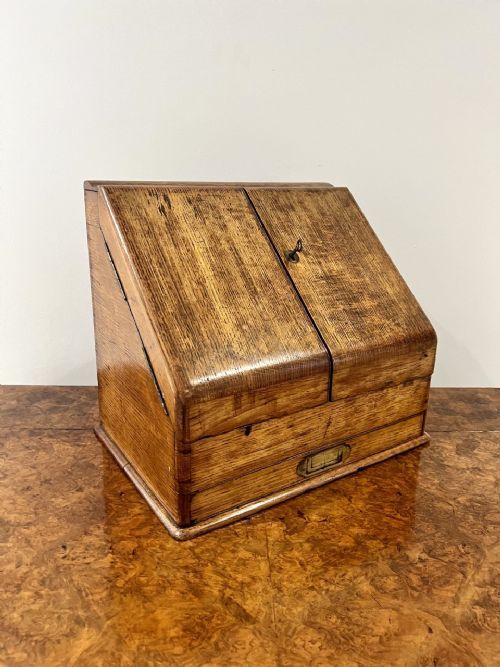
An antique stationery organiser serves as a desktop receptacle for papers, envelopes, letters and writing accessories. These pieces appear in forms such as correspondence boxes, stationery cabinets, fall-front desks, letter racks and inkstands.
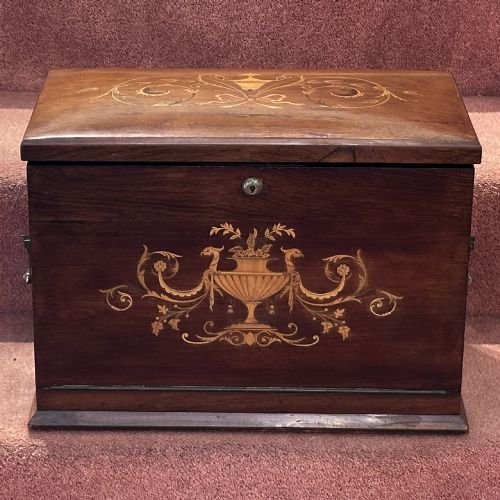
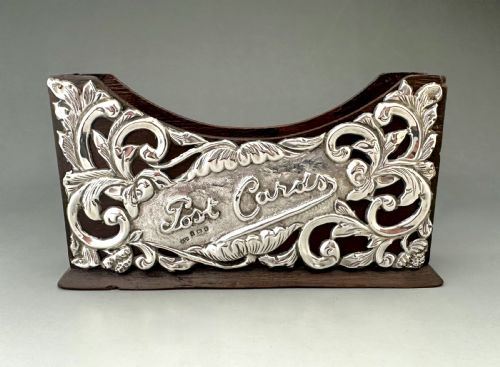
The material record spans native and exotic timbers alongside metals and papier-mâché, reflecting the desk accessories of past centuries. Oak, walnut, rosewood and mahogany predominate, often enhanced with brass mounts or silver fittings.
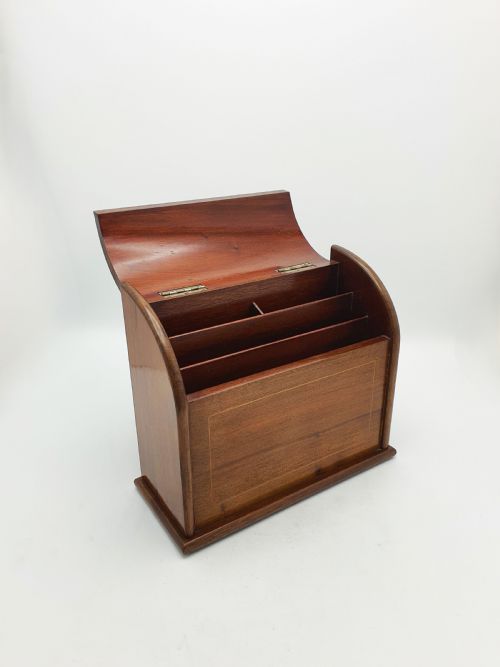
Victorian and Edwardian versions dominate the current selection, supplemented by pieces from the nineteenth century and the Georgian period. Forms range from simple hinged-lid tidies to architectural cabinets with internal filing divisions.
How they were made
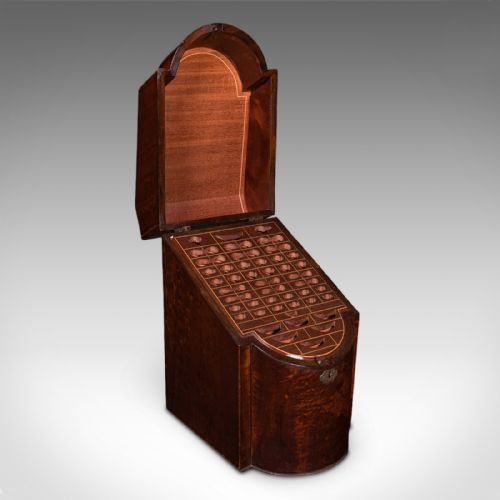
Cabinetmakers constructed these organisers using solid woods and decorative veneers over secondary timbers, employing dovetail joints for drawers and precise mitres for box frames. Brass hinges, locks and carrying handles provide structural reinforcement.
Surface decoration relies on natural grain figures, inlay, marquetry or metal mountings such as ormolu and copper. Interiors often feature leather linings, velvet pads and fitted compartments tailored for specific writing implements.
Listings feature oak, mahogany, walnut, rosewood, brass and glass across Victorian, Edwardian and Georgian periods.
What varies in quality
Construction standards differ between mass-produced desk accessories and bespoke pieces commissioned for country houses or offices. Superior items display careful timber selection, hand-cut joints and integrated locking mechanisms that secure multiple compartments simultaneously.
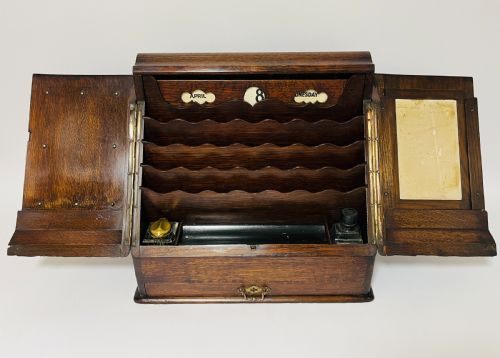
The refinement of internal fittings distinguishes standard stationery boxes from exceptional examples. High-grade items incorporate matching secondary woods, subtle secret drawers, fitted inkwells with hinged silver lids and intricate Tunbridge Ware or marquetry work.
Edmund Nye
The Antique Stationery Organiser Glossary
- Cartonnier
- A desktop cabinet containing a series of horizontal compartments or drawers for storing papers and documents. These pieces often feature architectural pediments and decorative mounts.
- Correspondence box
- A lidded box or cabinet designed specifically to hold writing paper and envelopes. They frequently include upright slots for sorting incoming and outgoing mail.
- Inkstand
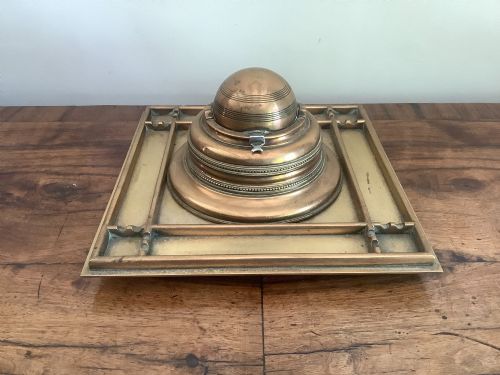
- A desk accessory holding one or more inkwells, often accompanied by pen troughs and sanders. They sit upon a decorative tray made of wood, glass or metal.
- Letter rack
- An open framework of upright partitions used for holding letters and envelopes in view on a desktop. Examples appear in brass, copper, wood and papier-mâché.
Antique Stationery Organiser: Frequently Asked Questions
What is an antique stationery organiser?
An antique stationery organiser is a desktop receptacle designed to hold writing paper, envelopes and correspondence. These pieces include cabinets, boxes, letter racks and desk tidies.
They emerged to keep writing desks orderly during periods when letter-writing formed a daily occupation. Interiors typically feature vertical dividers, small drawers and slots suited to folded paper.
How were stationery organisers used?
Owners placed them on library desks, bureau bookcases or partner tables to sort incoming letters and store blank stationery. Many incorporated inkwells and pen rests for immediate writing use.
Locked cabinets protected private correspondence, while open letter racks displayed daily mail awaiting attention. Some designs doubled as travel cases or portable writing stations.
Which woods are most common?
Oak and mahogany appear frequently in nineteenth-century and Edwardian examples, offering robust surfaces for daily desk use. Walnut and rosewood provide more decorative grain patterns for formal library settings.
Exotic woods such as coromandel and satinwood appear on high-status pieces, sometimes augmented by brass stringing or mother-of-pearl inlay.