



Antique Standing Showcase
An antique standing showcase gives pride of place to your collection, offering glass protection and height.
Antique Standing Showcase
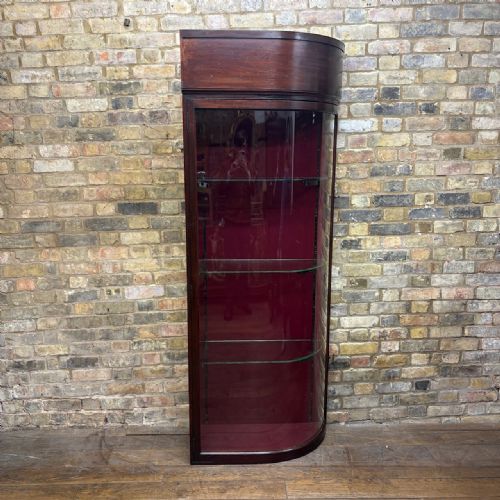
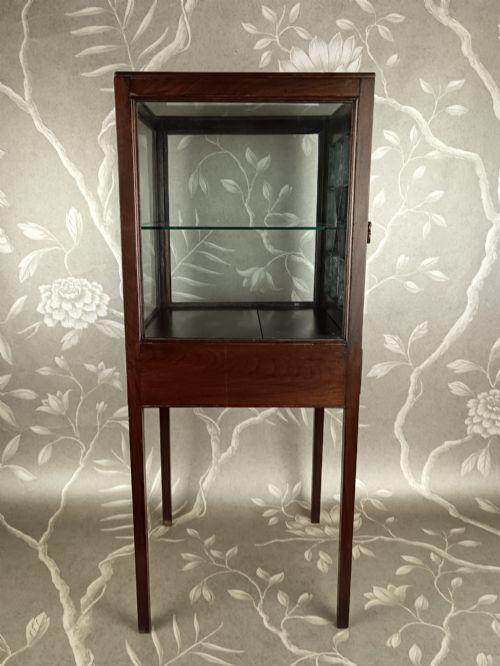
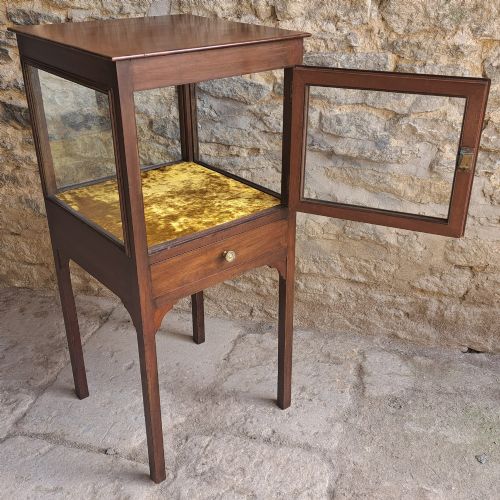
An antique standing showcase provides vertical display space for treasured objects, keeping items secure behind glass while drawing the eye upward in a room. When searching for an antique standing showcase, you encounter everything from Georgian vitrines to Edwardian inlaid examples.
The pieces on this page span several distinct periods including the Georgian era, the nineteenth century, and the Edwardian decades. Cabinets take various architectural forms such as tall towers, demi-lune shapes, and cylindrical pedestals.
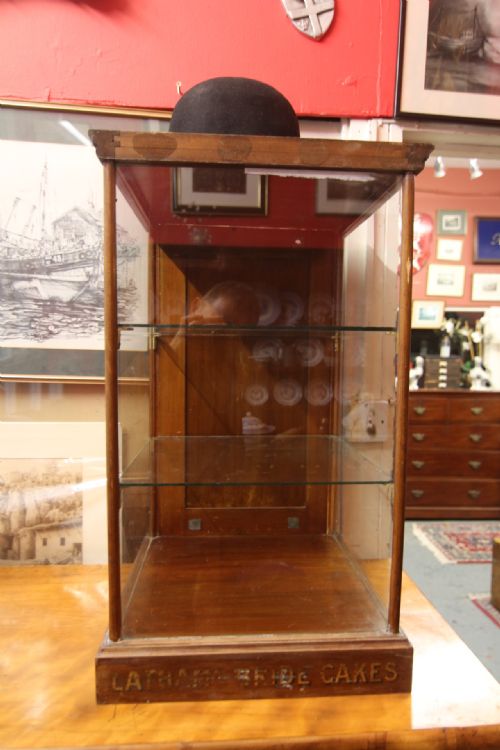
Mahogany dominates the selection, often enriched with satinwood crossbanding or delicate inlay work. Alongside timber framed display cases, you find brass glazed shop fittings and gilded French vitrines.
How They Were Made
Cabinet makers constructed these freestanding showcases using solid timbers and robust veneers, primarily relying on mahogany for its strength and rich grain. Frames incorporated glazing bars designed to hold large expanses of glass safely without sacrificing structural integrity.
Surface decoration required specialist skills such as stringing, marquetry, and crossbanding in contrasting woods like satinwood. Giltwood frames and hand painted details appeared on pieces influenced by French taste and Sheraton revival styles.
Antique Standing Showcase Retail Price Guide 2026
Typical asking prices for standing showcase among the pieces listed under this phrase on Sellingantiques today, from the lower quarter to the upper quarter. They describe what is for sale here now, not the wider market.
Several cabinets on offer began life displaying goods in French shops before finding their way into domestic sitting rooms.
What Varies in Quality
The distinction between ordinary and exceptional cabinets lies in the crispness of the timber preparation and the subtlety of the inlay. Finer pieces display meticulous hand cut joinery and carefully selected veneer grains that wrap harmoniously around curves and corners.
Hardware and glass selection also set tiers of craftsmanship apart. Superior showcases utilise original brass mounts, well fitted locks, and high grade glazing that remains clear and free from heavy distortion.
Siegel
The Antique Standing Showcase Glossary
- Vitrine
- A glass fronted cabinet designed specifically for displaying fine porcelain, curiosities, or decorative objects. These freestanding display cases often feature glazed sides to let light pass through.
- Bijouterie cabinet
- A shallow glass topped showcase tailored for holding jewellery, medals, or small ornaments at a convenient viewing height. They frequently include lined interior trays.
- Crossbanding
- A decorative border of veneer laid around the edges of a panel so that the grain runs at right angles to the central wood. This technique creates a neat framing effect on cabinet doors.
- Demi-lune
- A half moon shape used for the footprint and top of certain decorative display cabinets. This curved design allows the furniture to sit flush against a wall while projecting outward.
- Vernis Martin
- A type of simulated Japanese lacquer developed in France, known for its translucent metallic sheen. Cabinets finished in this manner showcase elaborate painted scenes.
Antique Standing Showcase: Frequently Asked Questions
What is the difference between a vitrine and a showcase?
A vitrine typically refers to an elegant glass fronted cabinet intended for domestic display of valuable items. The term showcase often applies more broadly to tall architectural pieces or shop fittings.
Both serve the primary purpose of protecting fragile collections from dust and handling while offering high visibility.
How do I choose between Edwardian and Georgian cabinets?
Georgian cabinets tend to feature heavier architectural proportions, dense dark mahogany, and restrained classical lines. Edwardian pieces often exhibit lighter satinwood inlays, painted decorations, and Sheraton revival influences.
Consider the existing furniture in your room to decide whether a sturdy eighteenth century design or a refined Edwardian showcase fits best.
Where should I place a standing showcase?
Standing showcases require stable floor space away from direct sunlight to protect interior fabrics and delicate objects. Tall tower cabinets and cylindrical pedestals work well in corners or between windows where vertical height balances the room.
Ensure the floor is level so the glazed doors hang true and open smoothly without catching on the frame.
How do I care for antique glass and timber?
Dust timber surfaces regularly with a soft, dry cloth and apply occasional high quality beeswax to nourish the wood. Clean the glass carefully with a mild solution, avoiding harsh chemical sprays that might seep into old joints or damage polished finishes.
Keeping the room at a stable humidity prevents the mahogany framework from warping over time.